Communicating science effectively needs more than facts, says Eileen Parkes.

{credit}iStockphoto/Thinkstock{/credit}

{credit}iStockphoto/Thinkstock{/credit}
A review of David Cannadine’s biography of Margaret Thatcher, the UK’s first woman prime minister, describes how her background in science, as well as her gender, set her apart. “No skimming of great books from the canon in PPE for her: chemistry was a proper subject, evidence based,” writes William Waldegrave in his review for The Daily Telegraph. Waldergrave served a junior minister in Thatcher’s government before she resigned in 1990.
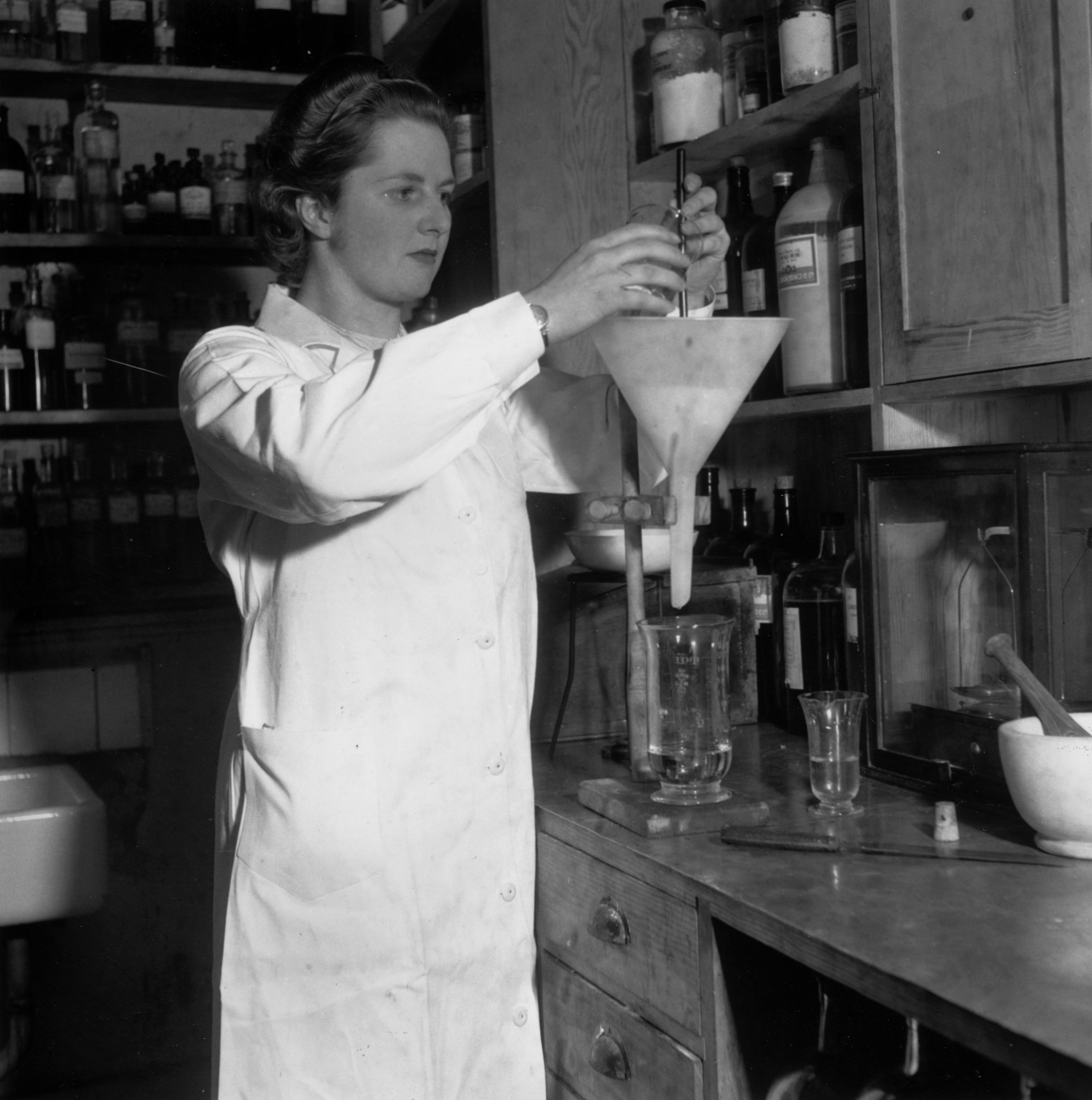
Thatcher at work as a research chemist in 1950.{credit}Christ Water/Getty{/credit}
Thatcher, who worked industry as a research chemist after graduating, was reportedly more proud of being the first UK prime minister with a science degree than she was of being the first female to enter Downing Street. David Payne examines how science influenced Thatcher’s politics, and looks at the interface between science and politics and its coverage in Nature’s careers section. Continue reading