Away from home: Making graphene flakes in a kitchen blender

We’re bringing you the best stories in lab mobility from Nature India

The ‘Away from home‘ blogging series features Indian postdocs working in foreign labs recounting their experience of working there, the triumphs and challenges, the cultural differences and what they miss about India. They also offer useful tips for their Indian postdocs headed abroad. You can join in the online conversation using the #postdochat hashtag.

Today’s blog is in the ‘breaking news’ category where Varrla Eswaraiah, a postdoctoral researcher at Trinity College Dublin, Ireland shares the excitement over his lab’s recent paper published in Nature Materials. Eswar, an alumnus of IIT Madras, tells us all about making graphene flakes in a kitchen blender and the possibility of replicating it on a mega scale. He tells us about his humble beginnings from a small village in Andhra Pradesh and how he struggled against odds to pursue his passion for science.
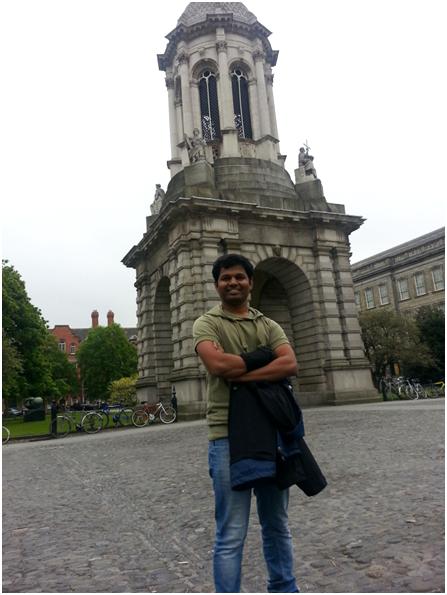
Varrla Eswaraiah at the Trinity College Dublin.
Varrla Eswaraiah at the Trinity College Dublin.

Continue reading

Study system envy

Graduate students must often weigh the pros and cons of straying from an advisor’s research program

Guest contributor Carolyn Beans

Early in graduate school, I had total study system envy. In many biological fields, including my own field of evolutionary ecology, a study system is a specific species that a scientist uses to run tests. Some of these species like mice, zebrafish, and the plant Arabidopsis are model organisms, and have been well-studied for decades or more. Whether scientists choose a model organism or a relatively unknown species as a study system can have drastic consequences for their research.

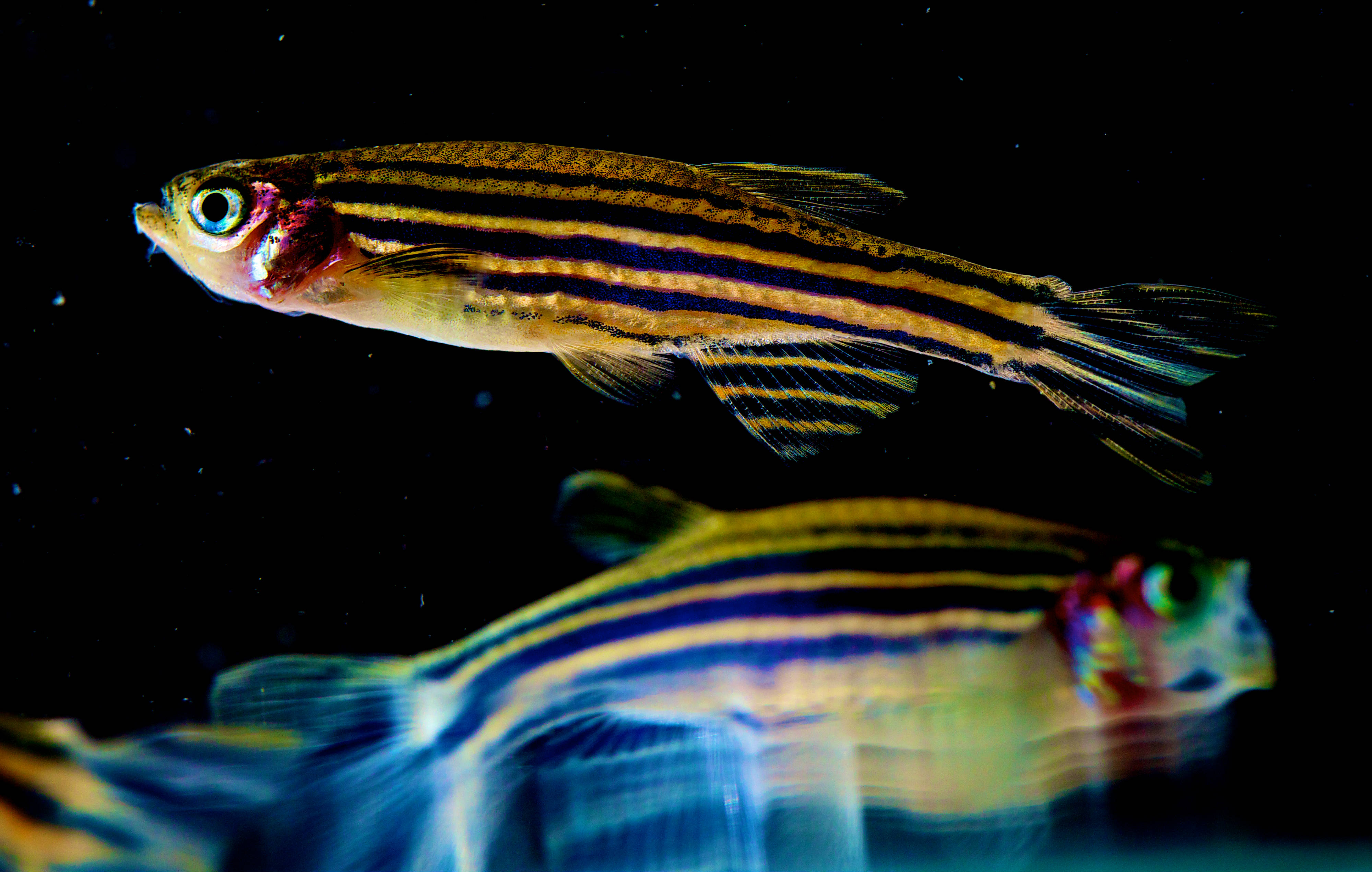
Zebrafish

Zebrafish{credit}Uri Manor, NICHD{/credit}

Continue reading

A Masterful decision

Many universities now offer master’s programmes in science-related subjects. These can be a great springboard to a new career.

Guest contributor Simon Hazelwood-Smith


SHSpic2

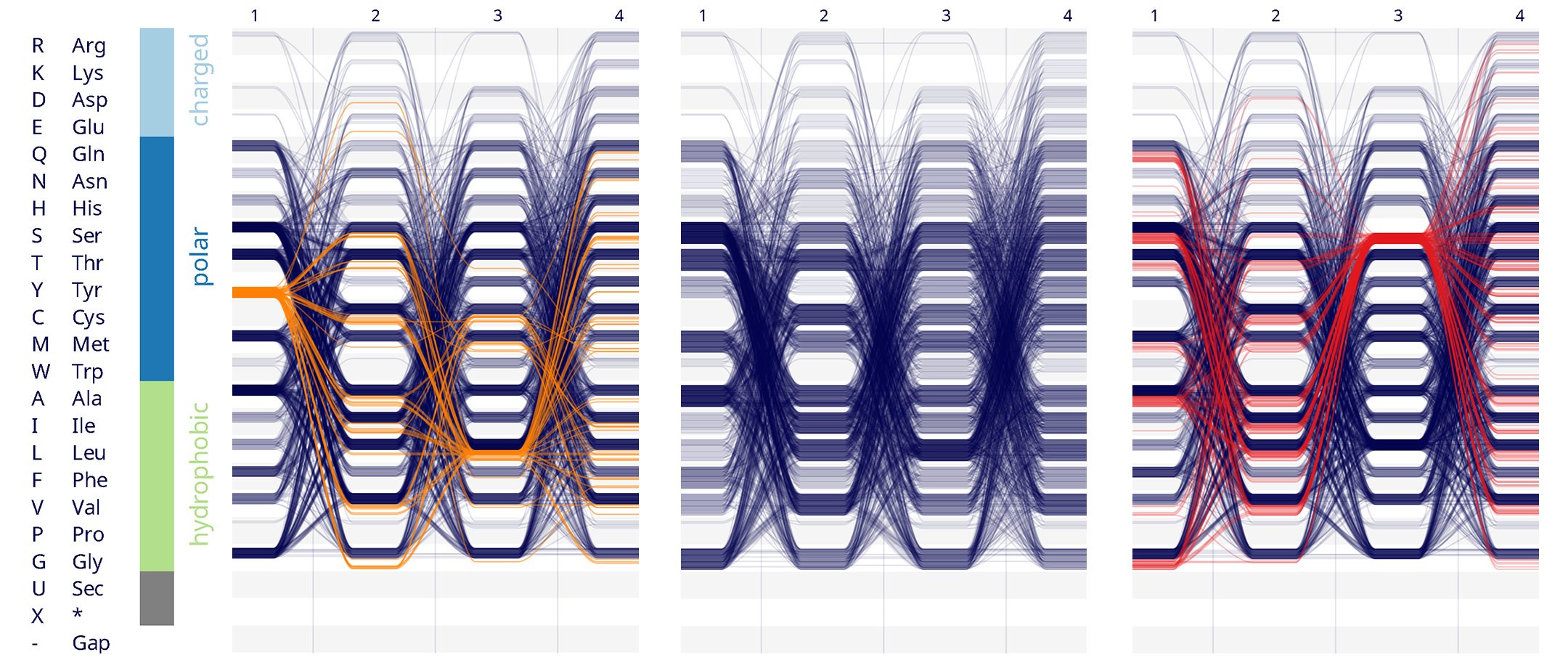
Sequence Bundles: A new method of visually displaying sequence data developed by Science Practice, where Simon works

There have never been more ways to be employed in science. Today, science is communicated, critiqued, shaped, applied and incorporated into political decisions by a multitude of people who rarely – if ever – set foot in a laboratory. For the organisations that work in these areas, there are tangible benefits to have employees with scientific experience. However, knowing how, when, and if to make the move into these areas is often a challenge for many young scientists. Continue reading