Study system envy

Graduate students must often weigh the pros and cons of straying from an advisor’s research program

Guest contributor Carolyn Beans

Early in graduate school, I had total study system envy. In many biological fields, including my own field of evolutionary ecology, a study system is a specific species that a scientist uses to run tests. Some of these species like mice, zebrafish, and the plant Arabidopsis are model organisms, and have been well-studied for decades or more. Whether scientists choose a model organism or a relatively unknown species as a study system can have drastic consequences for their research.
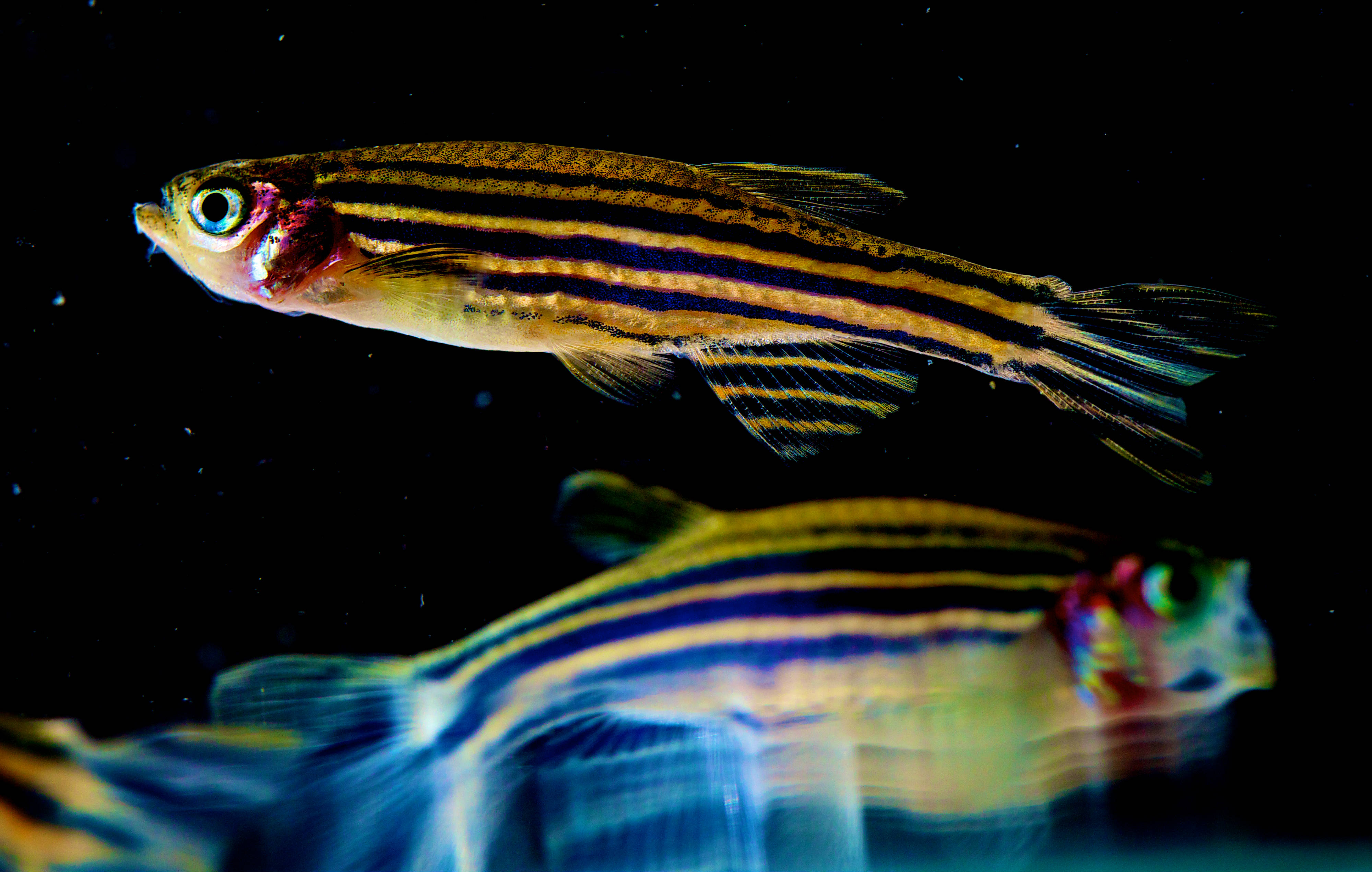
Zebrafish

Zebrafish{credit}Uri Manor, NICHD{/credit}

Continue reading

From academia to policy with David Carr

An interview with David Carr about his transition from academia to science policy.

David-Carr-Wellcome-Trust

David Carr, Policy Advisor at the Wellcome Trust

Staying in touch with science was the one thing David Carr wanted when he left academia in 1998. After spending a year working  in a scientific consultancy organisation whilst also writing up his masters, Carr joined the Wellcome Trust. Since joining he has become more and more involved in science policy. In this interview I ask Carr why science policy is important, why he enjoys it and what advice he has to offer to those who wish to work in this field.

Why did you initially decide to pursue a PhD?

I was interested in and passionate about genetics (which I specialised in during the final year of my undergraduate degree), and at the time it seemed like the logical next step to continue to postgraduate research. Looking back, I really drifted into it – I didn’t really look enough at other options or really consider what the day-to-day work involved in doing a PhD would be. I thought that getting a PhD would be a good thing to do in terms of keeping open career options within science and outside, and that it would be a natural continuation of my undergraduate studies, but quickly discovered the reality was quite different! Continue reading