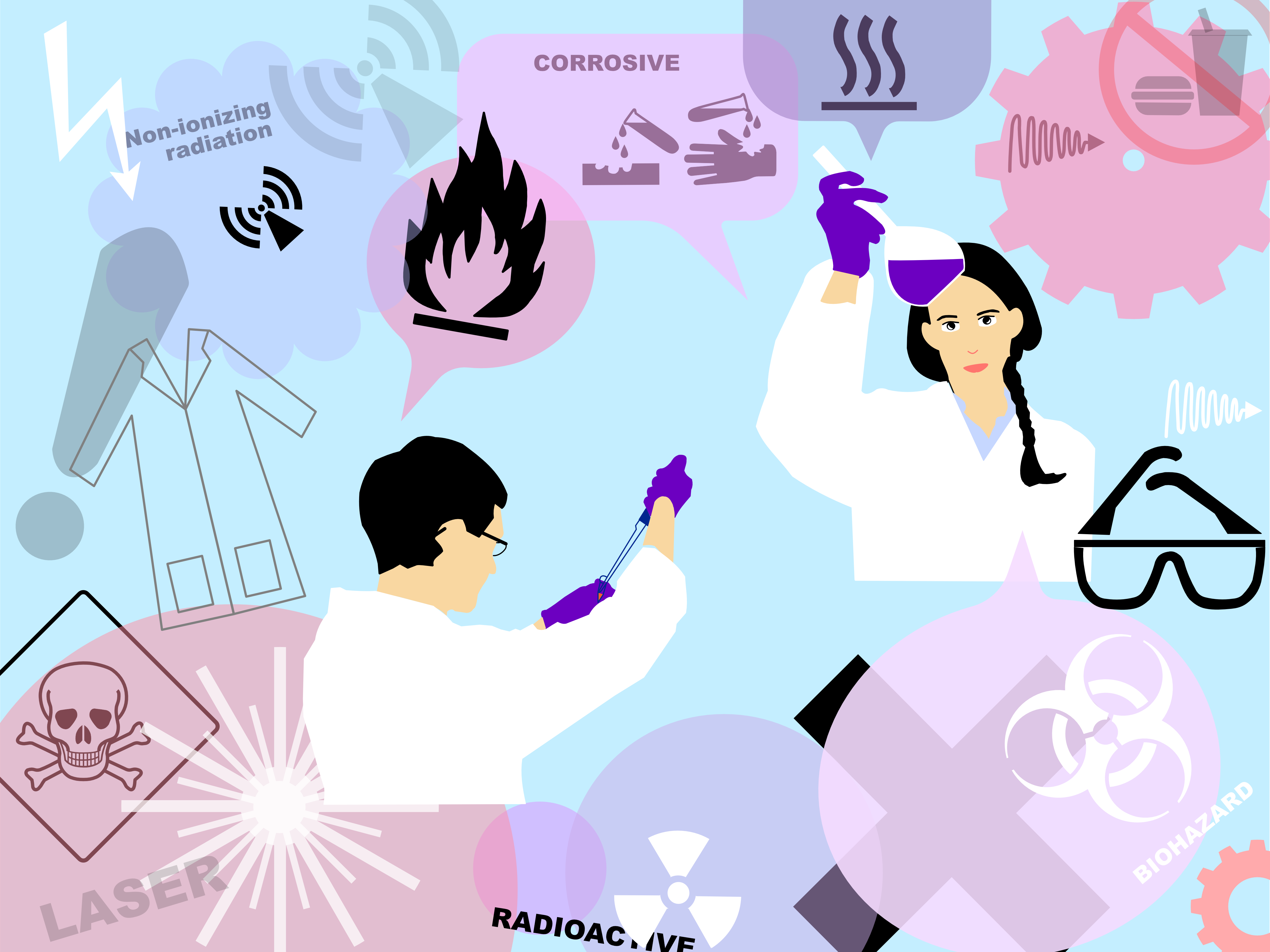
Be mindful of your safety in the lab
Reply

This week in Nature, we announce the winners of the Naturejobs #ScientistAtWork photo competition. Here are the photos that won. You can also check out Nature‘s podcast for a further interview with the final winner of the competition, Kseniia Ashastina. You can also check out Nature India‘s own excellent photo competition here.

Kseniia Ashastina’s winning entry — a researcher collects samples from a permafrost outcrop {credit} Kseniia Ashastina {/credit}

{credit}iStockphoto/Thinkstock{/credit}
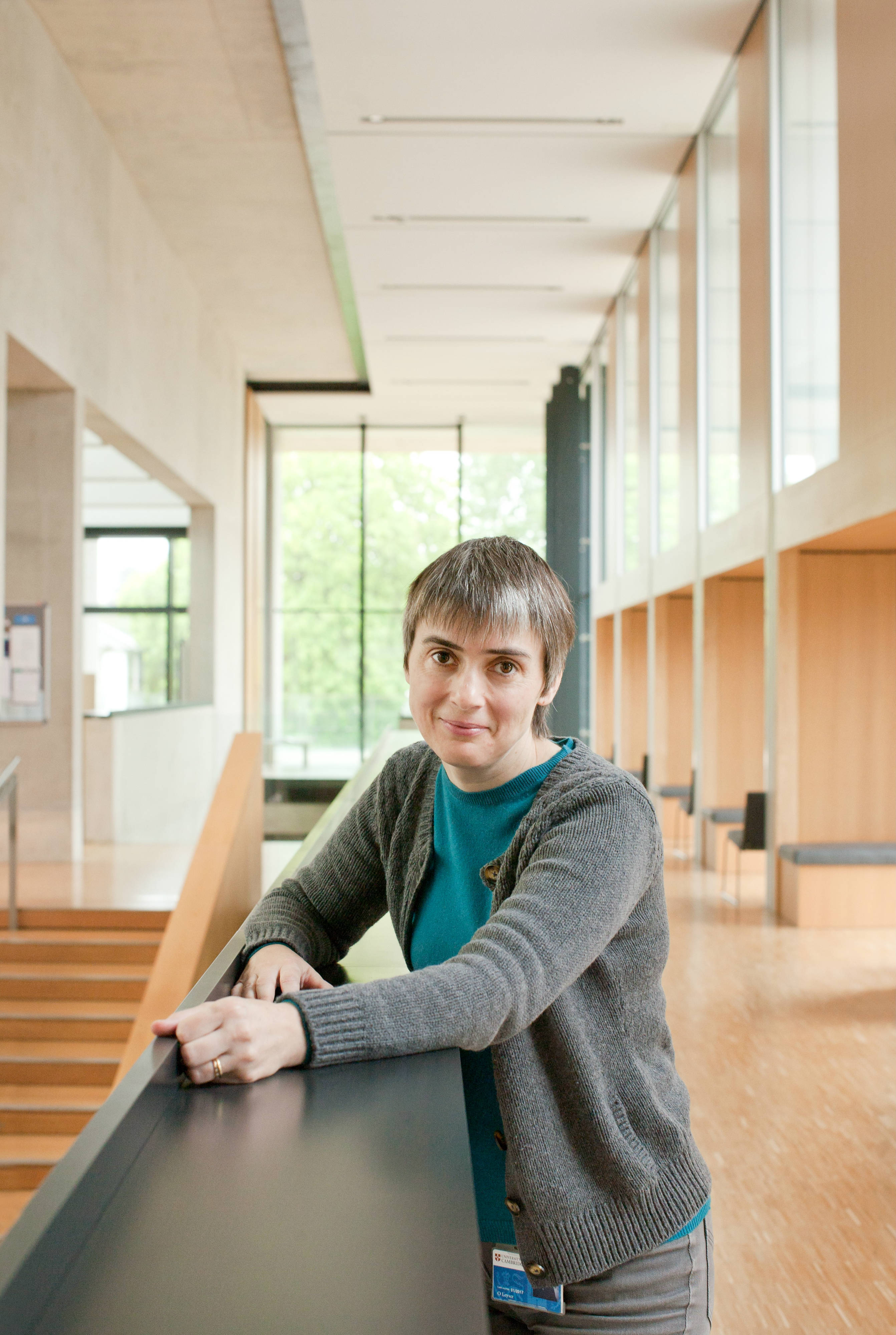
{credit}Ottoline Leyser{/credit}
Guest contributor Ottoline Leyser.
Science needs diversity. Solving complex problems is more likely if there are diverse people, bringing diverse perspectives and diverse skills to bear on them. The imaginative and interesting people science needs find inspiration in the most unexpected places – both inside and outside the lab; in their personal and family lives and their other responsibilities and commitments.
Working environments that embrace diversity are exciting and creative. They can also be challenging and uncomfortable. While it may be reassuring to work with people who agree with you all day long, you’re much less likely to come up with anything new. It’s unfortunate that such a large part of science is done by a homogenous group of people who all look like each other. This state of affairs is maintained in part by the positive feedback that comes from unconscious bias, where appointments and promotion committees disproportionately select people similar to themselves. Continue reading
Guest contributor Seralynne Vann.
I have always had a love of science and always knew I wanted to be a mother. I’ve managed to combine a career in neuroscience with motherhood although at a numerous points over the years I questioned whether I would be able to have either, let alone both.
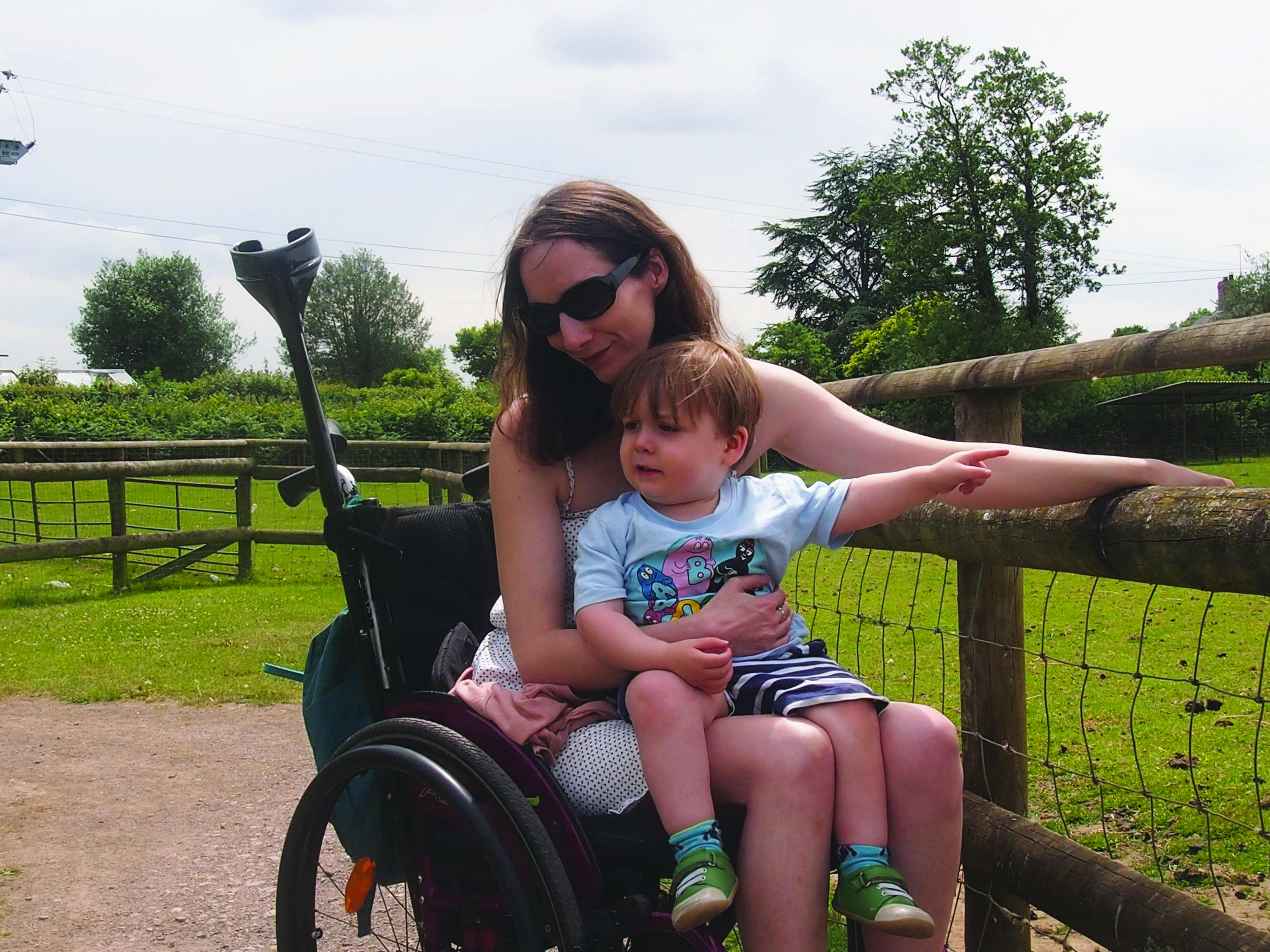
{credit}Seralynne Vann{/credit}

{credit} Yaskii {/credit}
1. Work–life balance: Lab life with kids
Time management and organisation is essential to keep your lab life ticking over and your home life running smoothly. But it can be done. As Jens Schuster, a molecular biologist at Uppsala University, Sweden, says, “cells don’t care if you come in at midnight or noon to take care of them.”