Machine learning gets a journal for interactive figures

Screen Shot 2018-04-13 at 11.31.07 AM

Distill wants to be a sandbox for what a scientific paper can be

By Anna Nowogrodzki

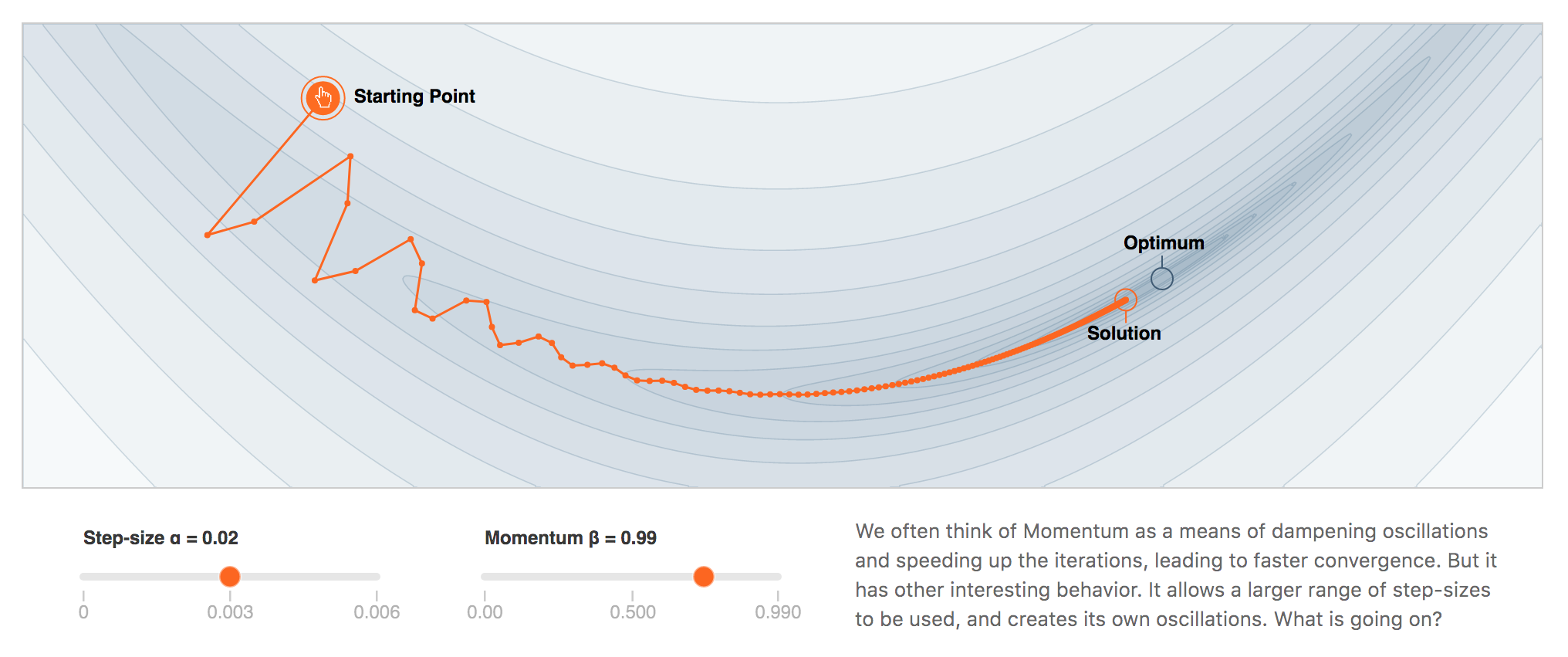
Sometimes it’s hard to understand someone else’s research through a static scientific paper. Across countless universities and companies, at whiteboards and cafeteria tables, you’ll find scientists in animated conversations explaining their research to one another, asking questions, playing around with each other’s data: in short, interacting. Across the internet in recent years, people have extended these explanations to include interactive graphics and code.

Now a web-only machine-learning journal called Distill aims to provide a formal home for these interactive graphical explanations, which in recent years have expanded to blogs and other online fora.

Continue reading

Let’s talk about #SciComm

Science communication is a young field with many voices and few guidelines. Let’s find a way to combine our voices in order to protect the integrity of research endeavors, says Judith Reichel.

There are plenty of reasons to become active in the field of science communication, and for many early career researchers (ECRs) still exploring research, it’s a great way to find their niche and voice their opinions.

Yet, like many of its participants, the field of science communication itself is fairly young, and is constantly evolving from its original aim — to translate scientific findings to the public, in order to raise awareness and funding for the grand scientific endeavor. When 3000 new academic papers are published every day, it‘s impossible for any single scientist to keep track of every development.

GettyImages-550382899-smaller

Science communication is practiced by a range of journalists, editors, freelance writers and free-time writers, yet the aim remains the same: to communicate important findings in quick soundbites that provide enough information for scientists but are still digestible to the general public. Continue reading