Data sharing will reduce the experiments needed in the lab and will increase the speed of knowledge generation by decreasing the time spent on the generation of equivalent datasets.
Guest contributor Ana Sofia Figueiredo
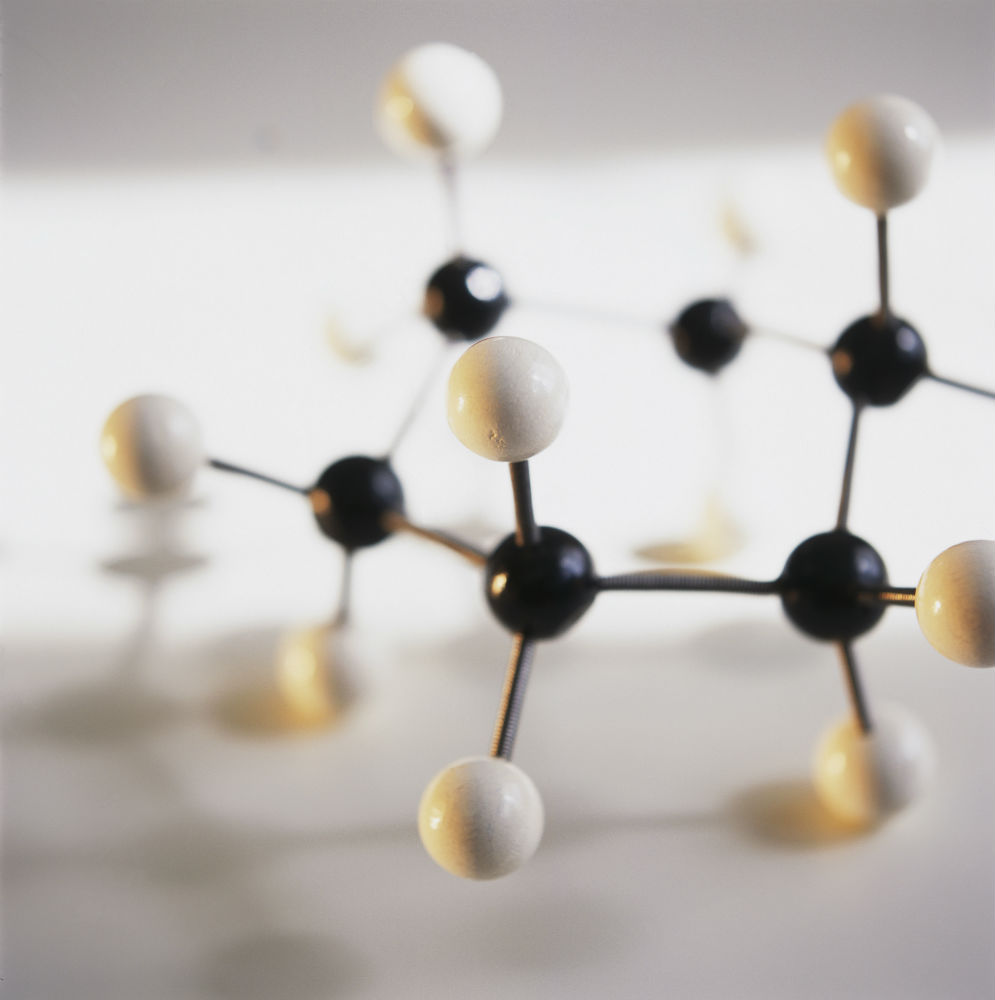 I’m a postdoctoral scientist in systems biology at the University of Magdeburg, Germany. There, I build mathematical models to understand the mechanisms behind certain biological processes, such as the process of energy production by cells under extreme conditions. These mathematical models are representations of reality and some of them can be useful, although all of them are wrong. When well parameterized with data, these models give a quantitative representation and better understanding of such biological processes. Using a systems biology approach, I can do experiments in silico that are very difficult or technically impossible to do in vitro or in vivo. However, a model is only as good as the data it incorporates.
When I have access to publicly available experimental datasets, I can plug the data into my models and, from the synergy of combining mathematical models with experimental data, learn more about the biological system I have at hands.
Sharing data, models and experimental protocols can push forward the generation of knowledge in science. Continue reading