You’re a designer — act like one

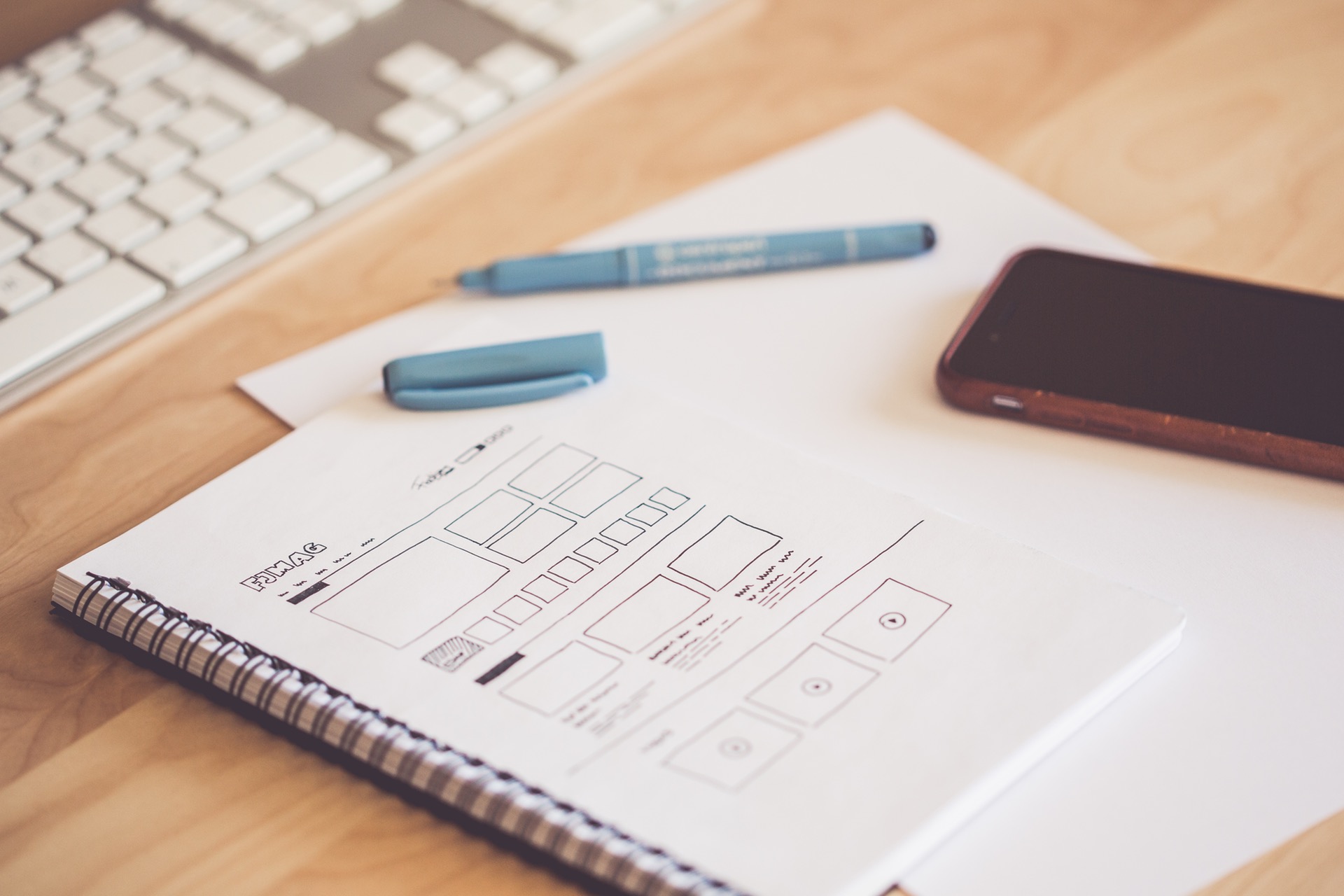
To communicate effectively, scientists have to start thinking like designers: know your audience, follow the rules of human perception, and tell your story in many layers.

Naturejobs journalism competition winner Lev Tankelevitch

This past August, I visited the Naturejobs career expo in London. As I chatted with exhibitors, I was ready to decline the typical set of leaflets they give away at these things. To my surprise, I was given a USB stick loaded with all of the information that I’d otherwise be carrying home in a canvas bag. This small but much appreciated gesture highlighted for me the significance of effective communication.

pexels-photo-196646 Continue reading

I need space to breathe, to create

Creativity – probably the best PI skill in the world, says John Tregoning

What is the most important skill to become a PI? An eye for numbers, an ability to perform repetitive tasks accurately, optimism in the face of relentless failure, the ability to play nicely with others, sheer bloody mindedness, self-belief? All of these skills will strap you into the driving seat but once there, you’ll need to press the pedals yourselves. The most vital skill is creativity; the ability to see new connections — linking old data in new ways and using what we do know to interpret what we don’t.

Continue reading

Need inspiration? Go find a gallery — or pick up a paintbrush.

What inspires you? How do you come up with the innovative surge necessary to write a grant, complete a paper, apply for a fellowship or reframe a hypothesis?

Many researchers find inspiration in wandering through artistic creations, whether they’re viewing paintings, drawings, sculpture or performance art, reading, listening to live or recorded music or creating art of any genre themselves.combat-1300519_960_720

There’s little surprise here – studies have shown that experiencing art, whether as a viewer or producer, helps to stimulate creativity. And people are beginning to take note: art-science collaborations are gaining traction as researchers explore how working with artists can stoke their productivity, give them new perspective or a more creative outlook and bolster their communication and outreach skills.

Continue reading