
The journeys of two professors show how to survive and thrive in the different academic systems of the US and China.
Guest contributors Zhiyong Jason Ren and Defeng Xing
Once upon a time, we worked in the same lab. Ten years later, we both lead big research labs – in Boulder, USA, and Harbin, China. We have similar backgrounds and research interests, but our journeys were very different. After reading Turning Point: Chinese Science in Transition and Nature’s How to build a better Ph.D, we want to share our stories with young researchers in the hope it might help them navigate their own science adventure.
How did we start?
It was 2006 when we first met at Penn State and became lab mates and close friends. When it became time to decide on a career path, Ren chose to become an assistant professor in the U.S., while Xing returned to his Alma Mater in China. In an “ever-lasting” U.S. tenure track system, Ren was handed a well-structured guideline for new principal investigators (PIs), while Xing got a pile of applications on his desk, so he could recruit from various young talent programs.
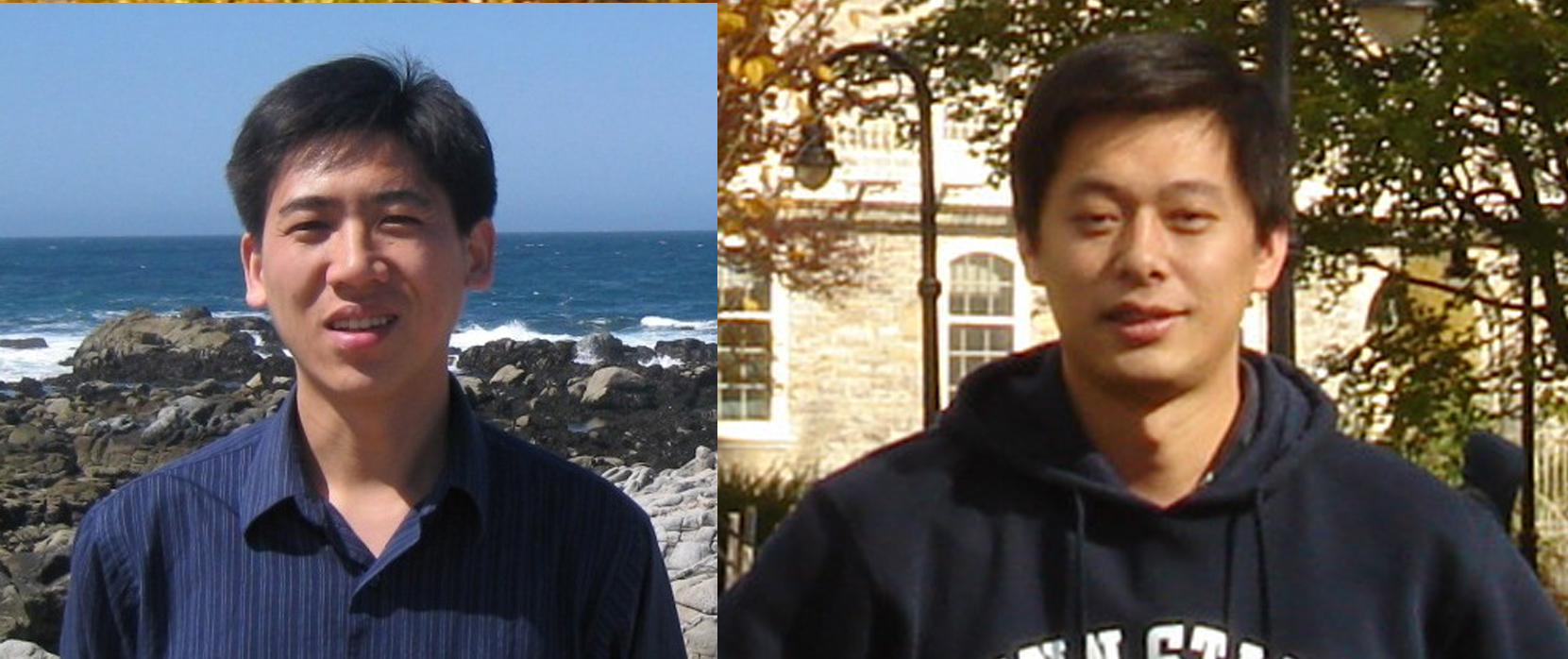
Ren (L) and Xing (R) in 2006
For Ren, winning the position meant he started the job as decision-making group leader, though he didn’t receive much training. For Xing, it meant joining a big group with an established platform and shifting gradually from a team player to team lead. Continue reading