Looking for a lab to do your PhD? – If I had known, part I
1

The meandering path to a career in science offers challenges that can be difficult to confront alone. Finding an effective mentor who offers advice and inspiration can help you navigate the maze successfully, say Andrew Gaudet and Laura Fonken.
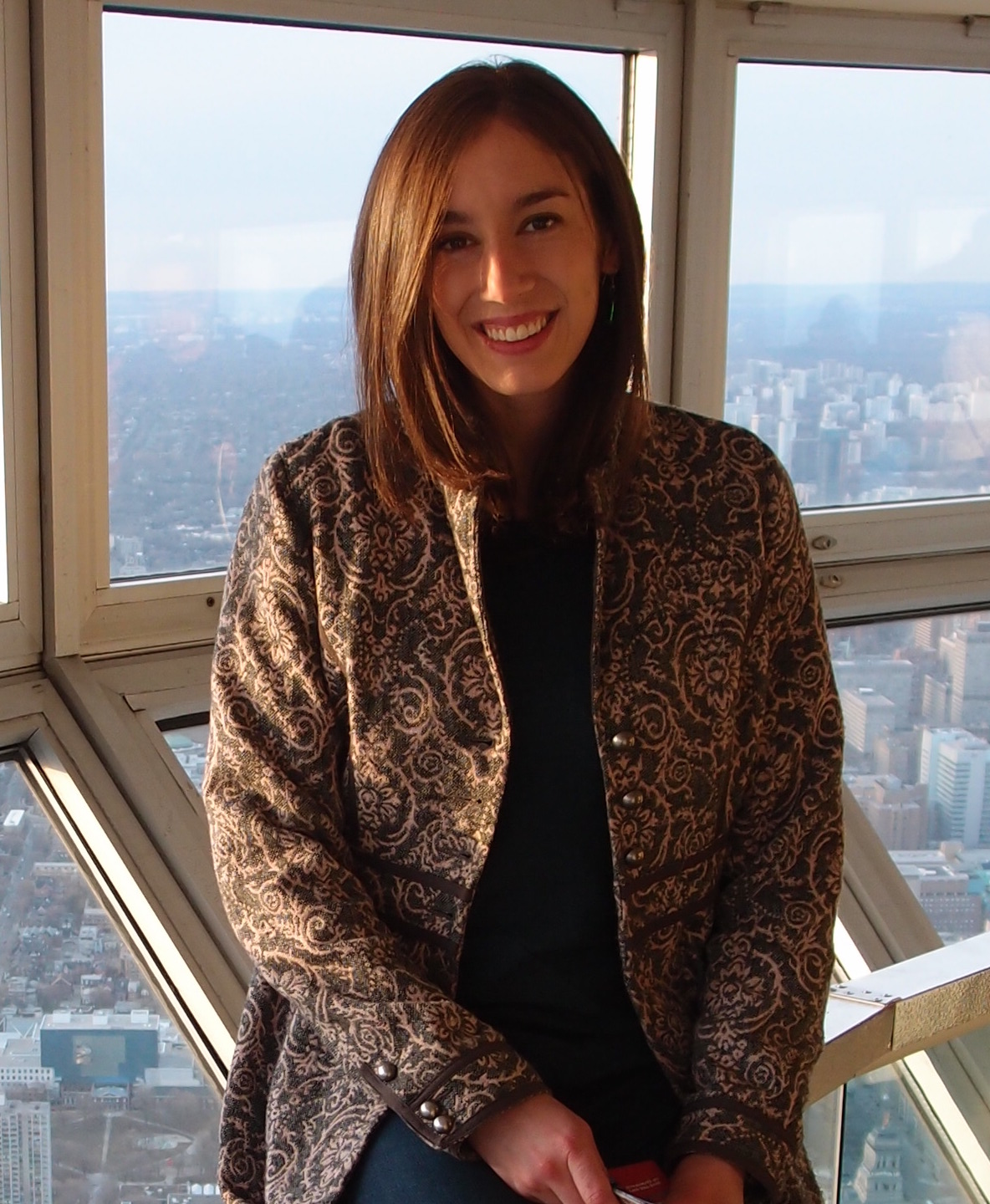
Laura Fonken
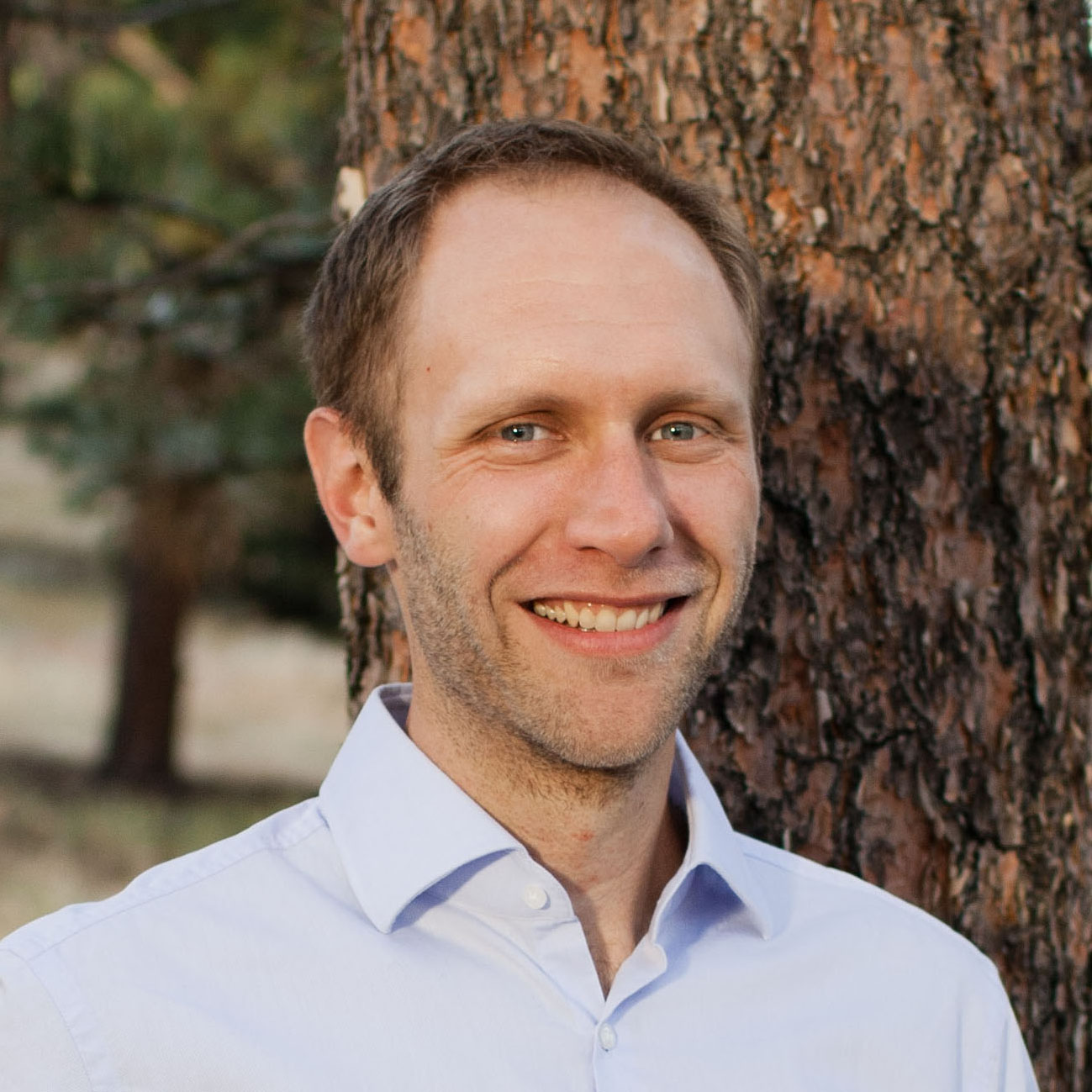
Andrew Gaudet
The ‘Away from home‘ blogging series features Indian postdocs working in foreign labs recounting their experience of working there, the triumphs and challenges, the cultural differences and what they miss about India. They also offer useful tips for their Indian postdocs headed abroad. You can join in the online conversation using the #postdochat hashtag.
Today, we have environment scientist Ram Avtar, an alumnus of Jawaharlal Nehru University (JNU), New Delhi and a postdoc from the Japan Agency for Marine-Earth Science and Technology (JAMSTEC). He tells us about his transition from a postdoc to a research associate with the United Nations University in Tokyo, an organisation with a global outlook and ample scope to forge meaningful collaborations — not just in one’s professional life but also in the personal life.
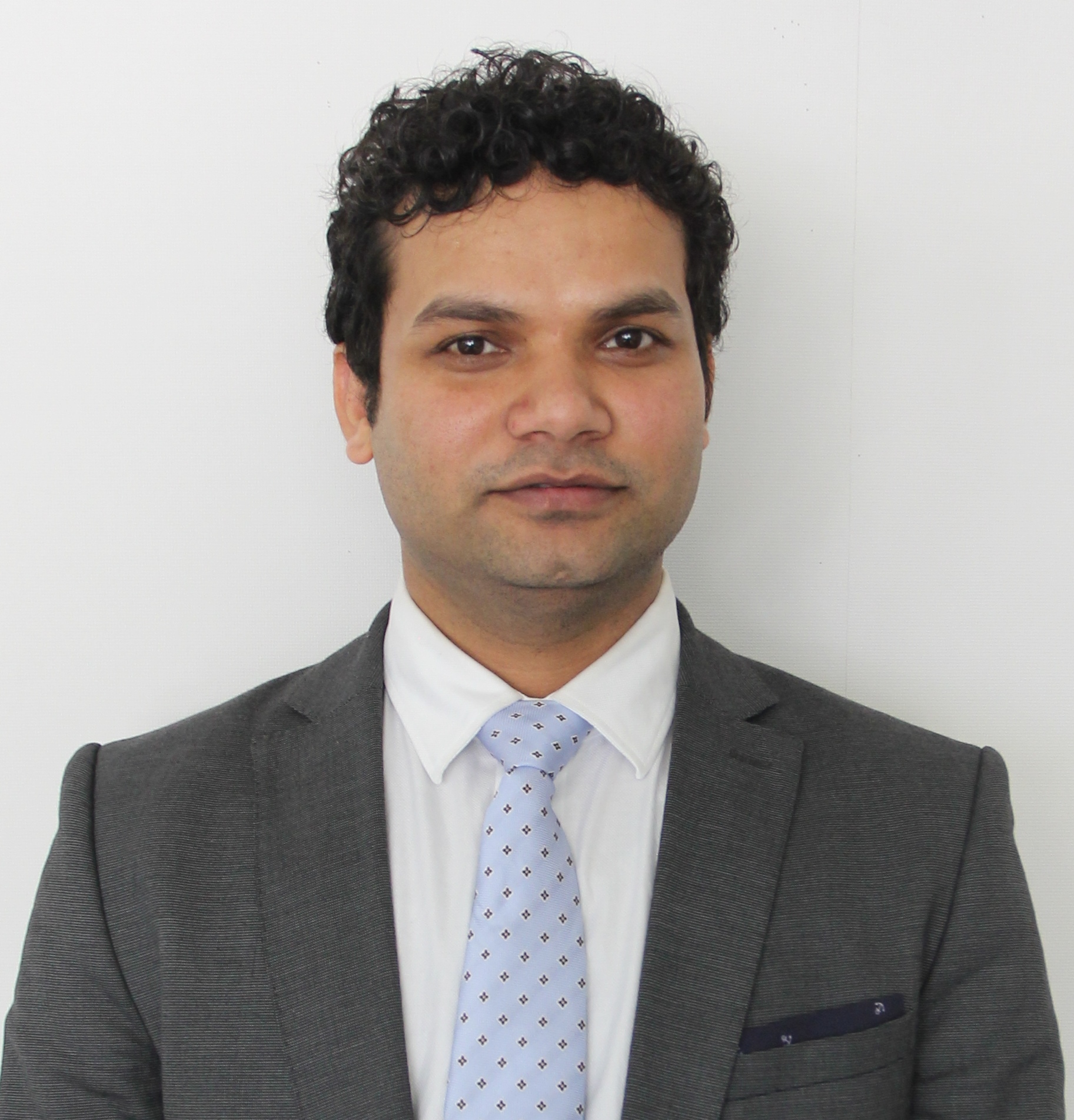
Ram Avtar
For the past four years I’ve been working in science communication (SciComm), and academia. I’m now mid-way through my PhD — I’m studying on Alzheimer’s disease and I know I would be finding research a lot tougher if I were not involved with science communication.
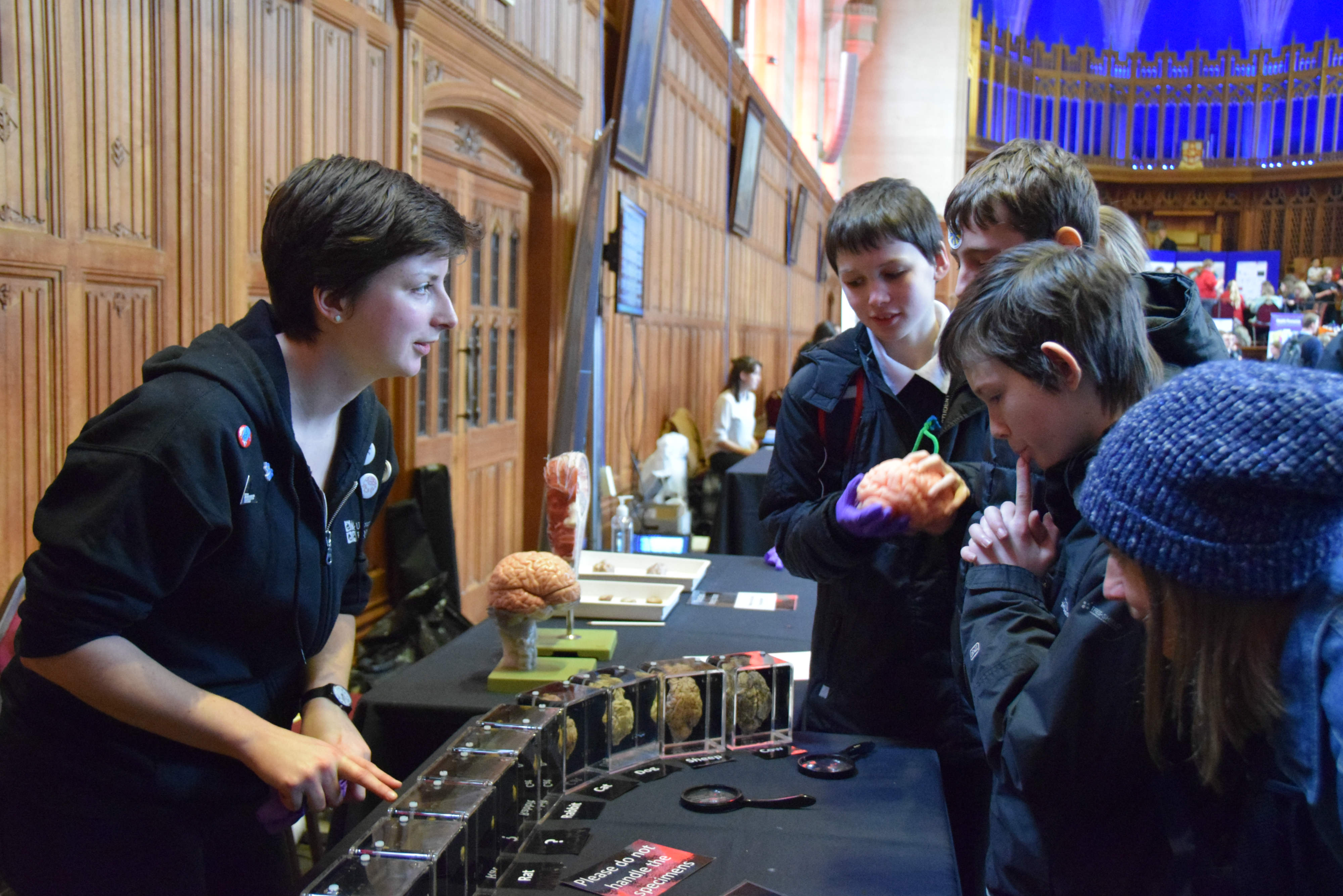
Rachel Harris doing some SciComm at Bristol Neuroscience Festival this year
A long time ago in a land galaxy far far away, there was a great gathering where those weary of the well-trodden trail of tenureships and grants repaired themselves. The gathering in question was the Naturejobs career expo, a free one-day event organized for students and scientists alike. Featuring some truly inspiring speakers, it gave a much-needed boost to my hope for a career in science that can be both emotionally and financially (yes, $$$) satisfying.

After completing a PhD and postdoc in experimental neuroscience labs, Sabine Blankenship had no desire to run her own lab. Here she describes how her passion to study abroad led her from experiments that had become frustrating to outreach she finds invigorating. She now works in the German Consulate General in San Francisco, where she helps set up international research collaborations and keep the German government abreast of US advances, particularly in renewable energy and regenerative medicine.
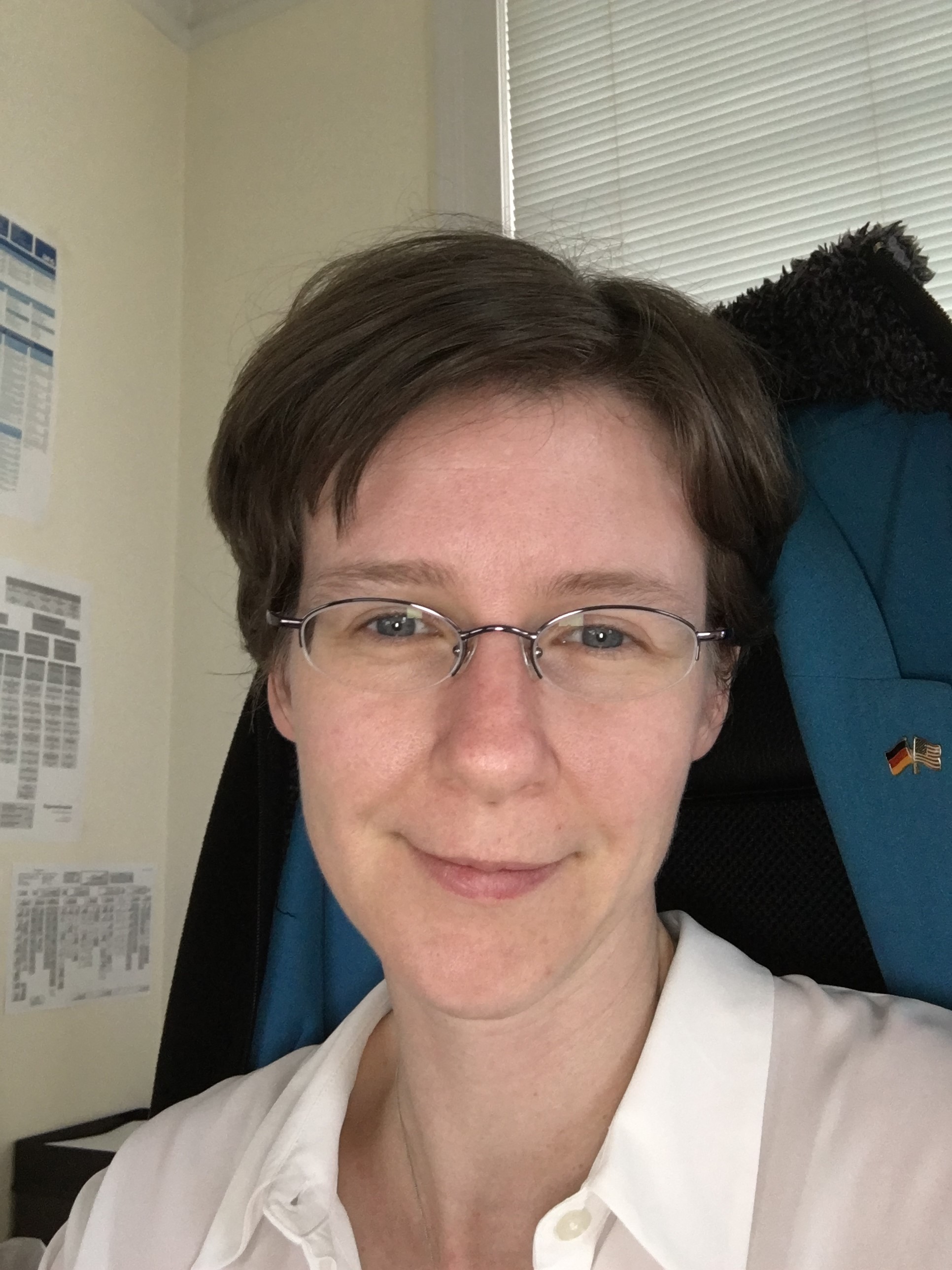
It’s part of the German foreign service. My job title is scientific liaison; we are installed in scientifically important cities like Washington DC and Boston. We’re the first point of call for setting agendas for visiting VIPs, maintaining networks, and fostering collaborations across industry and academia in the two countries.
Guest contributor Aliyah Weinstein
Sometimes, a career change into a new environment is just the thing you need to refresh your love for science. But how can an academically-trained scientist make this transition?
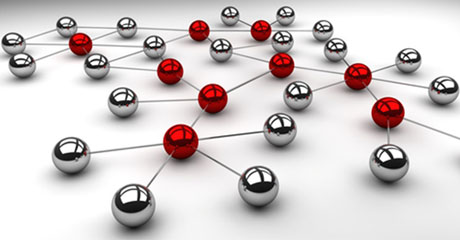
{credit}CC-BY-SA Atos/Flickr{/credit}
Don’t forget that you need to nurture your online persona – the summation and entirety of every bit of online information about you or that involves you, both written and visual. Someone may well have already posted some of this. But you can still shape and guide a great deal of the accessible online information about you — and the image that this information creates — by actively managing the content over which you have some control.
This is especially true if you’re looking for a job. It’s safe to assume that potential employers will look you up online and so you need to have control over the information presented about you.
LinkedIn is still one of the most highly used sites for finding out about jobs through your virtual network – and occasionally getting one. You’ll need to make your profile look good — and you’ll need to find a way to stand out from the rest of the pack.
If you’re not seeking employment, though, social media is still a hugely powerful and useful tool. It can help you reach networks of like-minded scientists, build research collaborations and even make friends
Lots of your colleagues find particular sites to be key venues when they want to engage in collaborative discussion, peer-review papers, share negative results that might never otherwise be published, and even upload raw data sets
And through these sites, you can build a powerful virtual network that will yield opportunities, information and advice. Here’s to the click!
Researchers rely heavily on networking at conferences and seminars and make little use of personal introductions, online social networking or proactive self-promotion, according to a report published by UK researcher development organisation Vitae.
Vitae surveyed almost 500 researchers at eight UK universities and found that less than a fifth regularly use online social networking to develop existing work contacts or make new ones. Only 14 percent feel comfortable asking someone they know to introduce them to an important person in their field, and 85 percent rarely send copies of their work to these prominent individuals.
Overall, researchers’ networks show several characteristics of a ‘good’ network as recognised by career theory, such as a large number of work-related contacts spread across a wide geographical area. However, the people researchers know through their work also tend to know each other, which can limit the effectiveness of the network.
“The picture was of networking within a fairly limited set of contacts, with few attempts to become more visible to many of the people with power in the respondent’s field,” said the report.
A recent post on the Guardian Careers blog also highlights the importance of having a diverse network that includes weaker ties as well as close contacts, explaining that acquaintances who hail from a different social circle or industry niche are more likely to have “unique network intelligence” about available job opportunities.
“Working out strategies to connect personally with key people would help researchers manage their profile within their research field, but may also prove useful in applications for roles outside higher education,” says Vitae director Ellen Pearce. “Good networking is about being purposeful as well as widening your contacts.”
Related articles
Useful resources