Walking the walk: how the scientific community is embracing open data

Open data is the new normal, says Anastasia Greenberg.

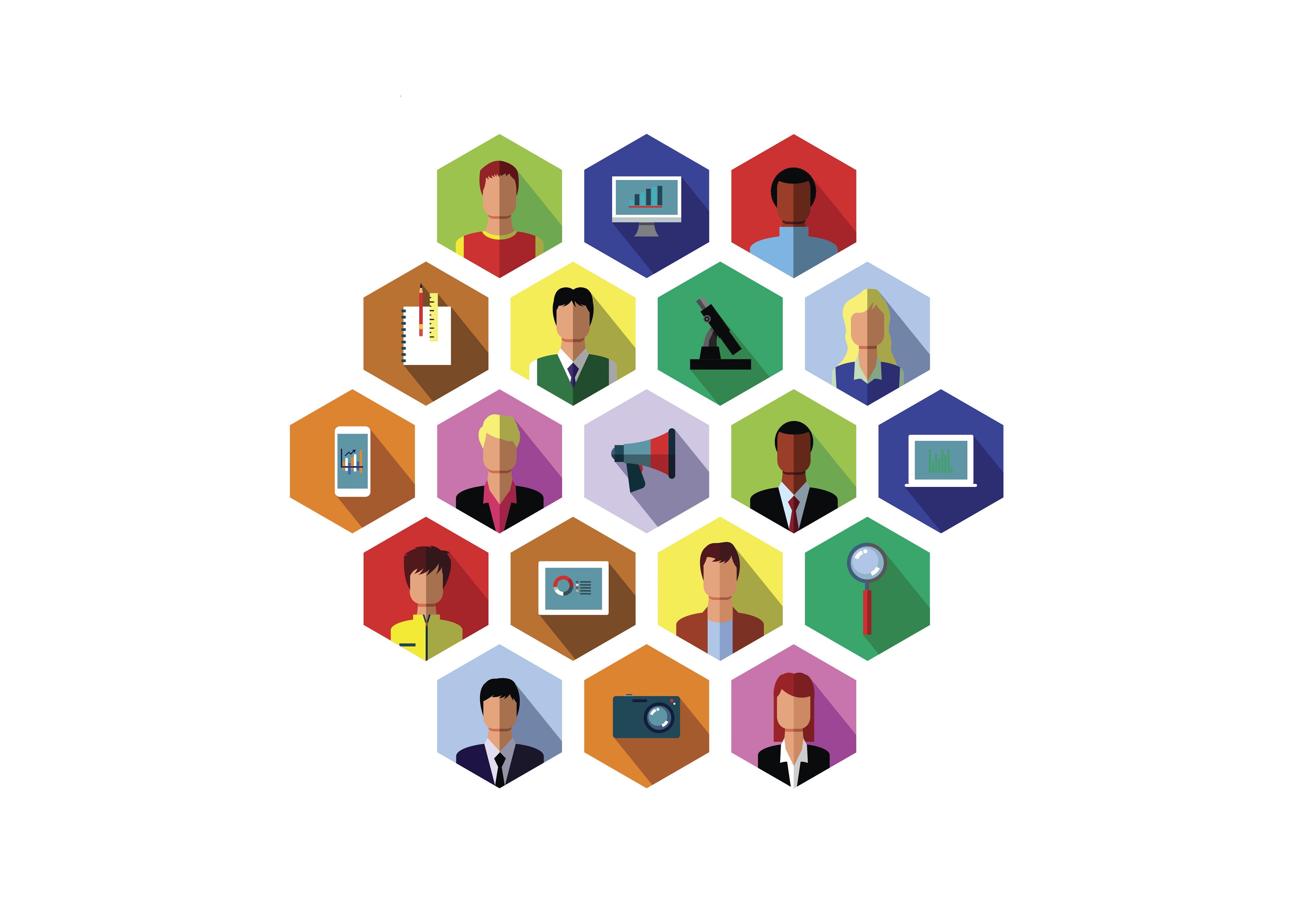
Lots of people connected in hexagon pattern sharing data

The 2017 Better Science through Better Data event in London, UK, hosted by Springer Nature and Wellcome, was a full day exposé of emerging open data practices, tools, strategies, and policies. Among the potential benefits of open data are replicability, reproducibility, and reusability. While open data is a relatively new hype, some evidence suggests that open data does indeed increase reproducibility.

Continue reading

Remapping the scientific landscape: moving from a closed to open science world

Science is changing – and we will change with it, says Anastasia Greenberg

Better Science through Better Data writing competition winner Anastasia Greenberg

“Information is power. But like all power, there are those who want to keep it for themselves.” Those were the words of Aaron Swartz, a young programming prodigy and the creator of Reddit, in his Guerilla Open Access Manifesto. In 2011, Swartz wrote some code that systematically downloaded millions of academic papers from the JSTOR database onto his computer, which was hidden in a basement closet at the Massachusetts Institute of Technology (MIT). This act of hacktivism resulted in felony charges, with potential for decades of jail time. Swartz hanged himself in 2013.

To some, Swartz’s story embodies the open-science movement, but it is far from clear what his motives for downloading JSOR’s database were, and which, if any, segments of the open science movement Swartz identified with. Continue reading

Scientific publishing and a digital future

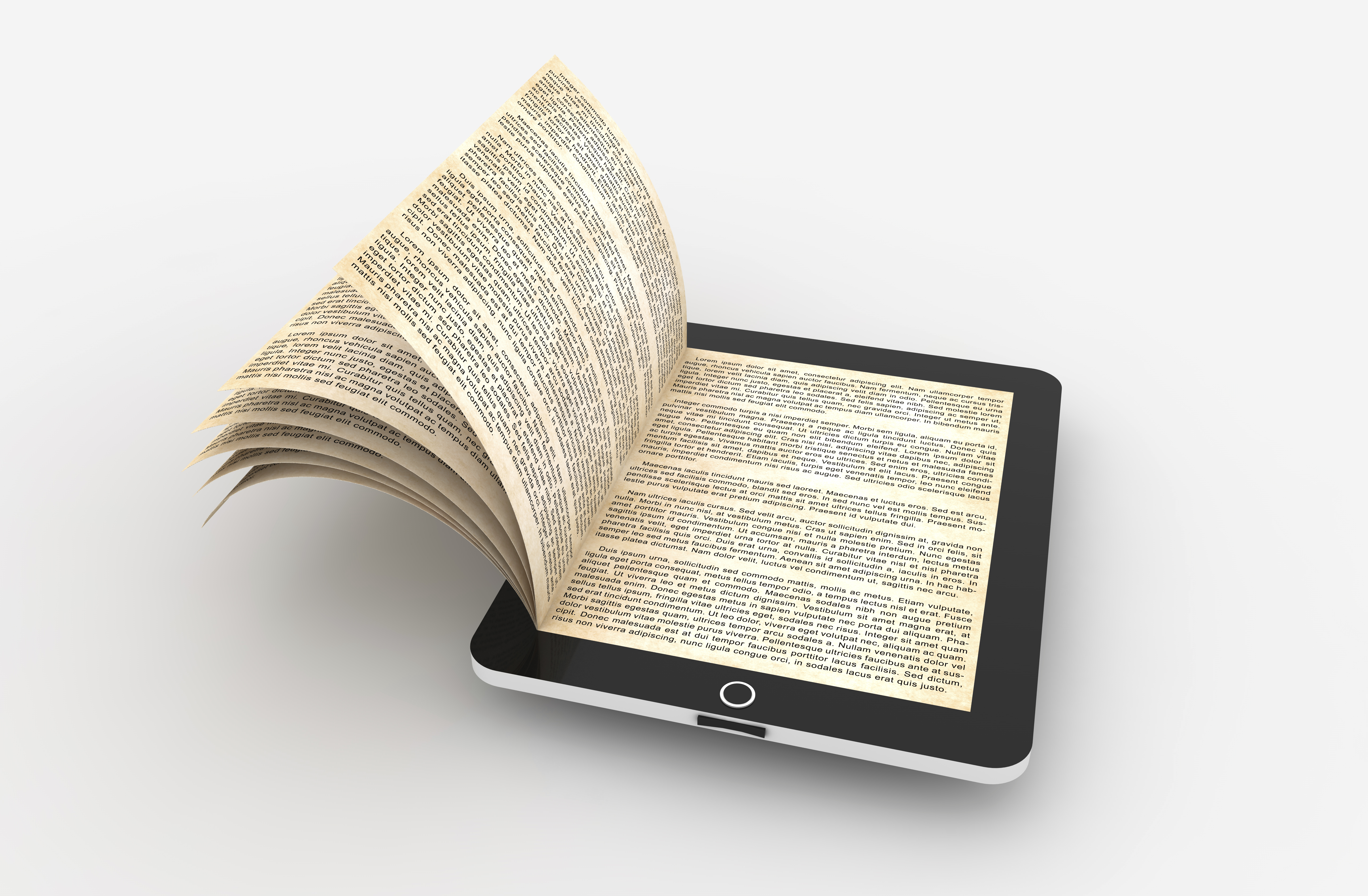
e-readers and e-publication

{credit}iStock/Thinkstock{/credit}

What do you think will be the future of scientific publishing?

To match this month’s Windback Wednesday series on publishing, Julie Gould speaks to Euan Adie, director at Altmetric, and Alex Hodgson, head of marketing at ReadCube in this podcast about scientific publishing and a digital future.

Technology is changing fast, and it is having an effect on the way you can access, discover and share scientific publications. Euan, Alex and I discuss how we predict these three things will be changing.

Alex Hodgson makes a good point that we can look at the changes in how scientific papers are discovered and read. It used to be all about the printed word – it was easy, flexible and simple to manage. Now things are read online via databases. “If you stop to think about that, I mean, that’s a really big shift from more of a journal focus to more of a specific article focus.” And in order to read these papers, tools have become available that let scientists to “sift through the noise so that you’re not missing an important paper.”

Continue reading

Windback Wednesdays: Publishing

Getting your work published is a major milestone for any academic. So what are the best ways to go about it?

windbackweds

{credit}Naturejobs{/credit}

In this Windback Wednesdays series Naturejobs is exploring the world of academic publishing. It’s a competitive market, with scientist young and old continuously under pressure to get their work into the best academic journals. Whether or not this will continue to be the case remains an open discussion, but in the mean time, we’ve got some archived content filled with hints and tips on how to get your work noticed.

Continue reading