A week in the life of a tenured professor

A Chinese scientist considers the new responsibilities that come with his role

This piece was cross posted with Nature Asia. You can read the Chinese version here.

Guest contributor Chenggang Yan

I’ve spent ten years of my life in research. In those ten years, I’ve never been completely overwhelmed until I accepted a professorship at Hangzhou Dianzi University. Just like many other young scholars, I’m working hard to win a good reputation with my research. I went into science because – like many others – I wanted to do meaningful work, lead a new era, and benefit humanity in some way. But recently I’m finding that’s just not what I spend my time doing.
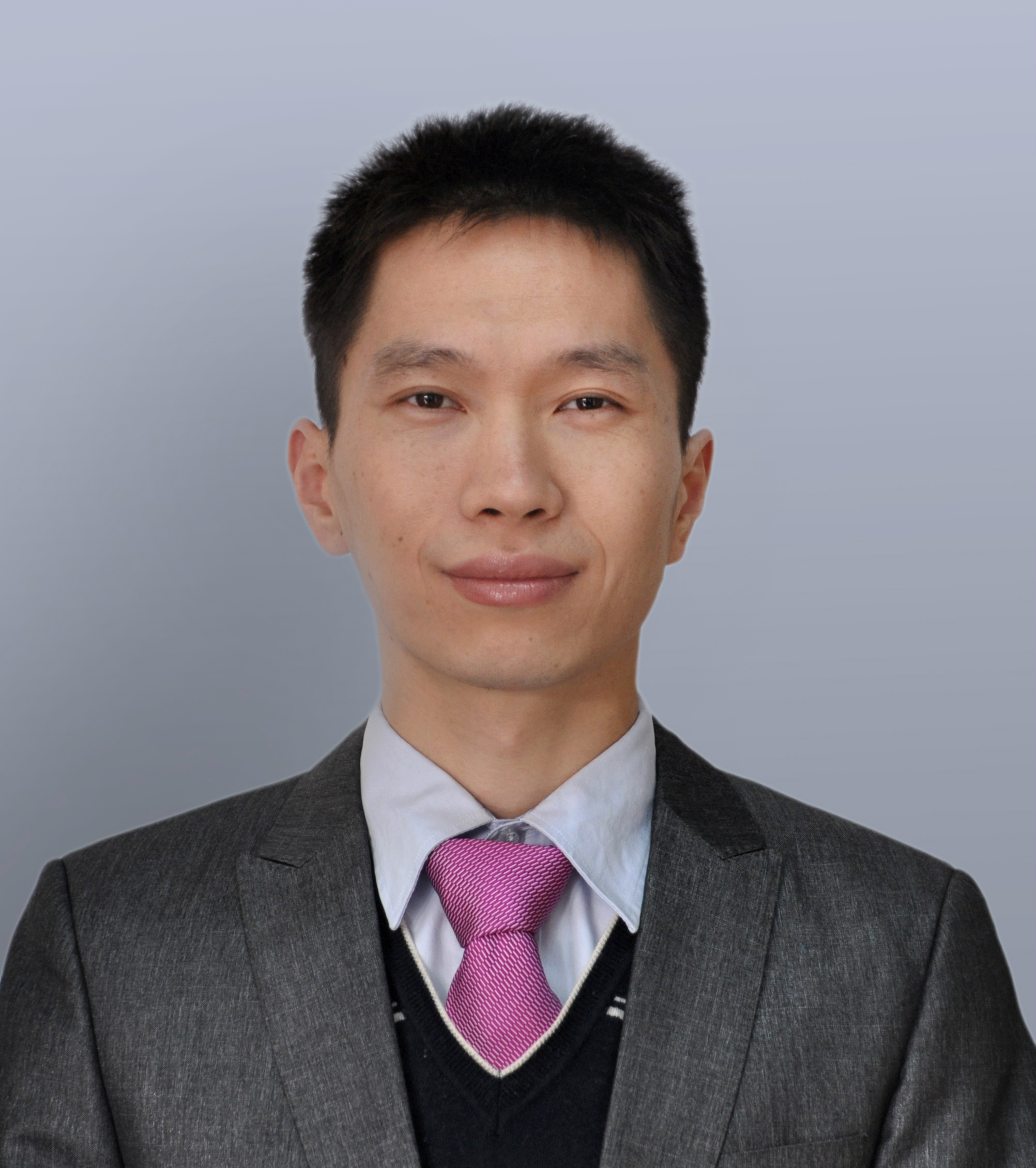
DSC_0001 op1-smaller

{credit}Chenggang Yan{/credit}

Continue reading

Six posts to help with mental health

We run through some of our favourites for Mental Health Awareness Week

{credit}iStock/Thinkstock{/credit}

Continue reading

Most read on Naturejobs: May 2015

Building reputations, relocation, adjunct teaching and more have been the topics of choice in May 2015.

naturejobs-readsThis month the Naturejobs team have been working hard on the Boston Naturejobs Career Expo, which happened last week. It was a long, but great day and we want to thank everyone who got involved: Speakers, delegates, exhibitors, sponsors. THANK YOU!

For those that missed it, there will be reports on the event coming out on the Naturejobs blog next week, starting with a summary of the keynote speech by Professor Robert Langer on Monday June 1st.

But now I want to concentrate on May, and here’s a list of your Top Ten reads from Nature Careers and the Naturejobs blog:

1. To get respect in a field, scientists need to consider not just their work, but also their interactions with others, says Chris Woolston in Recognition: Build a reputation on Nature Careers.

2. Contract teaching positions are becoming the norm for many aspiring professors. Know how to make the best out of them, says Kendall Powell in Adjunct teaching: For the love of lecture on Nature Careers.

3. The postdoc series: Help for lost postdocs shows how self-reflection can help young researchers analyze their skills and plan for their futures. Continue reading

Online education: The role of reputation

Contributor Charles Choi

As well as convenience, credit and cost, reputation can also influence a student’s choice of online science courses and programmes. Monica Mogilewsky particularly liked the University of London “because it had the oldest distance learning programme in the world, so they seemed like a good choice because I figured they had got the kinks worked out of distance learning. Also, I found out later that Nelson Mandela graduated from the University of London Distance Learning Programme, so I was in good company.”

“The reputation of the institution offering an online course is paramount,” says Chip Paucek, CEO of educational technology company 2U in New York. “It’s why students attend a school – it’s why we partner with top-tier colleges and universities to help create online degree programs for students. What’s important is getting a degree from a great school, regardless of whether you attended online or not.” Continue reading