Changes to the U.S. tax code will harm graduate student mobility and career prospects

Increased financial burden for students will harm science in the long run, says Aliyah Weinstein.

piggybank

A recent editorial in Nature described the harm that newly proposed changes to the United States tax code will have on graduate student finances. If passed, these regulations — ostensibly designed to simplify tax calculations — will eliminate benefits previously given to students. Of particular harm to graduate students and the scientific world would be the elimination of the tax-free status of tuition waivers.


Continue reading

Joining a new college: prepare your superpowers

Empower yourself with a creative mindset and start-up skills to adapt in a new college, says Nadia Al-Banna.

running a Growth

Congratulations on your faculty position at a newly established college! You think you know what the job entails: teaching, research, and some administrative service. As you read job advice, you wonder why so many pieces include the phrase “survival tips.” “Surviving” was your most-commonly-used word during your PhD and postdoc. Surely, there‘s no more surviving to be had in a brand new college?

Continue reading

TechBlog: New tools track article buzz online

tumblr_nnzhi8XJhW1uv17mmo1_1280“How’s my paper doing?” It’s such a simple question, and in today’s hyperconnected world it’s relatively easy to work out who’s reading and talking about your scientific publications. But are there conversations you might be overlooking?

Continue reading

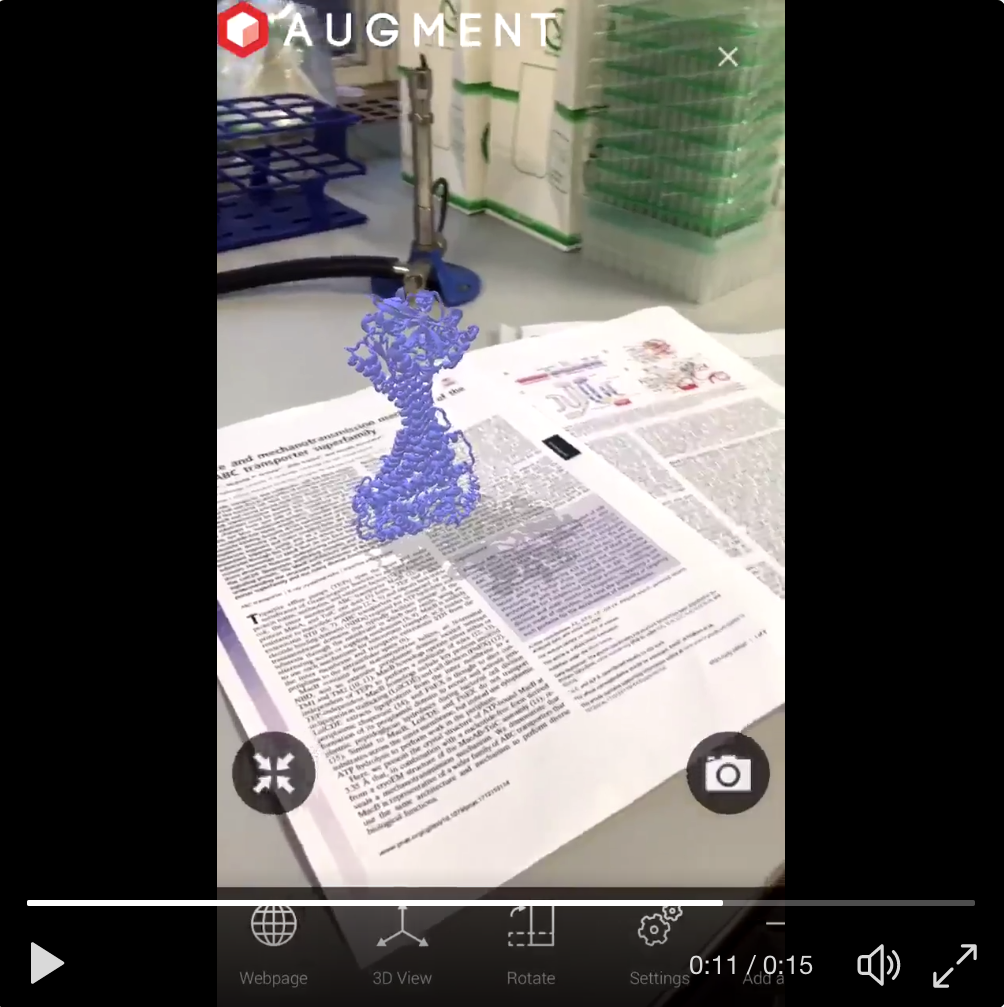
TechBlog: Augmented reality makes protein structures appear

Augment screen shot

{credit}Allister Crow/Twitter{/credit}

Update (9 Dec 2017): Allister Crow has updated his instructions to produce colored AR structures; they are available here

Scientific publications represent years of work. It’d be nice if somebody read them.

That’s the problem Allister Crow faced as his postdoctoral work was published in early November.

Crow, a structural biologist at the University of Cambridge, UK, was part of a team, led by Vassilis Koronakis, that solved the structure of a bacterial protein called MacB, a pump protein that is involved in antibiotic resistance and toxin secretion. The paper went online November 6 in the Proceedings of the National Academy of Sciences. But how to get people — and especially those outside his immediate field — to notice?

Continue reading