
Podcast: Stars of the yeast

breadandwine


If you’re not loving what you do, try something new. That’s the message both from Ricardo Wilches and Eyal Schwartz. The two researchers swapped academia for careers that combine their love of science with their love of bread (in Eyal’s case) and wine (for Ricardo).

Schwartz was undertaking a neuroscience PhD in Israel when he moved his family to London and started work at an artisan bakery in east London.

And Wilches was a postdoc at the Max Planck Society in Tübingen, Germany when he decided to return to his native Colombia to co-found a vinticulture company that imports and promotes wine.

Moving south from Colombia to Chile, Naturejobs editor Jack Leeming talks to Aleszu Bajak about his recent article on the South American country. Chile is the jewel in the crown for astronomers around the world. Why are other scientists working in Chile envious of their success?


Other podcasts

A fresh start

Family life, career life: making it work
Meaningful mentoring


Sports science: An athlete-researcher’s experience

NATURE_SPORT_400-smaller

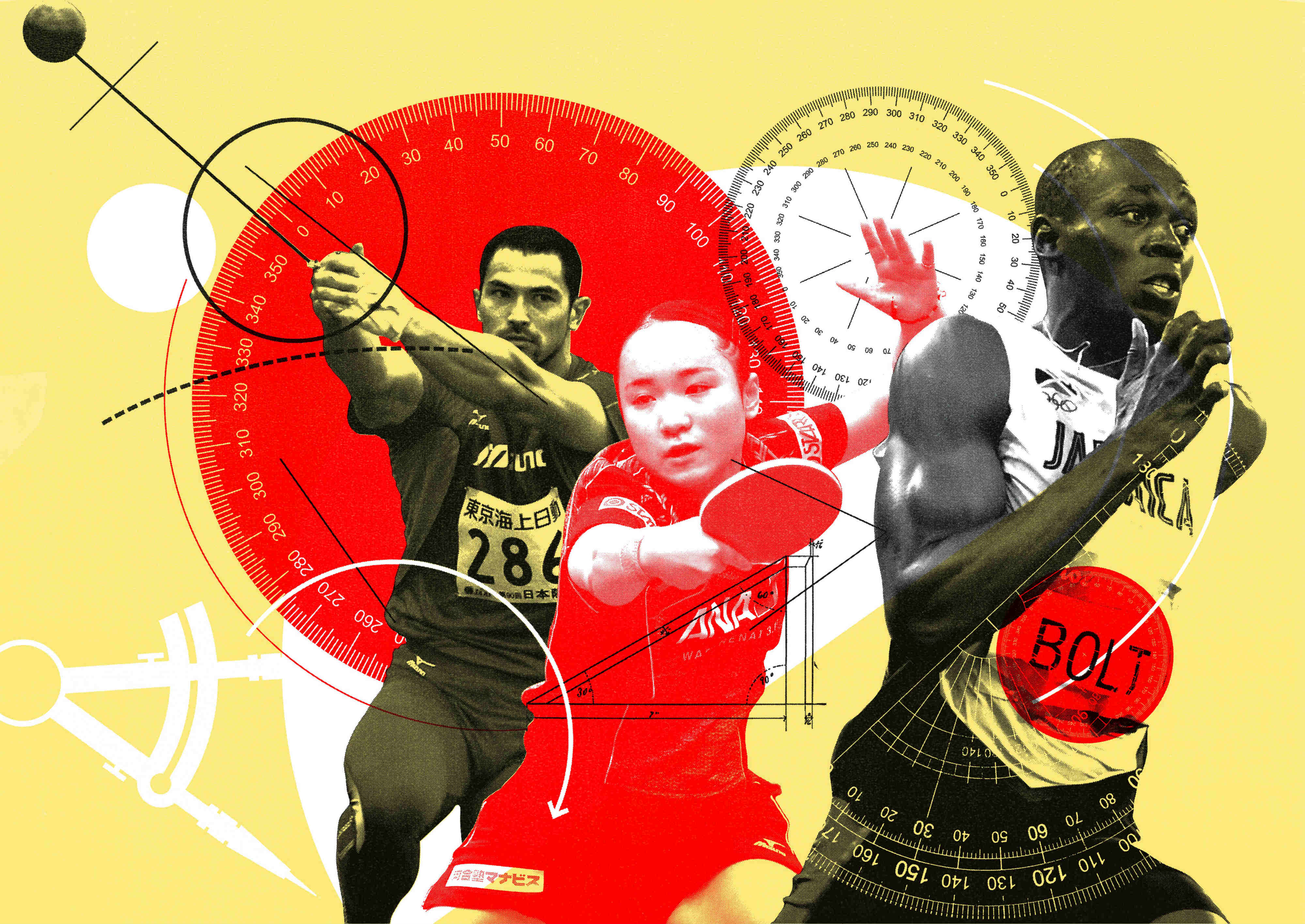
Koji Murofushi’s career has been a mix of tradition and innovation in sports science. He shares his thoughts on a new training approach.

By Tim Hornyak

Sports science is the study of the body as a performance machine. Its specialties span biomechanics and psychology, and demand for its experts is growing. Whether it’s helping everyday people with their physical wellbeing or training elite athletes to react faster endure longer or jump farther, sports scientists and performance consultants are playing an increasingly important role in exercise and competition.

Evidence of growing demand for sports science mavens can be seen everywhere from new university programmes such as the University of Michigan’s Exercise & Sport Science Initiative, launched in 2016, to mass media events. In one example of the latter, before Irish mixed martial artist Conor McGregor went up against boxing champion Floyd Mayweather in a much-hyped showdown in August, he trained at the UFC Performance Institute, a $12 million facility that opened earlier this year in Las Vegas. McGregor used altitude chambers to improve aerobic capacity and ran on an underwater treadmill to build endurance. That may have helped him go more than nine rounds with Mayweather, the overwhelming favorite and eventual winner of the bought. Continue reading