Brinjal, interrupted

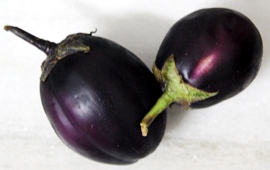
Fresh controversy surrounds India’s Bt Brinjal after six premier Indian science academies declared it safe and advocated its ‘limited release’ last week. Though they added a corollary that genetically modified crops pose a risk if the science behind them is flawed, that hasn’t done much to douse the rage of the anti-GM lobby in the country.

And most importantly India’s vocal environment minister Jairam Ramesh, who had sought the report from the academies in the first place. Ramesh has lost no time in rubbishing the report on grounds that it lacks ‘scientific rigour’. The report does not have a single citation or reference and there’s no way to know how the authors reached their conclusions, he has been quoted as saying.
nindia.2010.10-i1.jpg

Then came the plagiarism charges — the proverbial last nail. And added discredit when one of the co-authors National Academy of Medical Sciences distanced itself from the report. The academies have, thereafter, taken responsibility of the plagiarism charge and promised a re-examination of the report.

India’s first GM crop faced a roadblock prior to its launch last February on safety issues. And it doesn’t seem like the humble vegetable will have a smooth ride in the country sometime soon. The moratorium continues.
Bitter honey

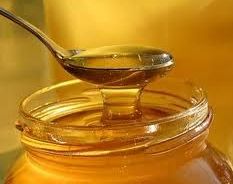
Now, even the humble honey has been declared as impure.

honey.jpg

After taking on colas and toys, New Delhi-based Centre for Science and Environment has now tested several popular Indian brands of honey to find that they are ‘contaminated with high levels of antibiotics’ fed to bees. Beekeepers use antibiotics to prevent diseases in honeybees, and as growth promoters.

In a release, the centre named at least five leading brands as having two to four antibiotics in their products, much above the stipulated standards. They also tested two brands from Australia and Switzerland and reported high levels of antibiotics in them. The Centre’s pollution monitoring laboratory found six antibiotics — oxytetracycline, chloramphenicol, ampicillin, erythromycin, eurofloxacin and ciprofloxacin — in ‘almost all brands sold in the market’.

Chronic exposure to antibiotics can lead to a variety of health problems such as blood-related disorders and liver injury. Add to it the challenge of large-scale antibiotic resistance.

The lack of standards for Indian food products has come to question again. According to CSE, though honey is currently regulated under three legislations — Prevention of Food Adulteration (PFA) Rules, 1955; Bureau of Indian Standards (BIS) and Honey Grading and Marking Rules, 2008 under the Agricultural Produce (Grading and Marking) Act, 1937 (AGMARK) — they only lay down standards for its composition and quality. There are no standards for antibiotics or other contaminants in honey.

Interestingly, in June 2010, the EU had banned Indian honey from entering any of its 27 member countries because the consignments were contaminated with antibiotics and heavy metals.

Commonwealth & wildlife

As New Delhi grapples with last minute preparations for the Commonwealth Games due this October, wildlife bodies are concerned that illegal trade in wildlife products might see a spurt as thousands of tourists arrive here to participate in and see the coveted games.

A friend sent me prototypes of brand new public service announcements that are part of TRAFFIC India’s campaign advising tourists to exercise caution while buying souvenirs from India. Here’s a collage of the bright and creative posters that have messages like: “FREE!!! A pair of handcuffs and up to seven years in jail with every ivory product” and “FREE!!! Up to seven years accommodation in a prison cell with the purchase of any item made of protected reptile skins”.

A release accompanying the posters says the campaign is targeted at domestic and foreign tourists. The posters send a clear message that it is not only the poachers and traders of endangered wildlife who are liable for punishment under India’s Wildlife (Protection) Act, 1972, but also those who purchase and use such items. Tourists inadvertently become a party to illegal trade in wildlife products.

The “Don’t Buy Trouble” campaign has been launched at vantage points — airports, hotels/resorts and other significant tourist hotspots.

The fear is not unfounded. Illegal wildlife trade has almost threatened the very survival of many species in India. TRAFFIC India lists some such products — mongoose hair, snakeskin, rhino horn, tiger and leopard claws, bones, skins, whiskers, elephant tusks, deer antlers, turtle shells, musk pods, bear bile, medicinal plants, timber and caged birds such as parakeets, mynas and munias.

The idea to reinvent the campaign, running since 2008, during the high tourist footfall period is well thought of. It will go a long way in ensuring the Commonwealth Games do not get a rap from the wild side, in the least.