
Flexibility is the only viable way to remain competitive as a scientist while still juggling a life, says Igor Zlobine.
Contributor Igor Zlobine
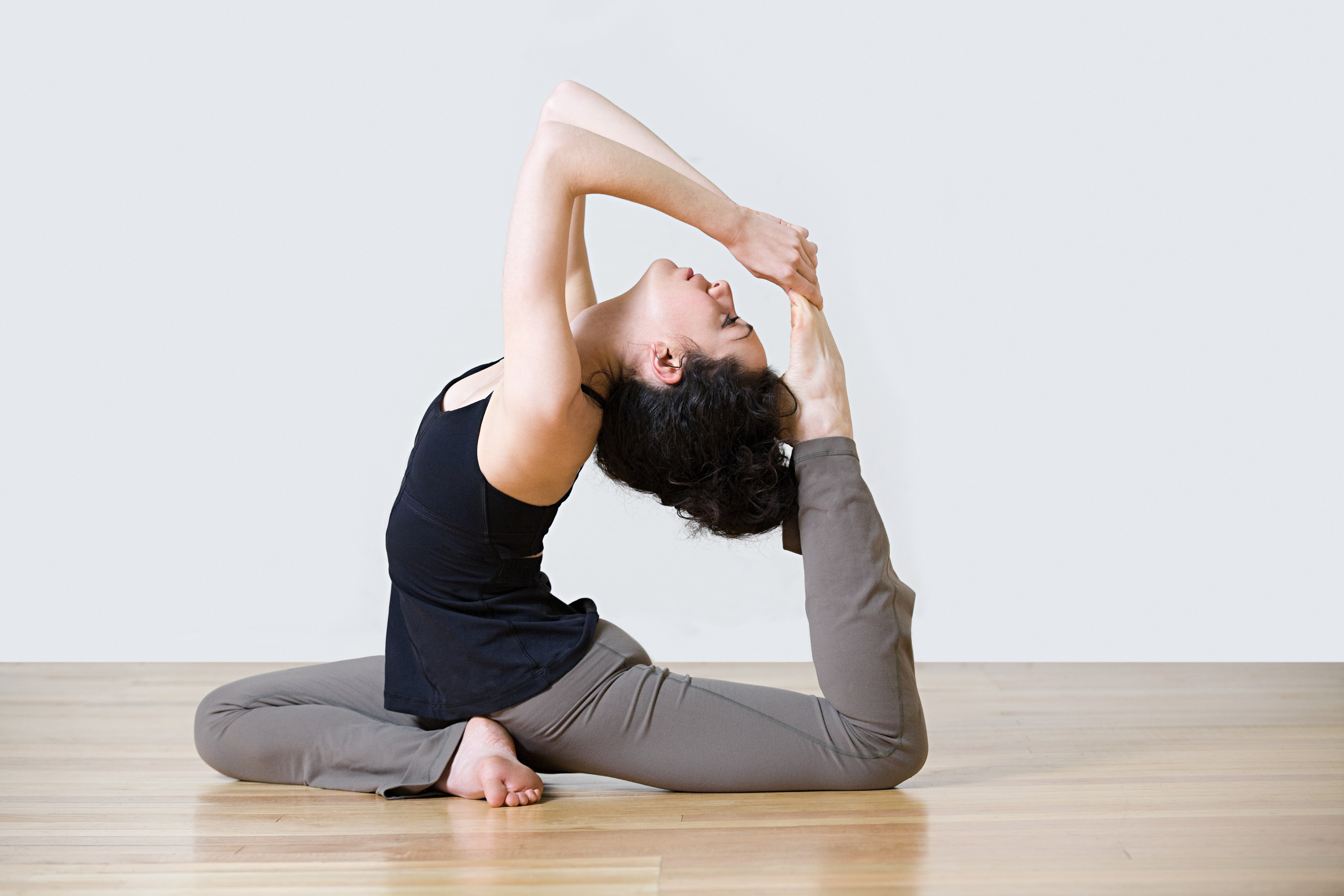
{credit}Image credit: Image Source/Alexander Porter C{/credit}
Are we living to work, or are we working to live? I’m not certain as to how many scientists have delved deep into their souls to ask this question, but I think it’s pertinent that we all do.
Work/life balance, that mystical unicorn, remains an elusive goal for undergraduates, graduates, post-docs and professors alike. And as I am about to embark on a PhD, I’m thinking about how I can manage my time to make sure I stay relatively sane. I’ve heard too many horror stories about people half way through their PhD going for a “coffee break” never to be seen again.
For me, flexibility is the only viable way to remain competitive while still juggling a life. I’ve set hours for myself, centered approximately around a 9-5ish type of schedule (typically including some work at home on Sundays) but I break them if absolutely required, if for example we are finishing a paper, or when I was close to completing my thesis. We need to move away from the notion of “work” and “life” as two separate entities that exist in parallel universes never to interact with one another. Continue reading