Steve Blank explains the parallels between science and start-up companies.
Contributor Ada Yee
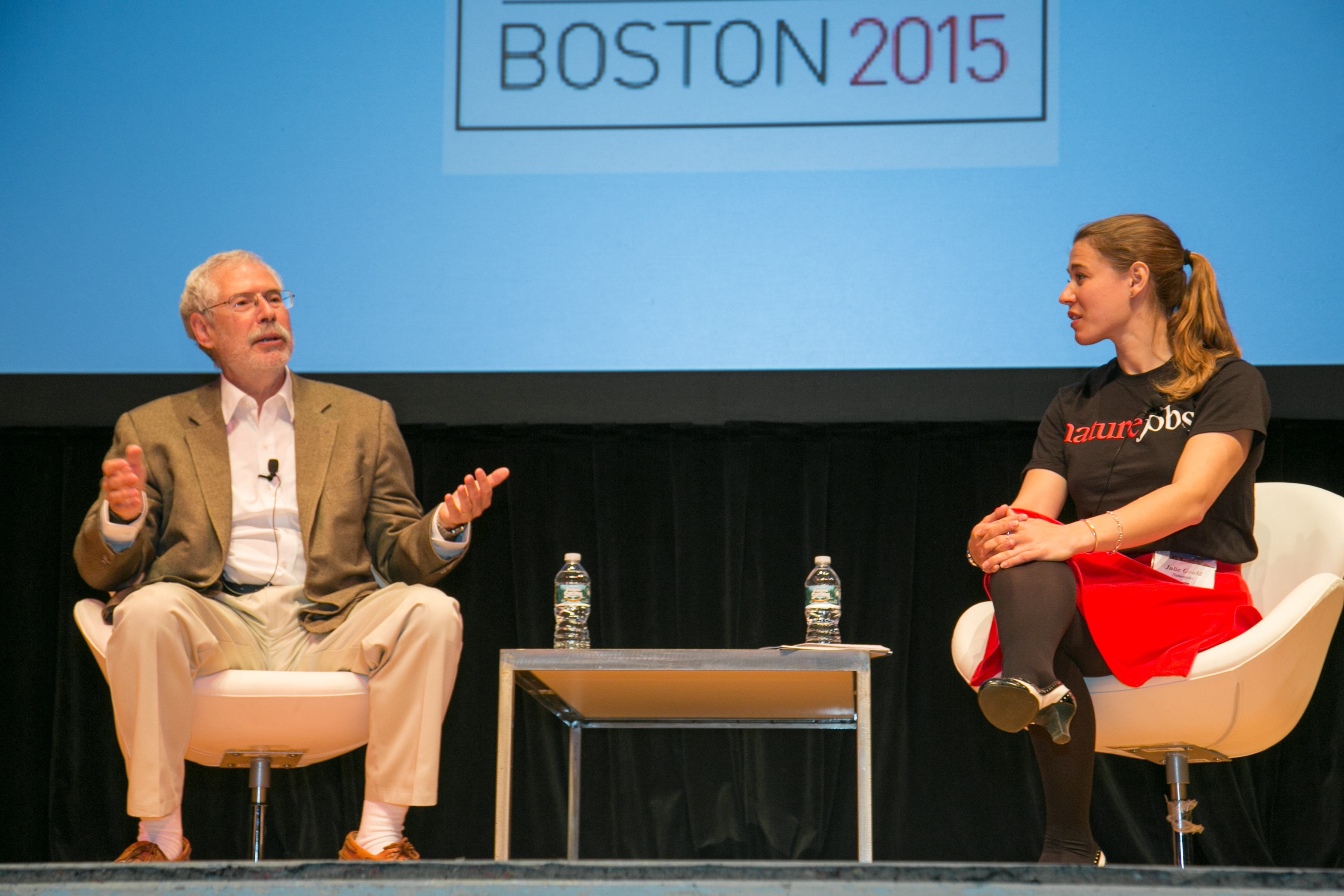 “Curiosity is what drives both entrepreneurs and scientists,” observed Steve Blank, a serial entrepreneur, author, blogger and educator based in California’s Silicon Valley. Blank’s comparison, made at the Naturejobs Career Expo 2015 in Boston, Massachusetts during a conversation with Naturejobs editor Julie Gould, was bolstered by the appearance of several scientist-entrepreneurs that day, including Professor Robert Langer and Nina Dudnik. Gould and Blank discussed how entrepreneurial and scientific attitudes converge — but also lessons academics entering the start-up world must learn.
Parallel paths
It was partly Blank’s role as an educator—he teaches courses at Stanford, UC Berkeley, and Columbia among others—that helped him realize how the scientific process could be used to build businesses more efficiently. He began dissecting what distinguished “visionary” companies from the “98% that were hallucinating”. Continue reading