Why I marched for science: Debunking myths, promoting rationality

Following the “March for Science” in 600 cities across the world on 22 April 2017, Indian scientists gave a call for “India March for Science” on the 9 August 2017. On that day, more than 15,000 scientists, science teachers, research scholars, students, and science-loving people came out on the streets of 43 cities and towns of India.

Scientists within India did not join the global protest. Did they miss the boat? Yes, say Vineeta Bal and Aurnab Ghose from the Indian Institute of Science Education and Research, Pune. Along with Satyajit Rath from the Agharkar Research Institute, Pune, they joined hundreds of scientists in the ‘India March for Science’ held, albeit belatedly, across the country. Here’s the trio’s guest post on the unique challenges facing India’s science that made the protests timely.

[The views expressed are personal].
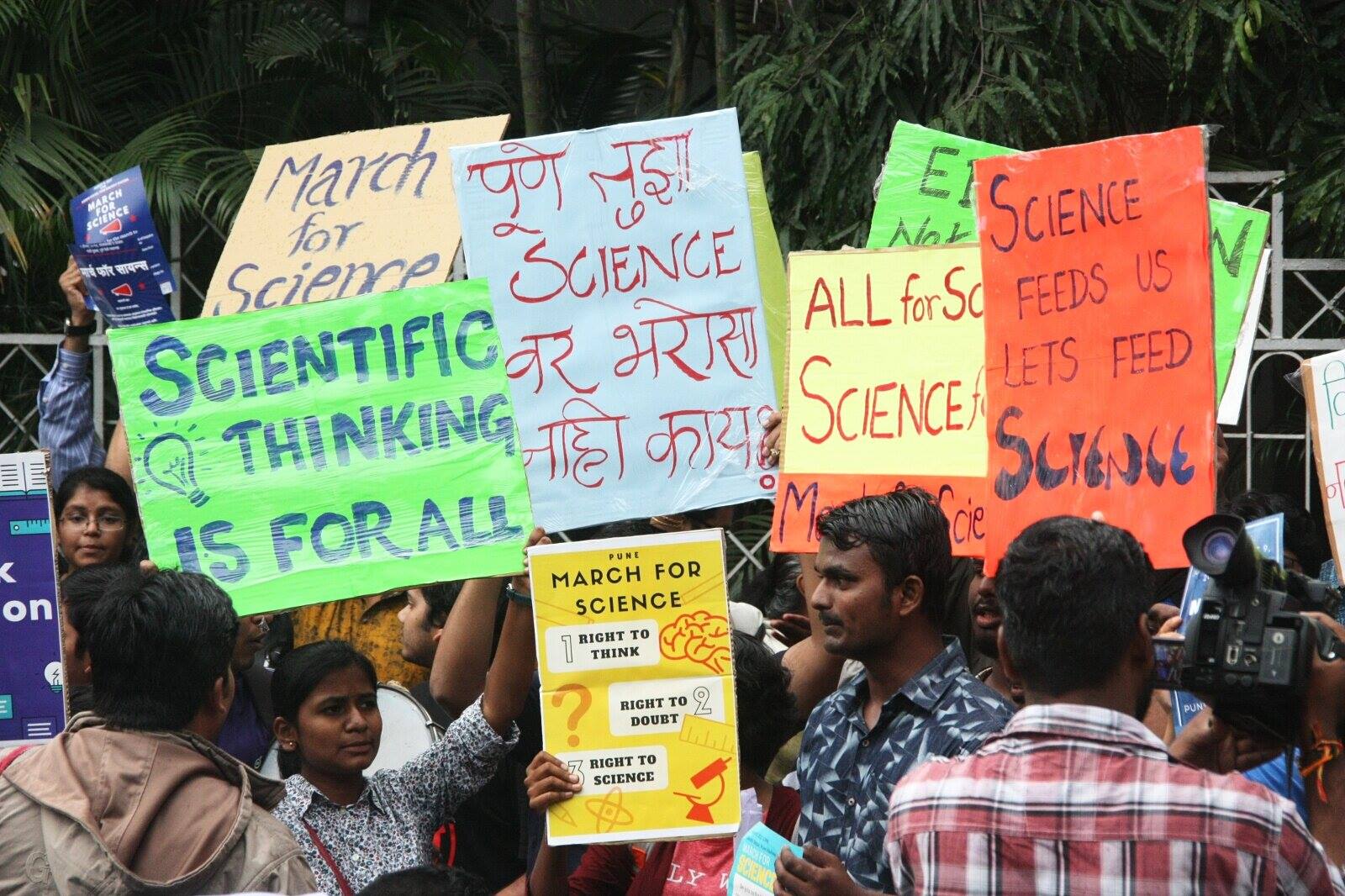
The protestors in Pune

The protestors in Pune{credit}Sourabh Dube{/credit}

There is a need to focus attention on the current trajectory of scientific pursuits in India – we need rationality and scientific temper in our society, and for that, we need the scientists of today and tomorrow.

The process of rational thinking needs to be inculcated early in life by encouraging young children to ask questions, by providing avenues for finding logical answers, by discouraging blind faith and acts associated with the perpetuation of blind faith. In many of these contexts, formal education can help. Hence there is a clear need to develop curricula which encourage curiosity and experiment-driven learning and discourage faith-driven irrational approaches and unquestioning attitude to learning.

One of the major demands during our ‘India March for Science’ was to increase the budget on education and spend it on developing young minds to think rationally and critically. While the exact proportion of GDP that should be spent on education can be debated, there is no doubt that in India there is a clear need to increase governmental spending on education at all levels.

Another demand during the event was that spending on research in science should be increased. For the last many decades, every successive government has promised to increase allocation for science research for various departments. Departments affiliated to defence research have seen substantial increases in certain years but civilian science research departments have not been as consistently fortunate.

While it is true that in recent years the funds allocated during the budget speech by the Finance Minister of the country appears higher than the previous year and hence can be used to counter the scientists’ arguments that there is no budgetary increase, the larger reality is far less promising. Funding is unpredictable, with even inflation not allowed for in some years, it is seldom available on time, and it is terribly patchily distributed. The Director General of CSIR (the largest network of laboratories in the country) has admitted near bankruptcy, stipends of research personnel are being withheld or delayed; there is thus little doubt that the funding for civilian scientific research in India is sub-optimal.

Bengaluru MarchScience research is a continuous, often long-term, process. It can’t start and stop arbitrarily. Hence there has to be an equivalence between the sustainability of efforts and sustainability of the associated funding. Also, just like in science education, rationality should be the mainstay of any science research. For this to be practised, development of reasonable models based on available data, refinement and testing of these models and evidence-based modification or rejection of the models should be the basis of scientific efforts and policy.

Funding for research where the outcome appears to be already defined is undesirable – a case in point is the Scientific Validation and Research on Panchgavya (SVAROP) project. The research aims to prove the usefulness of panchgavya, a concoction of five cow products (dung, urine, milk, curd and ghee) used in traditional Indian rituals. The Indian Science Congress, a major annual scientific meeting in the country, has also been used as a platform to promote pseudoscience. Such efforts undermine the basic tenets of science where research questions are asked with a hypothesis in mind and the knowledge gained is likely to support or refute the hypothesis. Instead, these regressive efforts foster superstition in society by pretending that pseudoscience is ‘science’.

The Indian march

At least 15000 people participated in the Indian march in several cities. About 700 people participated in the Pune march. Besides demonstrating solidarity with the global ‘March for Science’, the Indian students, teachers and researchers stressed on inculcating rational thinking in the society. The relevance of rationality in society was highlighted by the explicit and public reference to the work done over many decades in Maharashtra by the rationalist Narendra Dabholkar, an intellectual who was murdered for his stance against superstition.

India March for Science

{credit}Sourabh Dube{/credit}

August 9 was chosen for its historic significance as the day of the launch of the Quit India movement against erstwhile British rulers, with an implicit corollary of self-empowerment in making societal decisions. It is World Indigenous Peoples’ Day, underlining the most underprivileged sections of society in need of the empowering potential of science. It’s also Nagasaki Day, which reminds us that science disconnected with society can be used for horrific ends. Together, these reminders make the urgent point underlined by the march for science, that science must be recommitted and reconnected to society, and that society must rediscover the progressive potential of science and value it appropriately as an open-minded, fearless enquiry into causes.

We marched despite direct orders prohibiting some scientists from participating in the ‘March for Science’ and many refraining from joining due to perceived threats to their jobs and possible harassment. The practitioners of science who hit the streets were demanding freedom of speech to express their concerns, freedom for dissent and discussion, assurance of steady supply of funds for pursuing scientific research, provision of more funds for education for all.

In a democratic country such as India, these are basic demands to make. If a country’s scientific community need to take to the streets for such basics, there is serious need for introspection.

Physicist Soumitro Banerjee from the Indian Institute of Science Education & Research Kolkata, who joined the march in India’s capital Delhi, talks about the policy changes that scientists want to see in the wake of the march.

The march in Kolkata

The march in Kolkata

I marched for science in New Delhi because the funding support for scientific research in India is sorely inadequate, having remained stagnant in the range 0.8%-0.9% of India’s GDP for far too long. Other countries with similar aspirations have provided financial support for science exceeding 3% of GDP. It is not difficult to imagine the crisis facing most Indian scientific institutions because of paucity of funds.

The education system that supplies the scientific manpower is also in bad shape. The public school system, where a majority of Indian children get their education, is deplorable. Many schools are without proper buildings, toilets, and playgrounds, have overcrowded classrooms, face acute shortage of teachers and are without laboratory facilities. As a result, a vast majority of children are deprived of the opportunity of being a part of the scientific manpower of this country.

The college and university system is also reeling under acute shortage of infrastructure, teaching and non-teaching staff, and funds for research.

The situation is crying out for urgent redressal, and the march demanded allocation of 3% of GDP for R&D and 10% of GDP for education.

A bigger area of concern is that in recent times attempts to spread unscientific beliefs and superstition are on the rise. Sometimes, unscientific ideas lacking in evidence are being propagated as science, patronised by persons in high positions. Untested personal beliefs of educational administrators and textbook writers are infiltrating the education system, and mythology is being taught as history.

This is vitiating the cultural atmosphere of the country. There is an article in the Indian Constitution (Article 51A) that demands every Indian citizen to develop a scientific temper, humanism and spirit of inquiry, and the current cultural atmosphere runs counter to that. The march demanded that the government uphold this provision of the Constitution.


Suggested links:

Thousands across India march in support of science

What happened at March for Science events around the world

India’s ‘yoga ministry’ stirs doubts among scientists

Small samples: A statistician’s nightmare

What happens when a statistician is handed over a sample size of one?

Poulami Barman, a statistician at Mayo Clinic, USA faced a similar challenge while working on a prostrate cancer trial. In this guest blog piece, Poulami writes about her journey from Vellore Institute of Technology (VIT) in India to the premier US lab, how she handled the transition and the uniqueness of working on a sample size of one.

Poulami Barman

Poulami Barman

Never settle

Till high school, I was this nerd who loved both math and biology. After 12th grade, I realised I was not “nerd enough” to pursue a career in biology and decided to go the math route. I wanted the best of both worlds and chose biotechnology for a major in undergrad — it slowly became clear to me that I was wired more towards the math equations and didn’t enjoy the biology side that much. With little career advice, I thought a complete change in major was not possible, and hence got into a Masters in Bioinformatics in the US.

During the first year of grad school, all my nightmares came alive in the form of coding and the biology knowledge needed for course work. The culture shock did not make it easy and I was almost dropping out of school but stayed on when my father insisted. I got an internship at a reputed hospital — that further exposed my weak coding skills. The turning point, however, came when I got an assistantship with Dr. Yolande Tra. She recognised my skill in statistics and encouraged me to take more courses in this field.

Under Dr. Tra’s mentorship, I aced in statistical analysis class which helped me land my first full-time job as a Clinical Data Analyst at Johnson & Johnson. My excitement did not last long, as I soon realised that the job involved a lot of coding and not much statistics. I did not like the monotony of the job and decided to go back to school, but this time to get a second masters in statistics. I moved to Texas A&M University – where I enjoyed working 14-16 hours a day and realised what passion actually meant. I got a job at Mayo Clinic after Masters, and there was no looking back. I never settled for a career until I had exactly what I wanted.

Statistics in medical science

With the growing complexity of biological data and disease biology, clinicians are leaning more towards personalised care therapies. The field of oncology is no stranger to this. 4 years ago, I got involved in one such study to recruit stage IV prostate cancer patients that are castrate resistant and to find specific markers that cause drug resistance. This was to be done by sequencing their genomic data before and after Abiraterone acetate/prednisone (AA/P) treatment. The presence or absence of markers could then decide the treatment regimen for the patients.

Data was collected with trials on mice injected with tumour cells from patients. Various treatment combinations were tested on the mice models. It was like having parallel patient avatars built from mice. A similar trial was conducted at Mayo Clinic on breast cancer patients. I was lucky to be involved in both these projects at some point. This is one of the best perks of being able to work in this specific role.

The pet peeve of all statisticians is a small sample size. And I was asked to provide inferences with just one sample! The analysis needed to focus more on gene-set within patient comparisons or one-vs-many control comparisons. The ideas was to learn the association of time-to-treatment change. We found that in metastases, Wnt/β-catenin pathway activation is associated with primary AA/P resistance and increased CCP with acquired drug resistance.

It has been a unique study in many ways, and to name a few; it provided a mutational genomic landscape for metastatic prostate cancer; mice models of metastatic prostate cancer (which has never been done before); and a stepping stone to single sample (n=1) analysis. The findings from the PROstate Cancer Medically Optimized Genome Enhanced ThErapy (PROMOTE) study was recently reported in PLOS One in 2015.

Bending the rules

Being involved in interesting and challenging projects like this one, and being paid to do what I love is a dream come true. The first couple of years at Mayo, I suffered from the Imposter Syndrome. I was working closely with researchers, and highly qualified people, and only 2 masters without a doctorate seemed petty. Don’t let the misconception of requiring a doctorate to pursue a career in research deter you. As long as one has the persistence and the penchant for it, research need not be sour grapes.

From an unsure novice in the US to someone who works with the best researchers in her field, I have grown a lot. And it was not a straight line; in fact, it was the worst and the best roller coaster ride I have ever taken. Every time I see someone eating street food at 2 a m in a Bollywood movie, and every Dushera, I miss home terribly. But, I think I have made a home for myself here — a small group of friends, and if I had to call any place home, other than Kolkata, it would be my Texas family. I met my husband and now have a sweet little family here in Rochester MN.

Ageism in academic jobs in India

Let’s talk career with Naturejobs

Every now and then, Indigenus brings you some interesting and relevant posts from sister blog Naturejobs, a leading online resource for scientists in academia and industry who seek guidance in developing their careers. The blog delivers a mix of expert advice and personal stories to help readers review, set and achieve their career goals.

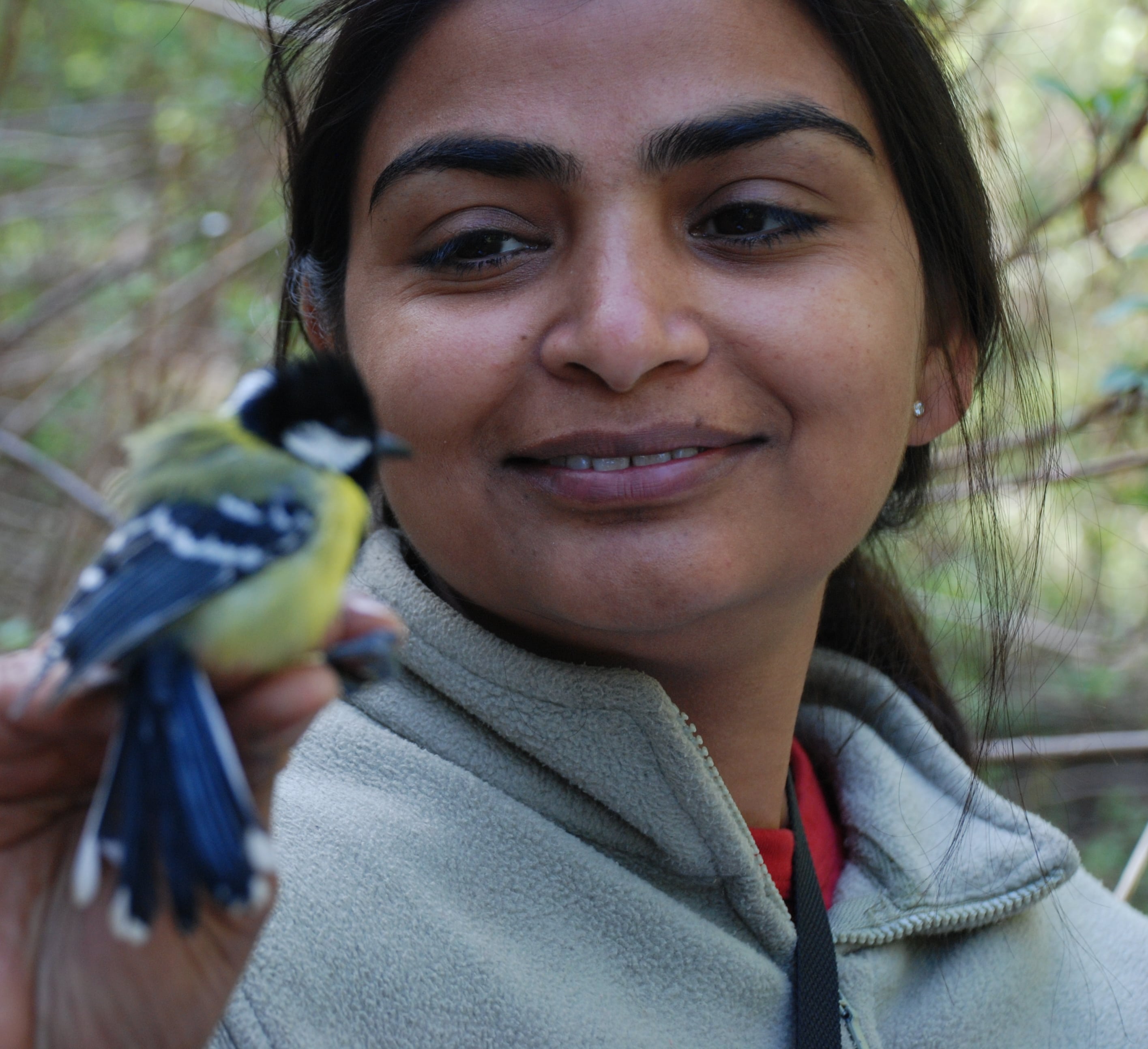
Today we have Farah Ishtiaq, a Wellcome Trust/DBT India Alliance Intermediate Fellow at the Centre for Ecological Sciences, Indian Institute of Science, Bangalore. Her research explores the ecology and evolution of vector-borne diseases — the role of migration, host immunity, vector genetics, and climate change on malaria transmission in high-altitude Himalayan birds.

Farah shares her experience on how age and success are linked in acquiring faculty positions in India.

Farah Ishtiaq

Farah Ishtiaq

India has recently been portrayed as a land of abundant opportunity in academia, investing seriously in research and development to attract skilled scientists. The government has introduced several attractive funding opportunities, with the aim of bringing back scientists working abroad to establish a long-term career here, and improving the overall research infrastructure. Wellcome Trust/DBT India Alliance (WT/DBT) fellowships, for example, have no age or nationality restrictions, relying on qualifications, research experience, career trajectory and the candidate’s determination to establish their own independent research.

WT/DBT India alliance was initiated to develop a large cohort of internationally competitive researchers and help in developing scientific excellence and leadership; a model recently adopted and launched by the Alliance for Accelerating Excellence in Science in Africa (AESA) as well. Since Africa shares a similar burden of healthcare with India, as well as many workplace challenges, Indian scientists are perceived as key collaborators in this mission.

There’s a problem here though: age limits on academic positions. Prospective candidates for assistant professor in India are preferred by academic institutions to be younger than 35. Although funding bodies are not hiring agencies, the age limit imposed on faculty positions by academic institutions sabotages the driving principle behind these new funding opportunities — the current system is unable to absorb enough competent, experienced scientists.

The dilemma for early-career researchers is serious; many fellows are facing this harsh reality and an uncertain future. Every research position has a maximum age limit in India; from a junior research fellow (JRF), with a cut off at 28 years old, to postdoctoral researchers where it is 35 (or 40 years for women). These limits put the Indian academic landscape in stark contrast with many other countries that also follow a tenure-track system.

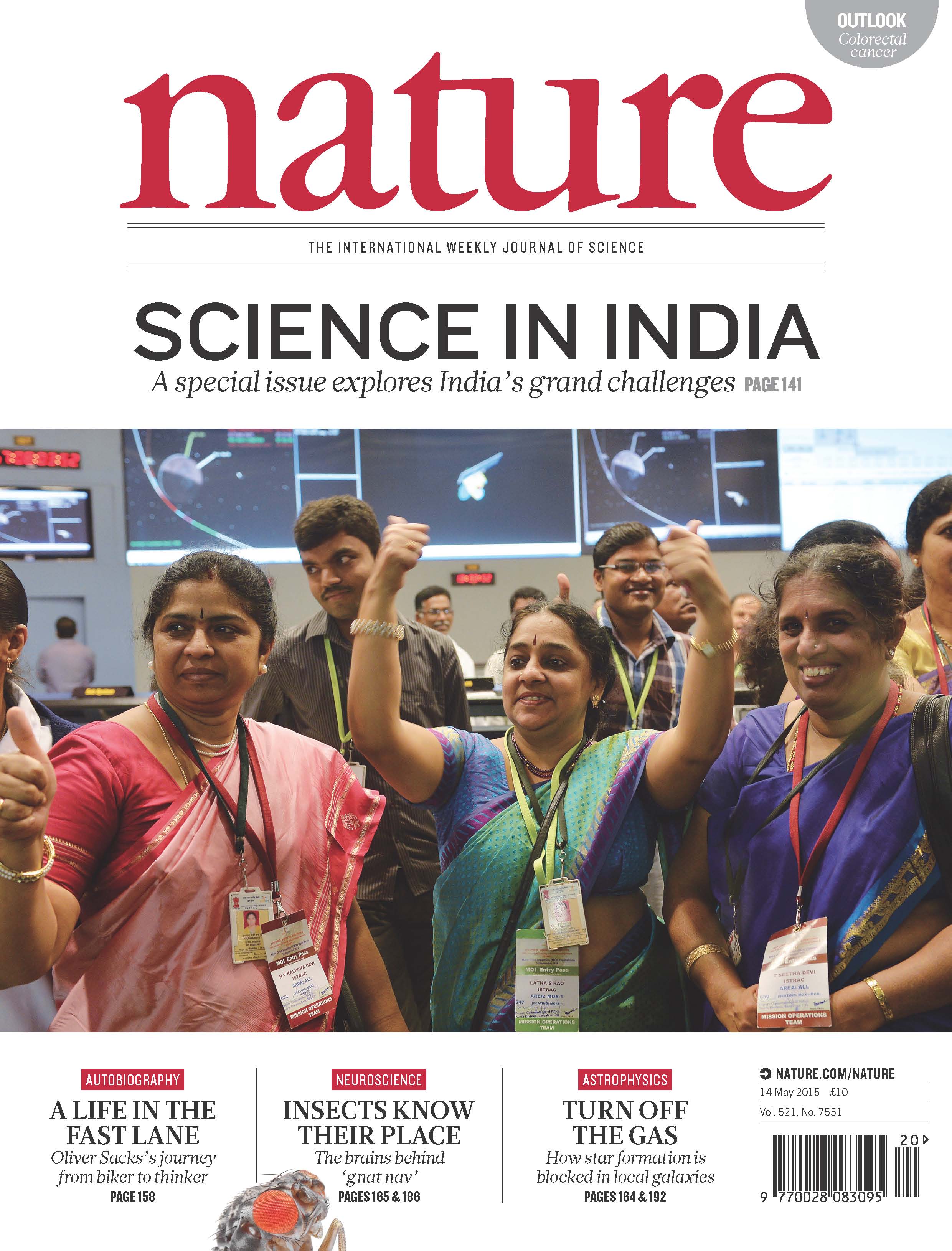
A Nature special issue in 2015 explored some of the unique opportunities – and the unique problems – of working as a scientist in India

A Nature special issue in 2015 explored some of the unique opportunities – and the unique problems – of working as a scientist in India

Overall, this makes India a viable option and destination only for scientists of a selected age class. And it certainly gets more complicated for women who want to pursue a career in science and raise a family, with very little allowance made for taking time out for such.

I am now in my vigorous 40s, which prevents me from being offered an entry-level faculty position. I am also a recipient of a WT/DBT India Alliance fellowship. My funding allowed me to establish an independent laboratory to study the ecology and evolution of emerging infectious diseases in wild bird populations, but despite this incredible research opportunity, I feel my career clock is ticking faster than ever. Getting funding to do science is no longer a problem, but academic policies that prevent competent scientists becoming established are preventing me from succeeding. I feel redundant — surely the quality of my science should be the focus rather than my age?

What I would have done differently

Hopefully, this should give others like me some insight on avoiding some of the mistakes I made. First, I should have found a trust-worthy mentor who could have helped me to navigate my career path.

Never put all your eggs in one basket. I should have pitched my grant idea to multiple host institutions to maximise my likelihood of finding an institution that would guarantee a more permanent position by this stage.

Do your homework in understanding the system and host academic institution. Even though I deferred my fellowship for a year as my daughter was too little to be left in a crèche, I realise I should have used that time to negotiate or better understand the policy or the institute’s vision for a research fellow like me. Many academic institutions have no guidelines on the role, involvement and career development of academic fellows.

Many academics fail to understand the role and potential of fellows like me and often consider them just as an extended postdoc — not as a long-term prospect or potential collaborator. Hence, I did not get enough of an opportunity to teach and to mentor PhD students. Having my own PhD students would have bolstered my career at this stage, and allowed me to evolve as a mentor.

Local advice & mindset

I’ve received various pieces of advice for improving my faculty application and to enhance my chances of a secure job — this was to publish my current research: i) without foreign authors; and ii) as senior or first author in more prestigious journals such as ScienceNature or PNAS. Whilst the first is possible, the second is easier said than done.

Apparently, that was the only thing my CV was missing — a clearer demonstration of my calibre and merit as an independent researcher. Interestingly, for established faculty struggling to earn tenure in India, the culture emphasises quantity of publications rather than quality.

And, whilst the second piece of advice (primarily from engineers, cell or molecular biologists) is sound, what was missing was perspective on research in the field of ecology — collecting and publishing groundbreaking ecology data in top journals can take years longer than other disciplines. The journals I have been publishing in are not familiar to some of the members of recruitment panels I’ve met with. I have even been asked if ‘Ibis’ and ‘Parasites & Vectors’ were proper journals.

Should India be a role model for developing nations?

We are struggling to keep our skilled workers, despite the spending per researcher being equivalent to a developed nation like the UK. I hope other developing countries don’t replicate the above policies, as they certainly don’t help to address some of the major longer-term developmental challenges, including a shortage of researchers. In India, with only 200,000 full time researchers (and only 14% of them women) from a population of 1.3 billion, new research institutes currently being developed end up short of skilled workers and blinkered to new research areas.

This all said, I am still very excited. I have a competitive edge and enthusiasm for research where I can play a leading role in high-quality research. Perhaps, it’s time to explore science career options elsewhere, maybe in Africa, and hope no one will question my age?

Suggested posts

What I learnt from researching in Germany

Away from home: Collaboration in a global organisation

Away from home: ‘Research not Nobel-driven’

Starting early for a dream PhD

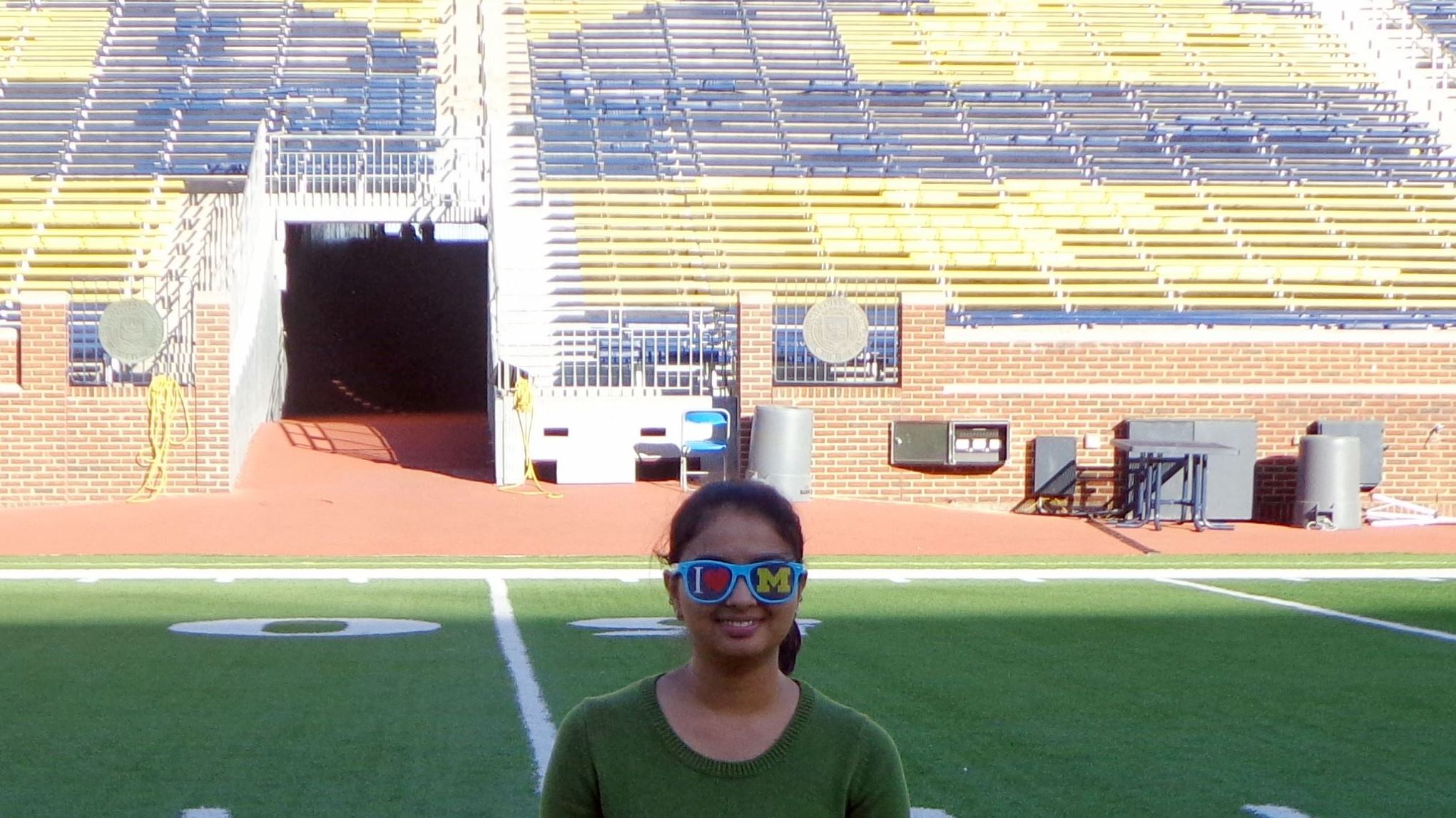
Chetna Gopinath is a fifth year PhD candidate in the Cellular and Molecular Biology Program at the University of Michigan. Born and raised in Bangalore, she moved to the US for a Master’s in Biomedical Science from State University of New York in Albany and subsequently a PhD. Chetna talks of how starting early in her quest for the best places to study shaped her scientific interests and her career path in the US.

Chetna Gopinath

Chetna Gopinath

Career Path

My fascination for biology began in high school. In biology classes, the inner workings of the human body intrigued and inspired me to expand my knowledge in this field. During that time, ‘Biotechnology’ was an upcoming and exciting field, gaining a lot of attention. It offered an array of opportunities and was a perfect blend of biology and technology. So, after 10th grade I opted for biotechnology as an elective subject and later decided to pursue a bachelor of engineering in Biotechnology.

At undergrad level, I quickly realised that I enjoyed life science courses such as genetics and molecular biology the most. I wanted to switch paths from engineering to life sciences and eventually work in the biotech industry. So I decided on a Master’s degree in the US since it not just offered great opportunities in the area but also was a hub of many biotech companies. I took the Graduate Record Examination (GRE) and Test of English as a Foreign Language (TOEFL) exams in the third year and applied to eight Masters programmes in the US. I chose a two-year Masters programme instead of committing to an intensive PhD programme to get a flavour of biomedical research.

At the State University of New York at Albany, where I enrolled for a Master’s in Biomedical Science, a number of funding options are available to students such as teaching assistantships, research assistantships, and tuition waivers. F1 (or student) visa holders are permitted to work on-campus, so students have the option of working in various University jobs such as in the cafeteria or in the library. I reached Albany three weeks before orientation, which helped me settle in and find my bearings. During this time, I set up meetings with several professors and spoke to them about their research and was fortunate to receive a research assistantship to perform my Master’s thesis in Dr. Alain Laederach’s laboratory. I received a monthly stipend, which helped cover both my living expenses and a significant portion of my tuition fees. My Master’s thesis research involved studying changes in the secondary structure of RNA brought about by disease-associated mutations. This experience triggered my interest in studying cellular and molecular mechanisms underlying human diseases.

My experience in the Master’s programme served as a jumping off point for the rest of my career: it helped me solidify my interest in the life sciences, determine the type of research I was interested in, and gave me an academic foundation to build expertise that would be valuable for the rest of my career. In order to gain more research experience, and to further my knowledge of the molecular pathology of human disease, I worked in Dr. Anthony Antonellis’ laboratory in the department of Human Genetics at the University of Michigan as a full-time research associate. Here, I studied the transcriptional regulation of key genes involved in Schwann cell development and peripheral nervous system (PNS) myelination. My research paralleled my Master’s thesis in that I was again investigating molecular mechanisms of genetic diseases, so I could use the skills I learned during my Master’s. Working in the Antonellis laboratory also allowed me to gain new experiences in zebrafish model systems and in the neuroscience field. I chose to attend the University of Michigan for my PhD, where I am currently in the Cellular and Molecular Biology programme at the University of Michigan Medical School.

Most PhD programmes require first-year students to do two to three lab rotations, which are like trial runs that allow students to spend time in different labs before committing to a mentor and a lab for their thesis research, along with taking classes. Lab rotations helped me explore different topics of research. Choosing a thesis lab after your rotations is a tough challenge. Some of the important considerations are the funding situation of the lab, successful publication record, a collaborative lab environment and a supportive mentor. For all these reasons, I decided to go back to Dr. Antonellis’ laboratory for my PhD thesis.

My PhD thesis involves understanding the molecular mechanisms underlying Schwann cell development. Schwann cells produce the myelin sheath in the PNS. Myelin sheath wraps around the axons to allow rapid communication between the central nervous system (brain and spinal cord) and the peripheral tissues. Damage to the peripheral nerve via physical damage, toxicity, diabetes or inherited mutations results in peripheral neuropathy, which is characterized by muscle weakness and sensory loss in the hands and feet. There are currently no treatment options available for these debilitating diseases. However, defining the regulatory pathways underlying Schwann cell biology will help us understand the pathology of peripheral neuropathy and design therapies for peripheral nerve repair. My dissertation focuses on defining regulatory pathways important for Schwann cell myelination by identifying target genes of SOX10, a key transcription factor regulating PNS myelination.

Pursuing a PhD has been an invaluable experience. In addition to the technical skills I learned at the lab bench, I acquired a number of transferable skills that I can take with me into any career I choose. Grad school has been an excellent avenue to learn things like how to give oral presentations, writing grants, management skills from working with undergraduate students, collaborations, and, most valuable, critical thinking and problem solving abilities. I know that whether I choose to stay in academia, or move into the biotech industry, my combined skill set will help me advance into any position.

Culture shock

I thought I had the American culture all figured out by watching Friends (one of my favorite sitcoms) but I was wrong. I expected every city in the US to be like New York City. Being born and raised in a big city like Bangalore and moving to a small city like Albany, which has less than one-sixth of the population of Bangalore, was a big change. While people were friendly, they tend to live independent lives with little to no intervention from neighbours unless specifically requested. Small talk, be it about sports or weather, is an important aspect of social interaction in the US. The first few months were an adventure and everyday was a new learning experience; from figuring out the public transportation system to the different types of food, to chores as trivial as grocery shopping.

A second wave of culture shock happened during the first day of my biochemistry class. Classroom etiquette took on a whole new meaning; habits frowned upon in India such as eating and drinking coffee/tea during lectures and referring to professors by their first names were the norm rather than the exception. Most undergraduate colleges in India require a minimum of 75% attendance to be able to write the semester exam but here most classes do not have a minimum attendance requirement. The idea behind this is that students should be in class if they truly want to learn and feel that they will gain valuable knowledge from being present, rather than being forced to attend. The concept of ‘open book’ exams was completely alien to me and, contrary to what I initially anticipated, turned out be a lot harder as compared to closed book exams.

I kept an open mind and over time began to blend into the culture. These experiences have taught me a lot about myself and have helped me be the person I am today.

Tips for students interested in pursuing PhD in the U.S.

  • Having a Master’s degree is not a requirement to apply to PhD programmes.
  • Plan ahead of time: It takes almost a year and a half to prepare for the GRE and TOEFL exams, and to put together your application. GRE scores are valid for five years and TOEFL scores are valid for two years so my advice is to take these tests sooner rather than later.
  • Competitive PhD programmes look for students with undergraduate research experience. My advice would be to gain as much research experience as possible during your semester breaks. Volunteering at non-profit organisations also helps your application.
  • Professors in the US are friendly and helpful, so do not hesitate to contact them with questions.
  • Most universities in the US offer a myriad of research opportunities, which at times can seem overwhelming, so spend some time narrowing down to a few research areas to focus on.

The importance of networking in science

Let’s talk career with Naturejobs

Every week, Indigenus brings you some interesting and relevant posts from sister blog Naturejobs, a leading online resource for scientists in academia and industry who seek guidance in developing their careers. The blog delivers a mix of expert advice and personal stories to help readers review, set and achieve their career goals.

This week we have a guest blog by Naturejobs journalism competition winner Ashish Nair, who found new hope at the Naturejobs Boston Career Expo.

play-stone-1237458_1920

A long time ago in a land galaxy far far away, there was a great gathering where those weary of the well-trodden trail of tenureships and grants repaired themselves. The gathering in question was the Naturejobscareer expo, a free one-day event organized for students and scientists alike. Featuring some truly inspiring speakers, it gave a much-needed boost to my hope for a career in science that can be both emotionally and financially (yes, $$$) satisfying.

After all, academic research seems to have less and less cash to go around recently for the swelling ranks of newly minted PhDs and post-docs; not to mention the technicians without whom no project can be run. For me, the difference seems especially stark when my friends in management and medicine are mulling over their property portfolios. Given this near-saturation, it often seems as if employment options are limited within academic research while career pathways elsewhere feel equally difficult to navigate. It is natural, therefore, that young scientists-in-training feel anxious about the future.

profile-pic2However, academic research need not be a gladiator’s pit; nor are career pathways outside the arena of academic research scarce or hard to come by. The key requirement in both cases is networking. Dr. Jim Gould, the director of the HMS/HSDM Office for Postdoctoral Fellows at Harvard Medical School, emphasized the importance of networking at the early stages of a research career. In a detailed (and brutally honest) presentation, he outlined the difficulties that face early career researchers, emphasizing the high level of competition for a limited number of places, all against a backdrop of shrinking research funding.

Despite this, Jim pointed out it wasn’t all doom and gloom. Academic research isn’t a dead end option that involves working on other people’s projects and ideas simply to secure funding. The key, he explained, was to decide what you wanted out of a scientific career, using an individual development plan to assess your skills and interests against your objectives. Armed with this knowledge, the next important step is to network with like-minded researchers and industry leaders, pooling resources and knowledge to enable the pursuit of mutually motivating goals and ideas. He explained how events like symposia and research conferences present the kind of low-risk, high-reward setting that give students the opportunity to network confidently and professionally with both their own peers and leaders in the field.

And if the individual development plan reveals that academic research isn’t your mug of media? Not a problem, according to Lauren Celano, CEO of Propel Careers. Speaking on the industry job market and the requirements for prospective employees, Lauren emphasized just how many different career pathways existed outside of academic research: ranging from industry and pharma to law and marketing, and provided a detailed exposition of the skills required for many of these roles.

Echoing Jim, she accentuated the importance of networking and collaboration to identify both the skills required for various industrial roles, as well as the opportunities to acquire them. Transitioning from academia to industry was neither impossible nor did it need to be difficult, provided scientists have confidence in the universal applicability of their skillset and network with those who had already made similar transitions. She urged scientists to be aware of these options and to have confidence in the transferability of their skills and talents. Demonstrating leadership experience in any capacity (clubs, charities, project work, etc.) and good interpersonal skills are an added plus when looking for industry roles.

Flying back to Melbourne, I was already busy updating my LinkedIn profile and signing up for a Twitter account (yes, I’ve only just started speaking hashtag); the words ‘network’ and ‘connectivity’ ringing bells in my brain. Of course networking involves a lot more than that but hey; I’ve got to start somewhere.

More importantly, having talked to both fellow grad students and post-PhD luminaries (again, networking), I understood that abandoning academia’s soulless grant-chasing does not negate your training or your claim to being a scientist. What makes you a scientist is the ability to cast out for a solution beyond the ken of current knowledge and reach for it using a patient, logical, step-by-step approach. And outside of the lab door is a whole world of career options, just waiting for you to reach out.

Ashish Nair is a researcher who discovered to his amazement that his written thesis apparently described a cogent, well-executed PhD project- despite all evidence to the contrary. He now invests more time in writing. Apart from writing for science, he still likes to work at the bench and also enjoys travel blogging.

Suggested posts

Counting all the ways connections matter

The beginner’s guide to the LinkedIn network

Transferable skills: What are scientists good at (other than science?)

The faculty series: A case study

Finding job satisfaction as a science strategist

Let’s talk career with Naturejobs

Every week, Indigenus brings you some interesting and relevant posts from sister blog Naturejobs, a leading online resource for scientists in academia and industry who seek guidance in developing their careers. The blog delivers a mix of expert advice and personal stories to help readers review, set and achieve their career goals.

This week we have Naturejobs Editor Jack Leeming speaking to Gautham Venugopalan. After completing his PhD and postdoc at The University of California, Berkeley in the biophysics of cancer cell growth, Gautham completed a science policy fellowship sponsored by the American Association for the Advancement of Science (AAAS). He describes how that experience led him to a job as an analyst at Gryphon Scientific, a consultancy focused on public health and national security.

Gautham Venugopalan

Gautham Venugopalan{credit}Richard Novak{/credit}

Tell me how you planned your career path.

I could tell you a story that I thought I should do this, and then I thought I should do that, and it all prepared me for this grand thing. But let’s be real. That’s not how that works.

Why did you get a PhD?

I have a history of just jumping off and doing things that I’ve never done before.  I went into the biology program in my senior year. And I decided to try grad school. At the time I was thinking, all these programs that I’m applying to are really solid, I’ll have an interesting skill set that I can use to do something, and I’ll work that out.

Did you do much outside the lab during your training?

I ended up starting a nonprofit in grad school with a few of my friends. I spent time at the career center at UCSF; I did a fellowship at the U.S. State Department.


And when did you decide you wanted to be a consultant?

I didn’t sit there thinking I want to go for a consulting job as much as I found a job that had a lot of the mix of things that I wanted professionally and personally.

What does it take to do your job?

In any consulting role, you have to be comfortable with ambiguity. If there wasn’t ambiguity, they wouldn’t be hiring you.

They want people who can understand complex scientific concepts. They want someone who can understand both the big picture and the details, and communicate that strongly to other people who don’t have the same expertise. Can you explain biology to someone who is setting policy, or to someone who is using that to make a decision?  Can you distil things down and make evidence-based recommendations?

You said planning for interviews guided how you wrote your resume. What did you mean?

I went to an interviewing workshop, and the thing that they really emphasised was being able to tell stories in interviews. You think about it from this perspective: what is the story you would tell someone who wants to hire you? You want to make sure that the things you are focusing on are the things that people want to hire you for. No one cares in my current job if I can run PCR or do sterile cell culture, but that was a big chunk of what I was doing.

It’s very different if someone is going to hire you for your hands than for your perspective.

Instead of writing a resume, I wrote stories about how I would answer the questions in the interviews, and that helped me think how I should write those bullet points on my resume. It was a lot easier for me to go from storytelling to bullet points than to think “these are the most important things I’ve done.”

You can read more from Gautham here.

What are scientists good at (other than science?)

Let’s talk career with Naturejobs

Every week now, Indigenus brings you some interesting and relevant posts from sister blog Naturejobs, a leading online resource for scientists in academia and industry who seek guidance in developing their careers. The blog delivers a mix of expert advice and personal stories to help readers review, set and achieve their career goals.

This week we have a guest post from Naturejobs journalism competition winner Ashish Nair. Ashish is a researcher who discovered to his amazement that his written thesis apparently described a cogent, well-executed PhD project – despite all evidence to the contrary. He now invests more time in his writing. He is especially interested in travel and science journalism.

The cornucopia of skills owned by scientists

In today’s competitive world, it’s become increasingly common for scientists to question where their skills and knowledge will fit outside the lab. Academic research is a harsh place, littered with the victims of funding decisions and research projects that didn’t quite go to plan. The idea, even amongst scientists, that we are highly specialised professionals with no role outside the lab has become a persistent limitation in this search. So, what is the need for a scientist in any other capacity?

Ideas-naturejobs-blog

{credit}TOPP_YIMGRIMM/THINKSTOCK{/credit}

The truth is that the average scientist is no mere lab rat. We are highly creative individuals, and our art is funneled through a labyrinth of practical parameters and peer-review procedures to yield solutions to real-world problems. After all, what is the scientific process? We identify a problem or a gap in existing knowledge. We then process reams of information that have been validated by repeated parsing through the filters of academic cynicism, slowly creating a solution to the problem.

Ashish Nair

Ashish Nair

Finally, we make this solution a reality, using a disciplined approach to cut through the dross and reveal the gold within. On the way we have to navigate practical considerations such as gravity; animal ethics; proteins that won’t refold properly. It is this unique combination of creative energy and attention to practical detail that is the soul of good science; and is applicable to any field and vocation.

More importantly, science demands that we constantly learn. We’re all into highly adaptable individuals who have the drive and mental flexibility to adjust ourselves to new skills and occupations. Even the academic cynicism we’re required to cultivate is a valuable tool outside of science. We’re expected to judge a concept and its application quickly and efficiently; not just in terms of practicality, but also in terms of financial realism. No board of bankers is more hard-headed than a panel of grant reviewers. This also enables us to tell snake oil from the next best idea. We know what’s really present in that new miracle pill or skin treatment and if we don’t, we know where to look for answers.

By the same token, scientists are also excellent salespeople. After all, we have to market our research to secure funding from oft-skeptical donors who may not have the understanding or patience for the fine detail. A successful scientist is armed with a range of verbal and written presentation skills, allowing them to showcase their work in the best possible light. And that’s a talent worth having, no matter your profession.

In summary, the average scientist is a wholesome blend of technician, odd-jobber, salesperson, researcher, writer, presenter and a general jack-of-all-trades. Even chefs, since we prepare buffers and broths on a regular basis; and which human epicurean is more difficult to please than a dish of cells requiring just the right amounts of antibiotic and growth supplements? Finally, we are also teachers. We learn skills and techniques from our supervisors. And we pass them on in turn. The question, therefore, is not what alternative occupation may suit a scientist. It should be which occupation deserves the repertoire of skills and knowledge that only a scientist can bring.

[Originally posted on 29 Aug 2016 | Naturejobs]

Suggested posts

Transferable skills: Helping PhDs and postdocs find careers

How to make the most of transferable skills

Transferable skills and storytelling

How to recognise your transferable skills

Radio and science

At a ‘Career Day’ meet in Bangalore last week, I was asked by a young scientist from the National Centre for Biological Sciences (NCBS) why there were not enough people communicating science in India’s national language Hindi. I had a ready answer for that (I get that question a lot of times from well meaning souls). And the answer is: it makes sense when you ask the same question in the context of Chinese or Japanese or for countries where science is done in regional languages. In India, the language of science happens to be English, for historic reasons. And even if you passed out of a Hindi medium school (or for that matter in any other regional language) and wanted to pursue science, nine out of ten chances you would have to switch to English.

So the question that follows is: who would be the takers, the audience of such communication then? Without a significant audience (and thus commerce) why would a publishing house think of a Hindi science communication venture that runs the risk of being in the red from the word go? [Having said that, here‘s a more optimistic piece that goes beyond the commerce of regional science communication and weighs its merit.]

Someone from the audience had the expected sequel question ready, “What about radio?” Yes, that’s a tried and tested medium — put to very good use by the All India Radio and BBC Hindi Radio to popularise science, primarily agricultural science in rural India. I have loved doing regional language radio trying to relate tough scientific terms to a Hindi audience [though I must admit I have fumbled to find the Hindi equivalent for terms like “cross-pollination” at times].

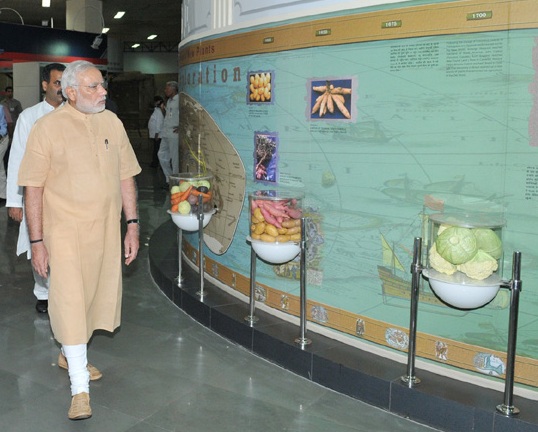
Prime Minister Narendra Modi says agriculture scientists must take to the radio to reach out to farmers.

Prime Minister Narendra Modi says agriculture scientists must take to the radio to reach out to farmers.{credit}PIB{/credit}

Therefore, today when Prime Minister Narendra Modi urged hundreds of agricultural scientists at the 86th Foundation Day celebration of the Indian Council of Agricultural Research (ICAR) to make use of good, old radio to take science from ‘lab to land’, it rang a bell. Modi said agricultural colleges should start their own radio stations. Farmers listen to radio a lot and young agricultural scientists in these colleges kicking off new radio programmes would benefit the farmers immensely, the Prime Minister suggested.

Science-savvy Modi, who began his stint in the high chair a couple of months back flagging off a satellite launch vehicle and consulting scientists of all hues from day one, also called for creation of a digitized database of agricultural research in the country. He sought to link the young, educated and progressive farmers of India with agricultural research scholars saying they could form a powerful talent pool.

Farming in India is mostly inherited across generations and so it is difficult to change agricultural practices overnight. Modi said something science communicators often say — that it would be useful for scientists to explain the efficacy of a particular practice or initiative in language the farmer can understand. Agricultural scientists could play a big role in conveying the impact of changes in climate, water and soil to farmers.

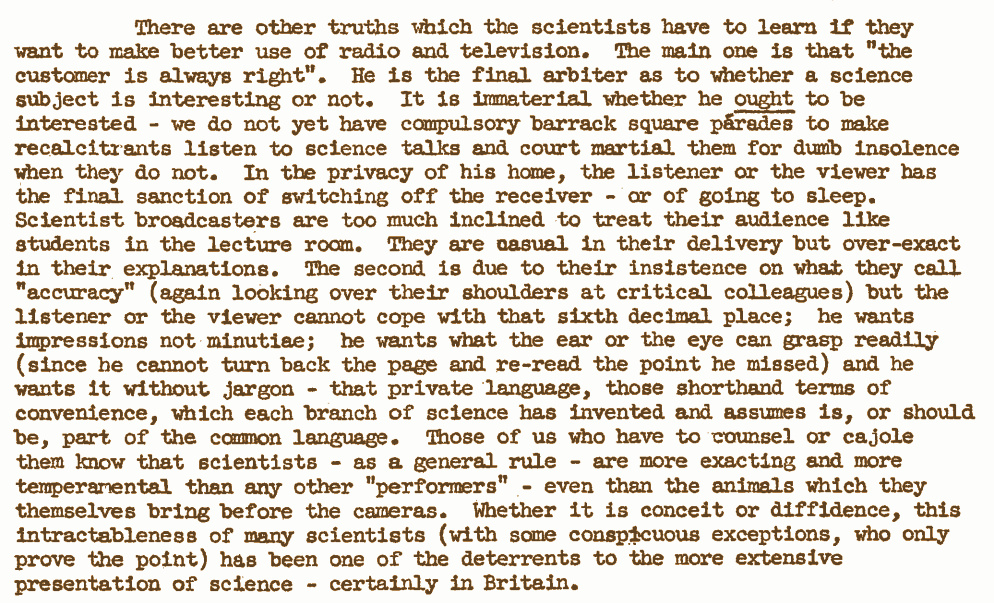
While we are at it, I am taken back to a 1955 communication by British science writer Ritchie Calder, Member of the Council of the British Association for the Advancement of Science. In the article written for UNESCO, Calder summarises the role of a scientist in popularising science through radio thus:

Calder

{credit}UNESCO{/credit}

We might well be heralding an era of a structured science communication and outreach programme in this country, with scientists and the radio at the heart of it all.

Away from home: Blending remote sensing with social sciences

The ‘Away from home‘ blogging series features Indian postdocs working in foreign labs recounting their experience of working there, the triumphs and challenges, the cultural differences and what they miss about India. They also offer useful tips for their Indian postdocs headed abroad. You can join in the online conversation using the #postdochat hashtag.

KRC

Koel Roychowdhury

This week we have a young scientist from the United Nations University (UNU) in Tokyo, Japan at the end of her postdoc tenure. Koel Roychowdhury, an alumnus of the University of Calcutta, uses remote sensing technology to look at environmental and agricultural sustainability. Koel says the fascinating opportunity of doing science for social good is what keeps her going.

Science for social good

After completing my M.Sc in Geography from the University of Calcutta and working as a part-time lecturer in a reputed college in Kolkata, I chose to travel away from home aspiring for higher education. I was awarded the DFID Commonwealth Scholarship which tool me to the University of Leicester, UK for an M.Sc in GIS and Human Geography. I was fascinated to find the immense scope of combining social studies and remote sensing. I continued my research during a PhD from Australia with the Australian Leadership Award Scholarship.

Now I am in Japan as a JSPS postdoctoral fellow. The fellowship is officially with the University of Tokyo, but I am based in the Institute of Advanced Studies for Sustainability at the United Nations University. This has been an amazing opportunity for me. I was working with sustainability groups looking mainly at policies and international peace and security. Simultaneously, I could also apply satellite images to a variety of projects looking at sustainability.

I have been part of the University Network for Climate and Ecosystems Change Adaptation Research (UN-CECAR) projects and was fortunate to be associated with eminent professors in the areas of both remote sensing and sustainability. During my Ph.D days in Australia under Prof. Simon Jones, I got the opportunity to meet Dr. Navalgund, the then director of Indian Space Research Organization (ISRO). For my postdoc at UNU, I am working with Dr. Srikantha Herath and Prof. Kazuhiko Takeuchi, whose contribution to the field of sustainability science are globally recognised.

Global outlook

Being a part of the UN has been a great advantage for my postdoc. The most important part of being associated with an international organisation is that, it gives me a great opportunity to learn from people working directly with ‘sustainability’ and its applications. There are regular lectures and public discussions from ambassadors, policymakers and government personnel. These clue me into the on-the-ground scenarios of development in various countries.

Secondly, being part of the CECAR–Asia projects gave me the opportunity to travel to countries such as China and Sri Lanka. I could see how traditional agricultural communities sustain production and livelihoods in the remote Hani rice terraces in Kunming, China. I had the opportunity to visit the landslide sites of Sri Lanka and have a look at the different sustainable measures undertaken to mitigate landslides. All this gave me first hand experience of the practical aspects of sustainability measures and helped me explore the application of remote sensing in this area.

Japan: a new culture

Everyone moving to a foreign country faces a culture shock in some degree. This is very normal, for every country is different. I lived abroad a few years before moving to Japan. When I first reached Japan, what I faced was not a culture shock but a ‘culture awe’. This beautiful country and its people amazed me. Their hospitality, politeness, helpfulness, dedication, punctuality, cleanliness, discipline and unity as a nation were astonishing. It didn’t take me long to respect the country and its people. I fell in love with their culture and their cuisine.

During holidays, I travelled far and wide in Japan. I was spellbound in every season, be it the koyo in autumn, the sakuras in spring or the snow in winter. I did not know Japanese but I never felt uncomfortable dealing with people here. Perhaps being part of an international organisation made it easier for me. My day-to-day work-related conversation was in English. But outside the work place, I really enjoyed every bit of Japan. As they say “be a Roman when in Rome”, it is important to be open minded and accepting of the uniqueness of every culture. To me, Japan is one of the most beautiful countries with a lot of things to learn from.

What to do after a postdoc

There are a number of career options on completion of a postdoc. And being associated with the UN makes these options wider. After the postdoc, most people take up either the academic career and move on to other universities while others prefer the research career. Being part of the UN makes it easier to look for openings in the United Nations as well. However, I am more passionate about teaching and prefer the academic path as a career.

After all those stressful years of PhD, the postdoc definitely offers a relatively relaxed pace to carry on research. These are the years to invest in further research and publications. These years pave the way for a better future in academics or research or sometimes even in industries and as consultants. The years invested in postdoctoral research prepare the base and offer the time to choose the most suitable career option.

Regarding doing a postdoc in Japan, I would strongly encourage researchers to give it a go. If one can overcome the language barrier, it is a country worth living in and working. The opportunities are increasing for foreigners in Japan. Also, the quality of research is undoubtedly world class. Postdoc is a phase where we get to learn more about our passions, career choices as well as other people. So, I would definitely suggest postdoc aspirants to keep up the hard work and passion for research and also to enjoy life during these years before you start on with a more serious work life.

Koel Roychowdhury features in our ‘Away from home’ interactive map along with many other bright Indian postdocs from around the world. Please feel free to suggest names of postdocs from countries and disciplines we haven’t covered yet.

Away from home: Industry or academia?

The ‘Away from home‘ blogging series features Indian postdocs working in foreign labs recounting their experience of working there, the triumphs and challenges, the cultural differences and what they miss about India. They also offer useful tips for their Indian postdocs headed abroad. You can join in the online conversation using the #postdochat hashtag.

In our first entry from Italy, Arun Kumar, an alumnus of Bareilly College and a postdoc at Novartis Vaccines & Diagnostics, Siena tells us the good and bad of being a researcher in an industrial set-up. He also gives some very practical tips for researchers looking at postdoc positions in Italy.

Arun Kumar at the Novartis Vaccines & Diagnostics in Siena, Italy.

Arun Kumar at the Novartis Vaccines & Diagnostics in Siena, Italy.

Doctor, engineer, scientist?

In high school, I always wanted to become a doctor or engineer and didn’t know anything beyond these career options. My father always prodded me and my brothers to study science. However, I got inspired by my elder brother’s friend, who was doing an MS in biotechnology. Although he never advised me to choose this profession, I decided to follow him and be a scientist.

My attraction for immunology started during undergraduate days at Bareilly College, Bareilly. After completing an MSc in Microbiology,  I joined the Indian Institute of Technology, Delhi (IITD) and All India Institute of Medical Sciences (AIIMS) for a jointly-hosted PhD. These places are excellent for research in India but for me it turned out to be a bad decision. I resigned within  an year and took up a fellowship by the Centre for International mobility (CIMO) to broaden my international working experience.

A career in immunology

I joined a PhD programme in the laboratory of Prof. Klaus Hedman and Dr Rauli Franssila at the Haartman Institute in the University of Helsinki, Finland. I was exploring human T-cell immunity against newly discovered and previously known human DNA viruses e.g. Human Bocavirus (HBoV), Merkel cell polyomavirus (MCV), Trichodysplasia spinulosa-associated polyomavirus (TSV) and parvovirus B19. The clinical and pathogenic roles of these viruses are little known. However, they have been found in symptomatic patients, and some have been shown to cause severe infectious illness, or cancer.

During my doctoral studies, I successfully established comprehensive methods for the assessment of antiviral immunity against all these emerging human DNA viruses, and wrote papers in international peer-reviewed journals.

Before moving to Finland I didn’t know anything about the country. But now I feel it was a perfect decision. The working environment in Finland is quite flexible and the PhD curriculum very impressive. Like other European countries, a Finnish PhD is very qualitative because the student must produce at least 3-4 first author publications during his/her PhD. After graduating from a Finnish institution your acceptability increases globally as a scientist/postdoc.

Language, bureaucracy issues in Italy

I have been awarded the prestigious Marie-Curie Fellowship by the European Commission. I am working as a Marie-Curie researcher at Novartis Vaccines & Diagnostics (NVD), Siena, Italy. The division focuses on developing treatments and instruments for prevention of infectious diseases. NVD is a research-oriented company hosting top class scientists. The Siena center has a strong record of accomplishment in coordinating successful research and training projects. It facilitates rigorous scientific training, labs are equipped with modern equipment and HR support.

The Italian climate is very pleasant and perfect for running, my favourite outdoor activity.

Integration in Italy was not difficult because I am quite familiar with European culture. Before moving to Italy, I had visited the country several times and had many Indian friends here. So, I already knew about the Italian environment. Being an Indian it was pretty easy to acclimatize with Italian working habits, which are fairly similar. It is also very easy to get all Indian grocery items in Italy.

However, language is the big barrier, only a few people speak English. In daily life you have to face problems because of the language. I am also not very happy with the complex Italian bureaucracy. 

Personally, I don’t care about the prosperity of a country but I do care about quality scientific work. Leaving Finland and my lab after six years was sad since I had developed a lot of attachment.

Industry insights

Working in a company is very different from academia because sometimes you do not enjoy the freedom of expressing your ideas in the industry. Industries mostly focus on profitable projects.

Italy has a good network of the world-class universities and the scientific quality seems satisfactory. But the salaries are quite low. Therefore I recommend that postdocs come with their own grant or apply to European Commission-funded project positions (EC salaries are very high). Of course, you get enough salary to survive because living expenses are low.

Country roads

I miss my family and friends. The two places in this world I like most are: my home town Powayan, a small town in Uttar Pradesh, and Helsinki. The joy of roaming around with friends during evenings in India is unmatched. I plan to come back to India some day but still have no idea when that day will come. I will start looking for positions in my country 2-3 years later.

The work culture in India is not yet favorable for science and scientists. I believe that we have enough funding and infrastructure for science but political disinterest is destroying our scientific zeal.

Tips for postdocs

It’s always wise to start looking for postdoc/job positions at least one year before your thesis completion. According to my experience, following points should be kept in mind:

  1. Set your goals before starting your application for a position. You have to decide where you want to pursue your career, in academia or industry.
  2. In industry there are many advantages over academia e.g. better salary, no need to worry about funding or writing a grant application, more networking.
  3. Try to get your own funding. Marie-Curie Fellowships by EC, European Molecular Biology Organization (EMBO), Humboldt Research Fellowship and the Human Frontier Science Program (HFSP) are good grants. These fellowships in a researcher’s CV can open many doors in future.
  4. Communication skills are a great asset for a scientist. Start attending conferences in the last year of your PhD. This will allow you to network well in the scientific community.

Our ‘Away from home’ interactive map features Arun Kumar along with many other bright Indian postdocs from around the world. Please feel free to suggest names of postdocs from countries and disciplines we haven’t covered yet.