The faculty series: What does it take to be a mentor?

Being a great M.E.N.T.O.R will help you just as much as your students, says Nirmala Hariharan

Guest contributor Nirmala Hariharan

Mentoring is one of the most crucial roles played by faculty on a day to day basis. As a mentor, you provide scientific and technical guidance, and serve as the pillar of support for your team of students, postdocs and trainees. Mentoring can consume a lot of your time, and be very demanding, but has several long term benefits that will help you run a successful lab. Here’s what a great M.E.N.T.O.R provides for their students.
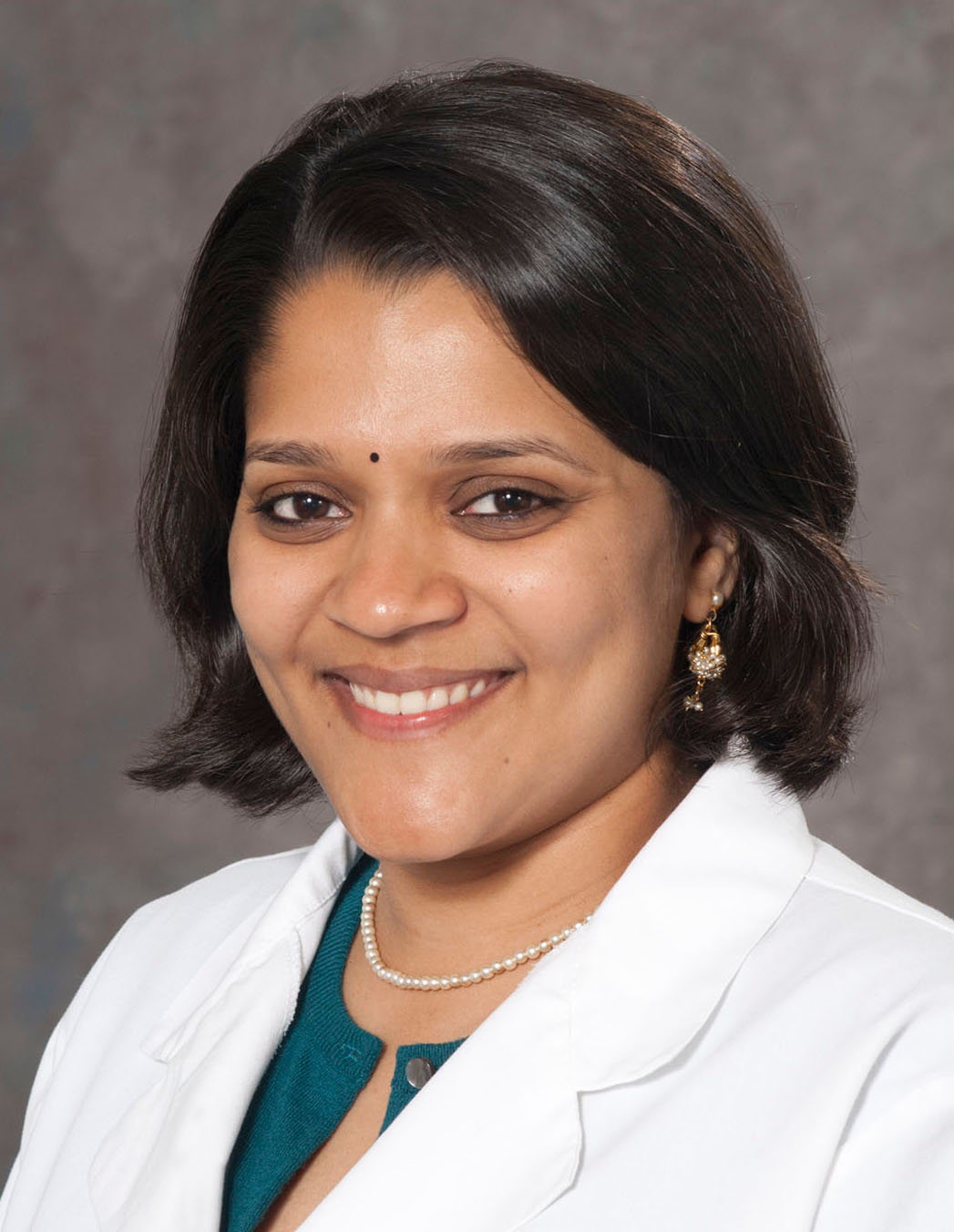
 

Nirmala Hariharan

Motivation. You’re the constant source of motivation for your team; you need to see the big picture and guide your team through the ups and downs. You’re the leader that inspires excellence and encourages scientific innovation. As a good mentor, you must recognise the true potential of your mentees – even if they don’t – and know how to bring out the best in them. In short, you should make them realise what they’re capable of.

 

Continue reading →

The postdoc series: Finding the right lab

Attack planning your career path and finding the right lab in the same way as you would plan a research experiment.

Fancy/ Punchstock/ Getty Images

{credit}Image credit: Fancy/ Punchstock/ Getty Images{/credit}

“If you chose the wrong lab, a lab that isn’t publishing heavily or is not pushing you, you’re not going to be able to get the papers you need to get into that lectureship or fellowship position that you’re looking for.” Although potentially painful to read, these words from Karen Hinxman, consultant at the Postdoc Development Centre at Imperial College, London, are about as honest as they come. There are a few things to consider carefully when planning your postdoc:

Plan ahead

As postdocs, it’s important to sit and think about your career before you embark on it, as you are really committing yourself to somethin for 3-5 years. Having a plan from Day One, and regularly assessing and comparing it to your progress will help keep things moving along smoothly. “It’s no longer enough to just rely on “doing good work” and hoping to land a position. Postdocs must strategically navigate their career,” says Jim Gould, Director at the Harvard Medical School Office for Postdoctoral Fellows.

“Most soon-to-be postdocs (and current ones) have trouble thinking about their careers beyond the next experiment,” says Gould. This is understandable, considering the workload that many have. But without proper planning and self-assessment, postdocs could end up picking the wrong lab for them, ultimately damaging their future careers. Attack planning your career path in the same way as you would plan a research experiment. Continue reading →