Most read on Naturejobs: July 2015

What makes a good scientist; Leaving academia; ERC funding and much more from Naturejobs this month.
naturejobs-readsThis month on the Naturejobs blog we’ve published 17 blog posts (18 if you include this one!). That’s a lot of words, and a lot of advice from your peers.

On the last Friday of every month we share the top picks, as chosen by you. Feast your eyes:

1. What is the biggest missing piece in how we educate scientists? Responses, from a range of thought leaders, ranged from the practical to the philosophical in STEM education: to build a scientist on Nature Careers.

2. Insider Knowledge, by Chris Woolston, offers insights into what others might have already learned in a career that you have chosen to follow. His advice: take the time to seek out what inside information you can get to help decide whether or not this career is the right fit for you. Continue reading

Transferable skills: Seek development opportunities

Team work and good communication are the two most valuable soft skills an academic can develop, says Elizabeth Silva.

Contributor Elizabeth Silva

teamwork-naturejobs-blog

Working effectively as a team means you need to understand how different people communicate.{credit}PhotoDisc/ Getty Images \ Brad Goodell{/credit}

PhDs commonly assert that their skills and experience are specific to their research niche: valuable at the bench but nowhere else. This perception is reinforced by the extraordinary time spent trouble-shooting experiments and analyzing data in detail. It is certainly true that any PhD moving away from academic research will need to learn new techniques or tools, referred to as hard skills, but most trainees are well-equipped to acquire these as needed. More important is the recognition that the real worth of a research-based PhD is in the development of highly-valued soft skills. It is these skills that many PhDs fail to see in themselves. It is also these skills that PhDs can and should be cultivating during their research, regardless of career goals.

At its best, a PhD selects for creative, rigorous and independent thinkers. A PhD’s greatest training is not in learning the details of a scientific problem but in how to find the answers they seek and critically evaluate the evidence underlying them. It is up to you, as a trainee, to actively seek opportunities to improve these skills, and these abound when you simply look for them at conferences, in journal clubs, in collaborating with colleagues, engaging in seminars and in broader scientific one-on-one conversations. It can be incredibly tempting to narrowly focus your attention on the science and techniques that are relevant to your research niche, but pushing yourself beyond your comfort zone will make you a better researcher and a more valuable employee. Continue reading

The ‘I’-deal science environment

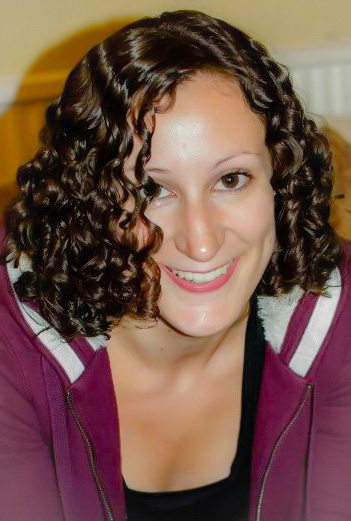
Esther Cooke

{credit}Image courtesy of Esther Cooke{/credit}

Introducing Esther Cooke, one of the winners of the London Naturejobs Career Expo journalism competition

Esther Cooke is a 4th year PhD student at the Leeds Institute of Cardiovascular and Metabolic Medicine, University of Leeds. Her research interests include molecular mechanisms of haemostasis and thrombosis. Outside of work, Esther engages in various outdoor pursuits such as walking and climbing. She also enjoys music, spending time with friends, and is actively involved with her local church. With a keen interest in writing, Esther aims to start her own blog in the near future.

—-x—-

There can be a real sense of excitement in science from actively making new discoveries. Despite some apparent drawbacks – most notably job instability, salary and work/life balance – the majority of scientists claim to be content with their research, according to the Naturejobs career survey from 2010. Interestingly, guidance and mentoring from senior staff were deemed the strongest contributors to satisfaction score, followed by salary and independence.

Dwelling on my experience as a PhD student, studying cardiovascular medicine at the University of Leeds, there is one aspect that I believe epitomises the ideal working environment for scientific researchers: teamwork.

Many of us enter research with an unadulterated purpose of advancing our field of interest – a purpose which is easily distorted within such highly competitive frameworks. Motivation to combat heart disease or unveil the mysteries of the universe soon contest with a mounting pressure to advance your personal career, group or institution. We observe the bottleneck of PhD students and postdocs journeying to that prized permanent position. Continue reading