My science failures: How to err wisely

Science stories are equal to success stories. Right? Wrong. In thinking of scientists as successful people, we often assume that their career paths are straightforward, meticulously planned, and yield positive outcomes. However, things don’t always go as planned. Behind every small success, there’s probably a string of failures — work that did not make it to the curriculum vitae, rejected papers, turned-down applications, declined grants, unsuccessful job interviews, and many closed doors.

Science blooms in these failures as much as it does in the glory of accepted manuscripts, grants, awards, and patents. In this blog series “My Science Failures” we will hear some straight-from-the-heart stories of these secret milestones in the lives of scientists — and learn how they turned these events on their head (or did not).

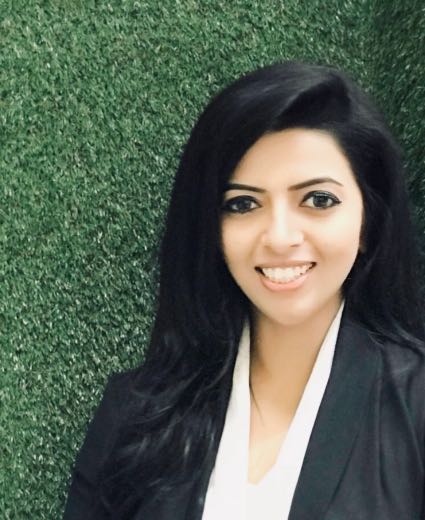
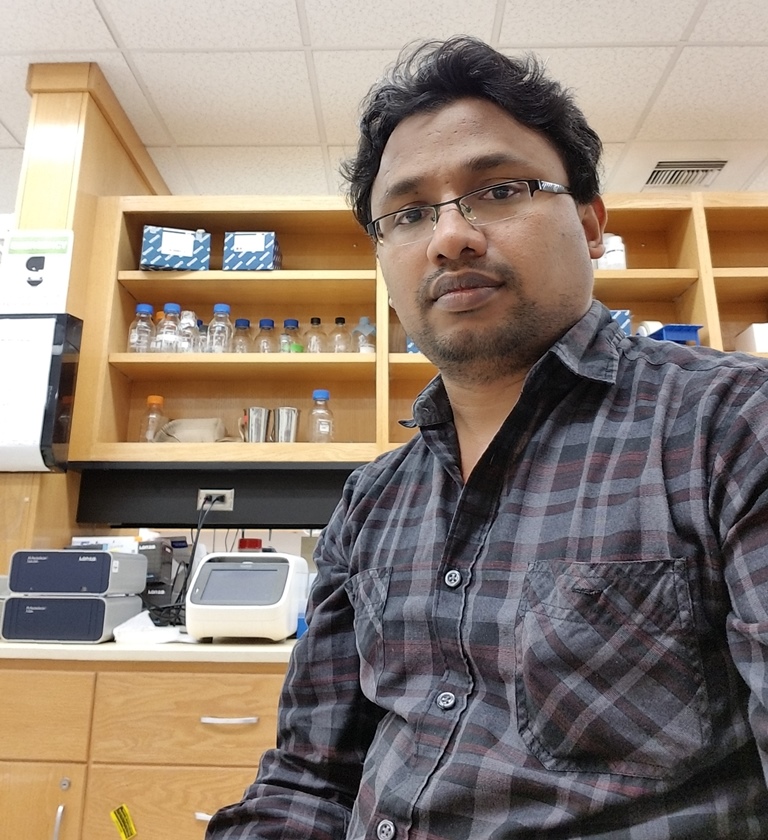
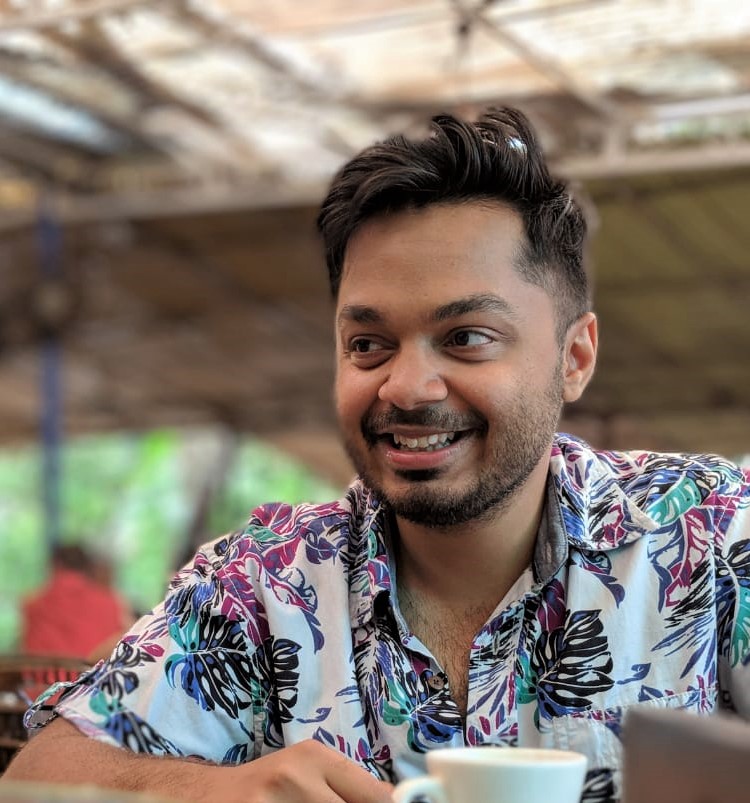
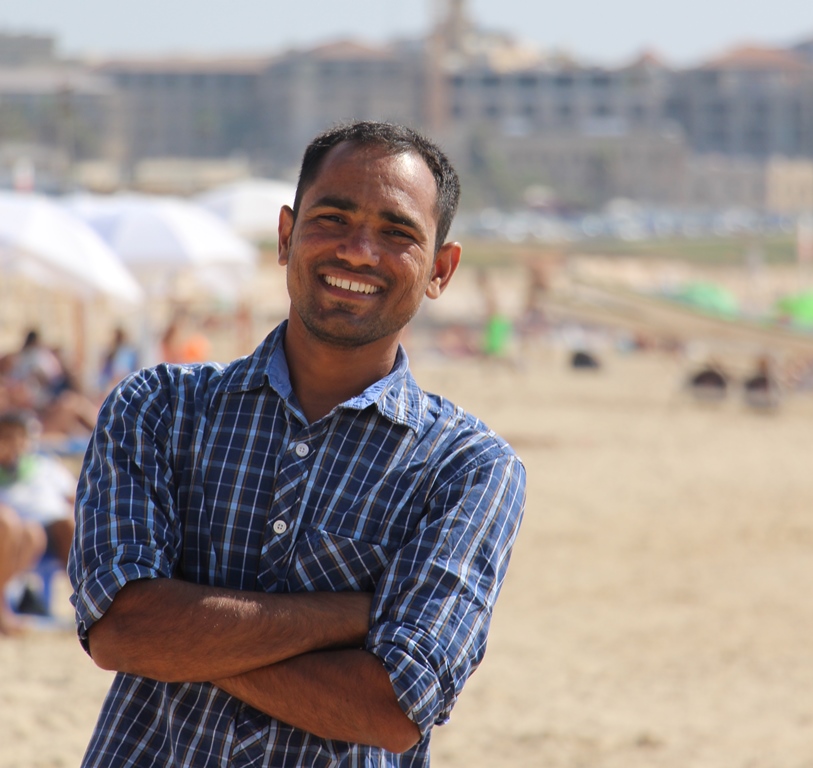
Vijay Soni, an instructor at Weill Cornell Medicine, New York, says the actual reason why science is so successful is these failures.
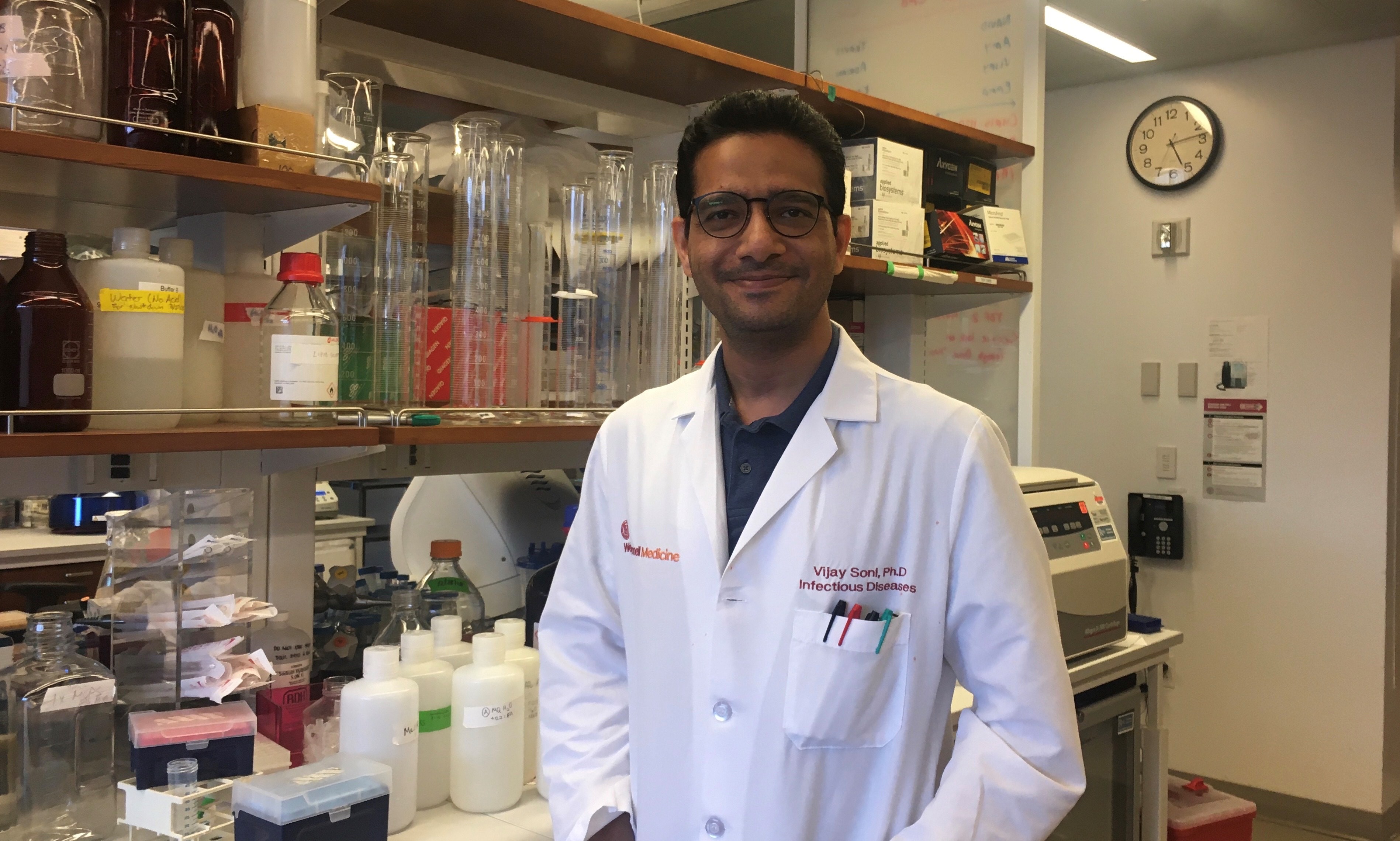
Vijay Soni

In science, we fail more often and at a rate higher than in other vocations. Hypotheses go wrong, experiments do not deliver the expected outcomes. There are contaminations, misleadingly simplistic or representative models, false-positive results, experiments without controls, rejections of manuscripts, and failed projects. The actual reason, why science is so successful, is all these failures. It is, therefore, imperative to learn the real value of mistakes.

Failures are a sign that you are inventing,” says Elon Musk. Curiosity guides us to learn better and faster. We have been taught to attach connotations to words and are accustomed to believing that success is positive, and failures are negative. However, learnings are never black and white – they are a full rainbow. Each colour is an experience that must be enjoyed, lived, and felt.

Scientists hardly speak of false starts. There is nothing glamorous about dead and failed stories. And so there is a big chunk of knowledge that goes unreported or unpublished.

How do scientists cope with recurrent failures and grow? In my own research journey, many times I wish I knew about earlier false starts so that it didn’t have to go down an already failed path. I did not find any resource where scientists shared their wisdom from failures. Therefore, I started FailWise to offer learnings, information, opinion, and guidance around such failures. The inspiration came from Brandon Mull’s words: “Smart people learn from their mistakes, but the real sharp ones learn from the mistakes of others.”

Every scientist has a personal relationship with failures, and evolves uniquely. I have too. As a biology undergraduate, I learnt a big lesson early on when my lecturer published under his name all data from a research project I was working on to get a grant. Similarly, a lab mate presented my data without my consent or acknowledgment to get a postdoc position. Lesson I learnt: don’t disclose all your data and research to anyone. Never circulate your lab reports or critical data even among close friends.

There are more things that I learnt as a researcher:

  1. I studied undergraduate in a Hindi medium. I always felt it would be a problem when I go for higher studies. But I was wrong. Language is not a barrier in science but lack of knowledge is. I never stopped reading books and research articles. If you do not read background literature, maintain notes or connect the dots to frame your questions, you will likely fail. Learn to ask better questions, you will automatically be guided towards better answers.
  2. Once I was told that I would not have been hired if I was not from a certain lab (my master’s and undergraduate studies were from a very small state university in India). It was discouraging. But I reminded myself that people who follow their path passionately and honestly make great scientists and labs, and they may not necessarily be working in a world-class institute. No matter what your background, chase your dreams with perseverance.
  3. After Masters, I was working as a project assistant at a renowned institute in India. I was treated like a labourer there — never allowed to ask any question, asked to help in my principal investigator’s household work. He used foul language, forced me to work at least 12 hours every day, even on weekends. I tried hard to stay but gave up after 6 months and joined another lab. The lesson I learnt: Quit (as soon as possible) if you are not respected or treated properly. A mentor who does not provoke thought or gives you the freedom to ask questions, will likely not aid your career much. Choose your research mentor wisely. You can not do science when you have a micro-manager or a bad human for a mentor.
  4. During my undergraduate, I was selected for a presentation for a national-level scholarship. I researched hard for a project on neural tube defects and but I was not well prepared for the presentation. And thus I failed to get the scholarship. Lesson learnt: Bad communication or presentation skills will dampen your science. Work on them, ask for feedback from your mentor and lab mates. Do mock presentations, write notes, try recording and listening to them to improve your sentences and script.
  5. While I was doing Ph.D. I never explored anything beyond my lab. But during postdoc, I started attending various courses on entrepreneurship and leadership skills. This helped me start my own company (Scipreneur). Researchers seldom explore things beyond their labs. Remember, your network is your net worth. Try to participate in courses, meetings, competitions, and networking events. Use social media wisely and to your benefit. Read biographies, listen and watch good talks and podcasts. They will help you in multiple ways. Like how to manage stress and time, how to cope with failures, how to deal with relationship hurdles, and how to envision your future with a better goal? Do more informational interviews, where you ask an expert’s time to discuss how they achieved their goals.
  6. Entrepreneurship was always on my mind but I never explored it as I felt I lacked the skills required. I failed to start on some interesting ideas and later found that someone had worked on them successfully. It took me 6 to 7 years to realise that Ph.D. and postdoc leverage us with so many traits like leadership, mentoring, communication, negotiation, perseverance, collaboration, and entrepreneurial skills. Do not undervalue yourself. Learn to swim beyond your safe zone and against the currents. It will not only boost your confidence but also enhance your ability to cope with challenges.
  7. I have seen researchers working day and night but failing to achieve big. Donkey work will seldom give you great science and big breaks; smart work will. You need to polish your ideas, questions, plans and execution. Teamwork is dream work, so never hesitate to ask for help. Collaborate and discuss with peers. I also learnt to use technology in the right way to accelerate the pace of research and increase efficiency. For example, use software and languages for better and fast analysis, LinkedIn for better collaboration and learning, Evernote for writing and as a virtual notebook, simple web-based software for colony counting and standard curve plotting, and different online tools to make beautiful figures and presentations.

We cannot predict failure, but we should keep the lessons learnt imprinted in our minds. Collaborative learning and sharing help us see mistakes more positively. Failures can rewire our brains and give us the confidence to approach problems from a different angle. They force us to question our hypotheses, plans, protocols, execution, and experimental setups. The greatest thing a scientist can discover is “a novel or better question”. Give yourself permission to fail and explore.
How outreach blends my worlds as a scientist and mom

Karishma S Kaushik, an Assistant Professor and Ramalingaswami Fellow at the Institute of Bioinformatics and Biotechnology in Savitribai Phule Pune University turned the pandemic into an opportune time to spur children’s interest in science, including her own son’s.

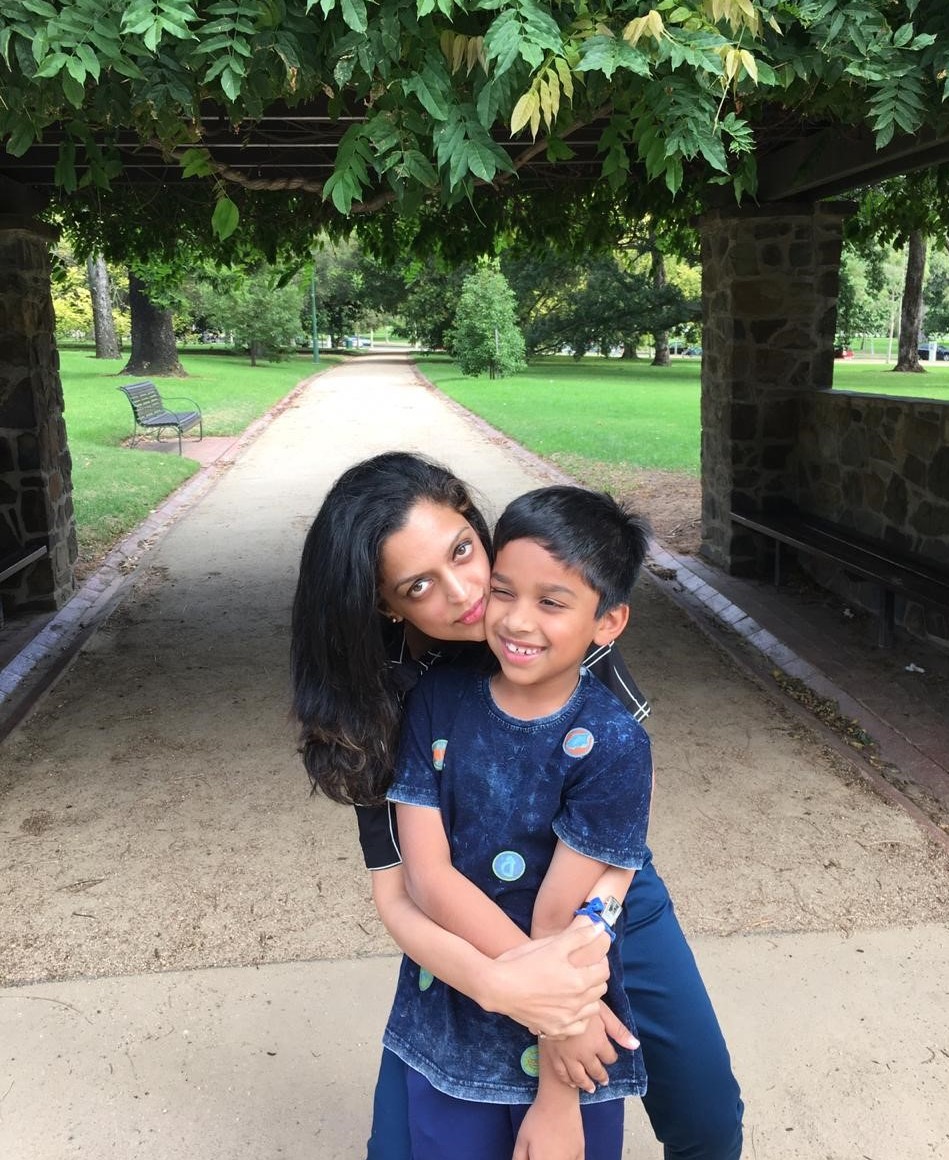
Karishma with son Abhay.

My phone pinged in the middle of the session. It was a message from my almost 10-year-old son. “Spelling mistake in slide 36. Instead of 1st you wrote ist” – the message read. I chuckled. Here I was, conducting a summer science quiz for children and their families across India, and getting instant feedback from the next room in the house. This was a heart-warming moment. It effortlessly represented how in a pandemic-stricken year, science outreach bridged my worlds as a scientist and a mother.

The pandemic forced a nation-wide lockdown in India in March 2020. It was around this time that my research colleague Snehal Kadam and I co-founded Talk to a Scientist. Schools were closed and I was giving informal science lessons to my son at home. He had so many questions – What is this virus? What is a pandemic? Why do we need to wear masks? Does the virus spread through food? As our science conversations gathered steam, I saw an opportunity in this rather distressful time to get children interested in, and excited about, science. I asked my son, “Do you think other kids your age, your friends for example, would be keen to talk to a scientist about all that is going on?” He was excited, “That would be great mom, but not just COVID, other topics as well.”

The first session of our webinar series went live on March 30, 2020, befittingly on COVID-19 for kids. Snehal and I made the visual content for the session, and I ran it by my son. He made edits and suggestions, and we got ready to roll. We expected 5 children to show up, and I was counting on my son and his cousins to be three of them. Much to our surprise and excitement, we had 75 children from across India join in. On popular demand, we started a weekly webinar for young minds.

The project has grown, and my son and I have spent hours brainstorming. For a session on medicines, he asked us to change the word ‘drug’ to ‘medicine’ on the slides. ‘Kids should not think you are talking about those kinds of ‘drugs’ that make people woozy, mom!” he said. I laughed and thought, my son is growing up. When I suggested a theme for a season, he would quickly come up with names from among my colleagues to be the guest scientists. “What about that scientist who works on peafowls, you shared a room with her in the Delhi conclave?” He has been a part of my professional life through conversations and conference books I brought back home, and now he was using it all to contribute to our outreach programme!

On the momentous occasion of us winning a grant to grow the platform, he stood near me, jumping with excitement, as I called Snehal to tell her the good news. Through weekly sessions spread over one year, he has enjoyed doing small jobs for the outreach – suggesting new features in the website, ideating for hands-on sessions with home supplies (as a parent myself, I did not want families to go out shopping for supplies in the middle of a pandemic), checking for typos in the slides, and sending flyers and posters to his school friends. For him, the ownership and importance of being a part of a national outreach programme has been thrilling. I would like to think that he will grow up to remember how it all started, with a casual conversation between us at home, and the time we spent together growing it in what was otherwise a tough year.

For me, in a year filled with professional uncertainties, pressures of working from home and home-schooling, science outreach has been a beautiful amalgam of my roles as a scientist and a mother. When the world was turning to science for answers, the scientist in me wanted to contribute to science outreach and education in the country, by sharing the process of scientific discovery and its power to transform lives and livelihoods. That I could co-create this with my son made this initiative even more special. Since the time I was a pregnant PhD student, determined to balance my life and career as a scientist and mother, I have day-dreamed scenarios where my son and I would talk about scientific advances, when he would join me on conference trips, and even imagined the possibility of us working together some day. I would like to believe that ‘Talk to a Scientist’ is the beginning of this journey.

While there have been numerous fun moments, one has been extra special. In the middle of one of the sessions, I caught my son taking a snack break in the kitchen. I looked at him questioningly, “Why are you not attending the webinar?” He replied matter-of-factly, “Your slides got a little boring mom, I will help you make better ones for next week”.

In addition to correcting typos, such no-filter feedback has been part of the deal!

Curating during a contagion

Almost 90 per cent of the world’s museums are facing closure due to the COVID-19 pandemic. Aditi Ghose, an Education Assistant at Birla Industrial & Technological Museum in Kolkata, says museums will have to become emotionally intelligent and responsive to stay relevant through the crisis.

A COVID-19 themed exhibition at Birla Industrial and Technological Museum, Kolkata.{credit}BITM{/credit}

In the middle of a pandemic, imagine planning a science exhibition that explains the contagion to people. What should it feature — test-kits, ventilators, surgical masks and PPE suits? Does the museum have enough supplies to create exhibits? Can the exhibits be sanitised and safely displayed for the audience? Will enough people turn up?

Museums are having to deal with all these imponderables in between frequent shutdowns necessitated by the COVID-19 pandemic. Almost 90 per cent of the world’s nearly 60,000 museums are faced with full, partial or eventual closure. Most museum staff are working from home, cataloguing, processing and preserving artefacts.

Juggling to protect collections, absorbing financial blows and protecting staff and assets while staying engaged with the public, museums are still aspiring to stay relevant. The museums which have closed down due to poor financing, sponsorships or funding, are no less vulnerable than those partially open. On 29 March 2020, Vincent van Gogh’s famous work ‘Spring Garden’ was stolen from the Singer Laren Museum in Netherlands during lockdown.

The International Council of Museums calls museums “institutions” owing their origins to the Wunderkammer or cabinets of curiosities featuring collections of natural history specimens, artefacts and curiosities, amassed by princes, dukes and other men of stature, museums have always provided sources and spaces for scholarly communication and informative entertainment.”

Museums are repositories of cultural memory gathering material objects and information to guard against its anticipated losses. Around the world, the treasure troves of our times sit proudly among those preceding ours, in climate controlled environments, in glass boxes, on wooden shelves and under shaded lights.

In reality, however, only about 10% of museum holdings ever go on display. Also — just like the records of book in a library point to its location without revealing the full contents — objects in museums are kept separate from their catalogued details, often offsite. The COVID-19 pandemic offers the opportunity to narrow this gap through digitization of rare photographs, videos and other content.  Digital objects are the blueprints — collected, documented and interpreted well — allowing deeper and richer experiences for visitors, especially during lockdowns. They open the museum doors to a global audience, who neither had such an opportunity in the past nor may have in an uncertain future. To survive the crisis, museum professionals across the world must embrace the flexibility of opening up museums to the digital realm.

During the lockdown, explanatory multi-lingual programmes organised by museums are seeking to engage audiences online.{credit}BITM, Kolkata{/credit}

A one-dimensional transfer of knowledge from museums to its stake-holders — such as through overnight virtual museum tours or mobile applications — does more harm than good. The needs of audiences have changed, as has the audience composition itself. As crisis keeps people at home and they turn to museums for their science knowledge repositories, it is worth creating digital content. Instead of uploading digital copies of existing galleries online, making ample usage of the autonomy, multi-layered multimedia and linked content that the new medium provides might help museums reach entirely new audiences. A website doesn’t have walls, a gallery doesn’t have tabs. The faster we understand this difference  and stop replicating our gallery contents online, the easier it will be to contextualise information.

These are tough times – for museums as well the audience they cater to. Amidst the prevailing confusion, institutional body language could be the powerful unspoken and unwritten message that museums could convey. “In the mist of chaos, museums break the walls that keep us apart,” assures Beryl Ondiek, Director of National Museum in Seychelles. Museums that survive this pandemic will emerge with deeper connections to their audiences and communities. A well-defined, battle-tested sense of purpose, will make them stronger than ever – and also strengthen those they serve. As Anne Marie Afeiche, the Executive Director General of Lebanon’s Council of Museums points out,”We will come through this and we are keeping in mind, for after COVID-19, the reprogramming of activities in our museums, because by saving culture, we save society, it’s diversity, it’s vitality and it’s creativity”.

What’s missing in the global COVID-19 news reportage are the stories behind the stark numbers of those dead or infected. These stories should take centrestage while planning for an exhibition on COVID-19 — the oral histories and the first-hand experiences of people. When the intensity of the crisis needs to be conveyed in a public exposition several years from now, a well curated collection of empty cartons of PPE suits, a jumbo-sized sanitizer jar, a handmade mask or perhaps a hand-written shopping list of essential items will be telling. Likewise, by engaging our audiences emphatically in our closed musums, respecting their voices, allowing them choices and approaching a fresh, unprejudiced attitude towards opening our doors, shall go a long way in keeping museums exciting. The Smithsonian Museum is actually collecting such coronavirus ‘artefacts’ to document the pandemic and plans on letting oral history shape the exhibition.

Closer home, the National Council of Science Museums is also curating an interactive digital exhibition on the pandemic.

Creating, hosting or managing museums has never been fast, easy or cheap. Making them digital or interactive will also not be. Once museums have survived these uncertain times, they need to become more emotionally intelligent and responsive. Museums have to become good listeners.

(Aditi Ghose can be reached at aditincsm@gmail.com)

Nature India Photo Contest 2019: Finalist #5

And here’s finalist number five in the Nature India Photo Contest 2019:

Avijit Ghosh, Kolkata, West Bengal, India.
Photo caption: Empowering meal

{credit}Avijit Ghosh{/credit}

“In many parts of rural India, school students are given mid-day meals. These free lunches for children in primary and upper primary classes are an innovative scheme to help children get nutrition while also incentivising their school attendance. This scheme exemplifies how food can be used as a means of empowering communities – both through nutrition and education.” — Avijit Ghosh

Welcome to the top 10 shortlist, Avijit!

Watch this space as we announce the other finalists in the coming days.

The winning pictures will get cash prizes worth $350, $250 and $200 respectively. The top 10 finalists will be featured here, on Nature India’s blog Indigenus and in our subsequent annual issue. 

These entries have been judged for novelty, creativity, quality and print worthiness. The winner and two runners-up will also receive a copy of the Nature India Annual Volume 2019 and a bag of Nature Research goodies (including Collector’s first issues of Nature and Scientific American and some other keepsakes). Winning entries stand a chance of being featured on the cover of one of our forthcoming print publications.

A professional doctorate for a career beyond academics

In today’s guest post, Anushika Bose, an alumna of the University of Delhi, shares her journey as a researcher in the area of renewable energy, and her unusual choice of  a ‘professional doctorate’.

Anushika did a PhD from the Helmholtz Centre for Environmental Research (UFZ) in Leipzig, Germany, while being associated as a visiting scholar at the Humboldt University of Berlin. What prompted her choice, what does such an association mean and how is it different from a doctorate in an academic University? Read on.

Anushika Bose

Science was not my first love

Frankly, I wasn’t interested in science or medicine to begin with. I wanted to study law and work as a corporate lawyer. But for my Bengali parents, the definition of education was simply “science”. They steered me into science but left me to get as creative as I could with the subject. I prepared to sit in the medical entrance examinations in India but got through dental sciences only. As I was aware of my pathetic practical hand, clubbed with the fear of not performing well (and keeping in mind the general well-being of humanity), I chose not to go ahead with it.

Despite the decision, the fascination of having the initial “Dr.” prefixed to my name lurked at the back of my mind.

I enrolled for a bachelor’s degree in science from the University of Delhi, where studying about the environment and its ordeals fascinated me. After a master’s in environment management, I got a scholarship from the German Academic Exchange Service (DAAD) to do a PhD in Germany. I was 23. I knew it was too early, but I could not miss the chance. I felt a bit awkward amidst my fellow scholarship awardees, all of whom had previous research experience and publications in international journals.

Studying smart, eco-friendly energy

As a research scholar at Humboldt University in Berlin, I worked on environmentally smart and safe deployment of wind energy infrastructure across landscapes, specifically minimising the direct collision of birds with turbines, thereby keeping green energy as green as possible.

Well aware of the urgent utility of my research, I applied for recognition from the United Nations for a visiting PhD and simultaneously worked as a scientist at the Helmholtz Centre for Environmental Research (UFZ) in Leipzig, Germany.

It worked for me because of an existing system of cooperation between universities and research organisations in Germany. Scholars who join a research organisation for a PhD get associated to a professor (with a similar research background or interest) in a University. In such cases we serve the organisation and its projects. The scientific publication generated from these projects (authored by the scholars), published mostly in international peer-reviewed journals, is also compiled later to form a thesis. The scholar then defends his/her research by means of this thesis in the University and gets a doctoral degree from the University. The best part of such an association is that the years you spend doing research are counted as both work experience and academic record.

I came back to India to head the geospatial analytics wing of a renewable energy research and analytics firm based in Gurgaon, Haryana. We address the various technical, strategic and commercial challenges that the renewables industry faces, with a particular emphasis on risks and uncertainties at each stage of the value chain. We envision helping economies integrate renewable energy into their energy mix using our analytical platforms for a cleaner, sustainable and better tomorrow.

The German experience

At UFZ, I focused on environmentally safe and smart spatial planning of renewable energy infrastructures across the German landscape. My objective was to see how both the environment and people could benefit from sustainable use of wind energy.

UFZ’s approach of working with a global focus suited my career portfolio. Their research was through integration and synthesis of results on-ground, which was helpful when I later tried replicating the strategies in India. UFZ  gives young environmental science researchers ample freedom and insight into integrative research, alongside preparing them for political and managerial careers.

I also liked the flexible, no-fuss, punctuality-driven work environment. I loved the ‘work hard, party harder’ culture, where weekend planning begins by 2 p. m. on Fridays. The segregation of private and work life – no calls, no emails on the weekends, no last minute hassles, nothing ad-hoc – is priceless.

The cultural learning was enriching too – from waiting at traffic lights patiently to sorting trash, from making grocery shopping lists to reading every line in an agreement document before signing. I was amazed at how much the Germans love Indian culture and traditions – they participate in Indian festivals held in major cities there, wearing the Indian attire, relishing our “spicy” food.

The language barrier was never an issue because DAAD made sure we were trained in Deutsch before pursuing research. As far as racism goes, I did hear cases against fellow Indians from time to time though personally I did not face any. Many people confused me as being from the Middle East. Middle Eastern women often came up to me to ask why I haven’t covered my head. There is a substantial Middle Eastern community in Berlin and Leipzig, which maybe the reason I never faced discrimination.

The one challenge I did face was being homesick — especially I lived with my parents all my life. I missed family, food and friends, strictly in that order, during my time outside the country.

Academic vs. professional doctorate

Another challenge was pursuing a professional doctorate from a research organisation instead of a university. In general, a doctorate prepares one for an academic career, while a professional doctorate is geared more towards a professional career. While professional doctorates may hold an adjunct or even regular faculty position at Universities, the reverse is not true. This was my primary motivation behind opting for professional doctorate. All doctoral programmes, however, require coursework and an individual research project. The one at the University requires comprehensive exams and may include residencies, which is mostly not the case at research organisations.

The primary difference between these two types of doctorates is the type of research. University doctorates have a guided set up with assistance from professors, postdocs and fellow PhDs. Professional doctorate students, on the other hand, are expected to expand and apply existing knowledge and research to existing problems in their professional fields, often not with much guidance. A professional doctorate is counted under both work experience and educational experience. It benefits both ways but comes with an enormous pressure to perform and publish just as fellow experienced scientist colleagues.

Ultimately, the decision to pursue any of these types of doctorates should be based on assessing one’s career goals and how one plans to use the degree to meet these goals.

A postdoc is an individual choice. My focus had always been more towards a professional career instead of purely academics. Though scholarships and positions for postdocs exist in Germany, they expect a brilliant publication record and an equally good PhD research experience. This is mostly possible if you have worked in the same lab or institution and under the same project, preferably under the same supervisor/professor. Therefore, it is a common practice to absorb a graduating PhD from a lab as a postdoc in the same lab.

I would suggest aspiring Indian students to look for collaborations with their institutes/organisations here and the desired organisations in Germany. India’s Department of Science and Technology and the German government promote such joint research initiatives, allowing institutes and collaborators to connect.

Back Home

Back home now, my research is majorly into renewable energy development projects, primarily to guide India towards a renewable energy transition. The easy availability of technicalities from countries like Germany could facilitate India’s rapid energy transition into a future CO2 neutral economy in India.

Joint research initiatives could allow German institutes and collaborators to connect and utilise their expertise gathered over decades, monitor the results on a different soil, and gain international experience through collaborations with India.

My pursuit remains to stay well connected and incorporated with my work in both the countries.

[Anushika Bose can be contacted at bose.anushka21@gmail.com]

Away from home: Using science for societal good

Our ‘Away from home’ interactive map features 50 bright Indian postdocs from around the world. Write to us at npgindia@nature.com to suggest names of postdocs from countries and disciplines we haven’t covered yet.

Saidulu Mattapally, a Postdoctoral Fellow at the Department of Biomedical Engineering at The University of Alabama at Birmingham, USA, is enamoured by the translational aspect of science. From exploring coronary genetic defects to unraveling the secrets locked in India’s traditional system of medicine, this molecular geneticist from Osmania University, Hyderabad, strives to do application-based science that has immediate benefits for people.

Saidulu Mattapally

Driven by the relevance of science

Molecular genetics is not just a fascinating field of science but also offers immediate medicinal applications. This therapeutic relevance triggered my early interest in the field. I tried to explore the molecular and hereditary premise of coronary illness in my graduate and doctoral studies.

Scientific investigation helps shape the broader questions we ask – for me an investigative approach is also a state of mind. From a young age, I have been inspired to think of the broader relevance of things. Science has been eternally interesting to me and I always wanted to be in research.

After a bachelor’s from Osmania University, Hyderabad, I got into a master’s course in genetics at the same university learning advanced experimental techniques in molecular biology, biochemistry, immunology and genetics. I was selected as a research scientist in the pharmacology division of CSIR-Indian Institute of Chemical Technology, Hyderabad, one of the best chemical technology institutes in India.  My Ph.D. under Sanjay K. Banerjee at the same institute involved genetics (Sanger sequencing).

I also got the opportunity to work with Kumarasamy Thangaraj and Lalji Singh’s group at CSIR-Center for Cellular and Molecular Biology (CCMB), Hyderabad. They published two papers in Nature, which was a great learning experience.

Combining molecular genetic and pharmacology

Though my interest was in the molecular and genetic basis of congenital heart disease, I spent a year to learn advanced molecular genetic techniques. During this time I worked on a project exploring malaria risk among ancestral Indian tribal populations. We needed to collaborate with a hospital to get samples. Although CCMB scientists were helpful, doctors were not convinced except in one Hyderabad hospital, which gave us the opportunity to work with congenital heart disease samples.  My supervisor urged me to explore the work of two Indian origin scientists Deepak Srivastava and Aravinda Chakravarti. We wrote a grant on their work for the Indian scenario, and although we didn’t get funded, we continued to work on the project.

During Ph.D., I got the opportunity to present this work at the prestigious international conferences of the American Society of Human Genetics in 2013 and 2014. There I met Aravinda Chakravarti, the scientist who had influenced my project. Around the same time, I got an opportunity to attend a next-generation sequencing event in Boston. There, I heard a lecture by Eric Topol, one of best-individualized medicine and genome and digital technologies researchers. A five-minute chat with him and later his book ‘The Creative Destruction of Medicine’ continue to inspire me.

I was also awarded a DBT travel grant in 2015 to attend the next American Society of Human Genetics meeting in San Diego. In addition to molecular biology and genetics, I learned an immense lot about pharmacology, development of different types of animal models to study different diseases, and pharmacological screening of small molecules. My doctoral stint had already convinced me of the strong relationship between molecular genetics and pharmacology.

During my doctoral stint with Dr. Banerjee, we traced a genetic mutation associated with congenital heart disease in south India. Our work shed light on a very important aspect of gene mutation as we reported a novel mutation associated with ventricular septal defect (VSD).

Postdoc years – when life and career intertwine

Around this time, my father and best friend Yellaiah Mattapally passed away when he fell from a toddy (palm) tree. He was a farmer and always talked about the problems he faced in his agricultural practices on account of being illiterate. He would always egg me on to become a scientist and work for the society.

Fulfilling my father’s dreams, I finished my Ph.D. in 2014. I got married the same year and received a postdoc opportunity from the University of Minnesota in Dr. Nobuaki Kikyo’s lab soon after. I decided to take my spouse along though we couldn’t go since my visa didn’t arrive in time. Following many ups and downs, one year later, I took up an offer from Dr. Jianyi (Jay) Zhang at the University of Alabama at Birmingham. Our son was born that year.

In life as in a postdoc career, many problems come interspersed with solutions – and a lesson I learned was that one should be mentally prepared for these years when both personal and professional lives face a lot of changes. In the end, they work out fine.

As a postdoctoral student, I trained in CRISPR-Cas9 in skeletal muscle cells and mouse induced pluripotent stem cell (iPSC) culture. I studied how gene expression and epigenetic modification change during differentiation of mouse skeletal muscle cells. I have completed 3 years of post-doctoral work and hope to wrap it up by end of 2018. In the first year, I tested the hypothesis that fetal genes linked to congenital heart defects can treat adult heart failure (myocardial infarction). We reported the effectiveness of transplanted, human iPSC-derived cardiomyocytes in the treatment of ischemic myocardial injury. Currently, I am working on the development of universal human iPSC by CRISPR-cas9 mediated Knockout MHC class I and MHC class II expression. Also, the differentiation of these cells into three lineages – cardiomyocytes (iPSC-CM), endothelial cells (iPSC-EC) and smooth muscle cells (iPSC-SMC) – to treat myocardial infarction in swine.

Traditional knowledge needs more exploring

Though medical practice in India majorly involves western medicine, the Indian traditional system of medicine Ayurveda is now being practiced and accepted all over the globe.

I remember my mother Ankulamma treating abdominal pain with medicinal plants. She also talked of Ayurvedic formulations to treat chronic diseases such as diabetes.  In Telangana, where I was born, we celebrated the annual floral festival of Bathukamma, when we brothers brought home beautiful yellow flowers of the native tree Senna auriculata and other flowers for our sisters. Interestingly enough, when I recently started researching Ayurveda I learned that Senna auriculata is used for the treatment of diabetes and cardiovascular diseases.

I strongly feel that these traditional knowledge linkages need more scientific exploring.

During my undergraduate years, I used to help my father in our cotton and rice fields. I haven’t gone back to the fields in a long time. I wish to come back someday and work for my homeland, and dig deeper into the traditional knowledge wealth that India is so rich in.

Away from home: Doubling research fun with twin subjects

Our ‘Away from home’ interactive map features 49 bright Indian postdocs from around the world. Write to us at npgindia@nature.com to suggest names of postdocs from countries and disciplines we haven’t covered yet.

Varun Warrier, a postdoctoral researcher at the Autism Research Centre in University of Cambridge, UK, talks about the beautiful marriage of genetics and neurosciences . And how he has come to combine these two complementary subjects to carve out a meaningful research career. An alumnus of the Jawaharlal Nehru Centre for Advanced Scientific Research (JNCASR), Bangalore, Varun works on the genetics of autism and related traits.

Varun Warrier

It helps to know what you don’t want to do

When I finished high school, I had no idea what I wanted to do. I knew what I didn’t want to do, and in retrospect, that was very helpful. I didn’t want to study engineering or medicine. I didn’t have the inclination for the former, and was too squeamish for the latter. I ended up pursuing a degree in zoology, something I was reasonably good at.

At the end of the three-year undergraduate programme, I was faced with exactly the opposite problem. I knew what I wanted to do, but had to make a choice. I was lucky enough to get a three-summer undergraduate fellowship at the Jawaharlal Nehru Centre for Advanced Scientific Research (JNCASR), Bangalore. There, I worked with Anuranjan Anand on the genetics of stuttering. We searched for genetic regions linked to stuttering using an old genetic mapping technique called genetic linkage mapping. Many of the interesting genes were involved in brain development or neural signalling. I soon realized that I was as excited by neuroscience as genetics, and I had to decide between the two for my graduate programme. Since I already had some research experience in human genetics, I chose neuroscience for master’s at University College London (UCL).

People ask me if it was a big jump from zoology to neuroscience. I don’t think it was. The zoology degree was panoramic and, in effect, a life sciences degree. So, while some concepts like cognitive neurosciences were new, I was never completely at sea.

At UCL, I was required to conduct a 9-month research project. I was very much looking forward to this. Perhaps I wasn’t adventurous enough and ended up choosing a genetics project again! I worked on an extremely rare and debilitating childhood neurogenerative disease called Neuronal Ceroid Lipofuscinoses and thoroughly enjoyed it.

Coupling favourites

Towards the end of the project, when I had to make another choice, it came easy. I was enjoying the beautiful coming together of the two disciplines – neuroscience and genetics. I wanted to investigate research questions in neuroscience, using genetic methods. These silos are all a bit arbitrary though and don’t really matter too much. Once you start working on something, you’re likely to ‘borrow’ ideas from multiple fields.

It was this happy marriage of genetics and neuroscience that got me working with Simon Baron-Cohen at the University of Cambridge in the United Kingdom for an MPhil and a PhD. Getting into Simon’s lab was a matter of being at the right place at the right time. I had read some of Simon’s work, and wrote to him. I didn’t expect to get in. But as luck would have it, Simon had genetic data that needed to be analysed.

At Cambridge, I gradually pivoted towards human genomics, which required a lot of programming and statistics. I worked (and still do) on the genetics of traits related to autism, such as empathy, emotion recognition, and an interest in systems. People are surprised when I tell them of my work on the genetics of these traits – many don’t think something like empathy is genetic. But all human attributes are partly genetic despite what my sociologist friends will tell you.

Autism is complex, and no two autistic persons are alike. There are subgroups within the autism spectrum. Large scale genetic studies have had some success in subgrouping this spectrum by identifying variants in specific genes linked to specific syndromes. My most exciting research so far suggests that the two core domains of autism – social interaction difficulties (the social domain), and the unusually repetitive and restricted interests and behaviour (the non-social domain) – are genetically dissociable. I am not the first to suggest this as there have been a few studies to come to similar conclusions, but ours was the first to provide molecular genetic evidence in support of this hypothesis.

Choose your lab, supervisor well

So much of this journey has been made less arduous by very supportive and inspiring mentors and supervisors. When you don’t get along with your supervisor, your project can be extremely stressful. It’s always important to think carefully about doing a PhD, and finding the right supervisor. A PhD is always challenging, and it’s meant to be.  To paraphrase the author Jhumpa Lahiri, writing a novel is like jumping off a cliff and not knowing where you’re going to land. I think this is true of a PhD as well. Ideally, you’re doing something new and you’re never sure if you’re going to get it right. That for me was the most exciting aspect of the PhD.

When I embarked on doctoral research, I knew three years would be enough for me to decide whether to stay in academia or not. I found the PhD experience so enjoyable that I’ve decided to stay on at the University of Cambridge, and have transitioned into postdoctoral research.

The first few months as a postdoc were daunting. I guess the lack of a structured medium or long-term goal is difficult to get used to. I’m now used to the rhythm of a postdoc, and continue researching the genetics of autism and related traits.

Something that people don’t necessarily tell you but becomes quickly apparent is the number of rejections you get as an academic. Experiments fail, manuscripts are rejected, applications are unsuccessful. Perhaps this is true of all human endeavour, but I have nothing else to compare this to. I am still learning to develop a thick skin and take failures and rejection in my stride. But it’s not always a rejection – the intermittent successes are enormously exciting and make everything worthwhile.

Speak up if you experience intolerance, racism in your lab

Senior academics must step up and take the lead in discussing intolerance, says Devang Mehta, a postdoctoral fellow in the Laboratory of Plant Genomics at the Department of Biological Sciences, University of Alberta in Edmonton, Canada.

Mehta, who moved to Europe from India as a graduate student, regrets not having talked about such concerns with supervisors during his PhD.

{credit}Pixabay{/credit}

Last month, anti-Asian graffiti was painted in residences on the campus of my PhD alma mater, the Swiss Federal Institute of Technology (ETH) Zurich, and Asian students’ work was vandalized with racist slogans. That same week brought allegations that a leading astrophysicist at the Max Planck Institute for Astrophysics in Garching, Germany, had used racist language towards trainees, among other bullying. (The astrophysicist has defended her behaviour, and says her comments were distorted and taken out of context; see news story.)

When blatantly racist incidents occur in our universities, we academics usually prefer not to address them. We leave their handling to university administrators, who tend to deal only with the most serious cases, frequently long after they have happened. In my experience, scientists often do a poor job of recognizing and dealing with racism in our workplaces. In fact, several colleagues I spoke to while writing this article expressed scepticism that racial bias even exists in the often highly international scientific work environment. This blindness to the issue keeps us from addressing racism within the close-knit structures of academic labs.

{credit}devang mehta{/credit}

My own experiences pale in comparison to others’, but are still worth recounting. I came to Europe as a graduate student from India in 2012, just as terrorism and the refugee crisis were sparking a sharp increase in anti-immigrant rhetoric. However, working in incredibly diverse labs, I felt largely insulated.

This changed when a colleague asked me to tell a Muslim colleague off for having an untidy workbench because ‘they’ respond better to male authority. All I could do was stare, dumbstruck. In another instance, when asked about supporting diversity in a meeting with students, a European professor laughingly admitted to not hiring Asian researchers because he found ‘them’ difficult to work with. And I’ve heard many scientists casually dismiss all published papers from labs in certain countries as bad science, in the presence of students from those very countries.

I deeply regret that during my PhD I did not talk about these experiences with my supervisors. By not doing so, I denied them the opportunity to learn from and address my concerns in the manner in which I’m now confident they would have done. Why didn’t I work up the courage to report my concerns? I didn’t want to rock the boat. Like many scientists from ethnic-minority groups, I was an immigrant lacking the social and economic safety nets that citizens enjoy. It was so much easier to put my head down and race towards that PhD.

Although official policies such as institutional codes of conduct and instruments of redress for serious offences are essential, individual principal investigators (PIs) also need to model the sort of communication that is lacking today. If the reluctance of junior researchers like me to talk about racism is regrettable, the silence, and hence complicity, of senior faculty members is unconscionable. Scientists, as a community, must practise having tolerant conversations about intolerance, unconscious bias, unfair power structures and a friendlier workplace for everyone. And that just isn’t happening: both the targets of and witnesses to microaggressions worry that they are reading too much into certain actions. Relevant incidents rarely reach the attention of PIs.

The lead must come from the top — from PIs, deans, provosts. The first step could be something as simple as showing a willingness to hear about racism and intolerance from students and employees. I have asked around, and I have not heard of a single instance in which a lab head, of any race or ethnicity, male or female, held a lab meeting or sent a welcome e-mail explicitly recognizing that these are real problems they are willing to discuss. I write publicly about these topics, but I find it hard to even imagine raising racism or inequality with supervisors in face-to-face meetings unless they first signalled an openness to talk about them.

It’s not easy to call out colleagues over racist comments or intolerant behaviour, but we must. For inspiration, I sometimes consider the universal ethical code for scientists devised in 2007 by David King, then the UK government’s chief scientific adviser, which requires high standards of integrity for evidence and society (go.nature.com/2u7ydtd). And guidelines exist for essential conversations, for example those from the Massive Science Consortium, a group of more than 300 young scientists of which I’m a member. One tenet is “assume good intentions and forgive”. Talking about race can lead to people feeling persecuted, fairly or unfairly, and forgiveness is needed to move on from a confrontational or racist incident. (Assuming, of course, that the incident was minor, and apologies were offered.)

Another guideline is “step back and step up”. This asks privileged individuals to make sure they don’t dominate a discussion, and to listen to contributions from minorities and less powerful groups.

Perhaps the most important guideline is “speak and listen from personal experience”. In other words, do not instinctively question the validity of someone else’s experience; this happens so often with women and minorities. It is especially apparent when institutions reflexively defend the accused. It is up to tenured professors to protest and demand more introspection from their employers and employees.

Fundamentally, tackling racism and intolerance in science requires an acknowledgement from us all that it exists. I call on senior scientists to speak up and to invite others to do so.

[This piece was first published as a ‘World View’ article in Nature.] 

Away from home: Blending in to stand out

Our ‘Away from home’ interactive map features 48 bright Indian postdocs from around the world. Write to us at npgindia@nature.com to suggest names of postdocs from countries and disciplines we haven’t covered yet.

Raj Rajeshwar Malinda, a post-doctoral cell and developmental biologist at the National Institute for Basic Biology (NIBB), Okazaki, Japan has visited close to 40 countries and worked in some of them. A PhD from the University of Copenhagen, Denmark and a biotechnology masters from the University of Rajasthan, Jaipur, India, Raj draws from his rich experiences from around the world to suggest it’s best to blend in to appreciate different cultures.

Raj Rajeshwar Malinda

Decoding the cellular language

Life on Earth began with a single cell and evolved into very complex organisms such as humans. The cell is the smallest functional unit of life – the “building block” that contains all necessary information for survival. Though cell biology studies got a boost in the late 17th century with the advent of the microscope, we still don’t have ample information on how life managed to survive on Earth. A lot more information is needed to decode the cellular language of life and this mystery led me into the world of cell biology.

I love getting even the tiniest bit of information on cells and their behavior. To understand complex cellular dynamics, I combined knowledge from my cell biology PhD with developmental biology for a joined up approach towards answering questions on how life survives during development.

My journey began from a small rural town in India called “Neem ka Thana” and got me to Okazaki, a small town in Japan via many metropolitan cities across the globe. While I was still a masters student of biotechnology at the University of Rajasthan in Jaipur, India, I got a chance to meet several Nobel Laureates at a conclave. This was one of the factors that motivated me to pursue a career in research, discovery and innovation.

During my PhD at the University of Copenhagen, I was mainly focused on cellular mechanisms regulating disassembly of primary cilia (a sensory organelle found on cell surface, important in embryonic development and homeostasis) using mammalian cultured cells as a model system. In my post-doctoral tenure at NIBB, Japan, I have been investigating the regulatory mechanisms responsible for collective cell behaviour during early development of vertebrates using Xenopus laevis as a model organism, with special focus on the mechanistic properties.

Japan: An incredible mix of tradition and advancement

Besides science, I am fascinated by the diversity of people – races, cultures, languages and religions – around the world. Moving to Japan was a big decision – from Denmark in the west to the east. However, this transition was pretty smooth for me, having assimilated experiences from my travel to more than 40 countries around the globe. Despite all that I have seen, Japan is very different, very unique, truly an incredible country blending tradition and scientific advancement beautifully. Discipline, attention to detail, dedication, politeness, hospitality, punctuality and respect for the past – these were the Japanese hallmarks that made me fall in love with the country instantly.

However, language was a big issue since people, especially in the countryside, hardly spoke other foreign languages. The language barrier could isolate you from the mainstream of Japanese culture. But foreigners usually find their way around this challenge. I especially love the Japanese festivals, with each prefecture celebrating different ones around the year.

Life becomes easier for foreigners when they embrace local culture and try blending in seamlessly. Indians do carry a lot of cultural baggage many times and often stick to Indian friends. I personally feel one could be true to one’s culture but should also try to appreciate local cultures. It’s also good to make friends outside the lab and outside one’s own community.

After all, a postdoc abroad is an intensive learning phase that teaches you many important survival skills.

Tip for PhD and postdoc aspirants

  • PhD should be complemented by productive research papers — they help get good postdoc positions abroad.
  • Don’t be shy to ask for help from your PhD mentor. They are experienced in the field and have good network in the community.
  • Your research interest should always be key while choosing for a postdoc position because that’s what matters in the end. The lab matters too, since you have to spend a fair amount of time there doing research. Choosing a postdoc position abroad might be a turning point in your research career, so choose the lab and country wisely.
  • External sources of funding or fellowships always add an extra advantage. So try to secure one, for example, the JSPS postdoc fellowship in Japan, EMBO or Marie Curie fellowship for Europe, INSPIRE Faculty scheme in India (it gives you a chance to learn in foreign lab for a couple of years) and other country-specific postdoc fellowships.
  • Keep a good work-life balance, otherwise research could end up being stressful and depressing.
  • Don’t lose the enthusiasm and focus while doing your research abroad — it’s easy get derailed in a different working and living culture. If the data isn’t favouring your hypothesis, troubleshoot and ask your mentor or lab members.
  • Funding is a big issue among postdocs, so try to remain up to date with available resources and grants.
  • Don’t try to think of a long running postdoc (i.e. another postdoc after your postdoc), your post-postdoc priorities should be clear — academia or industry. At any point during your postdoc, if your choices are starting to shift from academics to industry, go ahead with the idea without delay and ask for a recommendation from your present mentor.
  • Try to network. In the end, these are the people you will see most often – through their research papers or in conferences and meetings.
  • Try writing grant applications because the skill will be really helpful after your postdoc. It becomes hard to survive in the research field without knowing how to write grant applications. It will also improve your scientific writing, which I personally find very difficult.
  • Push yourself a bit to acquire experiences beyond research. For example, participate in leadership seminars, try organising small institutional seminars or workshops, invite people from time to time to the lab and talk about your interests.

India: Unconditional love

India is a great country – diverse, culturally-rich, enthusiastic and warm – and that’s the reason every Indian misses the country in a foreign land. I miss my family and friends and the late summer-night conversations under an open sky over cups of tea. The sight and sound of kids screaming as they play in the muddy streets is something I deeply miss.

Being a foodie, I miss Indian street food from different parts of the country —the samosa and dahi-papdi from Rajasthan, pav-bhaji from Maharashtra, home-made lassi from Punjab, chaat from Delhi and masala-dosa from south India. Mangoes and rasgullas are always on my priority list, so wherever I get them I buy, even if at a premium.

[Raj Rajeshwar Malinda is also associated with the biomedical journal eLIFE and advises ASAPbio (Accelerating Science and Publication in Biology). He volunteers free career counselling and can be reached at therajsmile@gmail.com.]

Away from home: Why your visa type matters

The ‘Away from home‘ blog series features promising young Indian postdocs working in foreign labs. They recount their experience of working in foreign lands, the triumphs and challenges, the cultural differences and what they miss about India. They also offer useful tips for other Indian postdocs headed abroad. You can join their online conversation using the #postdochat hashtag.

Our ‘Away from home’ interactive map features 47 bright Indian postdocs from around the world. Write to us at npgindia@nature.com to suggest names of postdocs from countries and disciplines we haven’t covered yet.

Today we feature Fareha Razvi, a postdoc researcher at the University of Nebraska Medical Center (UNMC), Omaha, Nebraska, USA and a PhD from Fraunhofer Institute in Germany. Fareha tells us why choosing the right visa type is so essential for a research career in a foreign land.

Fareha Razvi

Love at first sight

What saw me leave my home country India was my passion for “gene silencing” research. When I was a teenager, my mom wanted me to become a doctor. Sadly I failed in all medical entrance exams. So the only way I could become a doctor was to get a PhD. I did a bachelors in botany and masters in genetics from Delhi University. During masters, I stumbled upon the research area of gene silencing. I was completely fascinated with this mysterious phenomena. At that time, nobody knew how and why it occurs. I decided to do a PhD in this field.

Fortunately, I got a PhD offer from Fraunhofer Institute in Germany in my area of interest. It was a hard decision to leave India and my family, but the passion for this research area and encouragement by the family made the transition possible. After PhD, I felt the need to continue exploring this field and took up a postdoc opportunity in the same field but in a different biological system.

Bittersweet research

I arrived in the US for a postdoc in gene silencing and the biological system was green alga. I realised that research in gene silencing was making tremendous progress.  Scientists around the world had started unraveling this phenomena. In 2006, the Nobel  Prize in Physiology or Medicine was awarded to a group which discovered the trigger of this process. Based on the understanding of the mechanism of this process, the trigger of silencing “siRNA” has been implicated in therapeutic use by many pharmaceutical companies and it also holds potential use as vaccine for certain diseases.

For a couple of years, I worked on basic gene silencing research but then I moved to a lab that was working on its application. I enjoyed every project during my postdoc. I realised that two things can make a research career bitter or sweet – the research and the mentor. Passion for your research motivates you to excel and a good mentor becomes the backbone of your career goals, scientific temperament and professional skills. Based on my PhD and postdoctoral experience, the advice I have for future postdocs is: no matter which country, lab or field you opt for, it is important that your career goals are clear and each year you work towards them along with your project goals.

Visa choice can tell on career goals

Many of us leave our country excited about the offer from a foreign institute but we fail to weigh the pros and cons of the visa type we are offered. I left India thinking that after my PhD from Germany I will return and take up a teaching position at one of the colleges of Delhi University. But after PhD, I wanted to explore more in my research field. So I went to the US. After a while I realised that my H1B visa was due to expire and I had to leave the country. My career dreams terminated in 2012 not due to lack of funding but because of my visa. This is another advice that I would like to give to new postdocs, apart from making choices for research project and mentor, a right choice of visa type is equally relevant.

After spending a year being jobless in India I returned to the US on a spouse visa. It took me almost 3 years to get back to research because not many places were able to sponsor a working visa (H1B). The situation that I encountered is not very common but it can happen if you don’t take care to choose your visa type in the first few years of stay in the US. Also, as foreigners we look for a job that can give us a working visa.

Fortunately, I was able to restart my career as a postdoc in the pathology and microbiology department of University of Nebraska Medical Center (UNMC), Omaha. It was exciting and challenging at the same time to work with microbes and not plants. The best thing I like about being a microbiologist is that I don’t have to wait for months to prove my hypothesis. Bacteria grow so fast that you can propose multiple hypothesis and work on them in a very short period of time. Currently, I am working to unravel a metabolic pathway which is as fascinating as it was working in gene silencing. I did get an opportunity to teach at the Metropolitan community college at Omaha which was very satisfying.

Tips from a postdoc

  • Choose a research area that fascinates you (self-motivation is the key to success)
  • Choose a mentor who appreciates a work-life balance and cares for your goals
  • Choose the right visa type
  • Know your goals so that you work towards them from day one

Indian at heart

The two things I miss most about my home country are the typical Indian wedding — the lavish food and dresses — and live performances – theatre, classical dance, ghazal recitals.