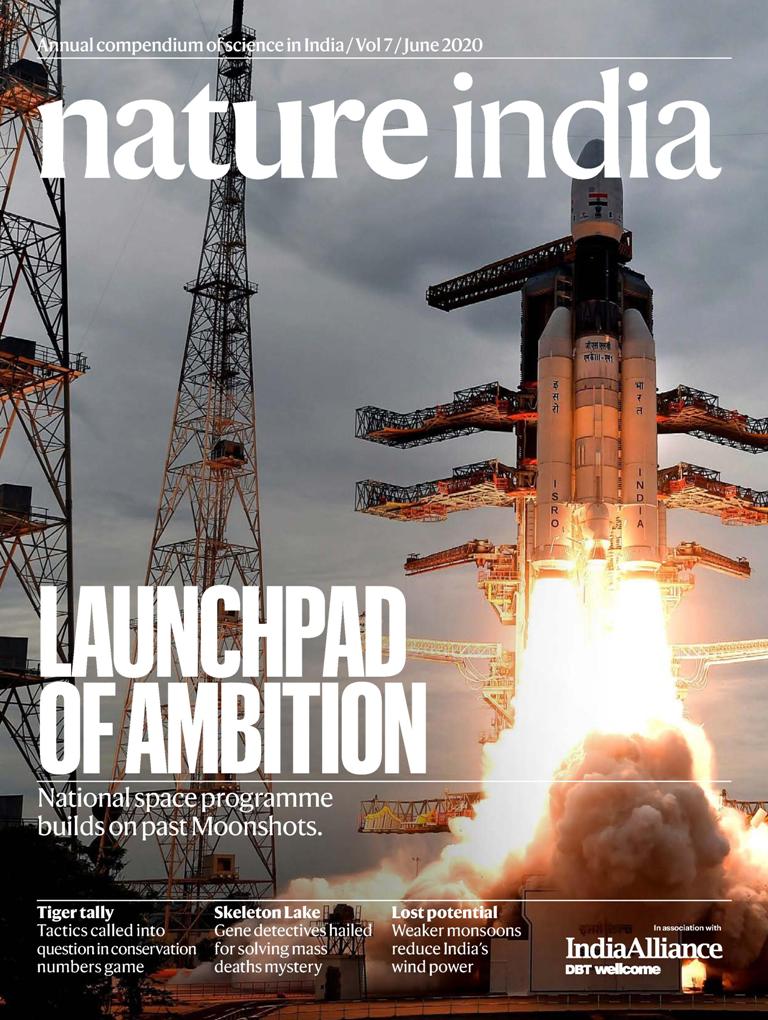
Nature India Annual Volume 2020 is out


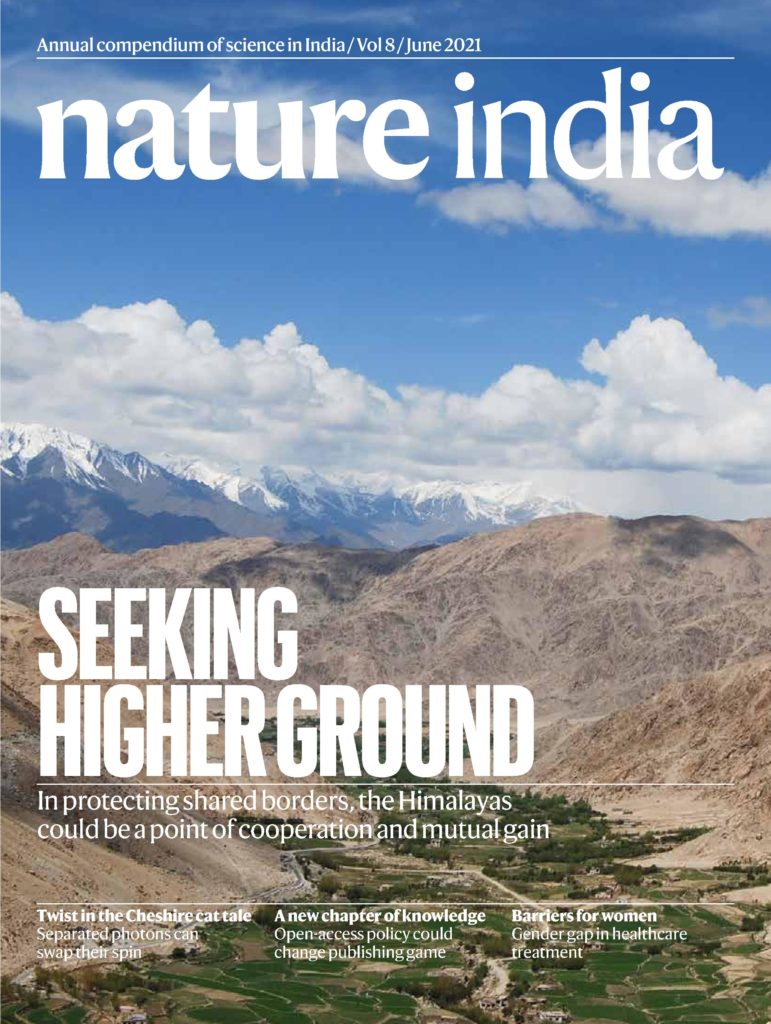
Cover image: S. Priyadarshini/ Design: Bharat Bhushan Upadhyay

2020 was defined by the global pandemic. Throughout the long, difficult year, disease and death came in tragic waves, testing the limits of healthcare systems, especially in countries with limited resources. In India, one of the worst affected countries, significant outbreaks continue in 2021.

A positive outcome, however, has been the triumph of science. In record time, scientists rushed to sequence the genome of the virus and its variants, created affordable diagnostic and treatment solutions, and produced multiple vaccine and drug candidates to control the pandemic. We have been covering the pandemic in India and the subcontinent in depth through the lens of science. Besides our regular journalistic coverage, we produced two special issues on the COVID-19 crisis in India – one on how the pandemic was affecting life in a country of 1.3 billion people, and the other on affordable engineering solutions being developed in haste by India’s scientists to confront the virus. In our quest for disseminating trusted information during a global public health emergency, the pages of Nature India were prominently filled with information on SARS-CoV-2 and COVID-19.

Meanwhile, despite challenges thrown up by a series of lockdowns and funding issues, science in other disciplines unrelated to the pandemic has continued to flourish. One criticism of scholarly science publishers and science magazines has been that their overwhelming engagement with the pandemic (public health, medicine, virology and epidemiology) has squeezed out other disciplines of science during 2020. In this annual volume, therefore, we are spotlighting Nature India’s coverage of all sciences, efforts around which quietly continued through 2020.

The biodiverse Himalayan region, straddling the borders of many countries in Asia, including India and China, offers immense potential for collaborative scientific research. However, the inhospitable terrain and geopolitical strife in the region, have created obstacles to a joined-up research climate. Our cover story tells of the growing call by researchers in the two countries to go beyond political differences and make the Himalayan region a hub for scientific collaborations. Migratory birds from across the region coming into India and the need for heronries to protect them are also highlighted in this issue.

The country is weighing the challenges and opportunities of an ambitious ‘one nation one subscription’ policy that aims to make scholarly knowledge freely accessible to everyone in the country. We analyse the merits of this proposed plan.

The pandemic is never far from the immediate consciousness of any of the world’s people, and our annual photo competition on the theme brought inspired images of this era, where masks, sanitation, immunisation, and innovative solutions to health needs are paramount, and the focus of our daily lives

The issue is free to download here. We will soon make all our previous annual volumes free to access.

You will find more on our archival annual issues here: 2019201820172016, 20152014 and 2007-2013.

We hope you enjoy reading the latest volume.

How outreach blends my worlds as a scientist and mom

Karishma S Kaushik, an Assistant Professor and Ramalingaswami Fellow at the Institute of Bioinformatics and Biotechnology in Savitribai Phule Pune University turned the pandemic into an opportune time to spur children’s interest in science, including her own son’s.

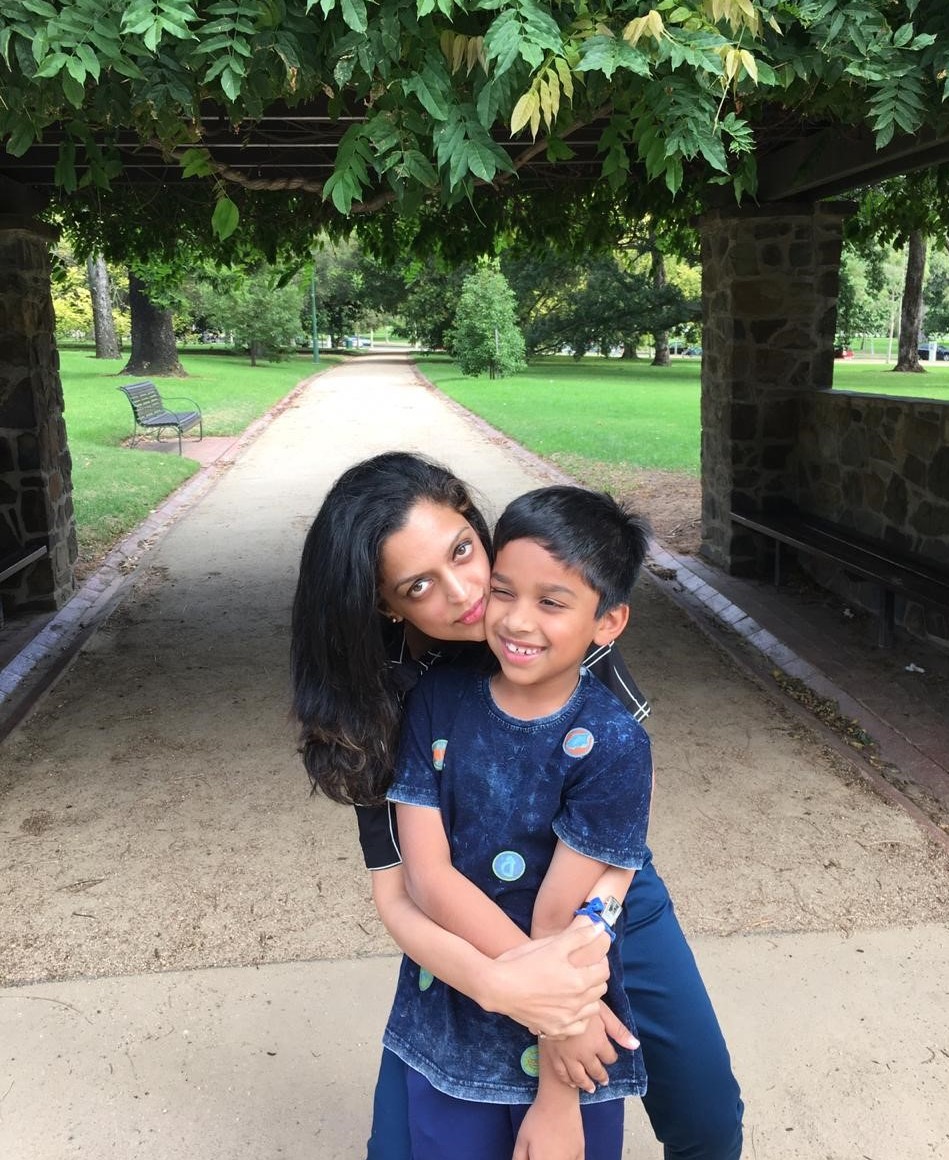
Karishma with son Abhay.

My phone pinged in the middle of the session. It was a message from my almost 10-year-old son. “Spelling mistake in slide 36. Instead of 1st you wrote ist” – the message read. I chuckled. Here I was, conducting a summer science quiz for children and their families across India, and getting instant feedback from the next room in the house. This was a heart-warming moment. It effortlessly represented how in a pandemic-stricken year, science outreach bridged my worlds as a scientist and a mother.

The pandemic forced a nation-wide lockdown in India in March 2020. It was around this time that my research colleague Snehal Kadam and I co-founded Talk to a Scientist. Schools were closed and I was giving informal science lessons to my son at home. He had so many questions – What is this virus? What is a pandemic? Why do we need to wear masks? Does the virus spread through food? As our science conversations gathered steam, I saw an opportunity in this rather distressful time to get children interested in, and excited about, science. I asked my son, “Do you think other kids your age, your friends for example, would be keen to talk to a scientist about all that is going on?” He was excited, “That would be great mom, but not just COVID, other topics as well.”

The first session of our webinar series went live on March 30, 2020, befittingly on COVID-19 for kids. Snehal and I made the visual content for the session, and I ran it by my son. He made edits and suggestions, and we got ready to roll. We expected 5 children to show up, and I was counting on my son and his cousins to be three of them. Much to our surprise and excitement, we had 75 children from across India join in. On popular demand, we started a weekly webinar for young minds.

The project has grown, and my son and I have spent hours brainstorming. For a session on medicines, he asked us to change the word ‘drug’ to ‘medicine’ on the slides. ‘Kids should not think you are talking about those kinds of ‘drugs’ that make people woozy, mom!” he said. I laughed and thought, my son is growing up. When I suggested a theme for a season, he would quickly come up with names from among my colleagues to be the guest scientists. “What about that scientist who works on peafowls, you shared a room with her in the Delhi conclave?” He has been a part of my professional life through conversations and conference books I brought back home, and now he was using it all to contribute to our outreach programme!

On the momentous occasion of us winning a grant to grow the platform, he stood near me, jumping with excitement, as I called Snehal to tell her the good news. Through weekly sessions spread over one year, he has enjoyed doing small jobs for the outreach – suggesting new features in the website, ideating for hands-on sessions with home supplies (as a parent myself, I did not want families to go out shopping for supplies in the middle of a pandemic), checking for typos in the slides, and sending flyers and posters to his school friends. For him, the ownership and importance of being a part of a national outreach programme has been thrilling. I would like to think that he will grow up to remember how it all started, with a casual conversation between us at home, and the time we spent together growing it in what was otherwise a tough year.

For me, in a year filled with professional uncertainties, pressures of working from home and home-schooling, science outreach has been a beautiful amalgam of my roles as a scientist and a mother. When the world was turning to science for answers, the scientist in me wanted to contribute to science outreach and education in the country, by sharing the process of scientific discovery and its power to transform lives and livelihoods. That I could co-create this with my son made this initiative even more special. Since the time I was a pregnant PhD student, determined to balance my life and career as a scientist and mother, I have day-dreamed scenarios where my son and I would talk about scientific advances, when he would join me on conference trips, and even imagined the possibility of us working together some day. I would like to believe that ‘Talk to a Scientist’ is the beginning of this journey.

While there have been numerous fun moments, one has been extra special. In the middle of one of the sessions, I caught my son taking a snack break in the kitchen. I looked at him questioningly, “Why are you not attending the webinar?” He replied matter-of-factly, “Your slides got a little boring mom, I will help you make better ones for next week”.

In addition to correcting typos, such no-filter feedback has been part of the deal!

Nature India spotlights Odisha

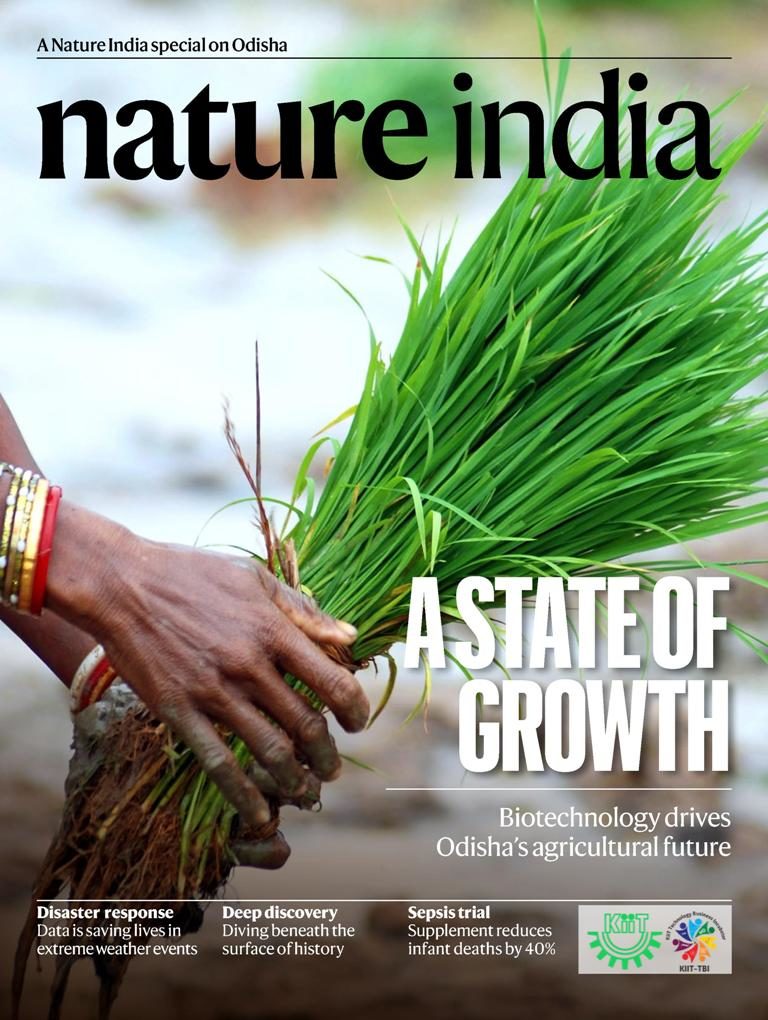
A state known for its heritage, culture and disaster management, and as an emerging hub of scholarship and research, Odisha is making its mark. This special issue captures the aspirations of and challenges for the eastern Indian state in becoming the next national science hub.

Odisha is home to a number of large national institutes and laboratories – the Indian Institute of Technology, the Institute of Life Sciences, the Institute of Minerals and Material Technology, the Regional Medical Research Centre, the National Institute of Science Education and Research, National Rice Research Institute, the Central Institute of Freshwater Aquaculture and the All India Institute of Medical Sciences. The state government-run Utkal University and the Orissa University of Agriculture and Technology in capital Bhubaneswar add to its scholarly might. Private education conglomerates such as the Kalinga Institute of Industrial Technology University and the L V Prasad Eye Institute are helping produce a sizeable scientific workforce.

The entrepreneurship and innovation scene is warming up with a number of technology business incubators setting up shop in the state. A biotechnology cluster is also on the cards. The Odisha special issue takes a close look at this growth of innovation and technology in the state’s science.

Odisha’s 460km coastline and a hot, humid agro-climate, have endowed it with rich fisheries and paddy cultivation resources. The state’s scientific legacy in both aquaculture and rice research have benefitted from these. We examine the results of years of rice and fish breeding that Odisha has gifted to the world. The state’s proximity to the Bay of Bengal and high summer temperatures have also brought severe cyclones, floods and heat waves. We investigate how Odisha is setting an example in using science and technology to cope with such extreme weather phenomena.

Odisha’s rich culture and history draws international attention. Its many temples, monuments, ancient palm leaf manuscripts, paintings, and excavations are keenly researched by archaeologists, leading to innovative conservation methods to preserve Odisha’s past.

We analyse the traditional and modern methods being deployed by scientists, and focus on another rich historical source – shipwrecks – revealing fascinating stories of historic naval wars off the coast of Odisha.

India’s science and technology is well entrenched in metro areas, with institute clusters like those in Bengaluru, Hyderabad, Mumbai, Pune, the national capital region of Delhi, and Kolkata. Smaller, second-tier cities like Bhubaneswar are gearing up to the cluster approach, and are poised to contribute to the research and innovation scene. The Odisha special issue is an attempt to shine a light on one such state. In the near future, Nature India’s regional spotlights will chronicle more such emerging hubs of science in the country.

The Nature India special issue on Odisha is free to download here.

NI Special Issue on COVID-19 Engineering Solutions is out

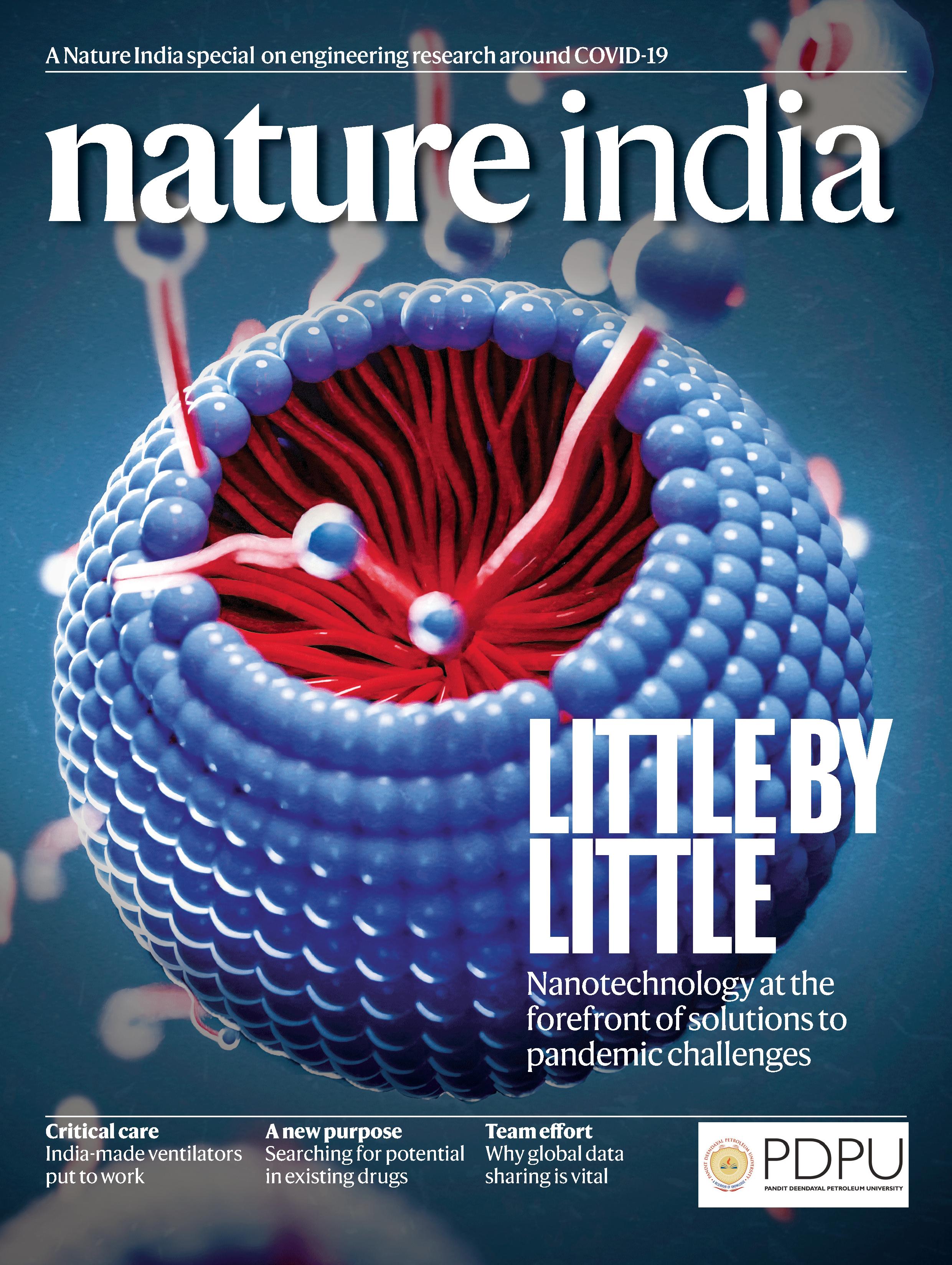
Cover illustration: Youssef A Khalil

Very early on it became clear that the COVID-19 pandemic was not just a challenge for scientists and medical professionals. Almost a year into the coronavirus’s rampage across the world, there’s no doubt about the long-term impact that SARS-CoV-2 will continue to have on every facet of human life — from healthcare to education, social interaction, businesses, environmental concerns, and political processes.

India’s large population, governance, and creaky healthcare infrastructure have traditionally hampered the quick and smooth roll out of public health interventions. With this pandemic, it wasn’t any different. Nature India covered the evolution of the crisis from several angles, going beyond the strict remit of science. Our coverage embraced a new normal in these unprece­dented times. We looked at the physical and biological aspects of the virus extensively, and also published stories of how India, with its 1.2 billion-strong population, was responding to the health emergency. This resulted in Nature India’s first special issue on the COVID-19 crisis, published in June 2020.

Coping with a major public health catastrophe lies not just in vaccines and treatments, but also technologies that the world’s scientists quickly geared up to invent or repurpose. Within months of the novel coronavirus’ spread we saw the development of new ventilators, rapid antigen tests, personal protection equipment, and sanitization apparatus.

Nature India’s second COVID-19 special, focuses on such engineering and technology solu­tions being tested and deployed. We take a look at front-runners in nanomaterial design that are helping advanced antiviral and antibacterial therapies; the state-of-the-art in critical care ventilators and how in-silico docking studies are bringing new drug molecules.

The issue presents a selection of commentaries published in various Nature research journals highlighting the use of artificial intelligence tools and machine learning in scaling approaches for data, model and code sharing, and in adapting results to local conditions. Nanotechnology is offering hope in antimicrobial and antiviral formulations, and highly sensitive biosensors and detection platforms.

We ask whether nanoscientists can take better advantage of technology and automation in their laboratories to reveal new information about COVID-19. A host of reverse-engineered commercial medical equipment and devices for healthcare workers have flooded the market. While these ‘low-tech’ solutions are welcome for resource poor countries such as India, we argue that for real impact, they must affiliate to approved designs. We also shine a light on pandemic-fighting photonics tools (X-ray imaging and ultraviolet sterilization), the strengths and ethical questions around smartphone surveillance of the pandemic, and discuss why it is important for governments to implement public health measures aided by technology.

At the end of a trying year, we hope these new perspectives bring additional hope in efforts to tame the novel coronavirus.

The Nature India COVID-19 Engineering Solutions special issue is free to download here.

Curating during a contagion

Almost 90 per cent of the world’s museums are facing closure due to the COVID-19 pandemic. Aditi Ghose, an Education Assistant at Birla Industrial & Technological Museum in Kolkata, says museums will have to become emotionally intelligent and responsive to stay relevant through the crisis.

A COVID-19 themed exhibition at Birla Industrial and Technological Museum, Kolkata.{credit}BITM{/credit}

In the middle of a pandemic, imagine planning a science exhibition that explains the contagion to people. What should it feature — test-kits, ventilators, surgical masks and PPE suits? Does the museum have enough supplies to create exhibits? Can the exhibits be sanitised and safely displayed for the audience? Will enough people turn up?

Museums are having to deal with all these imponderables in between frequent shutdowns necessitated by the COVID-19 pandemic. Almost 90 per cent of the world’s nearly 60,000 museums are faced with full, partial or eventual closure. Most museum staff are working from home, cataloguing, processing and preserving artefacts.

Juggling to protect collections, absorbing financial blows and protecting staff and assets while staying engaged with the public, museums are still aspiring to stay relevant. The museums which have closed down due to poor financing, sponsorships or funding, are no less vulnerable than those partially open. On 29 March 2020, Vincent van Gogh’s famous work ‘Spring Garden’ was stolen from the Singer Laren Museum in Netherlands during lockdown.

The International Council of Museums calls museums “institutions” owing their origins to the Wunderkammer or cabinets of curiosities featuring collections of natural history specimens, artefacts and curiosities, amassed by princes, dukes and other men of stature, museums have always provided sources and spaces for scholarly communication and informative entertainment.”

Museums are repositories of cultural memory gathering material objects and information to guard against its anticipated losses. Around the world, the treasure troves of our times sit proudly among those preceding ours, in climate controlled environments, in glass boxes, on wooden shelves and under shaded lights.

In reality, however, only about 10% of museum holdings ever go on display. Also — just like the records of book in a library point to its location without revealing the full contents — objects in museums are kept separate from their catalogued details, often offsite. The COVID-19 pandemic offers the opportunity to narrow this gap through digitization of rare photographs, videos and other content.  Digital objects are the blueprints — collected, documented and interpreted well — allowing deeper and richer experiences for visitors, especially during lockdowns. They open the museum doors to a global audience, who neither had such an opportunity in the past nor may have in an uncertain future. To survive the crisis, museum professionals across the world must embrace the flexibility of opening up museums to the digital realm.

During the lockdown, explanatory multi-lingual programmes organised by museums are seeking to engage audiences online.{credit}BITM, Kolkata{/credit}

A one-dimensional transfer of knowledge from museums to its stake-holders — such as through overnight virtual museum tours or mobile applications — does more harm than good. The needs of audiences have changed, as has the audience composition itself. As crisis keeps people at home and they turn to museums for their science knowledge repositories, it is worth creating digital content. Instead of uploading digital copies of existing galleries online, making ample usage of the autonomy, multi-layered multimedia and linked content that the new medium provides might help museums reach entirely new audiences. A website doesn’t have walls, a gallery doesn’t have tabs. The faster we understand this difference  and stop replicating our gallery contents online, the easier it will be to contextualise information.

These are tough times – for museums as well the audience they cater to. Amidst the prevailing confusion, institutional body language could be the powerful unspoken and unwritten message that museums could convey. “In the mist of chaos, museums break the walls that keep us apart,” assures Beryl Ondiek, Director of National Museum in Seychelles. Museums that survive this pandemic will emerge with deeper connections to their audiences and communities. A well-defined, battle-tested sense of purpose, will make them stronger than ever – and also strengthen those they serve. As Anne Marie Afeiche, the Executive Director General of Lebanon’s Council of Museums points out,”We will come through this and we are keeping in mind, for after COVID-19, the reprogramming of activities in our museums, because by saving culture, we save society, it’s diversity, it’s vitality and it’s creativity”.

What’s missing in the global COVID-19 news reportage are the stories behind the stark numbers of those dead or infected. These stories should take centrestage while planning for an exhibition on COVID-19 — the oral histories and the first-hand experiences of people. When the intensity of the crisis needs to be conveyed in a public exposition several years from now, a well curated collection of empty cartons of PPE suits, a jumbo-sized sanitizer jar, a handmade mask or perhaps a hand-written shopping list of essential items will be telling. Likewise, by engaging our audiences emphatically in our closed musums, respecting their voices, allowing them choices and approaching a fresh, unprejudiced attitude towards opening our doors, shall go a long way in keeping museums exciting. The Smithsonian Museum is actually collecting such coronavirus ‘artefacts’ to document the pandemic and plans on letting oral history shape the exhibition.

Closer home, the National Council of Science Museums is also curating an interactive digital exhibition on the pandemic.

Creating, hosting or managing museums has never been fast, easy or cheap. Making them digital or interactive will also not be. Once museums have survived these uncertain times, they need to become more emotionally intelligent and responsive. Museums have to become good listeners.

(Aditi Ghose can be reached at aditincsm@gmail.com)

Nature India special issue on COVID-19 is out

For most of us, 2020 will be marked as the year of great imponderables. We seem to know as much about the new coronavirus SARS-CoV-2 and its effects on the human body and societies at large, as we don’t. Ever since the virus broke out, ‘uncertainty’ is one of the most commonly used words in conversation, news reportage and emails.

Across the globe, very few lives have been untouched by the direct or indirect effects of the novel coronavirus. China, the most populous nation on Earth, bore its brunt as the virus jumped into human populations in the country’s Hubei province in late 2019. Though China reacted quickly to contain it, the contagion had spread via international travellers.

India, the world’s second most populous nation, reported the first case of the novel coronavirus on 30 January 2020. The number of people becoming infected by the virus began to rise quickly, prompting the government to impose a two-month complete shutdown of the country – the longest ever in its history.

An enormous population, a weak healthcare system, and traditionally meagre investments in scientific research and development meant there was enough reason to worry. However, the severe economic and social fallouts, like elsewhere in the world, forced the government to allow a regulated easing out of lockdown.

Nature India started reporting on COVID-19 in India from the outset. As the pandemic began unsettling every facet of life from healthcare to education and community life to businesses, our coverage embraced a new normal, going beyond pure science to a parallel reflection of its links with society, culture and life.

Nature India’s special issue on COVID-19, therefore, seeks to consider answers from the future. In a rapidly evolving pandemic, some of the articles in this special issue bear a time stamp. However, they will hopefully remain relevant for a long time to come as chronicles of the biggest human crisis any of us has faced in our lifetimes.

As we scrutinize India’s response to the mammoth healthcare challenge, we also look at vaccines and drugs being tested across the world in a hope to arrest the respiratory infection. We dive into the science of how the immune system responds to the virus and question if submitting genome sequences to global repositories at record speeds makes any sense without accompanying patient data. We explore how the packaging of the future would look like, and explain how to care for the elderly and critically ill in times when hospitals are struggling to accommodate COVID-19 patients.

Everyone has a COVID-19 story to tell. We feature some extraordinary everyday stories — a doctor on the frontline handling COVID-19 patients in a Delhi hospital, a scientist in the southern state of Kerala who hasn’t been able to start her dream laboratory due to the lockdown, and an Arctic explorer who endured months of darkness and isolation in the north pole before coming back to a world struck by a new virus.

This special issue also features the story of Ayurveda, and why it is time for India to apply scientific rigour to the study of the ancient system of medicine. We talk of the importance of socially influential groups, scientists, and religious leaders, in spreading the right messages and scotching misinformation in a public health emergency.
In many countries including India, the pandemic is testing the limits of science and of human perseverance. It is taking a toll on our mental health – how we live, work and communicate are set to change for a long time to come.

Science will hopefully find a solution to this unprecedented human suffering soon.

[Download the Nature India special issue “COVID-19 Crisis” free here.]

(For Nature India’s continuing coverage on the the novel coronavirus and COVID-19 crisis, please visit our special page.)

Nature India 2019 annual volume is out

Cover design: Marian Karam

Critics of India’s space programme have, in the past, demanded justification for sending rockets into space while the urgent issues of poverty, unemployment, illiteracy, and poor health cry for attention and funding. India has maintained that her space programme runs on less than a tenth of NASA’s budget, making it one of the most economical in the world and producing development-based benefits for the country’s environment, weather predictions, education, agriculture, and health.

Therefore, it was surprising when India’s ambitious, but unsuccessful, voyage to the far side of the Moon in 2019 did not publicly reignite that discussion. Instead, most of the 1.3 billion-strong nation stood in solidarity with the Indian Space Research Organisation (ISRO) when the Moon lander, Vikram, lost contact with the Earth station and later crash landed. A misty-eyed Prime Minister Narendra Modi consoled a tearful ISRO chief K Sivan. The country grieved, hoping and praying there would be a successful run to the Moon in the coming years.

We capture these tears, tribulations, nail-biting drama, and the science behind India’s shoe-string-budget space programme in this year’s cover story.

Talking of the science-economy relationship, we also analyse in one of our features the direct macro-deliverables from government research funding and look at the best ways in which a resource-poor country such as India can ensure tangible benefits from each rupee spent on scientific research.

Gender issues in science have always been important in India. In this issue, we reflect on why a better balance of men and women in leadership positions could lead to higher profitability in scientific enterprises; and also shine a light on India’s gender-skewed science awards. Two stories, about an anthropologist who made important revelations about indigenous Andamanese tribes, and a biologist working on pheromones of snow leopards and tigers, offer fascinating insights into the lives of pioneering women scientists and their science. We also speak to biologist Chandrima Shaha, the first woman elected president of the 84-year-old Indian National Science Academy (INSA) in January 2020, about her vision for mentoring more women in science.

In 2019, we used the term ‘Day Zero’ for the first time to denote the dystopic water emergency that the world is facing today. That’s the day when a city’s taps dry out and people have to stand in line to collect a daily quota of water. Climate change-triggered extreme heat, drying aquifers and extreme weather events have become the new normal for much of South Asia. We look at what this might mean for children, who will continue to endure the toll of climate change for a long time to come. On a more positive note, we explore how some undaunted farmer citizen scientists are finding new ways of adapting to climate-resilient crops.

The Nature India photo contest themed ‘food’ saw breath-taking entries from across the world that demonstrate the deep links between food, health, environment, nutrition, and happiness of communities. We present some of the top entries.

Nature India annual volumes select the best research highlights, news, features, commentaries and opinion pieces published through the year. Through this thoughtful selection, the editors at Nature Research bring to our readers a ready reference of the latest in India’s science.

We look forward to your feedback.

You will find more on our our archival annual issues here: 20182017, 2016, 20152014 and 2007-2013. To subscribe to the Nature India annual issues, please see here or write to natureindia at nature.com.

Return of the Ridleys

There is hope that technology may help the Olive Ridley turtles and their human protectors.

Special Mention, Nature India Essay Contest 2020

Shambavi Naik

An Olive Ridley hatchling.{credit}Deepak Sahu{/credit}

There was fear in Suhas’s eyes as we dug up the Olive Ridley hatchery. He had expected the hatchlings to burrow out four days before. But there was no sign of them yet, so we decided to check if all was okay. As his hands moved the sand, frantic but delicate, he uncovered an alarming sight. Thousands of eye-less, red-coloured fire ants swarming over the helpless, newly hatched Olive Ridleys.

The scene was gut-wrenching. Suhas had been brought up on this beach in the idyllic little village of Wayangani, off the Konkan coast. Wayagani is populated mainly by fisherfolk, the closest grocery store is 6 km away, there is no tap water and electrical supply is unreliable. My grandfather had moved out of this very village to pursue a better life; as a consequence, I have been raised in Mumbai. But that day as Suhas and I were looking down at the carnage together, neither his experience as a village fisherman, nor my education as a cancer biologist could help hold back our tears.

Over the past 15-20 years, a group of volunteers led by Suhas have made a spirited conservation effort to save the vanishing Olive Ridley turtle. UNDP has recognised this by calling him a biodiversity champion. Though the turtles chose the remote beach to nest, the eggs were routinely lost to predation and poaching. The villagers had formed teams that scoured the roughly 1.5 km beach through the night, searching for female turtles that had come to nest.

Suhas with Olive Ridley hatchlings

Once the female was spotted, the team would wait till she finished laying her eggs. As she waddled her way back to the Arabian sea, the team quickly dug up the eggs and moved them to a secure location. They also cleared up the turtle’s tracks, so that her visit to the beach remained unknown. Roughly three months later, the team would celebrate the birth of baby turtles and watched over them as they explored their way to the sea. Over a decade of sustained efforts, the villagers had been rewarded by an ever-increasing number of turtles choosing their beach to nest.

But then, from 2016, more incidents of fire ant predation started occurring. In the 2018-2019 season, about 60% of hatcheries had been lost. Promptly the villagers had tried traditional ways to block the ants. Relocation of eggs away from human settlements, applying turmeric around the eggs, placing fresh neem leaves around the nest; but nothing protected the hatchlings. As nest after nest was lost, the villagers were fatigued and despondent. After guarding the eggs for three months, to lose them in this manner is brutal.

Suhas observed that the fire ant predation had accompanied a change in the egg-laying season for turtles. The turtles would usually nest from October-December, but were now laying eggs until January-February. Consequently, eggs which used to hatch in January-February now hatch in March-April. The warmer sand temperatures in March-April are conducive to the fire ants and could be a reason for the increased attacks on the turtles.

In a fight of man versus man, the villagers had won against the poachers. They had stayed up all-night, meticulously watched over the hatcheries throughout the season, fought off poachers and predators; but they had won. But this is a fight of man-vs-man-made climate change and one that the unassisted two hands of a rural volunteer cannot win.

This was when Suhas had reached out to me for help, thinking that a scientist might offer some solution. Unfortunately, I had studied nothing of ant predation in my years of studying breast cancer. But since then I have been on the lookout for solutions that could help the villagers and the turtles. Olive Ridleys are classified as a vulnerable species worldwide and India is one of the hotspots for their nesting. A solution to my village’s problem could help save thousands of turtles across the country. The survival odds for an Olive Ridley turtle is as low as 2 in 1000, and they need any help they can get to able to thrive.

But there is hope that technology may help the turtles and their human protectors. Conservation biologist Helen Pheasey has used 3D printing to create fake eggs equipped with GPS technology. When placed in a nest with real eggs, these eggas can be used as tracker for any movement in the nest. This technology is great to identify if the eggs have been removed from the nest by a poacher and trace their movement. This may provide relief to the night shift volunteers who monitor the hatcheries, but will not protect against the fire ants.

An ecologically sustainable solution to the fire ants may come in the form of their natural enemies – a parasitic fungus, Kneallhazia solenopsae and a virus, Solenopsis invicta virus-3 (SINV-3). A combination of 3D printing and gene editing/synthetic biology could help engineer fake eggs coated with fungal spores or viral particles. These eggs when placed in the nest would not harm the turtles, but could keep the fire ants at bay. Alternatively, large scale systemic studies can enable us to identify molecular pathways that lead the fire ants to find and attack the eggs. The artificial eggs could be laced with appropriate synthetic smells that could mask these signals emanating from the real eggs.

Villages such as Wayangani intentionally stay away from using harmful pesticides that could interfere with ecological balance. This is true of many other villages and conservation groups across the country. Finding solutions depends on scientists working with the local people focused on conservation to protect these fledgling species. Technology & Science led sustainable conservation methods have the potential to re-energize India’s natural ecosystems with minimum interference.

Experts estimate that the rate at which we are currently losing species is 1000-10000 times higher than the background extinction rate. It may be too late to save some of these species, but for others new technologies could bring a ray of hope.

[Shambhavi Naik is a fellow at Bangalore based Takshashila Institution and Director of CloudKrate Solutions Pvt Ltd..]

Suggested reading:

Announcing winners of NI Essay Competition 2020

Memories of paati

A predictive lifeline

A grain of truth

Mapping the malady of cancer

A friend indeed

A friend indeed

Chatbots are becoming an extension of human capabilities of search and analysis, as they steadily grow better to perform a variety of tasks on our behalf.

Second runner-up, Nature India Essay Contest 2020

Arijit Goswami

Arijit Goswami

No stretch of time can fade my vivid memory of the fine afternoon when I first saw a computer before my eyes. Led in a queue by our class teacher into an air-conditioned room (the computers of those times were indeed spoiled brats under heat), I was no less enamored by the glow of the VDU, as I was enticed by the quirks of the friend I had inside the machine. Peeping from corners of application windows, the Microsoft Office Assistant interacted with me just like a real living-breathing friend. A friend that promised to not judge me, nor mock me, but be the personification of ‘a friend in need is friend indeed’.

Nineteen years later, I grieve the loss of that paperclip-shaped friend to oblivion, though I see it reincarnated everywhere across the world, living through smartphones, websites and a myriad of gadgets. Be it Google Assistant, Cortana, Siri or Amazon Alexa, chatbots have come a long way since then. These conversational interfaces are what infuse life into our gadgets, enabling them to interact with us just like any other human being. Leveraging AI and Natural Language Processing, these artificial machines accumulate, dissect, comprehend and respond to information from humans. Over the years, they have matured so well that one can not only resolve queries with these bots, but can also share some light moments with them and also get loads of work done seamlessly. So much so, that now chatbots are becoming an extension of human capabilities of search and analysis, as they steadily grow better to perform a variety of tasks on our behalf.

Today, I wake up to an alarm that I set the previous night, not through clicks on smartphone or by turning knobs behind a clock. I simply wish my Alexa ‘good night’ and tell her to set alarms for 7am and also at 8am, lest my slumber gets the better of me. I reach my office and log into my online bank account. Right at the bottom-right sits my friend eager to resolve any of my queries. I simply type in my query into the chat box, and regardless of whether I indulge in extreme politeness or utter rudeness, I am assured of a courteous response and quick resolution of my problems. The chatbot also does a wonderful job of recommending me products and services that are best suited to me. Guess what? I no longer need to get tossed around bank counters for getting my work done, no longer need to ask friends and relatives for best deals and no longer need to be distressed with irrelevant marketing calls as the bot knows what’s best suited for me as per my behavior.

By the end of my tiring day, I am too hungry. 10 years ago, I would have had to scavenge through the streets for restaurants. But no more! My smartphone glows up with a notification from Zomato recommending me deals. I confess to Zomato about my cheat day and make it my accomplice in food guilt. I simply need to type in a few keywords and my payment is automatically done, leading to an awesome conversational selling experience. While I wait for my order to be delivered, I interact with the chatbot. The conversational AI tracks my mood through text analytics and emotion analytics, and responds to me with emoticons and witty messages. And sometimes, out of the blue, I just wonder if it is really a bot or an actual human talking to me behind a veil of a software.

However, chatbots are going to transform this world and how we interact with devices in ways still unimagined. Can you imagine that we may soon have chatbots providing therapy to distressed people? Reports published by National Center for Biotechnology Information (NCBI) say that it is possible to automate the expertise of a therapist. Woebot is an automated conversational agent that uses a short user-friendly survey and adds a fine sense of humor to cheer up its users. Wysa is an AI penguin on smartphone that helps anxious people to improve focus, manage conflict and relax. And though they are still inept at handling nuanced concerns of humans, the day is not too distant that we will confide the emotions from our deepest recesses of mind and seek help of chatbots that will be the best ears to listen to us.

How would you react if someone told you that chatbots are helping refugees in rehabilitation? Syrian refugees in Lebanon are using a chatbot, Mona, to flag their cases to non-profits that help them connect to lawyers, doctors and authorities of host nations for resettlement. DoNotPay, a robot lawyer gives free legal aid to refugees seeking asylum in Canada, UK and US, through a seamlessly easy to use conversational interface. With Lucia, MarHub and even WhatsApp being leveraged by NGOs, non-profits, and even the United Nations, for refugee rehabilitation, the humanitarian future of chatbots looks bright.

Not to forget, that chatbots will soon become our virtual assistants in all matters of life, from handling our daily chores to keeping our fitness on track and being our omnipresent, omniscient and omnipotent secretary for life.

I can very well visualize the day when chatbots will grow quite mature in the way they handle not only our written text, but also our emotions, location and circumstances to proactively provide contextually-sensitive services. The day is not far when future generations of chatbots will be our closest friends, mentors and confidants. And maybe one day, I will wake up and stare at my tablet where the great grandchild of Office Assistant will peek from the corner of screen, wish me a pleasant morning, and provide me with updates of all household chores it has automatically completed on my behalf to make my life more blissful than ever.

[ Arijit Goswami is a manager at Capgemini India in Mumbai.]

Suggested reading:

Announcing winners of NI Essay Competition 2020

Memories of paati

A predictive lifeline

A grain of truth

Mapping the malady of cancer

Mapping the malady of cancer

The demonstrations we were so proud to have put together garnered forced applause and empty smiles. We had not addressed their main concern, the sense of finality associated with cancer.

Second runner-up, Nature India Essay Contest 2020

Aditi Ghose

Aditi Ghose explaning an exhibit on COVID-19 at the Birla Industrial and Technological Museum, Kolkata.

A group of cancer patients under palliative care, aged under 15, were scheduled for a guided visit to our Science Centre. As a science communicator I was desperate to make it special. Having lined up the choicest of our expositions, I was adamant on giving them an amazing experience. From decking the halls with cheerful banners, to ensuring that they could touch and see science-in-action – I believed that all would take part.

At the end of the day though, I realised I couldn’t have been more wrong. Moving along on wheelchairs through decorated alleys, the children wore desolate looks. The demonstrations we were so proud to have put together garnered forced applause and empty smiles. No amount of enthusiasm from our side could counter the children’s vibe of helplessness. The care-givers thanked us for our initiatives that day, but we knew we had failed. We had not addressed their main concern, the sense of finality associated with cancer.

With the World Health Organisation reporting that one in six deaths is caused by it, cancer is aptly called ‘the Emperor of All Maladies’.  The messages about cancer can be conflicting. ‘Cancer cannot be prevented.’ ‘It is a death sentence.’ ‘It’s contagious.’ ‘Everything causes cancer.’ ‘Over-the-counter remedies can cure cancer’. ‘Children don’t develop cancer.’  Trying to turn these children away from their fears and divert them to our regular demonstration routine had been a mistake. They could be best addressed only where they hurt most — we had to show them how cancer is being challenged today. We called in a few favours and asked the children to visit again. This time we wanted to tell them of the Pan-Cancer Analysis of Whole Genomes (PCAWG) Project.

Featuring a cast of more than 1300 scientists and clinicians with 744 affiliations between them, across four continents, analyzing 2658 whole genomes for 38 types of cancer, the PCAWG Project had revealed, in a suite of six research papers, the most complete picture (yet) of how DNA glitches drive tumour cell growth. It had identified the driver mutations — limited between four of five in 95% of the samples —  that powered the typical shattering and rearrangement of cells in tumor growths. This implied that patients diagnosed with those hallmark mutations will, in principle, be matched to a drug that targets the protein made by that driver gene. Another paper revealed that these mutations cropped up years or decades before the actual cancers were diagnosed. Detecting such anomalies suggested that many could be detected and treated earlier now.

Processes such as defective DNA-repair mechanisms or exposure to environmental mutagens produce characteristic patterns of DNA aberrations. Expanding our knowledge of genomic data sets of these mutations, the current study had identified 97 such signatures, crucial to the refinement and extension our understanding. It introduced the idea of ‘molecular time’ to classify mutations in tumour cells – helping identify and perhaps monitor common mutational trajectories. Papers matching data to functionally link DNA and RNA alterations illustrated the power of their integrated analysis for cancer studies.

The efforts warranted hundreds of terabytes of data, spread across multiple data centres, exacting millions of processing hours, making this level of international collaboration a reality. Pinpointing 705 recurring mutations in cancer genomes, acquiring samples protecting patient privacy while generating terabytes of data for use by the researchers, the project was a milestone in cancer genomics, along with a marvel of cloud genomics. It was only fair that the findings and implications of this gargantuan scientific endeavor be put forward to those who hope and pray for such miracles day in and day out. All that was left to do was figure out how.

Poring over the original papers, I realised the research findings were basically a heat-map, identifying the causal regions responsible for the genetic aberrations. A similar heat-map, for an entirely different purpose, was devised in 1914. It was the First World War and the number of bomber-planes that made it home was central to deciding the outcome of the war. To turn the odds in their favour, researchers from the Center for Naval Analyses had devised a simple card containing the outline of the bomber-plane, to be handed over to the returning pilots, to mark out the areas where the plane had taken a hit. Stacking up such cards would lead to a heat-map indicating where the planes were receiving the most damage.

It turned out that these regions included the centre along the tail gunner and edges along the wings. These were the most resilient parts of the plane – they had managed to return home, hole and all. The parts that were left unscathed in the cardboard outline – the cockpit and the fuselage – warranted a layer of protective-cladding.  Planes that had been hit in those areas were lost forever. Taking the missing planes into account was seminal to the contemporary discipline of operational research. Similarly, identifying the driver mutations in each cancer cell is going to be decisive in developing precision medicine, tailored to understand cancer better. We decided to tell the data-intensive story of the latter while demonstrating the bomber plane heat-map on paper gliders.

Skeptical at first, the children were gradually drawn in to the floating gliders. By the end of the session, the room was resonant with their laughter while the floor was carpeted with their paper planes. We even saw their care-givers eyes sparkle. A few strategically reinforced bomber planes had not won the war for the Allies – but they certainly helped. The six PCAWG papers and global consortium of researchers are only perhaps the beginning – their collaborations, knowledge exchanges and insights are going to provide the air beneath the wings of all fighters who battle cancer — either for themselves or for someone they care about.

[Aditi Ghose is an Education Assistant at the Birla Industrial & Technological Museum, Kolkata. She can be reached at aditincsm@gmail.com.]

Suggested reading:

Announcing winners of NI Essay Competition 2020

Memories of paati

A predictive lifeline

A grain of truth