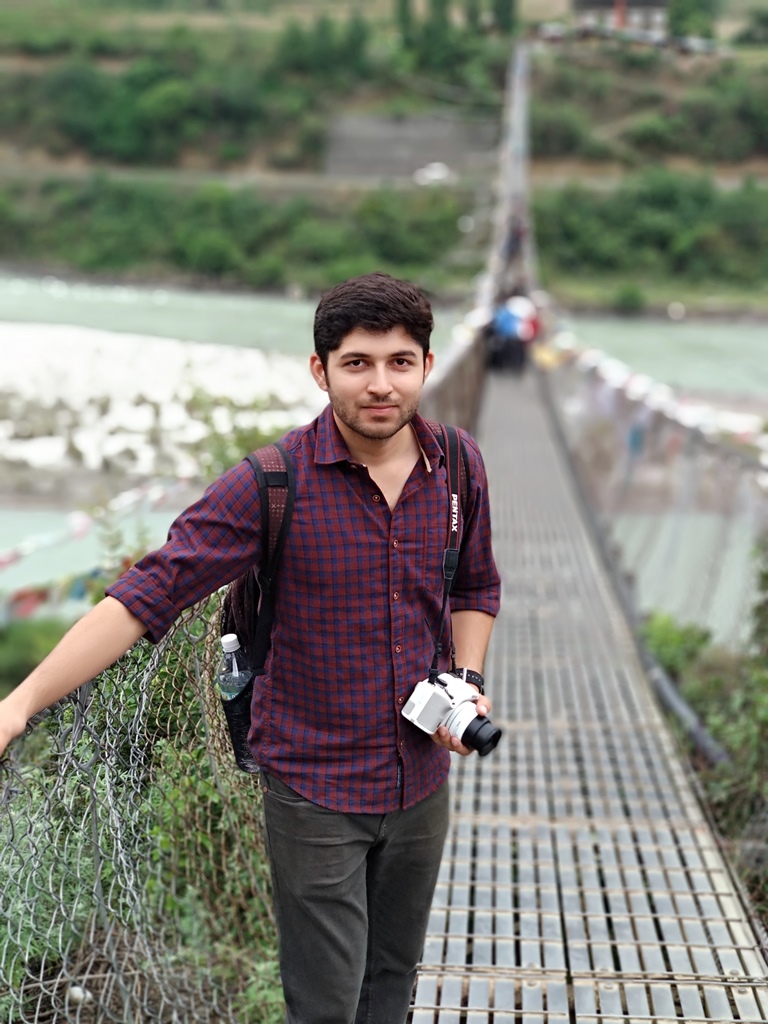
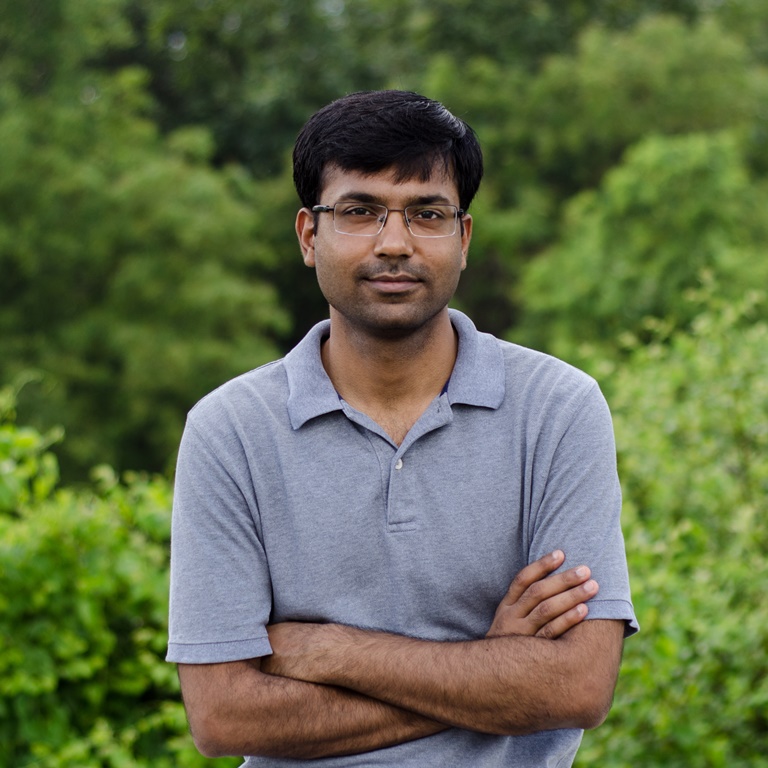
We are delighted to announce the winners of the Nature India Essay Competition 2020.
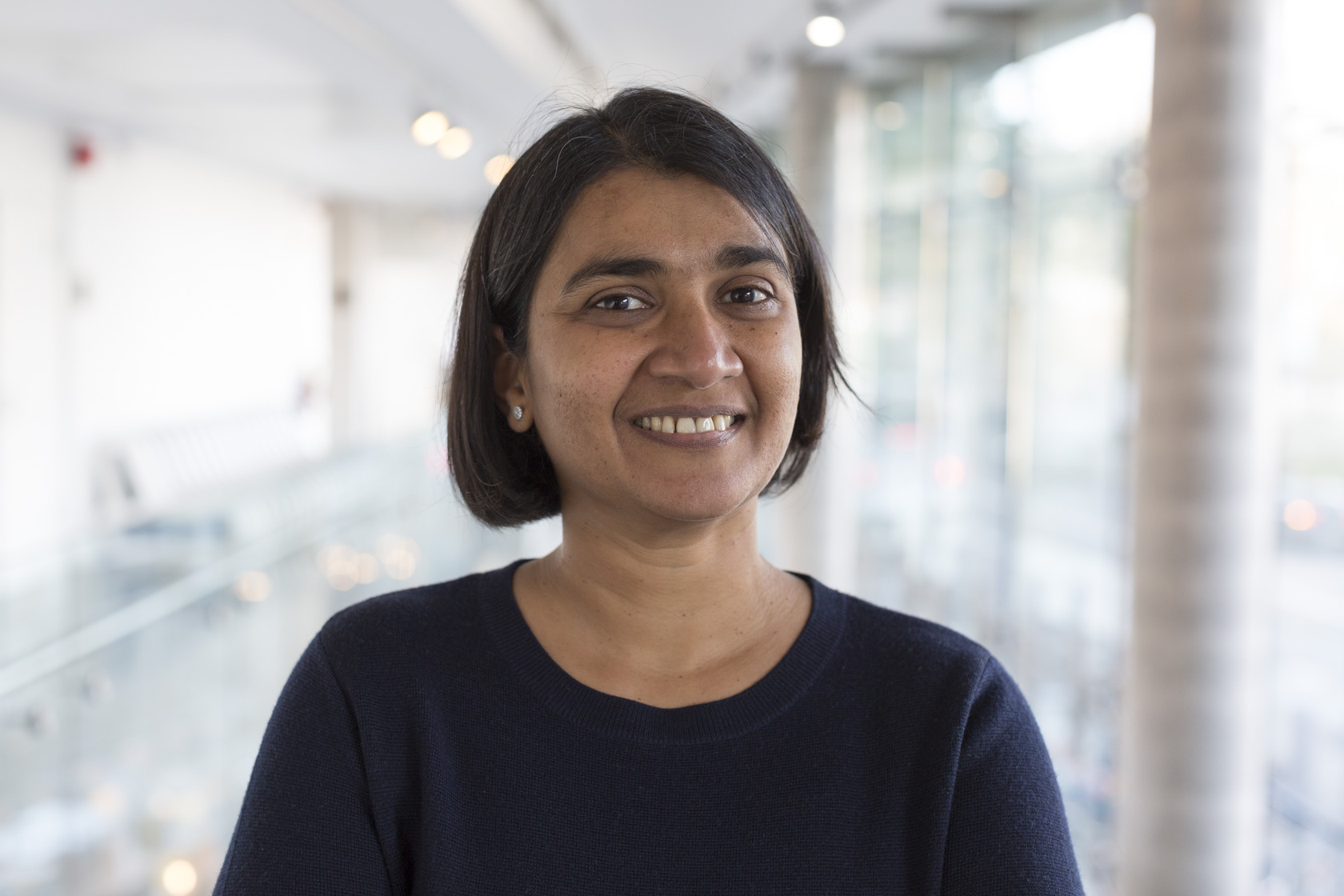
The first prize winner is Hyderabad-based neuroscientist Gowri Natarajan for her essay titled ‘Memories of paati‘, a story of her grandmother that advocates the need for employing artificial intelligence and targeted therapies for the management of Alzheimer’s disease. Her narrative strongly underlines the importance for socially-relevant science.
Gowri Natarajan
Kavitha S.
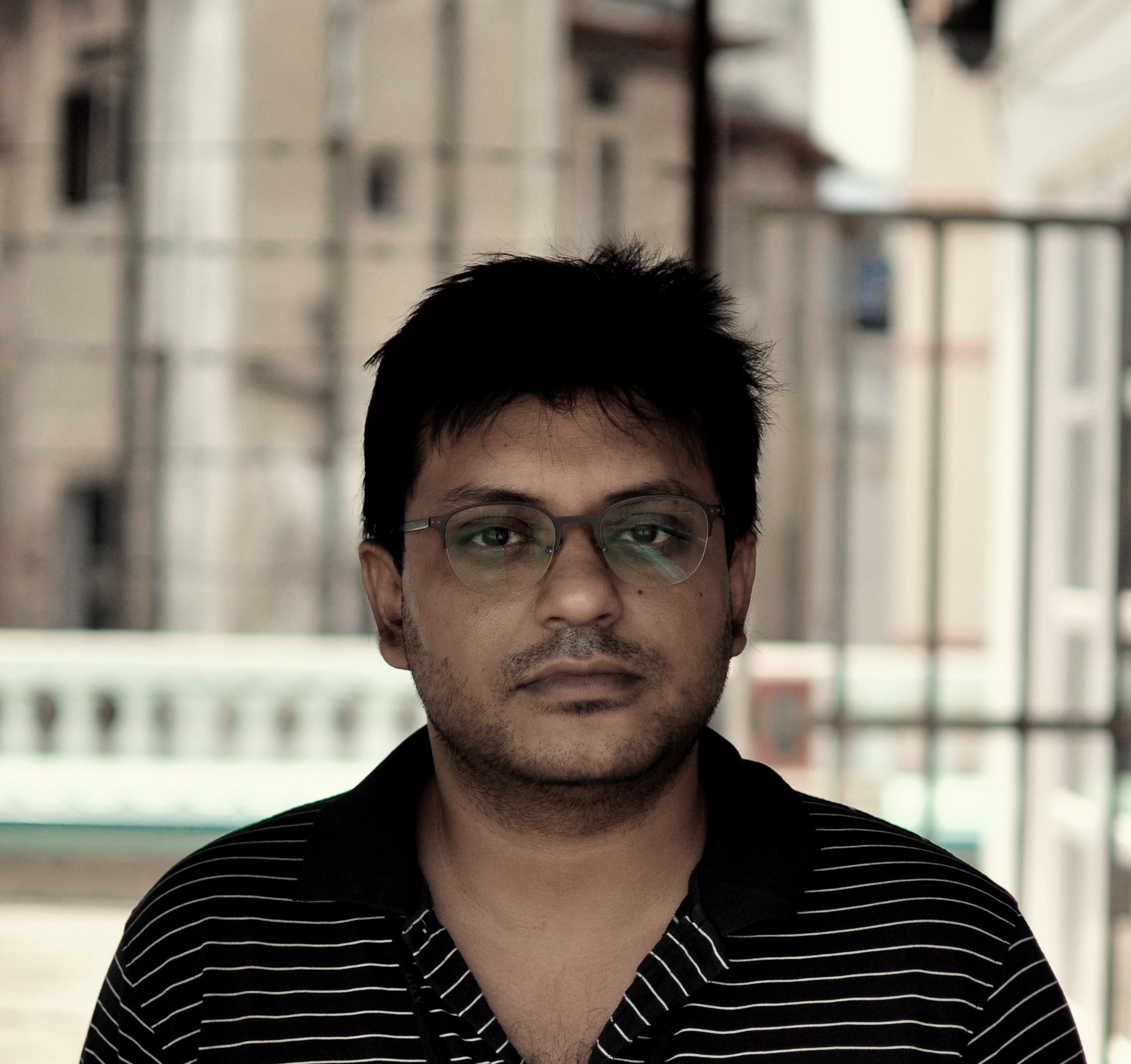
Abhilash Gangadharan
Two essays jointly take the second spot — Abhilash Gangadharan’s “A predictive lifeline“, a compelling personal narrative on the need for better equipping our hospitals with neonatal medical diagnostic tools; and Kavitha Sankaranarayanan’s“A grain of truth“, her passionate, philosophical and humorous take on a drought-tolerant idly rice variety.
Abhilash is a PhD scholar at New Delhi’s Institute of Genomics and Integrative Biology and Kavitha heads the Ion Channel Biology Laboratory at the AU-KBC Research Centre of Anna University in Chennai.
Aditi Ghose
Arijit Goswami
On third position, again jointly, are Aditi Ghose and Arijit Goswami. While Aditi’s “Mapping the malady of cancer“ talks of her learning from a failed science communication project that prompted her team to approach it better, Arijit’s “A friend indeed“ is a well well-reasoned take on the omnipresence of artificial intelligence and chatbots in our everyday lives.
Aditi is an education assistant at Kolkata’s Birla Industrial and Technological Museum and Arijit is a manager at Capgemini India in Mumbai.
Shambhavi Naik
A special mention goes to Shambhavi Naik‘s essay “Return of the Ridleys“, a gripping narrative of a very important wildlife concern around the endangered Olive Ridley turtles, with on the ground reportage that offers solutions. Shambhavi is a fellow at Bangalore based Takshashila Institution and Director of CloudKrate Solutions Pvt Ltd.
Congratulations to all the winners! The winning essays will be published in the Nature India annual volume due for publication later this year as well as in the Nature India blog Indigenus soon. Stay tuned!
The top essays will win cash prizes, a three-year subscription to Nature, trophies and certificates. The special mention essay will receive a trophy and certificate of appreciation. We will also release a list, in due course, of some more honourable mentions in this essay competition and award them certificates of appreciation.
Nature India received more than 200 essays in a call opened in January 2020 in partnership with the Council of Scientific and Industrial Research (CSIR). The essay competition was aimed at providing young and experienced scientists, researchers and authors in India, a platform to share ideas on how socially-impactful science can advance and strengthen the country.
The Nature India essay competition was open for scientists, researchers, writers or authors aged 25 to 50. The essayists had an opportunity to draft a compelling narrative with personal anecdotes, emotion and a science-backed story that may become potentially historic in helping shape the roadmap for India’s scientific future. The submitted essays were judged by a panel of editors, scientists and science communicators.
Many scientists embrace the artistic medium to infuse new ideas into their scientific works. With science-art collaborations, both artists and scientists challenge their ways of thinking as well as the process of artistic and scientific inquiry. Can art hold a mirror to science? Can it help frame and answer uncomfortable questions about science: its practice and its impact on society? Do artistic practices inform science? In short, does art aid evidence?
Nature India’s blog series ‘SciArt Scribbles’ will try to answer some of these questions through the works of some brilliant Indian scientists and artists working at this novel intersection that offers limitless possibilities. You can follow this online conversation with #SciArtscribbles.
Late into her PhD, biologist Ipsa Jain realised that she did not want to spend her life in a lab. Was it okay then to change her mind and embrace visual arts — something which never failed to make her happy?
Ipsa Jain
During the fag end of Phd, I was convinced that the life of a lab rat was not for me. I was having a tough time figuring out a path different from what had been my single minded pursuit since high school. Around that time, I came across a blog by Bulgarian writer Maria Popova (Brain Pickings), which convinced me that it was okay to change my mind. I asked myself what I’d be happy doing. Art was an easy answer.
I went back to doodling and drawing after ten years. I drew things I knew, I drew biology. I started taking online art and design courses and posted some natural history inspired drawings along with tit-bits about the specimen. People started approbating the work and the information.
Mice eating and excreting.{credit}Ipsa Jain{/credit}
In a student festival at the Indian Institute of Science Bangalore, an undergrad student Abhijit Krishna asked me if I would want to exhibit my work. I did and to my surprise people liked and bought my work. I realised that this could make for a living as well, and not just remain a temporary side gig.
Wildlife art
I interviewed a lot of wildlife artists around the country including Abhisheka KrishnaGopal, Sangeetha Kadur, Rohan Chakraborty and Pooja Gupta. Conversations with them made me realise the impact of their work. It is through joy and beauty that they were able to spark conversations around the subject. I also realised that it was this very joy and beauty that had allowed me to connect with my audience through my early work.
Soon after, two of my friends Abhisheka KrishnaGopal and Veena Basavarajaiah invited me to be part of a dance project called ‘how to be a fig’. In this performance, a group of homemakers, engineers, dancers and scientists danced to the ecology of figs based on the book Ladders to Heaven by Mike Shanahan. We were the tempest one minute, a fighting monkey the other, and a growing branch another. The response from the audience was so strong and emotional that I realised the real power of art. It transforms the performer and the observer. It is a beautiful medium of exchange of ideas. That experience still defines my understanding of what it means to be an artist.
This understanding of art as a force evokes and provokes a lot of my work.
A water colour depiction of ‘calcium signalling’ — how calcium ions communicate and drive intercellar processes.{credit}Ipsa Jain{/credit}
Life vs. hydra: This water colour painting is a take on Austrian symbolist painter Gustav Klimt’s ‘Life and Death’. Here, death meets ‘immortal’ hydra.{credit}Ipsa Jain{/credit}
Understanding science visualisation
In one of my first illustration gigs, I created graphics for the web page of Dr. Arjun Guha at Instem, Bengaluru. As we discussed his work, I began thinking with the physicality of anatomy in mind. Drawing can force you to think differently. I got to read about the beautiful work of other science visualisers, including David Goodsell, Drew Berry and Graham Johnson. They incorporate a lot of science in making images. The end product often throws up new scientific questions and hypothesis.
I once attended a talk by Italian science visualiser Monica Zoppè. She said something extremely profound and I paraphrase it here. When we think like scientists, we think within the pragmatic constraints of resources and techniques. When we visualise our science, we are forced to think without these constraints. And if we come up with new ideas and questions, we are forced to push the boundaries of our techniques to answer these questions.
I got to experience these ideas first hand as a postdoctoral fellow in the lab of Minhaj Sirajuddin at InStem. Collaboratively, I worked on drawing a molecular motor with French digital animator Renaud Chabrier and biologist Carsten Janke at the Insititut Curie in Orsay, France. While summarising data into a pencil drawing, I found that the existing information on molecular motion didn’t match reports from structural data. I asked these questions to leading researchers in the field (unpublished data).
Renaud Chabrier exposed me to more ideas on how to incorporate science into a drawing. He taught me that while portraying information that is still under study or has an element of doubt, use faint strokes, and for established data use solid lines. I still use this trick all the time!
Pencil drawing trying to understand the form of a molecular motor.{credit}Ipsa Jain{/credit}
I also got exposed to the work of Gemma Anderson, a drawing practitioner who works with scientists and organises drawing labs for science students. Her work doesn’t rely on conventional iconography but recreates these forms and asks newer questions in the process. She coaxes scientists to contextualise their work in a space and time matrix. My dream would be to do similar work with Indian labs, where we use drawing exercises to think about our subjects differently.
Practising science communication
As my ideas grew from joy to information-driven image making, I found myself asking what “sciart” means. Where and how does it overlap with science communication and with science visualization?
Luckily my postdoc project allowed me to ask this very question on a daily basis. We are making a book for young adults on colouration in animals and how quickly these colours change. The idea is to discuss behaviour, anatomy, physiology and molecular processes in one book. The research is based on science and the images (particularly microscopic) are direct interpretation of available data. But I often have to balance clarity with accuracy to highlight the story. While the images are informed by science, they do not incorporate all details. This experience has taught me that the content and images we need to tell a story also depend on the intent and the audience.
A water colour painting of a melanocyte with pigment aggregated at the centre.{credit}Ipsa Jain{/credit}
In a project last year, I asked what a cell is. I realised that the textbook definition is incomplete in so many ways. In trying to find a more nuanced answer, I interacted with college students from fields other than science. From my drawings, some of them interpreted the distribution of internal structures differently — they felt that organelles are different at different depths, and the shape of the cell changes from top to bottom. Some figured out the polarity of the cell. Some were even able to identify and predict relationships between organelles. For example, they noticed how mitochondria (the energy making organelles) were closely related to the periphery of the cell where cilia, the structures that drive the motion of the cell, are located.
Mixed media depiction compares the form and interior of an orange with Tetrahymena, a unicellular organism.{credit}Ipsa Jain{/credit}
I am a great believer in sharing what I learn without waiting to acquire expertise in it. I have been conducting workshops on science illustration and graphic design for scientists. I also use art classes as an excuse to talk about some scientific concepts.
At a students’ course called ‘Art of Being’ in St. Joseph’s College, Bengaluru, we have been discussing how observation-based drawing can be used to learn about a subject. The course, attended by both science and economics students challenges me to think about my own ideas, and the students to think of the science (and other subjects) differently. How does an illustrator choose to represent certain information, and hide some? How does that affect the perception we create about the subject? How do we know about time while looking at schematic art or a drawing? How does our inherent bias affect the collection of data? These are some of the questions we ask.
At a science illustration workshop, students copied an artwork by American biologist-artist David Goodsell. Each chose to highlight different aspects of the drawing reflecting that science visualisers could choose to see or show different things.{credit}Ipsa Jain{/credit}
I am hoping to engage with science and design students on observation and documentation, which remain the essence of the scientific process. I hope to bring them together to ask newer questions and seek newer answers. As a freelancer, I hope to collaborate with more scientists and visualise their science.
[Ipsa Jain can be reached at ipsajain.31@gmail.com. Some of her work is at www.ipsawonders.com.]
[This competition has now closed. We hope to announce the results in early April 2020 here at the Indigenus blog.]
Nature India in partnership with the Council of Scientific and Industrial Research (CSIR) is launching an essay competition to provide young and experienced scientists, researchers and authors in India, a platform to share ideas on how socially-impactful science can advance and strengthen the country.
The Nature India essay competition is now open for scientists, researchers, writers or authors aged 25 to 50. The essayists will have an opportunity to draft a compelling narrative with personal anecdotes, emotion and a science-backed story that may become potentially historic in helping shape the roadmap for India’s scientific future.
We invite thoughts on the societal impact of science in India in not more than 1000 words. We are looking for essays with an aspirational tone, emotions and story-telling without too much sentimentality. The essays should be reasoned, well-researched, forward-looking and supported by existing science. They should ideally be informative and entertaining in equal measure. Adding a personal perspective to the narration is desirable. We are not looking for academic papers, an academic writing style or science fiction.
Submitted essays will be judged by a panel of editors, scientists and science communicators.
The deadline for completed essays is midnight, India time, on 9 March 2020. The winners will have their essays published in the Nature India annual volume as well as the Nature India blog Indigenus. The top three essays will win cash prizes (Rs 40,000, Rs 30, 000 and Rs 20,000 or equivalent), a three-year subscription to Nature, trophies and certificates. We will also feature the essayists and their ideas in a Nature India podcast.
Please send your submissions to natureindia@nature.com with the subject line “Nature India Essay Competition 2020”. Please include your name, affiliation and contact details in the email. We look forward to reading your imaginative and thought-provoking essays.
For inspiration, you may want to read these essays adjudged winner and runners-up (1, 2) of the Nature essay competition 2019.
[TERMS AND CONDITIONS
Please read these terms and conditions carefully. By entering into this Nature India Essay Competition (“Promotion”), you agree that you have read these terms and that you agree to them. Failure to comply with these terms and conditions may result in your disqualification from the Promotion.
Information about how to enter and prize details form part of these Terms and Conditions. Entry into this Promotion is deemed to be an acceptance of these Terms and Conditions.
This Promotion is run by Nature Research, a division of Springer Nature Limited, a company registered in England with registered number 00785998 and registered office at The Campus, 4 Crinan Street, London N1 9XW (“Promoter”).
To enter this Promotion you must be: (a) resident of India; and (b) aged between 25 years old and 50 years old on or before 9th January 2020. This Promotion is void in Cuba, Iran, Myanmar, North Korea, Russia, Ukraine, Sudan, and Syria or where otherwise prohibited or restricted by law. Any government officials that enter the Promotion are responsible for ensuring that they may enter and/or receive a prize if they win and that the prize does not exceed the relevant limit for their role and jurisdiction. If a winner is not able to accept the prize then a charity donation can be made instead to a Springer Nature approved charity.
This Promotion is not open to directors or employees (or members of their immediate families) of Promoter or any affiliate of Promoter. Promoter reserves the right to verify the eligibility of entrants.
The Promotion is open for entries between 00:00 Indian Standard Time on 9th January 2020 and 00:00 on 9th March 2020 IST.
No purchase is necessary to enter this prize Promotion and will not increase your chances of winning.
You can enter this Promotion in the following way: write and submit an essay on the societal impact of science in India in a text file, along with your email address by submitting your text file to NatureIndia at the email address natureindia@nature.com. Entries should be in a text file (.doc, .docx), written in good and understandable English, with a word limit of 1000 words or less not including references.
This Promotion is in no way sponsored, endorsed or administered by, or associated with Instagram, Twitter or Facebook. By participating you hereby release and hold harmless Instagram, Twitter and Facebook from any and all liability associated with this Promotion.
Only one entry per eligible person. Multiple entries will be deemed to be invalid and may lead to disqualification.
Promoter accepts no responsibility for any entries that are incomplete, illegible, corrupted or fail to reach Promoter by the closing date for any reason. Proof of posting or sending is not proof of receipt. Entries via agents or third parties are invalid. No other form of entry is permitted. Please keep a copy of your entry as we will be unable to return entries or provide copies.
The prize for the Promotion consists of the following: (a) three cash prizes (of Rs 40,000, Rs 30,000, Rs 20,000 respectively); (b) 3 year’s personal subscription to Nature; and (c) publication in Nature India’s annual volume and Indigenus blog. The cash prize can only be paid into the bank account of the winner.
The editors reserve full editorial discretion in choosing winner(s), and may decide to award none of the entries. All essays submitted by entrants to the Promotion shall be subject to the Publisher’s editorial acceptance processes. Publication of any essay is at the sole and absolute discretion of the Publisher, and any failure by the Publisher to publish, or non-publication, of such essays, for any reason whatsoever, shall not be a breach by it of this Terms and Conditions.
The prizes shall be awarded as follows: essays will be judged by a panel of Nature editorial staff and by an external judging panel. Judges will consider the editorial impact and general quality of the essay, as well as its adherence to existing science and reason. Full names of the judging panel will be available on request. Any decision will be final and binding and no further communication will be entered into in relation to it.
Ownership of entries: for consideration into this competition, you must be willing to sign a license to publish form granting a license of the intellectual property rights in your essay to the Promoter. Such license will be supplied by the Promoter to selected entries and will include the right to use the entry in promotional or marketing material in print and online. You confirm that your entry is your own original work, is not defamatory and does not infringe any laws, including privacy laws, whether of the UK or elsewhere, or any rights of any third party, that no other person was involved in the creation of your entry, that you have the right to give Promoter and its respective licensees permission to use it for the purposes specified herein, it is lawful for you to enter and that you agree not to transfer files which contain viruses or any other harmful programs. Please note that it is the responsibility of the entrants/author(s) to obtain permission from the copyright holder to reproduce third party intellectual property (including without limitation figures or tables that have previously been published elsewhere).
The winner(s) of the Promotion shall be notified as follows: informed by email. If the winner enters the Promotion via social media, the Promoter will use reasonable endeavours to contact the winner, but reserves the right to reject any such entry the winner cannot be contacted.
The winner(s) will be required to confirm acceptance of the prize within five working days and may be required to complete and return an eligibility form stating their age and residency details, among other details. Promoter will endeavour to ensure that winner(s) receive their prizes within 30 days of the date they confirm acceptance of the prize and have fulfilled any post-promotion requirements. If a winner does not accept the prize within five working days of being notified, they will forfeit their prize and Promoter reserves the right to choose another winner(s). Promoter’s decision is final and Promoter reserves the right not to correspond on any matter.
The name, region of residence and likeness of the winners may be used by Promoter for reasonable post-event publicity in any form including on Promoters website and social media pages at no cost.
You can find out who has won a prize by sending an e-mail to natureindia@nature.com or checking nature.com/natureindia. Winners will be announced on Nature India’s blog Indigenus.
Promoter reserves the right to cancel or amend these Terms and Conditions or change the Prize (to one of equal or greater value) as required by the circumstances. No cash equivalent to the Prize is available.
All personal data submitted by entrants is subject to and will be treated in a manner consistent with Promoter’s Privacy Policy accessible at https://www.nature.com/info/privacy.html. By participating in this Promotion, entrants hereby agree that Promoter may collect and use their personal information and acknowledge that they have read and accepted the Promoter Privacy Policy.
Promoter may at its sole discretion disqualify any entrant found to be tampering or interfering with the entry process or operation of the website, or to be acting in any manner deemed to be disruptive of or prejudicial to the operation or administration of the Promotion. Entries not submitted in accordance with these Terms and Conditions or entries that are incomplete or illegible (as determined in our sole discretion) will not be eligible.
Other than for death or personal injury arising from negligence of the Promoter, so far as is permitted by law, the Promoter hereby excludes all liability for any loss, damage, cost and expense, whether direct or indirect, howsoever caused in connection with the Promotion or any aspect of the Prize. All activities are undertaken at the entrants own risk. Your legal rights as a consumer are not affected.
The Promotion may be sponsored by a third party engaged by the Promoter.
These terms and conditions shall be governed by and construed in accordance with Indian law. Disputes arising in connection with this Agreement shall be subject to the non-exclusive jurisdiction of the Indian courts.]
Many scientists embrace the artistic medium to infuse new ideas into their scientific works. With science-art collaborations, both artists and scientists challenge their ways of thinking as well as the process of artistic and scientific inquiry. Can art hold a mirror to science? Can it help frame and answer uncomfortable questions about science: its practice and its impact on society? Do artistic practices inform science? In short, does art aid evidence?
Nature India’s blog series ‘SciArt Scribbles’ will try to answer some of these questions through the works of some brilliant Indian scientists and artists working at this novel intersection that offers limitless possibilities. You can follow this online conversation with #SciArtscribbles.
Argha Manna, a cancer researcher-turned-science comics artist, tells us how he blended his passion for science, history and comics to carve a unique genre for himself.
Argha Manna
Seven years ago, as a PhD student in cancer biology at Bose Institute in Kolkata, I was sitting at my desk reading a research paper. The paper was about how ‘cortical actin remodeling can influence spatio-temporal organization of cell surface receptors’. Although it was not directly related to my research, I wanted to read it as one of my friends was on the author list. While the paper featured a beautiful graphical abstract and excellent schematics, I was still having trouble understanding what it was about. The moment I started to think in visual sequences, however, the story opened up for me. Unknowingly, I had created a comic narrative in my mind on the cellular events, and the paper made sense.
Making science accessible through comics is not a new concept. According to Will Eisner, considered the father of the graphic novel, and eminent comics artist and scholar, Scott McCloud, comics is a sequential art form. The practice of using sequential art to explain scientific findings was common during the early days of modern science — Galileo made a series of sunspot drawings from his own observations. After the advent of time-lapse imaging and video-micrography, sequential art has been restricted to either the discussion section of academic journals or in science-themed comic books.
Visual metaphors to tell science stories
My first encounter with such books was Larry Gonick’s The Cartoon History of the Universe series. I was amazed by the use of visual metaphors. Later, I came across several books that used comics to communicate science such as Jay Hosler’s Optical Allusions, Neurocomic by Matteo Farinella and Hana Ros, and Mysteries of the Quantum Universe by Thibault Damour and Mathieu Burniat. I also found comics in academic journals like Science (General Relativity by Adrian Cho, Science, 2015). In all of these comics, metaphors were used to explain complicated scientific concepts in an accessible manner. Jorge Cham’s PhD comics and Randal Munroe’s xkcd are great examples of this.
Reading Nick Sousanis and Richard Monastersky’s The fragile framework (Nature, 2015) was a kind of ‘aha moment’ for me. I had found my calling – communicating science through comics. I dropped out of my PhD and joined a local newspaper in culturally-rich Kolkata, the West Bengal capital. In the first few months I created a series of articles for school children on the advent of modern science. I was fascinated by the history of science, so I started researching Robert Hooke and the early days of the Royal Society. A few months later I started to convert the articles into a comic form — and my first newspaper comic was born (Image 1). It has been appearing every week in ‘The Telegraph in School’ supplement.
Image 1: A page from the comics ‘Welcome to the Hookes’ lab’
I didn’t want to restrict myself to just explaining scientific concepts, to make science truly come alive I also included elements such as socio-political context, the people behind the science, technological development, social network of scientists and micro-histories.
Such an approach is essential in communicating the full flavour of the history of science, according to Harvard-based physicist and historian Peter Galison (Ten problems in History and Philosophy of Science, ISIS, 2008). History of science practitioners — as historians, scientists, librarians, cataloguists and archivists — collect these elements in the form of oral histories, newspaper clippings, artwork, diaries and memoirs, photographs and podcasts. A complete story can then be formed by adding these elements together — and may be more easily digested as a comic, rather than as a long form text.
As popular history of science stories tend to focus on Europe and North America, I created a free-to-access blog ‘Drawing History of Science‘ to tell stories about Indian science through illustration. At the beginning it was a lone venture. Then Sci-Illustrate, a Munich-based group, came forward as a collaborator in my journey. I found their goal – to revive the stories of women scientists from India – important. Together we have been retelling stories of Indian Women in Science (Image 2 and 3).
Image 2: Rajeswari Chatterjee (1922-2010), former professor and chairperson of the department of electro-communication engineering at the Indian Institute of Science, Bangalore. This and the following artwork were created in collaboration with the Sci-Illustrate group in their ‘Indian Women in Science’ series.
Image 3: Clockwise from top left: JANAKI AMMAL, Indian botanist and cytogeneticist, credited with putting sweetness in Indian Sugarcane varieties; ASIMA CHATTERJEE, one of the first women in India to earn a doctorate in science; IRAWATI KARVE, India’s first woman anthropologist; BIBHA CHOWDHURY, India’s first female particle physicist.
Later, ClubSciWri, the science communication platform of ‘PhD Career Support Group’ or STEMPeersTM approached me to create more comics about the history of science. In collaboration with them, I am telling stories from a global perspective, through comics and art (Image 5).
Image 5: A page from the essay ‘Waging war on the microbes’. The text of the essay was originally written by Ananya Sen for Club Sci Wri.
My future plan is to narrate natural history research in colonial India through comics and interactive art. Right now I am cataloguing the artwork (drawings, engravings etc) published in Asiatic Society journals and other media. I wish to redraw the old colonial artworks, to make them more interactive and then add the context and other elements in the form of sequential illustrations. It is still a lonely walk but I feel the future is bright.
[Argha Manna can be contacted at argha.manna@gmail.com.]
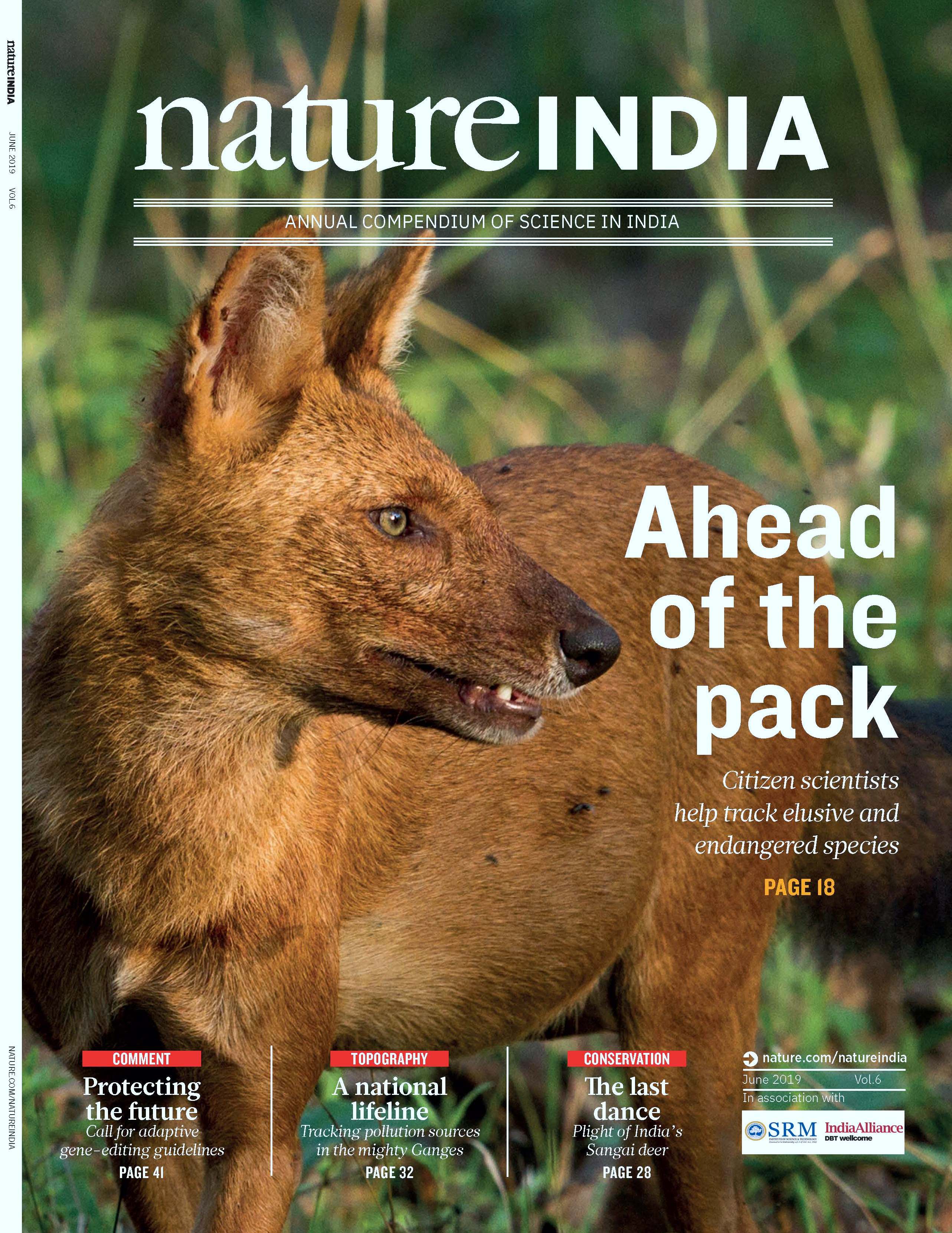
The past couple of years have seen some interesting trends in India’s science. There has been a surge in the number of innovation-driven start-ups, and in the use of artificial intelligence in fields as diverse as health and aerospace. What has been most noteworthy, however, is the social aspect of science. More than ever before, the scientific community is standing up against pseudoscience, be it by contesting an unsubstantiated remark by a politician, calling out scientific misconduct, or helping weed out fake and predatory journals published from India.
Another positive social drift slowly gaining ground is the citizen science movement. In this annual issue, we focus attention on the tangible results of some crowd-sourced projects. For a country with more than 1.3 billion people, citizen science may turn out to be an effective tool to connect science with people, appraising them of the rigours of gathering and verifying evidence, and in turn, building a scientific mindset. Used intelligently, citizen science could help find answers to some pressing sustainable development challenges faced by India and much of south Asia.
The other big story that we looked at in 2018 was how Indian scientists have quickly embraced the use of CRISPR Cas-9, the gene splicing tool that became the reason for celebrations and controversies around the world. We report on some key Indian scientific missions that are editing genes related to diseases, especially blood anomalies, unique to the developing world.
On the other side of the disease spectrum, some new red flags were waved in the form of the first report of artemisinin-resistant malaria in India and the ‘good’ microbe bifidobacteria harbouring genes that make it resistant to anti-TB drugs.
Our 2018 photo contest took a comprehensive look at vector-borne diseases. The winning pictures that present a stinging story are featured in the photo section.
Climate is a burning issue for south Asia, quite literally. We analyze how the urban poor will suffer the most in an imminent climate crisis facing most big cities of south Asia. In a series of investigations, we reported how rice farming is impacting the climate more than ever before, why cloning hybrid seeds could benefit rice farmers, how increased dependence on nitrogen fertilizers has made India a nitrogen emission hotspot, and why crop stubble burning is national menace.
A lot has been happening around India’s holy river Ganga (also known as Ganges). Scientists are putting together a 3D map of the mighty river clogged with waste, and its fertile basin, where groundwater is depleting at an alarming rate. Part of our coverage is dedicated to the scientific solutions to these huge challenges faced by India’s largest river.
Nature India annual volumes curate research highlights, news, features, commentaries and opinion pieces published through the year. They are a thoughtful selection designed to give our readers an accessible reference to the latest in India’s science.
As always, we welcome your feedback.
You will find more on our our archival annual issues here: 2017, 2015, 2014 and 2007-2013. And some more about the content and subscription of these issues here.
Many scientists embrace the artistic medium to infuse new ideas into their scientific works. With science-art collaborations, both artists and scientists challenge their ways of thinking as well as the process of artistic and scientific inquiry. Can art hold a mirror to science? Can it help frame and answer uncomfortable questions about science: its practice and its impact on society? Do artistic practices inform science? In short, does art aid evidence?
Nature India’s blog series ‘SciArt Scribbles’ will try to answer some of these questions through the works of some brilliant Indian scientists and artists working at this novel intersection that offers limitless possibilities. You can follow this online conversation with #SciArtscribbles.
Are memories of the generation that transformed India’s science in the 20th century fast fading away? Do India’s contributions get lost in the predominantly western storytelling of science? Jahnavi Phalkey, historian of science and the founding director of Science Gallery Bengaluru, says a new public repository is all set to correct this by documenting the oral history of India’s science.
The concept of a well-documented ‘intergenerational conversation’ – where one generation passes on their expertise, anecdotes and experiences to the next – is grossly missing in India’s science. While transformative ideas revolutionised the country’s science and engineering in the 20th century, not many in the present generation of scientists might recollect the people behind those sparks.
To preserve these nuggets from history, my team and I at the Science Gallery Bengaluru are putting together a public archive of India’s science. Called Re:Collect, this crowd-sourced online repository will house recordings of conversations with free India’s first generation of scientists, engineers, and laboratory technicians about their life and times, giving us a peek into an era gone by. In short, we will document memories of science in action.
The repository is India’s first attempt to draw on the public’s curiosity, especially of the young, to unearth, document, and appreciate India’s rich science and technology history. Our inspiration came from two highly successful volunteer driven public digital archives – P Sainath’s People’s Archive of Rural India (PARI) and Guneeta Singh Bhalla’s 1947 Partition Archive.
What Sainath says about the need for a people’s archive is equally true for the history of science in India, “Without any systematic record, visual or oral, to educate us – let alone motivate us – to save this incredible diversity, we are losing worlds and voices … of which future generations will know little or nothing.”
We will plug into a network of institutional archives willing to accept documents and objects we discover. Our first institutional chapter will be hosted at the Archives and Publication Cell, Indian Institute of Science (IISc), shortly to be followed by another chapter at the Indian Institute of Technology, Madras (IITM).
Positioning India in the global science narrative
The story of science is mostly told as a story of Europe and North America. Stories and contributions from India and other parts of the world are lost in this narrative. We thought about how we might be able to change that skew.
While it was heartening to see new institutional archives opening their wares up, we found very few oral histories and no significant collection of personal papers of scientists and engineers. Such material is essential to write the history of scientific practice, credible biographies and thought-provoking prosopographies such as Gary Wersky’s The Visible College: The Collective Biography of British Scientific Socialists of the 1930s (1978), Marwa Elshakry’s Reading Darwin in Arabic, 1850-1930 (2013) and Michael Boulter’s more recent Bloomsbury Scientists: Science and Art in the Wake of Darwin (2017).
Not too long ago, at the Science Museum London, I worked on what was dubbed as a blockbuster exhibition on India for which I was looking for interesting objects and stories behind them. Given my research in history of science, I knew it would be difficult, though I did not then appreciate just how much! King’s College London, where I was employed at the time, came to the rescue with seed funding for research on the exhibition and this is how Re:Collect was born.
The process of archiving
Through the initial seed fund from King’s, I created a list of over 1,000 senior scientists and engineers born before India’s Independence in 1947, organised by their current city of domicile. Based on our learning from comparable projects, science communicator Shaun O’Boyle, designer Madhushree Kamak and I developed handbooks to generate material for the project. We have an established protocol for audio and audio-visual recording of interviews in laboratories, for creating their audio-summaries and transcripts, and for documenting objects and instruments of historical interest.
Re:Collect India will be driven by the young and not-so-young volunteers ̶ they could be students, scientists, historians, artists or anyone interested in the history of science and technology in India. These volunteers will interview the first generation of free India’s scientists, engineers, and technicians preferably in their laboratories or field-site. They may even video record the interview as long as it adheres to the standards specified by the protocol. We want to encourage the need to listen to and capture the stories that these interviewees want to tell.
Field experiments are tricky and often throw up hilarious moments. Re:Collect will capture the joy of doing experimental research. In this photo, meteorologist Anna Mani works with a colleague on a radiosonde, a balloon-borne weather-measuring equipment.{credit}World Meteorological Organization{/credit}
The conversations will essentially capture the enthusiasm, challenges, setback, struggles of teaching, conducting research, establishing disciplines, institutions, and building equipment in India after Independence. We will encourage the documentation of objects in teaching and research. The resulting conversations about scientific practice will become an oral history archive, and also generate an object inventory.
India’s voices in science
As India comes under the spotlight in what promises to be the Asian century, general recognition of India’s struggles and accomplishments in science remains woefully inadequate both at home and abroad. This global lack of awareness is untenable especially when India is being seen as an engineering powerhouse with huge potential in scientific research.
Our archive, therefore, will have three strands – a digital public archive of people in science, an inventory of historical objects in teaching and research, and an open access exhibition website with stories of science in action. In due course, we would like to add full text official and credible reports related to science and engineering in India. As a bonus, we hope the process will help generate donations of personal papers and objects to institutional archives.
The Re:Collect experience and our online orientation workshops will help volunteers develop useful new skills. Our citizen archivists may want to become storytellers and vice versa. We would, of course, respect the interviewees’ intellectual ownership of their story, and always acknowledge the volunteer’s contributions.
Re.Collect will capture the collective energy and camaraderie that builds and pushes the pursuit of science. Rajeshvari Chatterjee (centre), the first woman engineer from Indian Institute of Science, works with colleagues at the Department of Electrical Communication Engineering.) {credit}APC, IISc{/credit}
Institutions of science and their archives, especially in India, are seldom accessible to the layperson. Moreover, written documents fail to capture the excitement, the tragedy and the occasional triumph of everyday science. Video and spoken-word recordings of conversations, accompanying historical and contemporary photographs, and supporting documents are, therefore, more appropriate as public resources.
Besides the collaborations with IISc and IITM, we are exploring partnerships with universities in India and abroad to host the website and the digital repository. We will also be actively seeking collaborations with people who can use materials from the repository for research, writing, filmmaking, and pedagogy.
As people across generations meet and talk to each other, the young will meet the experienced. The stories shared will shed light on institution building and leadership in science, on the trials and travails of doing experimental research in India ̶ all immensely useful learning for an early career scientist or an engineer. Moreover, the material itself will lay the foundations for future history writing; and more generally, the project will help create a historical sensibility around science in India.
[Jahnavi Phalkey is the author of Atomic State: Big Science in Twentieth Century India, and director-producer of the film Cyclotron.]
Nature India and the Wellcome Trust/DBT India Alliance (India Alliance) have chosen the first batch of India Science Media Fellows (2019), who will receive a fellowship of INR one lakh each over the next six months to publish or broadcast media stories on life sciences, biomedicine, application-based or basic biological research, and health.
Here is the first batch of ISMF Fellows, chosen through a highly competitive process that invited applications from across India:
Aditya Bidwai
AdityaBidwai, Chief Sub Editor and Web presenter at Aajtak.in with the India Today Group in New Delhi. Aditya has been covering global environment issues, politics, medicine, and government policies for over seven years now.
Archana Jyoti
Archana Jyoti, Special Correspondent, The Pioneer newspaper, New Delhi. Archana has been covering the health, science, environment, and social welfare beats for media houses such as Press Trust of India, Asian Age and The Pioneer for more than 15 years.
Muhammad Sulhaf K
Muhammed Sulhaf K is a Sub Editor with Madhyamam Daily in Calicut, Kerala. He has over a decade of experience in communicating science in the regional Malayalam language media houses.
Paramananda Barman
Paramananda Barman, Resident Editor, Research Matters, Gubbi Labs, New Delhi. Paramananda also manages their Assamese language section. He writes on life sciences and covers diverse areas such as health, medicine, ecology and environment and applied biology.
Rabia Noor
Rabia Noor, freelance journalist at Greater Kashmir and Assistant Professor of Journalism and Mass Communication at the Islamic University of Science and Technology, Kashmir. Rabia has also worked with the Zee News Srinagar Bureau, Kashmir Speaks and Kashmir Affairs.
Congratulations to the ISMF 2019 fellows!
The India Science Media Fellowships (ISMF) were launched on the eve of India’s National Science Day 2019. The fellowships aim to boost the coverage of science in the Indian media, and consequently enrich the public understanding of and engagement with science and related policy issues. The fellowship is designed to support Indian journalists to build a body of science-based journalistic work.
The fellowship will also provide a platform for the Fellows to connect with science and communication experts, to receive mentorship on the nuances of science journalism and the dynamics of impactful science reportage.
Nature India and the Wellcome Trust/DBT India Alliance jointly launched the India Science Media Fellowships 2019 on 27 February 2018, the eve of India’s National Science Day, to encourage the coverage of science in the Indian media (press release here).
The 2019 fellowships are open to Indian journalists interested in reporting on life sciences, specifically biomedicine, application-based or basic biological research and health. The fellowship will provide a grant of INR 100,000 to five grantees selected through a nation-wide call for applications.
Selected fellows will have the opportunity to create a strong body of work in science journalism by publishing or broadcasting stories in their respective media outlets. The larger objective is to enable and enrich public understanding of science and related policy issues through these stories.
Five selected fellows will be invited for a two-day orientation workshop in New Delhi in April 2019. They will have the opportunity to connect with science and communication experts and mentors to discussed nuanced science writing and communication as well as the means and methods of impactful reportage.
Fellowship: The Fellowship is meant to cover expenses incurred for field travel, research and writing/broadcasting. This will be paid in two instalments; one at the beginning of the fellowship and the other on completion of publishing the required number of stories.
Fellowship Themes: Applicants can choose to focus on life sciences, biomedicine, application-based or basic biological research, and health. Media fellows can look at ongoing research in laboratories and centres of higher learning, scientific conferences or peer reviewed science and elsewhere for their story ideas during the fellowship. Possible story sources and mentors will be discussed during the workshop.
Eligibility: Professional journalists, including freelancers, in print, broadcast or new media in English or any Indian regional language, with at least three years of demonstrated experience in writing on science or related issues. Fellows who choose to write in a regional language should be proficient in written English too.
Duration of Fellowship: Six months, during which fellows must complete their submissions.
Fellowship Criteria: Fellows must produce at least five stories (each 1000 words or more) on the selected topic. Two short news items (500 words each) will constitute one story, and if a fellow opts to produce only news stories then ten stories will be required for completion of the fellowship. Similar guidelines will be in place for selected radio, television or multimedia journalists.
Application Deadline: 28 March 2019. Selected applicants will be notified within 15 days.
To apply for the Fellowship, please complete the online application form here: www.bit.do/ISMF2019. Please use only Google Chrome to submit this form.
The winners of the fifth edition of Nature India photo contest have now been chosen after a week of unprecedented activity on the Indigenus blog and our social media channels (Facebook and Twitter ), and brainstorming by a global jury comprising members of the Nature Research editorial and design teams as well as an independent vector-borne diseases scientist.
The photographs have been judged for their adherence to this year’s theme ‘Vector-borne diseases’, for their creative thinking, quality and print worthiness. They were also rated in part on the engagement they received on social media.
The winner of the Nature India photo contest 2018 is:
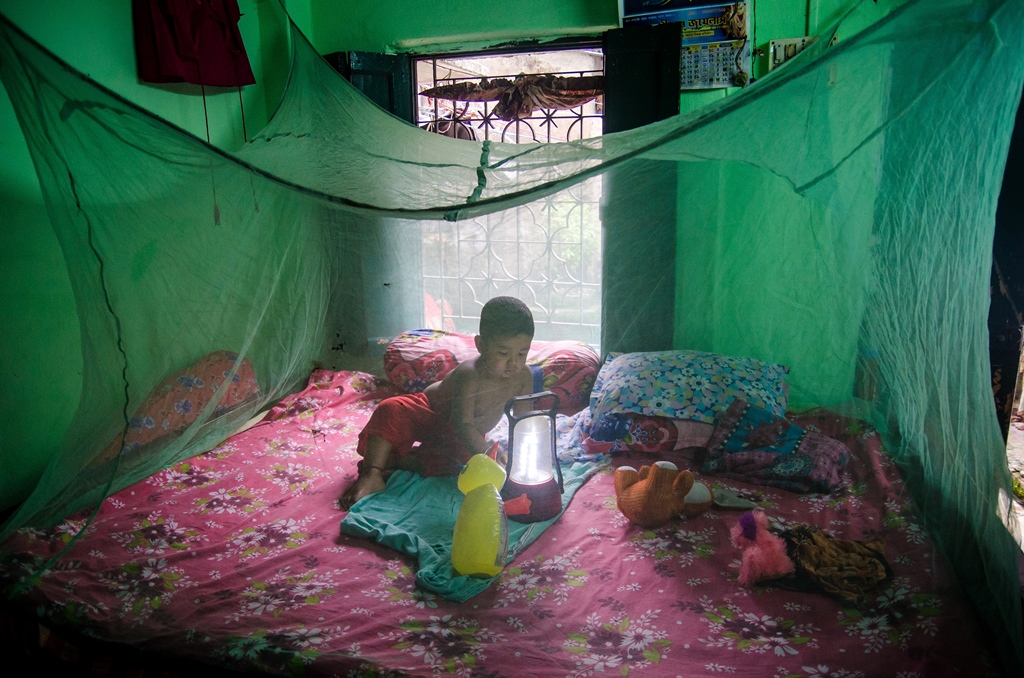
for his striking image titled ‘Safe from dengue’, a simple yet powerful message around prevention of vector-borne diseases.
{credit}Sudip Maiti{/credit}
Sudip says this about his image:
{credit}Sudip Maiti{/credit}
This two-year-old boy plays safely inside a mosquito net in Kolkata,West Bengal, India. Over 13,000 people were affected by the vector-borne disease in the State of west Bengal alone in the year 2017, while the official death count reached 30.
As a simple preventive measure, the use of mosquito net is widespread among the residents of this eastern metropolis.
In second position is:
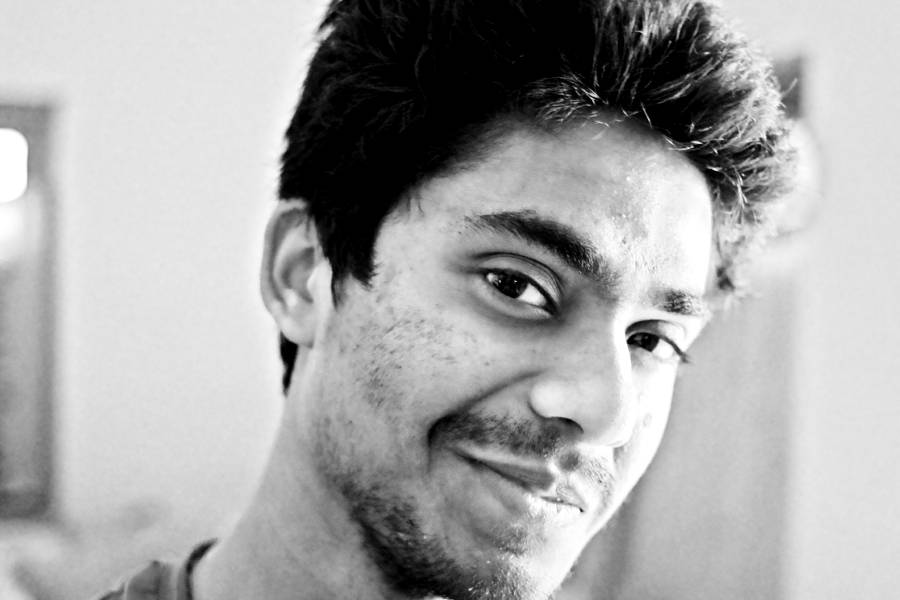
Aditya Kanwal from the Indian Institute of Science Education and Research, Mohali, Punjab, India
with his picture titled ‘The pretty side of mosquitoes‘ that beautifully brings out a not so known facet of the deadly vector.
{credit}Aditya Kanwal{/credit}
Aditya says:
Aditya Kanwal
Mosquitoes are one of the deadliest animals on Earth. They kill more humans than any other organism does. However, of around 3500 mosquito species, only a few are disease carriers. And only the females bite humans. Most mosquitoes don’t bother humans, and actually play a very important role in our ecosystem. Mosquito adults as well as larvae are important source of food for birds, amphibians and fishes. This means, eradicating them completely may drastically impact the food chain. Mosquitoes are also essential pollinators for many plant species and provide nutrition to some of them such as the pitcher plants.
Therefore, complete removal of mosquitoes may also have detrimental effects on several plant species. Some people argue that it won’t be long before other species occupy the niche. But it takes millions of years for organisms to co-evolve. So in case mosquitoes go extinct, it may take some more sacrifices and a long time for the ecosystem to stabilise.
What the world needs is smarter, targeted strategies to control only the disease-causing species of mosquitoes. Initial trials with genetically modified male mosquitoes, that are unable to carry a vector or produce lethal offspring when they mate, are showing promise. With all the funding that’s going into mosquito research, we may soon have a sane solution to tackle our biggest enemy with minimum collateral damage.
The third prize goes to:
Nitin Gupta, Indian Institute of Technology Kanpur, Uttar Pradesh, India
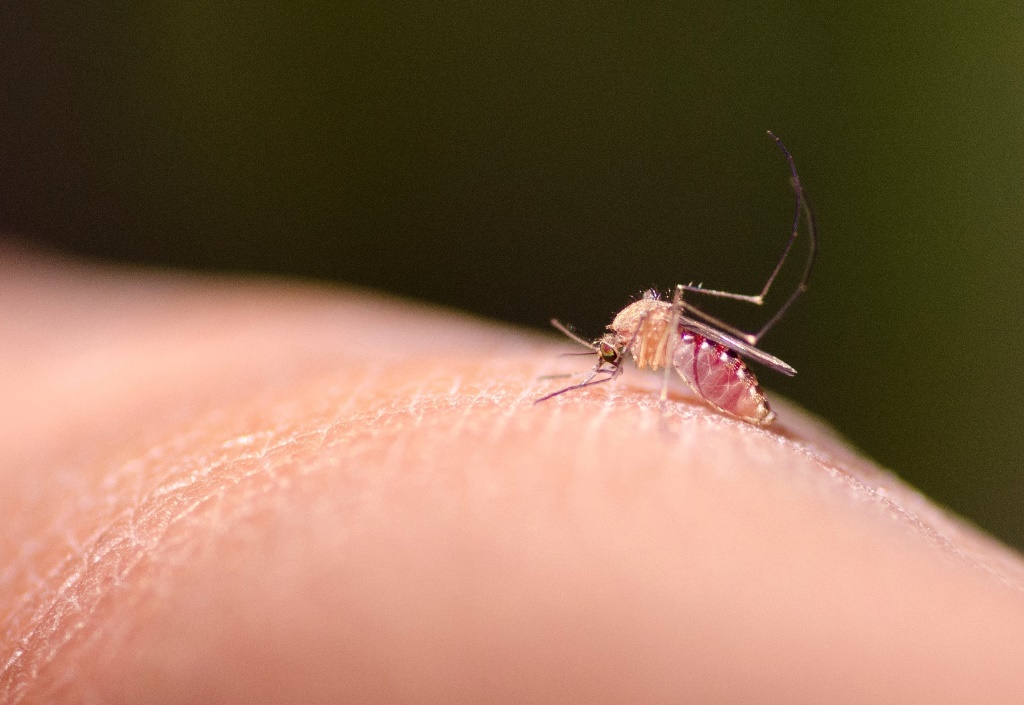
for his image ‘Mosquito: an accidental killer‘ where he bravely clicked a mosquito feasting on a blood meal on his hand.
{credit}Nitin Gupta{/credit}
Nitin says:
Female mosquitoes bite us because they need blood to nourish their eggs. The bite itself is not harmful: the tiny belly of a mosquito, seen in the photograph, can take no more than a few microliters of blood at a time, while the human body produces 10 times more every minute. What makes the bite dangerous occasionally is what the mosquito leaves behind, which could be a deadly parasite.
The photograph shows a female Culex mosquito gorging on my left hand, which I captured using a camera held in the right hand.
The winner of the Nature India photo contest 2018 will get a cash award of $350, the second prize is worth $250 and the third $200. The winner and two runners-up will receive a copy of the Nature India Annual Volume 2017 and a bag of goodies (including Collector’s first issues of Nature and Scientific American and some other keepsakes) from the Nature Research. One of the winning entries also stands a chance of being featured on the cover a forthcoming print publication.
These winning photos and those of 7 other finalists will be featured in a roving exhibition at four venues in India, details of which we will announce as we firm up these events.
Today we are announcing the last finalist of the Nature India photo contest 2018 — finalist number 10:
Preethi Krishnamoorthy, Project Assistant, Inter-University Centre for Astronomy and Astrophysics, Pune, India
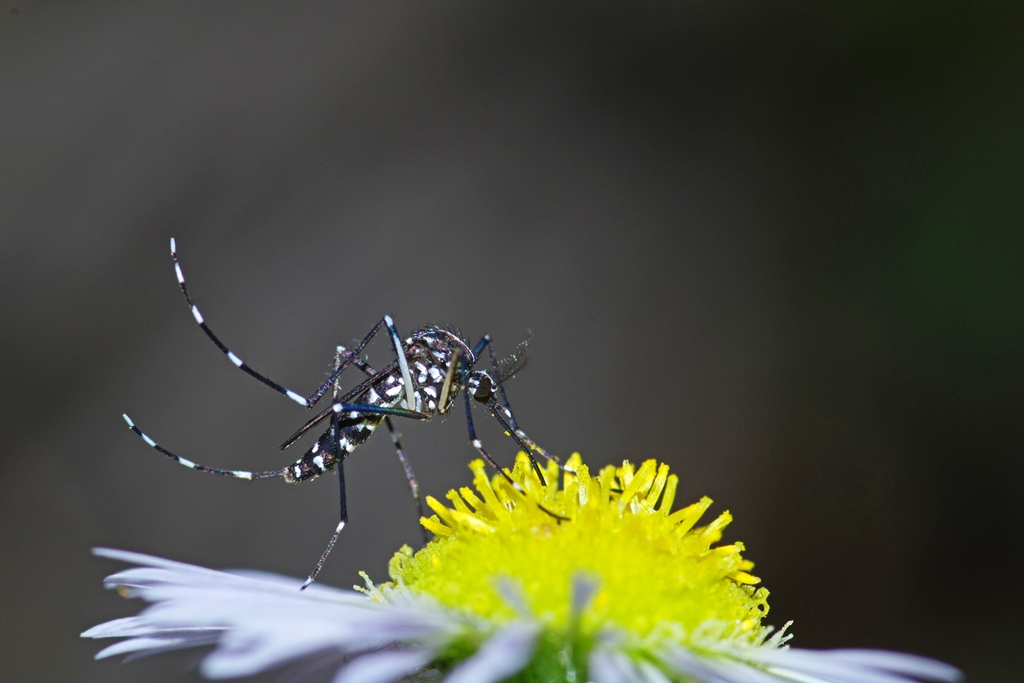
Photo caption: Sting of death
{credit}Preethi Krishnamoorthy{/credit}
Preethi captured this photo of a mosquito feeding on plant nectar, the mosquito’s main food (not blood, as popularly assumed), in June 2018 at Srirangapatna in Karnataka, India. She describes it thus:
Preethi Krishnamoorthy
Of the millions of animals known to mankind, no other animal has claimed as many lives as the ordinary mosquito. In India, the most common diseases transmitted by mosquitoes are malaria, dengue, lymphatic filariasis, kala-azar, Japanese encephalitis and chikungunya, dengue being the most rapidly spreading vector-borne disease in the world. While the existence of these viruses and parasites are beyond our control, their spread via mosquitoes is accentuated by man-made climate change.
With the increase in global temperatures, we are creating more mosquito-friendly habitats. Mosquitoes are now spreading to higher latitudes and altitudes and spreading diseases to places where they never existed before.
Congratulations Preethi for getting into our top ten!
And with that we come to the end of our long list for the 2018 contest! The contest got us some wonderful entries from around the world. We are delighted to have received a wide variety of entries despite the tougher than usual theme in ‘vector-borne diseases’, which called for more thought, creativity and originality.
Over the last ten days, we rolled out the top ten finalists of 5th edition of the Nature Indiaphoto contest 2018 in no particular order of merit. Watch this space as we announce the top three winners of the contest by the end of January 2019.
Nature India’s final decision to chose the winner will be partly influenced by the engagement and reception these pictures receive here at the Indigenus blog, on Twitter and on Facebook. To give all finalists a fair chance, we will consider the social media engagement each picture gets only during the first seven days of its announcement. Till then, promote, share and like your favourite entries with the hashtag #NatureIndphoto.
The winner of the contest will get a cash award of $350, the second prize is worth $250 and the third $200. Photographs will be judged for novelty, creativity, quality and printability by a panel of Nature Research editors and photographers alongside a leading Indian scientist working in the area of vector-borne diseases. The winner and two runners-up will receive a copy of the Nature India Annual Volume 2017 and a bag of goodies (including Collector’s first issues of Nature and Scientific American and some other keepsakes) from the Nature Research. One of the winning entries also stands a chance of being featured on the cover a forthcoming print publication.