Nature India moves to nature.com

Nature India is now on nature.com. It is a return to where it all began for this regional portal of Nature Portfolio serving the scientific community of the world’s largest democracy, and bringing India’s research to a global audience.

To mark the website’s relaunch, our designers created this image representing India’s thriving science and research ecosystem, its aspiration for a young and diverse workforce, and the country’s growing focus on innovation to solve social problems.

Nature India was launched on 1 February 2008 on nature.com. In 2014, it moved to natureasia.com to align more closely with the geographical region it operates from. Now, as Nature Portfolio continues to consolidate its various global services and platforms, we return to nature.com. The look and scope of Nature India will mirror other Nature Portfolio websites, while its coverage retains a unique local slant.

As it becomes more visible and searchable on nature.com, this new platform will broaden Nature India’s reach to bring new audiences. It will also be easier for users across the world to search India-focused content, and for jobs in the region, through our global search functions. In the longer term, with the launch of more regional portals, such as Nature India, we hope nature.com users will be able to seamlessly access local content on a single platform.

Besides its award-winning content, Nature India will continue to publish news and features collections online, and in print, host outreach events, and help shape the future of Indian science and health journalism through its mentorship activities. Our blog Indigenus will continue to be hosted on this legacy blogs.nature.com platform. Readers can access the complete Nature India archives at www.natureasia.com/en/nindia/.

As always, we look forward to our readers’ feedback.
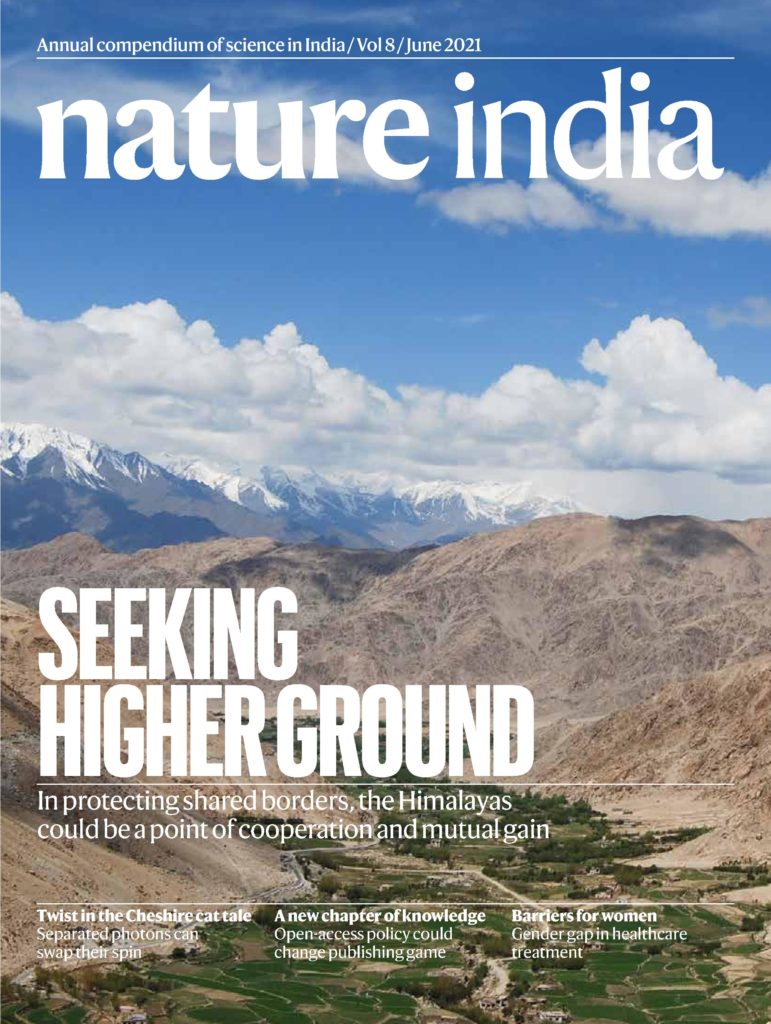
Nature India Annual Volume 2020 is out


Cover image: S. Priyadarshini/ Design: Bharat Bhushan Upadhyay

2020 was defined by the global pandemic. Throughout the long, difficult year, disease and death came in tragic waves, testing the limits of healthcare systems, especially in countries with limited resources. In India, one of the worst affected countries, significant outbreaks continue in 2021.

A positive outcome, however, has been the triumph of science. In record time, scientists rushed to sequence the genome of the virus and its variants, created affordable diagnostic and treatment solutions, and produced multiple vaccine and drug candidates to control the pandemic. We have been covering the pandemic in India and the subcontinent in depth through the lens of science. Besides our regular journalistic coverage, we produced two special issues on the COVID-19 crisis in India – one on how the pandemic was affecting life in a country of 1.3 billion people, and the other on affordable engineering solutions being developed in haste by India’s scientists to confront the virus. In our quest for disseminating trusted information during a global public health emergency, the pages of Nature India were prominently filled with information on SARS-CoV-2 and COVID-19.

Meanwhile, despite challenges thrown up by a series of lockdowns and funding issues, science in other disciplines unrelated to the pandemic has continued to flourish. One criticism of scholarly science publishers and science magazines has been that their overwhelming engagement with the pandemic (public health, medicine, virology and epidemiology) has squeezed out other disciplines of science during 2020. In this annual volume, therefore, we are spotlighting Nature India’s coverage of all sciences, efforts around which quietly continued through 2020.

The biodiverse Himalayan region, straddling the borders of many countries in Asia, including India and China, offers immense potential for collaborative scientific research. However, the inhospitable terrain and geopolitical strife in the region, have created obstacles to a joined-up research climate. Our cover story tells of the growing call by researchers in the two countries to go beyond political differences and make the Himalayan region a hub for scientific collaborations. Migratory birds from across the region coming into India and the need for heronries to protect them are also highlighted in this issue.

The country is weighing the challenges and opportunities of an ambitious ‘one nation one subscription’ policy that aims to make scholarly knowledge freely accessible to everyone in the country. We analyse the merits of this proposed plan.

The pandemic is never far from the immediate consciousness of any of the world’s people, and our annual photo competition on the theme brought inspired images of this era, where masks, sanitation, immunisation, and innovative solutions to health needs are paramount, and the focus of our daily lives

The issue is free to download here. We will soon make all our previous annual volumes free to access.

You will find more on our archival annual issues here: 2019201820172016, 20152014 and 2007-2013.

We hope you enjoy reading the latest volume.

Publishing metrics and agricultural science

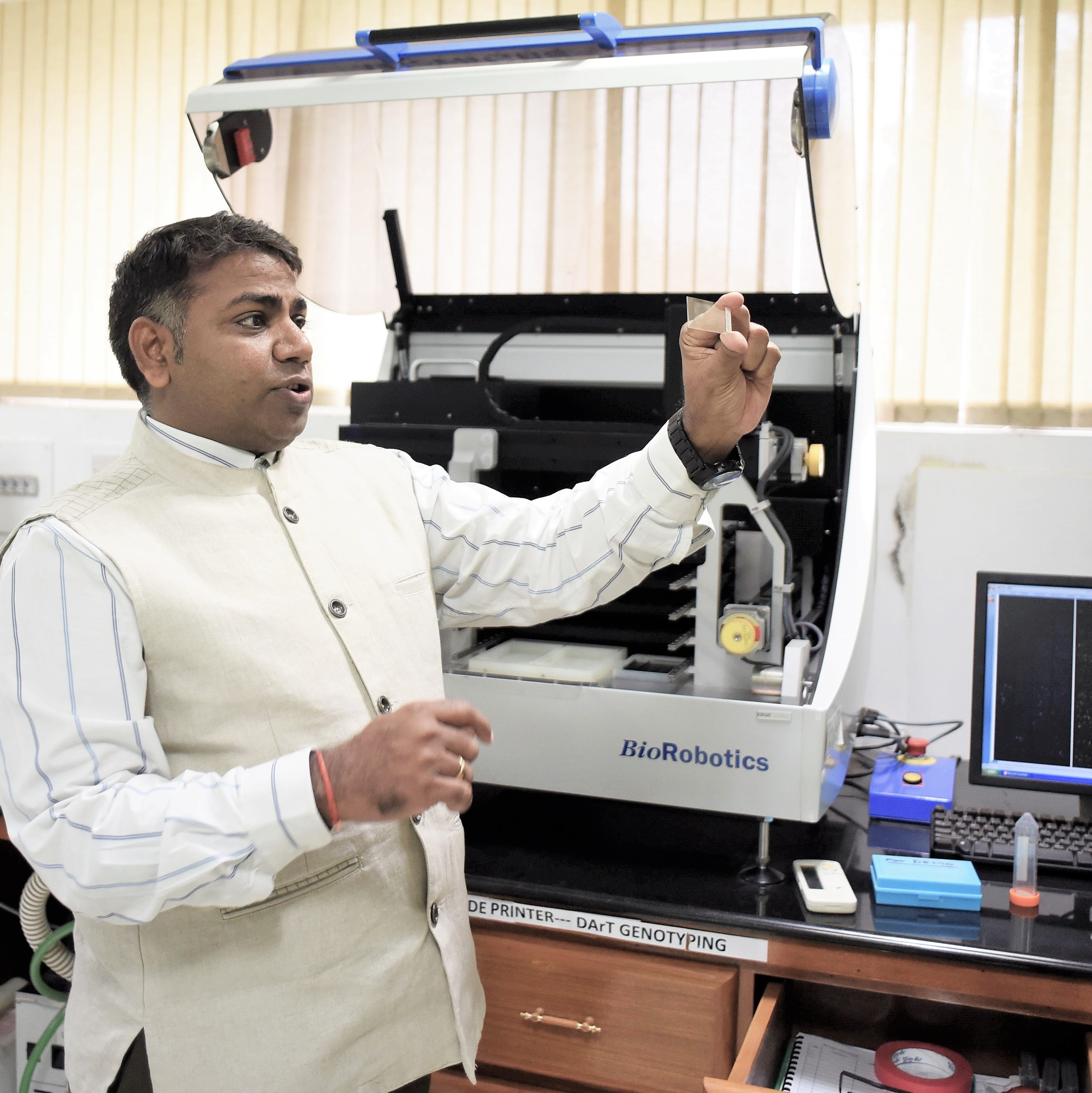
Having achieved an H-index of 100, Rajeev Varshney* explains what the metric means in scientific publishing and why it is a milestone, especially in an agricultural scientist’s life.

H-index is an author-level metric that measures both productivity and citation impact of an author’s publications across the global scientific community. It is calculated by counting the number of publications in which an author has been cited by other authors. H-index 100 means each of the latest 100 of the author’s papers have been cited at least 100 times.

Opinions vary on these metrics and the number of citations is not the only way to measure scientific impact. But it certainly is one of the many metrics that recognise scientists’ publishing lives, and in turn, their science. Research publications are a great way to share the latest advancements in science with the global community. They also help reduce redundancy or duplication in research while directly or indirectly saving the valuable time and effort of the scientific community as also taxpayers’ money.

Generally speaking, medical science generates more research innovations that are used by different biological disciplines, including agricultural sciences. As a result, citations in medical science research are higher than agricultural science publications. When agricultural science publications have high citations, it does indicate that the research is making an impact in advancing science. The milestone of 100 h-index is a recognition of the high-quality science at ICRISAT with colleagues and partners from across the globe.

The metric that matters even more

The real battle that agricultural science should wage is against hunger, food insecurity and malnutrition. Scientists in the same discipline anywhere can learn from the latest research and take it forward to address issues of smallholder farmers while advancing the cause of scientific research for global good.

As scientists, we believe in every study we conduct irrespective of the results we get. Some of the research we conducted with a large number of global partners has an edge over the others because of massive learnings from the multidisciplinary scientists involved. For example, our genome sequencing work of 429 chickpea lines was a collaboration of 39 scientists from 21 research institutes across 45 countries. It tapped next-generation sequencing (NGS) technology to better understand the genetic architecture, centre of origin, migration route as well as genetic loci for agronomic traits in chickpea. This study1 with several brilliant minds from across the world offered much learning for me.

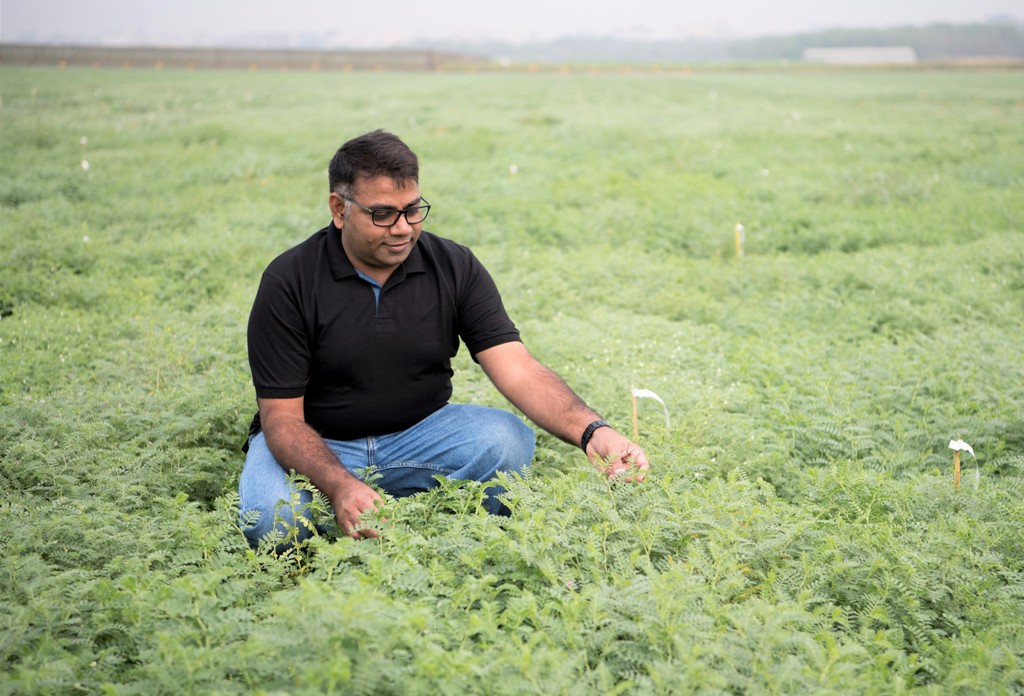
Chickpea crop improvement has been a key area of Varshney’s research.

There is a great sense of satisfaction when the upstream research we conduct delivers results in farmers’ fields in addition to advancing the cause of science for global good. As a genomics scientist, I provide research outputs for breeding programmes that develop improved crops.

ICRISAT’s collaborative work on genomics-assisted breeding helped develop and release the first set of products in 2019. There were three high yielding, wilt resistant varieties of chickpea2, 3 and two high-oleic varieties of groundnut4. The Ethiopian Institute of Agricultural Research also released a high-yielding chickpea variety5. The groundnut varieties were among the 17 biofortified crops dedicated to India on World Food Day 2020.

My efforts in genomics-assisted breeding will continue with an aim to accelerate the replacement of older crop varieties to help smallholding farmers improve their income and ensure better nutrition and health for the society.

(*Rajeev Varshney is Research Program Director, Genetic Gains and Director, Center of Excellence in Genomics & Systems Biology at the International Crops Research Institute for the Semi-Arid Tropics (ICRISAT), Hyderabad, India.)

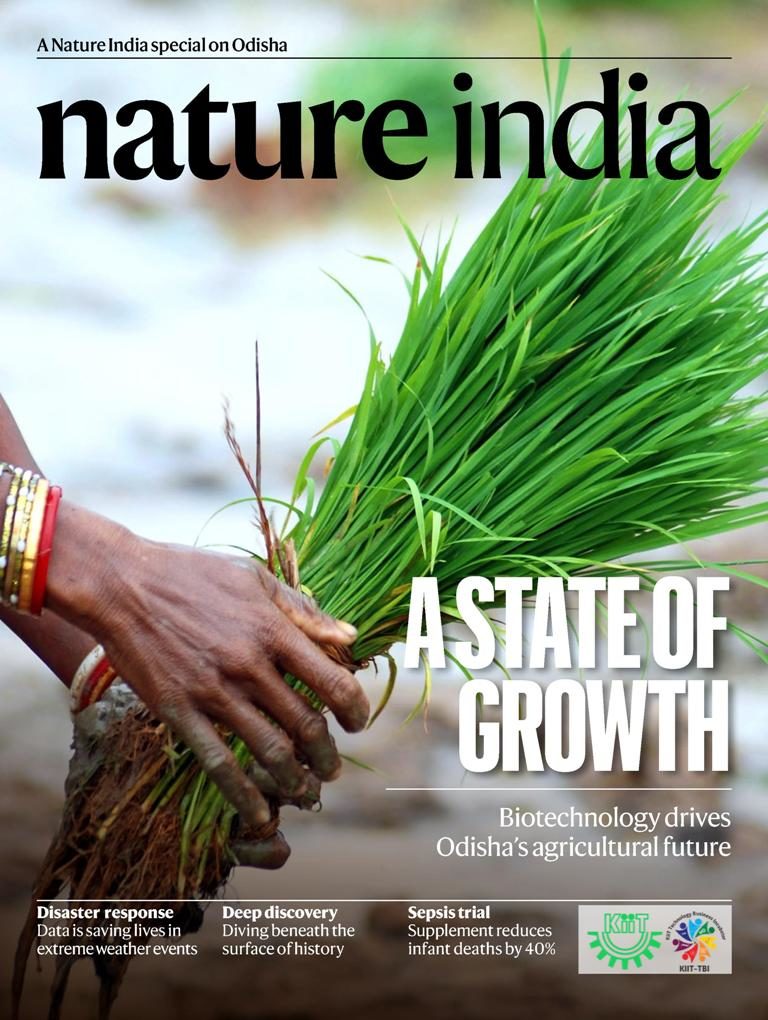
Nature India spotlights Odisha

A state known for its heritage, culture and disaster management, and as an emerging hub of scholarship and research, Odisha is making its mark. This special issue captures the aspirations of and challenges for the eastern Indian state in becoming the next national science hub.

Odisha is home to a number of large national institutes and laboratories – the Indian Institute of Technology, the Institute of Life Sciences, the Institute of Minerals and Material Technology, the Regional Medical Research Centre, the National Institute of Science Education and Research, National Rice Research Institute, the Central Institute of Freshwater Aquaculture and the All India Institute of Medical Sciences. The state government-run Utkal University and the Orissa University of Agriculture and Technology in capital Bhubaneswar add to its scholarly might. Private education conglomerates such as the Kalinga Institute of Industrial Technology University and the L V Prasad Eye Institute are helping produce a sizeable scientific workforce.

The entrepreneurship and innovation scene is warming up with a number of technology business incubators setting up shop in the state. A biotechnology cluster is also on the cards. The Odisha special issue takes a close look at this growth of innovation and technology in the state’s science.

Odisha’s 460km coastline and a hot, humid agro-climate, have endowed it with rich fisheries and paddy cultivation resources. The state’s scientific legacy in both aquaculture and rice research have benefitted from these. We examine the results of years of rice and fish breeding that Odisha has gifted to the world. The state’s proximity to the Bay of Bengal and high summer temperatures have also brought severe cyclones, floods and heat waves. We investigate how Odisha is setting an example in using science and technology to cope with such extreme weather phenomena.

Odisha’s rich culture and history draws international attention. Its many temples, monuments, ancient palm leaf manuscripts, paintings, and excavations are keenly researched by archaeologists, leading to innovative conservation methods to preserve Odisha’s past.

We analyse the traditional and modern methods being deployed by scientists, and focus on another rich historical source – shipwrecks – revealing fascinating stories of historic naval wars off the coast of Odisha.

India’s science and technology is well entrenched in metro areas, with institute clusters like those in Bengaluru, Hyderabad, Mumbai, Pune, the national capital region of Delhi, and Kolkata. Smaller, second-tier cities like Bhubaneswar are gearing up to the cluster approach, and are poised to contribute to the research and innovation scene. The Odisha special issue is an attempt to shine a light on one such state. In the near future, Nature India’s regional spotlights will chronicle more such emerging hubs of science in the country.

The Nature India special issue on Odisha is free to download here.

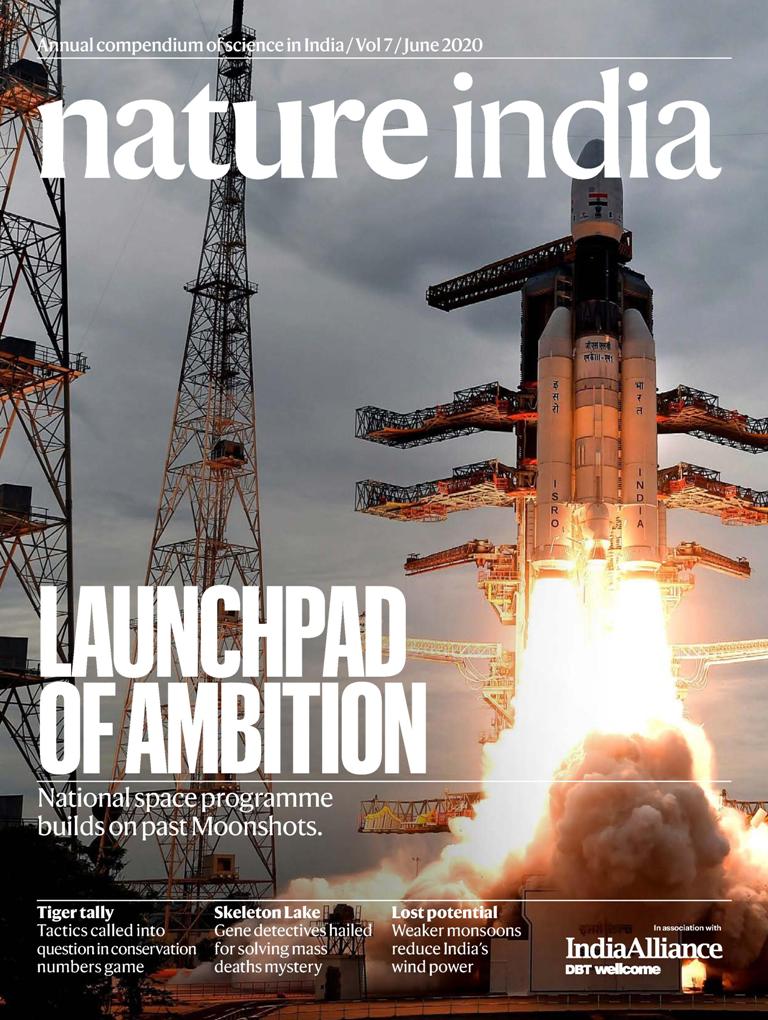
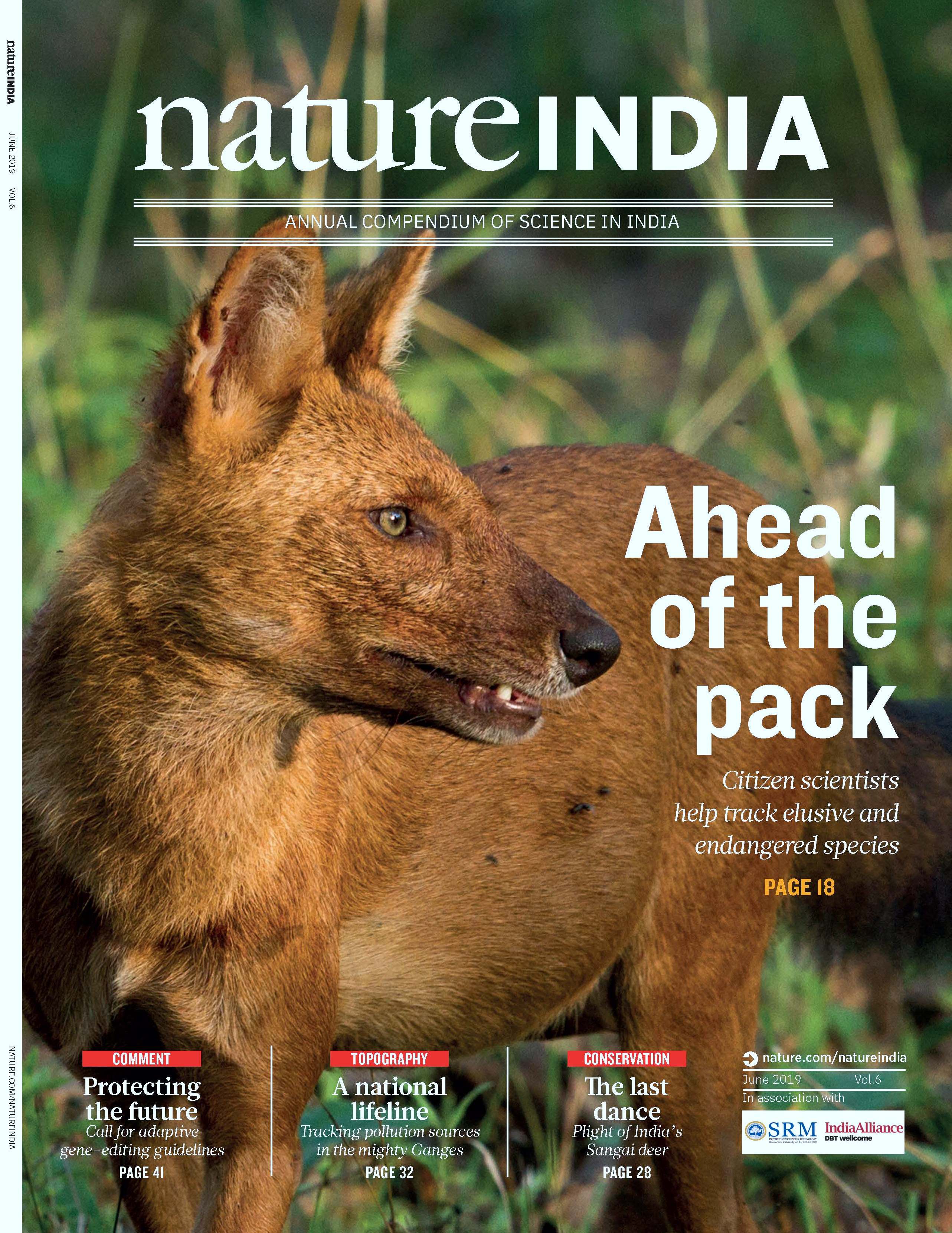
Nature India 2019 annual volume is out

Cover design: Marian Karam

Critics of India’s space programme have, in the past, demanded justification for sending rockets into space while the urgent issues of poverty, unemployment, illiteracy, and poor health cry for attention and funding. India has maintained that her space programme runs on less than a tenth of NASA’s budget, making it one of the most economical in the world and producing development-based benefits for the country’s environment, weather predictions, education, agriculture, and health.

Therefore, it was surprising when India’s ambitious, but unsuccessful, voyage to the far side of the Moon in 2019 did not publicly reignite that discussion. Instead, most of the 1.3 billion-strong nation stood in solidarity with the Indian Space Research Organisation (ISRO) when the Moon lander, Vikram, lost contact with the Earth station and later crash landed. A misty-eyed Prime Minister Narendra Modi consoled a tearful ISRO chief K Sivan. The country grieved, hoping and praying there would be a successful run to the Moon in the coming years.

We capture these tears, tribulations, nail-biting drama, and the science behind India’s shoe-string-budget space programme in this year’s cover story.

Talking of the science-economy relationship, we also analyse in one of our features the direct macro-deliverables from government research funding and look at the best ways in which a resource-poor country such as India can ensure tangible benefits from each rupee spent on scientific research.

Gender issues in science have always been important in India. In this issue, we reflect on why a better balance of men and women in leadership positions could lead to higher profitability in scientific enterprises; and also shine a light on India’s gender-skewed science awards. Two stories, about an anthropologist who made important revelations about indigenous Andamanese tribes, and a biologist working on pheromones of snow leopards and tigers, offer fascinating insights into the lives of pioneering women scientists and their science. We also speak to biologist Chandrima Shaha, the first woman elected president of the 84-year-old Indian National Science Academy (INSA) in January 2020, about her vision for mentoring more women in science.

In 2019, we used the term ‘Day Zero’ for the first time to denote the dystopic water emergency that the world is facing today. That’s the day when a city’s taps dry out and people have to stand in line to collect a daily quota of water. Climate change-triggered extreme heat, drying aquifers and extreme weather events have become the new normal for much of South Asia. We look at what this might mean for children, who will continue to endure the toll of climate change for a long time to come. On a more positive note, we explore how some undaunted farmer citizen scientists are finding new ways of adapting to climate-resilient crops.

The Nature India photo contest themed ‘food’ saw breath-taking entries from across the world that demonstrate the deep links between food, health, environment, nutrition, and happiness of communities. We present some of the top entries.

Nature India annual volumes select the best research highlights, news, features, commentaries and opinion pieces published through the year. Through this thoughtful selection, the editors at Nature Research bring to our readers a ready reference of the latest in India’s science.

We look forward to your feedback.

You will find more on our our archival annual issues here: 20182017, 2016, 20152014 and 2007-2013. To subscribe to the Nature India annual issues, please see here or write to natureindia at nature.com.

How coronavirus data from history is helping fight COVID-19

When a bunch of database experts peered through archival information on coronaviruses, they saw substantial data that could aid the world’s fight against the novel coronavirus pandemic.

Satyavati Kharde and Poulomi Thakurdesai describe how a Springer Nature Experiments team quickly turned this data into a valuable resource for life science and biomedical researchers working on COVID-19.

Many of us had heard the term ‘coronavirus’ for the first time at the office lunch table. Our team lunches are unusual, discussing topics that range from evolution, to bodily functions to Bollywood. The scientific experts in the team were trying to explain how the coronavirus works, its relation to respiration and the conspiracy theories associated with it.

When we read about the first outbreaks, our natural reaction was – not yet again!  Another epidemic! We thought it would not cross the China borders and so we continued planning our upcoming travels.

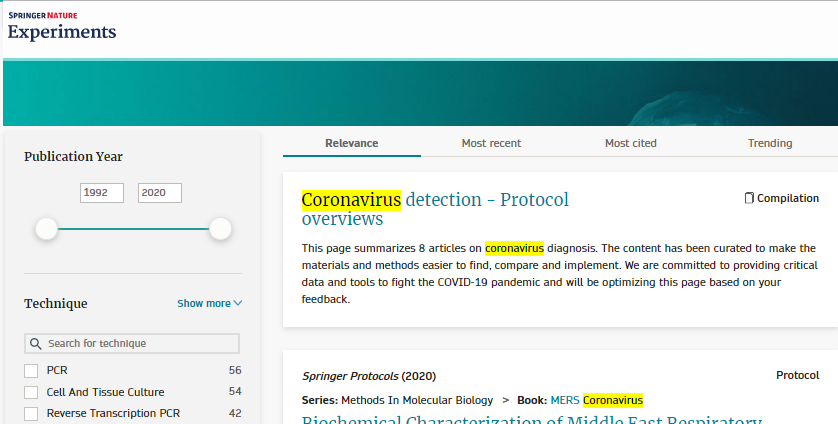
Out of curiosity, we checked the Springer Nature experiments database – the largest database for life science protocols and methods – to see what content we had around past coronaviruses. We were pleasantly surprised to find a huge number of experiments such as detection of the virus, drug design, drug delivery, vaccine design and biochemical characterisation of coronaviruses that caused earlier contagions – the Severe Acute Respiratory Syndrome (SARS) of 2002 and the Middle Eastern Respiratory Syndrome (MERS) of 2012.

Soon we realised that mankind was in the middle of a pandemic after centuries. In India, we entered the world’s largest ever lockdown in history, started working from home in this ‘new normal’ while continuing our virtual tea break conversations and getting a virology class where some of us non-scientists learnt for the first time that viruses are not exactly living beings!

At the same time, we began watching life science researchers and healthcare professionals, the traditional end users of our products, emerge as the heroes in the world’s fight against the novel coronavirus. These frontline COVID-19 researchers in India and across the globe were working tirelessly to develop new detection methods, new drugs and vaccines to prevent the spread of the pandemic. Lockdowns and a global emergency situation had added several challenges to the existing workflow for researchers in academia as well as in the industry.

Many of our friends were these scientists trying to look for solutions to halt the pandemic at various Indian and international institutes. In one of our casual discussions, some of these scientists talked about the tardy speed and the many challenges of research during the lockdown.

The inner scientist in some of our team members was itching to help ease out their problems. The question was, how? We started working on a workshop for life scientists (involving questions around the database, engineering, and user experience) to understand if there was anything we could do to decrease the challenges they were facing.

In no time, a large global team chimed in taking the challenge up on priority. In one frenzied week, we designed, tested, and pulled together a collection of more than 160 openly accessible protocols and methods on COVID-19 to help laboratory researchers in their work around the pandemic. The resource brought together content on the detection of coronavirus in various species, protocols on designing the vaccine, and understanding the biochemistry of viruses to design new drugs.

Working remotely – alongside sharing recipes and haircut tips – we create a digital interface to address the challenges around the scarcity of reagents and lack of information to develop detection tests for the novel coronavirus. In this interface, researchers can find detailed procedures on various detection techniques, such as RT-PCR, PCR, virus RNA purification, sequencing, and more. With the help of this information, researchers can compare the materials and methods before implementing them in the laboratory.

As we begin to feel a little fulfilled to have contributed our tiny bit in the global fight against COVID-19, this data explorers’ journey is far from over. We are constantly tweaking and scaling up this resource – for the researchers and by the researchers – as and when newer information emerges in the fast-evolving pandemic.

[Satyavati and Poulomi are part of the Springer Nature Experiments team in Pune, India.]

Nature India Essay Competition 2020 now open

{credit}SpiffyJ/Getty{/credit}

[This competition has now closed. We hope to announce the results in early April 2020 here at the Indigenus blog.]

Nature India in partnership with the Council of Scientific and Industrial Research (CSIR) is launching an essay competition to provide young and experienced scientists, researchers and authors in India, a platform to share ideas on how socially-impactful science can advance and strengthen the country.

The Nature India essay competition is now open for scientists, researchers, writers or authors aged 25 to 50. The essayists will have an opportunity to draft a compelling narrative with personal anecdotes, emotion and a science-backed story that may become potentially historic in helping shape the roadmap for India’s scientific future.

We invite thoughts on the societal impact of science in India in not more than 1000 words. We are looking for essays with an aspirational tone, emotions and story-telling without too much sentimentality.  The essays should be reasoned, well-researched, forward-looking and supported by existing science. They should ideally be informative and entertaining in equal measure. Adding a personal perspective to the narration is desirable. We are not looking for academic papers, an academic writing style or science fiction.

Submitted essays will be judged by a panel of editors, scientists and science communicators.

The deadline for completed essays is midnight, India time, on 9 March 2020. The winners will have their essays published in the Nature India annual volume as well as the Nature India blog Indigenus. The top three essays will win cash prizes (Rs 40,000, Rs 30, 000 and Rs 20,000 or equivalent), a three-year subscription to Nature, trophies and certificates. We will also feature the essayists and their ideas in a Nature India podcast.

Please send your submissions to natureindia@nature.com with the subject line “Nature India Essay Competition 2020”. Please include your name, affiliation and contact details in the email. We look forward to reading your imaginative and thought-provoking essays.

For inspiration, you may want to read these essays adjudged winner and runners-up (1, 2) of the Nature essay competition 2019.

[TERMS AND CONDITIONS

Please read these terms and conditions carefully. By entering into this Nature India Essay Competition (“Promotion”), you agree that you have read these terms and that you agree to them. Failure to comply with these terms and conditions may result in your disqualification from the Promotion.

  1. Information about how to enter and prize details form part of these Terms and Conditions. Entry into this Promotion is deemed to be an acceptance of these Terms and Conditions.
  2. This Promotion is run by Nature Research, a division of Springer Nature Limited, a company registered in England with registered number 00785998 and registered office at The Campus, 4 Crinan Street, London N1 9XW (“Promoter”).
  3. To enter this Promotion you must be: (a) resident of India; and (b) aged between 25 years old and 50 years old on or before 9th January 2020. This Promotion is void in Cuba, Iran, Myanmar, North Korea, Russia, Ukraine, Sudan, and Syria or where otherwise prohibited or restricted by law. Any government officials that enter the Promotion are responsible for ensuring that they may enter and/or receive a prize if they win and that the prize does not exceed the relevant limit for their role and jurisdiction. If a winner is not able to accept the prize then a charity donation can be made instead to a Springer Nature approved charity.
  4. This Promotion is not open to directors or employees (or members of their immediate families) of Promoter or any affiliate of Promoter. Promoter reserves the right to verify the eligibility of entrants.
  5. The Promotion is open for entries between 00:00 Indian Standard Time on 9th January 2020 and 00:00 on 9th March 2020 IST.
  6. No purchase is necessary to enter this prize Promotion and will not increase your chances of winning.
  7. You can enter this Promotion in the following way: write and submit an essay on the societal impact of science in India in a text file, along with your email address by submitting your text file to Nature India at the email address natureindia@nature.com. Entries should be in a text file (.doc, .docx), written in good and understandable English, with a word limit of 1000 words or less not including references.
  8. This Promotion is in no way sponsored, endorsed or administered by, or associated with Instagram, Twitter or Facebook. By participating you hereby release and hold harmless Instagram, Twitter and Facebook from any and all liability associated with this Promotion.
  9. Only one entry per eligible person. Multiple entries will be deemed to be invalid and may lead to disqualification.
  10. Promoter accepts no responsibility for any entries that are incomplete, illegible, corrupted or fail to reach Promoter by the closing date for any reason. Proof of posting or sending is not proof of receipt. Entries via agents or third parties are invalid. No other form of entry is permitted. Please keep a copy of your entry as we will be unable to return entries or provide copies.
  11. The prize for the Promotion consists of the following: (a) three cash prizes (of Rs 40,000, Rs 30,000, Rs 20,000 respectively); (b) 3 year’s personal subscription to Nature; and (c) publication in Nature India’s annual volume and Indigenus blog. The cash prize can only be paid into the bank account of the winner.
  12. The editors reserve full editorial discretion in choosing winner(s), and may decide to award none of the entries. All essays submitted by entrants to the Promotion shall be subject to the Publisher’s editorial acceptance processes. Publication of any essay is at the sole and absolute discretion of the Publisher, and any failure by the Publisher to publish, or non-publication, of such essays, for any reason whatsoever, shall not be a breach by it of this Terms and Conditions.
  13. The prizes shall be awarded as follows: essays will be judged by a panel of Nature editorial staff and by an external judging panel. Judges will consider the editorial impact and general quality of the essay, as well as its adherence to existing science and reason. Full names of the judging panel will be available on request. Any decision will be final and binding and no further communication will be entered into in relation to it.
  14. Ownership of entries: for consideration into this competition, you must be willing to sign a license to publish form granting a license of the intellectual property rights in your essay to the Promoter. Such license will be supplied by the Promoter to selected entries and will include the right to use the entry in promotional or marketing material in print and online. You confirm that your entry is your own original work, is not defamatory and does not infringe any laws, including privacy laws, whether of the UK or elsewhere, or any rights of any third party, that no other person was involved in the creation of your entry, that you have the right to give Promoter and its respective licensees permission to use it for the purposes specified herein, it is lawful for you to enter and that you agree not to transfer files which contain viruses or any other harmful programs.  Please note that it is the responsibility of the entrants/author(s) to obtain permission from the copyright holder to reproduce third party intellectual property (including without limitation figures or tables that have previously been published elsewhere).
  15. The winner(s) of the Promotion shall be notified as follows: informed by email. If the winner enters the Promotion via social media, the Promoter will use reasonable endeavours to contact the winner, but reserves the right to reject any such entry the winner cannot be contacted.
  16. The winner(s) will be required to confirm acceptance of the prize within five working days and may be required to complete and return an eligibility form stating their age and residency details, among other details. Promoter will endeavour to ensure that winner(s) receive their prizes within 30 days of the date they confirm acceptance of the prize and have fulfilled any post-promotion requirements. If a winner does not accept the prize within five working days of being notified, they will forfeit their prize and Promoter reserves the right to choose another winner(s). Promoter’s decision is final and Promoter reserves the right not to correspond on any matter.
  17. The name, region of residence and likeness of the winners may be used by Promoter for reasonable post-event publicity in any form including on Promoters website and social media pages at no cost.
  18. You can find out who has won a prize by sending an e-mail to natureindia@nature.com or checking nature.com/natureindia. Winners will be announced on Nature India’s blog Indigenus.
  19. Promoter reserves the right to cancel or amend these Terms and Conditions or change the Prize (to one of equal or greater value) as required by the circumstances. No cash equivalent to the Prize is available.
  20. All personal data submitted by entrants is subject to and will be treated in a manner consistent with Promoter’s Privacy Policy accessible at https://www.nature.com/info/privacy.html. By participating in this Promotion, entrants hereby agree that Promoter may collect and use their personal information and acknowledge that they have read and accepted the Promoter Privacy Policy.
  21. Promoter may at its sole discretion disqualify any entrant found to be tampering or interfering with the entry process or operation of the website, or to be acting in any manner deemed to be disruptive of or prejudicial to the operation or administration of the Promotion. Entries not submitted in accordance with these Terms and Conditions or entries that are incomplete or illegible (as determined in our sole discretion) will not be eligible.
  22. Other than for death or personal injury arising from negligence of the Promoter, so far as is permitted by law, the Promoter hereby excludes all liability for any loss, damage, cost and expense, whether direct or indirect, howsoever caused in connection with the Promotion or any aspect of the Prize. All activities are undertaken at the entrants own risk. Your legal rights as a consumer are not affected.
  23. The Promotion may be sponsored by a third party engaged by the Promoter.
  24. These terms and conditions shall be governed by and construed in accordance with Indian law. Disputes arising in connection with this Agreement shall be subject to the non-exclusive jurisdiction of the Indian courts.]

Nature India 2018 annual volume is out

The Nature India annual volume 2018 is out now.

The past couple of years have seen some interesting trends in India’s science. There has been a surge in the number of innovation-driven start-ups, and in the use of artificial intelligence in fields as diverse as health and aerospace. What has been most noteworthy, however, is the social aspect of science. More than ever before, the scientific community is standing up against pseudoscience, be it by contesting an unsubstantiated remark by a politician, calling out scientific misconduct, or helping weed out fake and predatory journals published from India.

Another positive social drift slowly gaining ground is the citizen science movement. In this annual issue, we focus attention on the tangible results of some crowd-sourced projects. For a country with more than 1.3 billion people, citizen science may turn out to be an effective tool to connect science with people, appraising them of the rigours of gathering and verifying evidence, and in turn, building a scientific mindset. Used intelligently, citizen science could help find answers to some pressing sustainable development challenges faced by India and much of south Asia.

The other big story that we looked at in 2018 was how Indian scientists have quickly embraced the use of CRISPR Cas-9, the gene splicing tool that became the reason for celebrations and controversies around the world. We report on some key Indian scientific missions that are editing genes related to diseases, especially blood anomalies, unique to the developing world.

On the other side of the disease spectrum, some new red flags were waved in the form of the first report of artemisinin-resistant malaria in India and the ‘good’ microbe bifidobacteria harbouring genes that make it resistant to anti-TB drugs.
Our 2018 photo contest took a comprehensive look at vector-borne diseases. The winning pictures that present a stinging story are featured in the photo section.

Climate is a burning issue for south Asia, quite literally. We analyze how the urban poor will suffer the most in an imminent climate crisis facing most big cities of south Asia. In a series of investigations, we reported how rice farming is impacting the climate more than ever before, why cloning hybrid seeds could benefit rice farmers, how increased dependence on nitrogen fertilizers has made India a nitrogen emission hotspot, and why crop stubble burning is national menace.

A lot has been happening around India’s holy river Ganga (also known as Ganges). Scientists are putting together a 3D map of the mighty river clogged with waste, and its fertile basin, where groundwater is depleting at an alarming rate. Part of our coverage is dedicated to the scientific solutions to these huge challenges faced by India’s largest river.

Nature India annual volumes curate research highlights, news, features, commentaries and opinion pieces published through the year. They are a thoughtful selection designed to give our readers an accessible reference to the latest in India’s science.

As always, we welcome your feedback.

You will find more on our our archival annual issues here: 201720152014 and 2007-2013.  And some more about the content and subscription of these issues here.

Announcing winners of NI Photo Contest 2018

The winners of the fifth edition of Nature India photo contest have now been chosen after a week of unprecedented activity on the Indigenus blog and our social media channels (Facebook and Twitter ), and brainstorming by a global jury comprising members of the Nature Research editorial and design teams as well as an independent vector-borne diseases scientist.

The photographs have been judged for their adherence to this year’s theme ‘Vector-borne diseases’, for their creative thinking, quality and print worthiness. They were also rated in part on the engagement they received on social media.

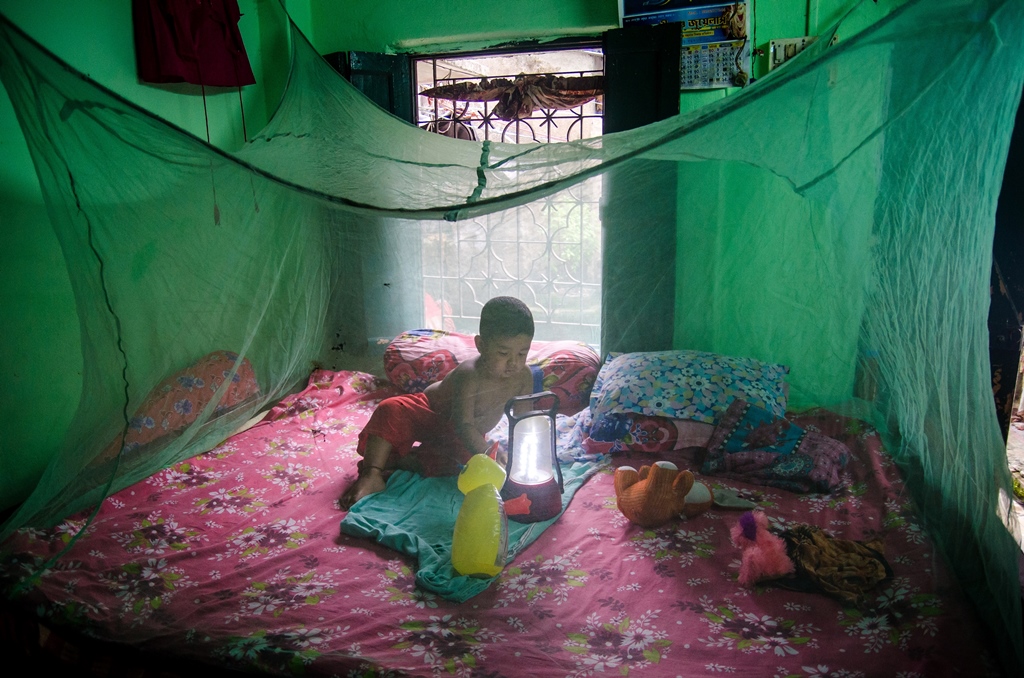
The winner of the Nature India photo contest 2018 is:

Sudip Maitifrom Kolkata, India

for his striking image titled ‘Safe from dengue’, a simple yet powerful message around prevention of vector-borne diseases.

{credit}Sudip Maiti{/credit}

Sudip says this about his image:

{credit}Sudip Maiti{/credit}

This two-year-old boy plays safely inside a mosquito net in Kolkata,West Bengal, India. Over 13,000 people were affected by the vector-borne disease in the State of west Bengal alone in the year 2017, while the official death count reached 30.

As a simple preventive measure, the use of mosquito net is widespread among the residents of this eastern metropolis.

In second position is:

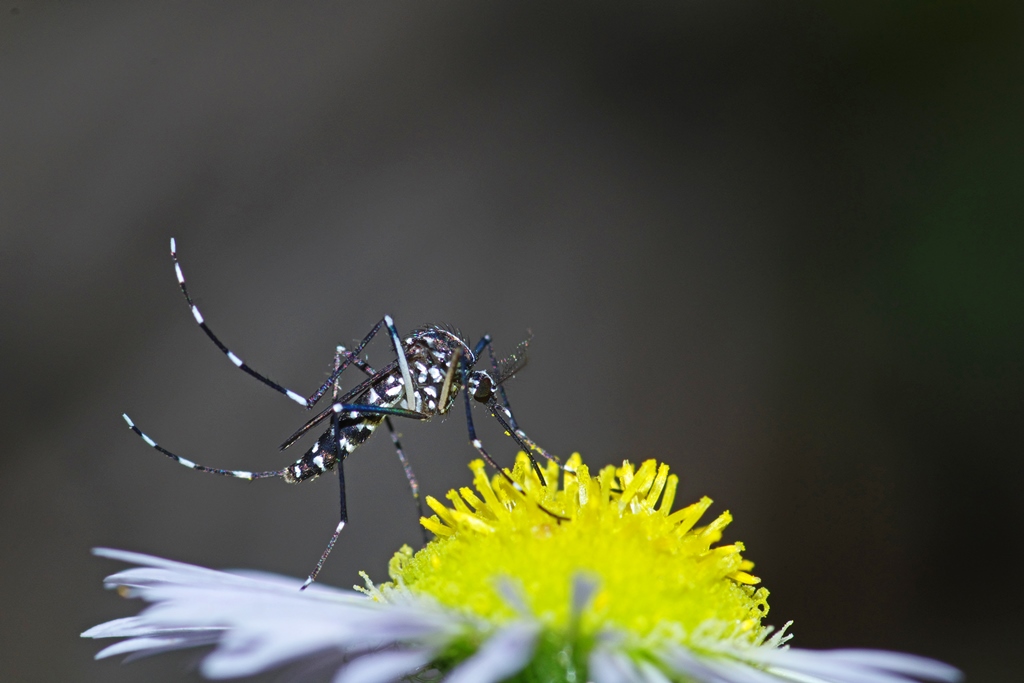
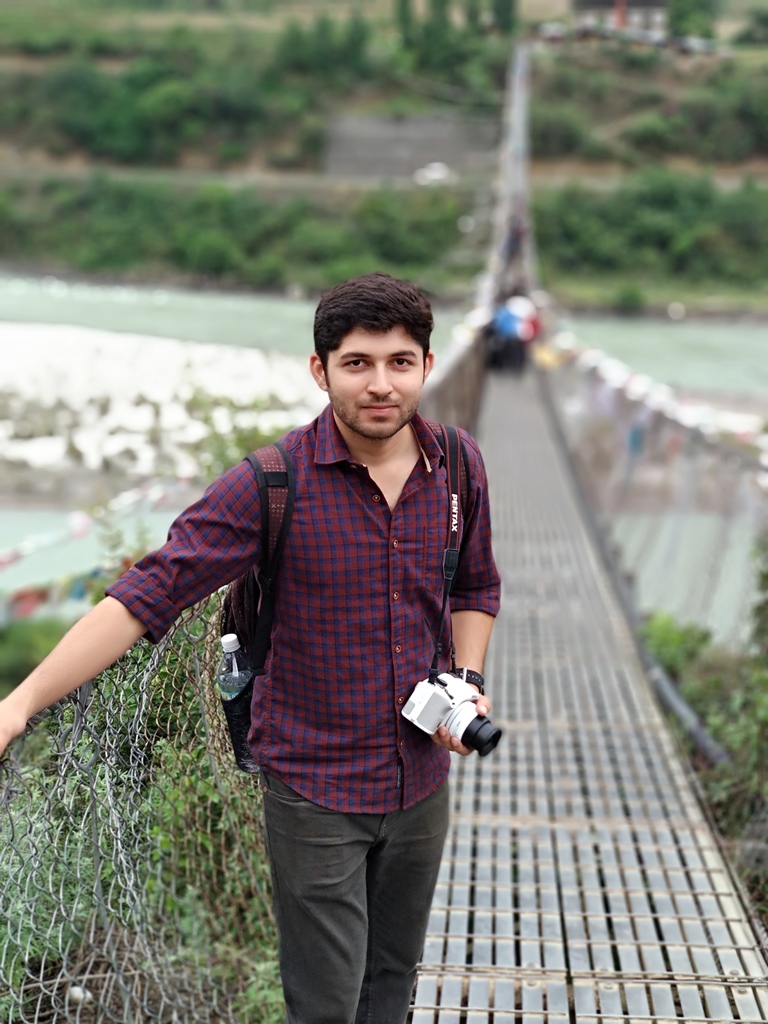
Aditya Kanwal from the Indian Institute of Science Education and Research, Mohali, Punjab, India

with his picture titled ‘The pretty side of mosquitoes‘ that beautifully brings out a not so known facet of the deadly vector. 

{credit}Aditya Kanwal{/credit}

Aditya says:

Aditya Kanwal

Mosquitoes are one of the deadliest animals on Earth. They kill more humans than any other organism does. However, of around 3500 mosquito species, only a few are disease carriers. And only the females bite humans. Most mosquitoes don’t bother humans, and actually play a very important role in our ecosystem. Mosquito adults as well as larvae are important source of food for birds, amphibians and fishes. This means, eradicating them completely may drastically impact the food chain. Mosquitoes are also essential pollinators for many plant species and provide nutrition to some of them such as the pitcher plants.

Therefore, complete removal of mosquitoes may also have detrimental effects on several plant species. Some people argue that it won’t be long before other species occupy the niche. But it takes millions of years for organisms to co-evolve. So in case mosquitoes go extinct, it may take some more sacrifices and a long time for the ecosystem to stabilise.

What the world needs is smarter, targeted strategies to control only the disease-causing species of mosquitoes. Initial trials with genetically modified male mosquitoes, that are unable to carry a vector or produce lethal offspring when they mate, are showing promise. With all the funding that’s going into mosquito research, we may soon have a sane solution to tackle our biggest enemy with minimum collateral damage.

The third prize goes to:

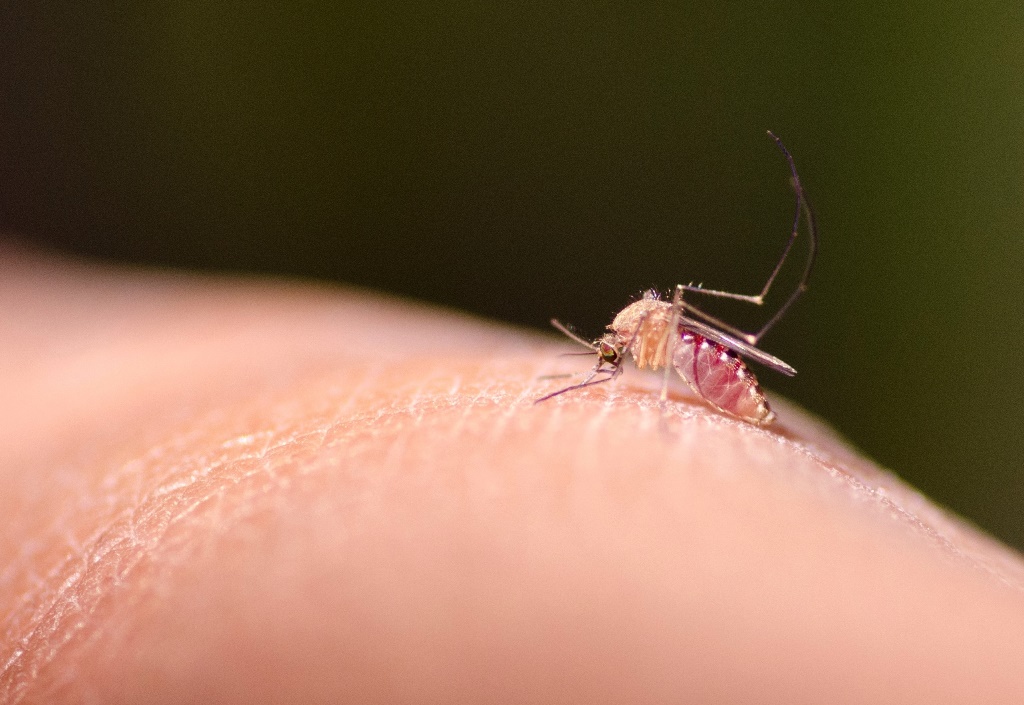
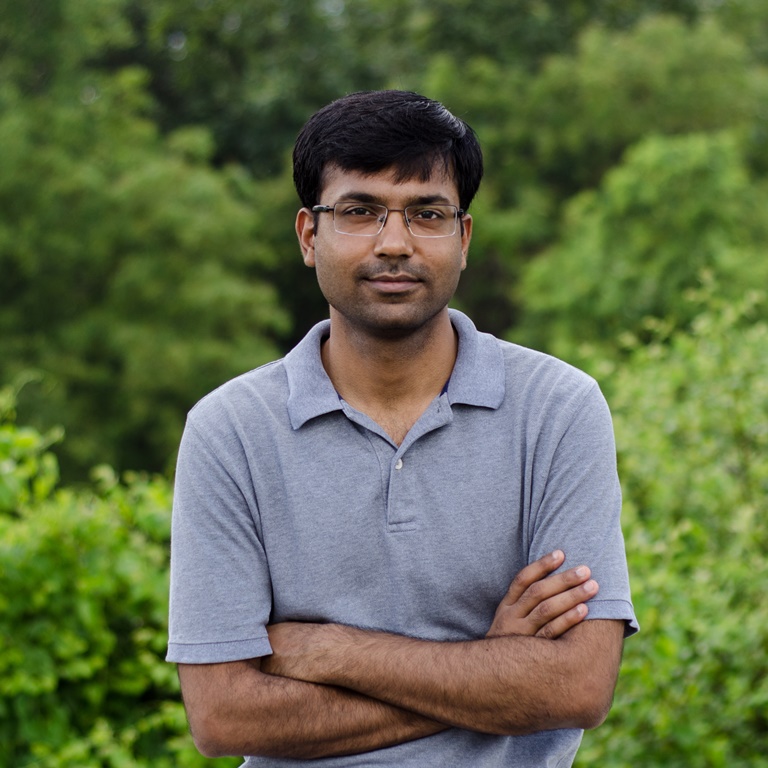
Nitin Gupta, Indian Institute of Technology Kanpur, Uttar Pradesh, India

for his image ‘Mosquito: an accidental killer‘ where he bravely clicked a mosquito feasting on a blood meal on his hand.

{credit}Nitin Gupta{/credit}

Nitin says:

Female mosquitoes bite us because they need blood to nourish their eggs. The bite itself is not harmful: the tiny belly of a mosquito, seen in the photograph, can take no more than a few microliters of blood at a time, while the human body produces 10 times more every minute. What makes the bite dangerous occasionally is what the mosquito leaves behind, which could be a deadly parasite.

The photograph shows a female Culex mosquito gorging on my left hand, which I captured using a camera held in the right hand.

Congratulations to the winners!

The jury also wants to make special mention of the entries by finalists Preethi Krishnamoorthy, Kairamkonda Subhash and K. S. Praveen Kumar, all of whom gave tough competition to the winners.

The winner of the Nature India photo contest 2018 will get a cash award of $350, the second prize is worth $250 and the third $200. The winner and two runners-up will receive a copy of the Nature India Annual Volume 2017 and a bag of goodies (including Collector’s first issues of Nature and Scientific American and some other keepsakes) from the Nature Research. One of the winning entries also stands a chance of being featured on the cover a forthcoming print publication.

These winning photos and those of 7 other finalists will be featured in a roving exhibition at four venues in India, details of which we will announce as we firm up these events.

NI Photo Contest 2018: Finalist #9

Two more to go in the long list. Announcing the Nature India photo contest 2018 finalist number nine:

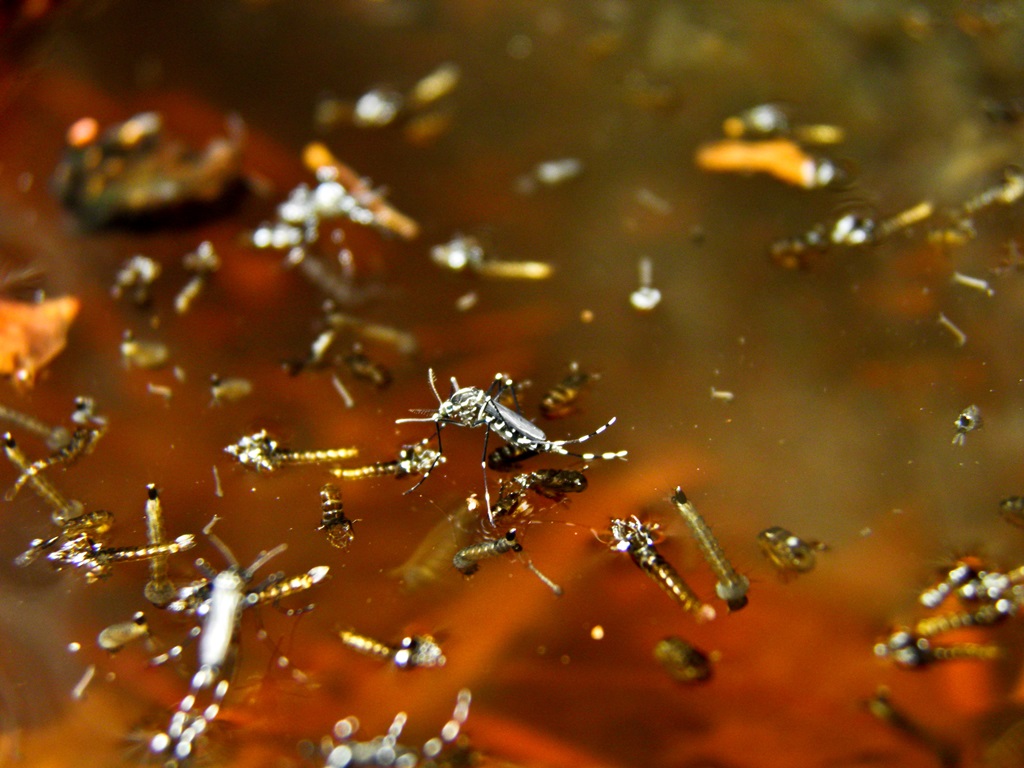
Kairamkonda Subhash, Research Associate, Texas Tech University Health Science Center, Lubbock, Texas, USA

Photo caption: A breeding haven

{credit}Kairamkonda Subhash{/credit}

Subhash explains his photo thus:

Kairamkonda Subhash

At first look this picture looks too cluttered. But that is how these water-logged mosquito breeding places are! You can see both mosquitoes and their larvae in the image.

This water puddle was formed by accumulation of rain water in the buttress root network of a Gulmohar (Delonix regia) tree. The red colour, characteristic of the trees bright flowers and interestingly symbolising blood on which the mosquitoes feed, was created by drowned petals.

Regulating mosquito population is key to reducing the vector-borne diseases. The first step in this process would be to eliminate mosquito breeding havens like these.

Welcome to the top ten, Subhash!

The 5th edition of the Nature India photo contest is now rolling out its long list of top ten in no particular order of merit. The contest themed “vector-borne diseases” was announced in November 2018 and has received some fabulous entries from around the world.

Nature India’s final decision to chose the winner will be partly influenced by the engagement and reception these pictures receive here at the Indigenus blog, on Twitter and on Facebook. To give all finalists a fair chance, we will consider the social media engagement each picture gets only during the first seven days of its announcement. The final results will be announced sometime in late January 2019.

The winner of the contest will get a cash award of $350, the second prize is worth $250 and the third $200. Photographs will be judged for novelty, creativity, quality and printability by a panel of Nature Research editors and photographers alongside a leading Indian scientist working in the area of vector-borne diseases. The winner and two runners-up will receive a copy of the Nature India Annual Volume 2017 and a bag of goodies (including Collector’s first issues of Nature and Scientific American and some other keepsakes) from the Nature Research. One of the winning entries also stands a chance of being featured on the cover a forthcoming print publication.

So watch out for our other finalists and feel free to promote, share and like your favourite entries with the hashtag #NatureIndphoto.