NI Photo Contest 2018: Finalist #8

Rolling out finalist number eight in the Nature India Photo Contest 2018:

Rodrigo Nunes, Photographer, Brasília, Brazil

Photo caption: Fight against dengue

Rodrigo took this picture in January 2016 during a government awareness initiative in Brazlândia, an administrative region in the Federal District in Brazil. Rodrigo explains his picture thus:

Rodrigo Nunes

This photo was taken during an awareness campaign against Aedes Aegypti mosquito, which transmits dengue fever. The picture shows a health agent holding a test tube with the larva of Aedes Aegypti. The larva was found in the house of a resident in Brazlândia city. 

Brazil has reported cases of dengue in Acre, Mato Grosso, Minas Gerais, and São Paulo. Peak transmission is reported during the rainy season from January to May. During 2015-16, the country also suffered a Zika virus epidemic spread mainly by the same mosquito Aedes Aegypti. The epidemic was contained through massive multi-agency action in November 2016 but continues to feature high on the national public health priorities of the country.

Congratulations on getting into top ten, Rodrigo!

The 5th edition of the Nature India photo contest is now rolling out its long list of top ten in no particular order of merit. The contest themed “vector-borne diseases” was announced in November 2018 and has received some fabulous entries from around the world.

Nature India’s final decision to chose the winner will be partly influenced by the engagement and reception these pictures receive here at the Indigenus blog, on Twitter and on Facebook. To give all finalists a fair chance, we will consider the social media engagement each picture gets only during the first seven days of its announcement. The final results will be announced sometime in late January 2019.

The winner of the contest will get a cash award of $350, the second prize is worth $250 and the third $200. Photographs will be judged for novelty, creativity, quality and printability by a panel of Nature Research editors and photographers alongside a leading Indian scientist working in the area of vector-borne diseases. The winner and two runners-up will receive a copy of the Nature India Annual Volume 2017 and a bag of goodies (including Collector’s first issues of Nature and Scientific American and some other keepsakes) from the Nature Research. One of the winning entries also stands a chance of being featured on the cover a forthcoming print publication.

So watch out for our other finalists and feel free to promote, share and like your favourite entries with the hashtag #NatureIndphoto.

NI Photo Contest 2018: Finalist #7

Time now to announce the Nature India photo contest 2018 finalist number seven:

K. S. Praveen Kumar, Senior Photographer, Deshabhimani Daily, Kozhikkode, Kerala, India.

Photo Caption: Death in the times of Nipah

{credit}K. S. Praveen Kumar{/credit}

During the first ever outbreak of the bat-borne Nipah virus in south India in May-June 2018, Praveen was on assignment from his newspaper to capture the tragedy that struck the Kozhikode district of Kerala. Praveen says: 

K. S. Praveen Kumar

This is the picture of a burial team in protective gear. As bodies of Nipah victims can be extremely infectious, the physical remains of one such victim are being taken for “safe burial” under the Ebola protocol at the Kozhikode Kannamparambu cemetery in Kerala.

When the whole of the district kept indoors, fearing the deadly Nipah virus and international tourists skipped flights to Kerala, my intention was to bring this deadly disease to light. The Nipah virus outbreak killed 17 people in the two affected districts of Kozhikode and Malappuram.

This emerging infectious disease spreads through secretions of infected bats. It can spread to humans through contaminated fruit, infected animals or through close contact with infected humans.

This picture of burial workers clad in protective gear that resemble spacesuits captures the grimness and horror associated with this deadly disease. Paradoxically though, despite the fear, grief and despair, relatives’ pleas for a traditional burial brought to fore the need for better awareness for such emerging infectious diseases.

Wonderful capture Praveen, and welcome to our top 10!

The 5th edition of the Nature India photo contest is now rolling out its long list of top ten in no particular order of merit. The contest themed “vector-borne diseases” was announced in November 2018 and has received some fabulous entries from around the world.

Nature India’s final decision to chose the winner will be partly influenced by the engagement and reception these pictures receive here at the Indigenus blog, on Twitter and on Facebook. To give all finalists a fair chance, we will consider the social media engagement each picture gets only during the first seven days of its announcement. The final results will be announced sometime in late January 2019.

The winner of the contest will get a cash award of $350, the second prize is worth $250 and the third $200. Photographs will be judged for novelty, creativity, quality and printability by a panel of Nature Research editors and photographers alongside a leading Indian scientist working in the area of vector-borne diseases. The winner and two runners-up will receive a copy of the Nature India Annual Volume 2017 and a bag of goodies (including Collector’s first issues of Nature and Scientific American and some other keepsakes) from the Nature Research. One of the winning entries also stands a chance of being featured on the cover a forthcoming print publication.

So watch out for our other finalists and feel free to promote, share and like your favourite entries with the hashtag #NatureIndphoto.

NI Photo Contest 2018: Finalist #6

Time now to announce the Nature India photo contest 2018 finalist number six:

Devinder Toor, Assistant Professor, Amity Institute of Virology and Immunology, Amity University, Uttar Pradesh, India

Photo Caption: Exposed

{credit}Devinder Toor{/credit}

Devinder Toor took this image of a sick man in need of immediate medical attention to highlight the neglect that many patients affected with vector-borne diseases face. He explains this image he shot in the summer of 2016, thus: 

Devinder Toor

Poverty, lack of hygiene, high temperature and humidity force a large number of people in India to sleep in open, unhygienic and dangerous places, exposing them to vector-borne diseases. Also, apathy of civic agencies in maintaining cleanliness further aggravates the spread of these diseases.

I clicked this picture while roaming around in India’s eastern metropolis of Kolkata. I saw this sick man waiting for attention on the railway tracks as people went about their usual business. From the flyover across the tracks, where I was was standing, it presented a grim picture of poverty, neglect and mortality due to vector-borne diseases. 

Congratulations on getting into top 10, Devinder!

The Nature India editorial and design teams will shortlist the top three from the ten stunning images we are rolling out now in no particular order of merit. Nature India’s final decision to chose the winner will be partly influenced by the engagement and reception these pictures receive here at the Indigenus blog, on Twitter and on Facebook. To give all finalists a fair chance, we will consider the social media engagement each picture gets only during the first seven days of its announcement. The final results will be announced sometime in late January 2019.

The winner of the Nature India photo contest 2018 will receive a cash award of $350, the second prize is worth $250 and the third $200. Photographs will be judged for novelty, creativity, quality and printability by a panel of Nature Research editors and photographers alongside a leading Indian scientist working in the area of vector-borne diseases. The winner and two runners-up will receive a copy of the Nature India Annual Volume 2017 and a bag of goodies (including Collector’s first issues of Nature and Scientific American and some other keepsakes) from the Nature Research. One of the winning entries also stands a chance of being featured on the cover a forthcoming print publication.

So watch out for our other finalists and feel free to promote, share and like your favourite entries with the hashtag #NatureIndphoto.

NI Photo Contest 2018: Finalist #5

And here is the Nature India photo contest 2018 finalist number five:

Aditya Kanwal, PhD student, Indian Institute of Science Education and Research, Mohali, Punjab

Photo caption: The pretty side of mosquitoes

{credit}Aditya Kanwal{/credit}

Not all mosquitoes are evil. There’s another side to their story. Aditya Kanwal draws our attention to the wondrous side of these much-maligned vectors through this picture he shot in Palampur, Himachal Pradesh, India in the summer of 2018:

Aditya Kanwal

Mosquitoes are one of the deadliest animals on Earth. They kill more humans than any other organism does. They can transmit parasites such as worms, fly larva, protozoa and viruses without getting affected themselves and cause deadly diseases such as malaria, dengue, West Nile virus, chikungunya, yellow fever, filariasis, encephalitis, Ross River fever and Zika.

However, of around 3500 mosquito species, only a few are disease carriers. And only the females bite humans. Most mosquitoes don’t bother humans, and actually play a very important role in our ecosystem. Mosquito adults as well as larvae are important source of food for birds, amphibians and fishes. This means, eradicating them completely may drastically impact the food chain.

Mosquitoes are also essential pollinators for many plant species and provide nutrition to some of them such as the pitcher plants. Therefore, complete removal of mosquitoes may also have detrimental effects on several plant species. Some people argue that it won’t be long before other species occupy the niche. But it takes millions of years for organisms to co-evolve. So in case mosquitoes go extinct, it may take some more sacrifices and a long time for the ecosystem to stabilise.

What the world needs is smarter, targeted strategies to control only the disease-causing species of mosquitoes. Initial trials with genetically modified male mosquitoes, that are unable to carry a vector or produce lethal offspring when they mate, are showing promise. With all the funding that’s going into mosquito research, we may soon have a sane solution to tackle our biggest enemy with minimum collateral damage.

Congratulations Aditya for making it to top ten with a unique perspective to the mosquito story!

The Nature India editorial and design teams will shortlist the top three from the ten stunning images we are rolling out now in no particular order of merit. Nature India’s final decision to chose the winner will be partly influenced by the engagement and reception these pictures receive here at the Indigenus blog, on Twitter and on Facebook. To give all finalists a fair chance, we will consider the social media engagement each picture gets only during the first seven days of its announcement. The final results will be announced sometime in late January 2019.

The winner of the Nature India photo contest 2018 will receive a cash award of $350, the second prize is worth $250 and the third $200. Photographs will be judged for novelty, creativity, quality and printability by a panel of Nature Research editors and photographers alongside a leading Indian scientist working in the area of vector-borne diseases. The winner and two runners-up will receive a copy of the Nature India Annual Volume 2017 and a bag of goodies (including Collector’s first issues of Nature and Scientific American and some other keepsakes) from the Nature Research. One of the winning entries also stands a chance of being featured on the cover a forthcoming print publication.

So watch out for our other finalists and feel free to promote, share and like your favourite entries with the hashtag #NatureIndphoto.

NI Photo Contest 2018: Finalist #4

Time now to roll out the Nature India photo contest 2018 finalist number four:

Owais Rashid Hakiem, PhD student, National Institute of Immunology, New Delhi, India

Photo caption: Nip them in the larva

{credit}Owais Rashid Hakiem{/credit}

Owais Rashid Hakiem

Owais shot a series of pictures highlighting the menace of vector-borne diseases and probable solutions.

He took this picture of mosquito larva in the insectory of the National Institute of Immunology, Delhi, where they rear Anopheles mosquitoes to understand the molecular mechanism of progression of malaria. Owais says:

Plasmodium, a single cell parasite spreads to humans through the bites of infected Anopheles mosquito, also known as night-biting mosquito as it mostly bites between dusk and dawn.

The mosquito lays eggs mostly inside open containers. New vectors hatch when the containers are filled with water. Dirty surroundings, unsafe water and poor personal hygiene are some major socioeconomic factors that play a vital role in the spread of malaria. The key to prevent malaria and other such vector-borne diseases is cleanliness so as to scuttle any chance of the larvae to hatch. Not allowing water to accumulate in open containers and other spaces within the house, or in the backyard, is a key first step towards fighting the menace, or as they say, in nipping it in the bud.

Welcome to the top ten Owais!

The Nature India editorial and design teams will shortlist the top three from the ten stunning images we are rolling out now in no particular order of merit. Nature India’s final decision to chose the winner will be partly influenced by the engagement and reception these pictures receive here at the Indigenus blog, on Twitter and on Facebook. To give all finalists a fair chance, we will consider the social media engagement each picture gets only during the first seven days of its announcement. The final results will be announced sometime in late January 2019.

The winner of the Nature India photo contest 2018 will receive a cash award of $350, the second prize is worth $250 and the third $200. Photographs will be judged for novelty, creativity, quality and printability by a panel of Nature Research editors and photographers alongside a leading Indian scientist working in the area of vector-borne diseases. The winner and two runners-up will receive a copy of the Nature India Annual Volume 2017 and a bag of goodies (including Collector’s first issues of Nature and Scientific American and some other keepsakes) from the Nature Research. One of the winning entries also stands a chance of being featured on the cover a forthcoming print publication.

So watch out for our other finalists and feel free to promote, share and like your favourite entries with the hashtag #NatureIndphoto.

NI Photo Contest 2018: Finalist #3

And now, the Nature India photo contest 2018 finalist number three:

Rajib Schubert, Postdoctoral scientist, California Institute of Technology, USA.

Caption: Fighting virus nano-style

{credit}Rajib Schubert{/credit}

Here’s what Rajib has to say about this image that unveils a nanotechnology-aided probable solution to viral infections:

Rajib Schubert

Vector borne diseases such as dengue continue to plague the world today with no concrete solution in sight. Nanotechnology may offer a potential solution. To believe that nanotechnology works we need to see it in action. However, this is challenging as the subject at hand is very small — smaller than what the naked eye can see (in the nanometre range or tinier than a needle tip).

This scanning electron microscope image shows nanoparticles (the big spheres) coated with special chemicals which can trap the dengue viruses (the small spheres) from whole blood serum. It points us to one of the future solutions to dengue — trapping the infectious virus particles and making them ineffective.

I acquired this image in September 2017 at the Swiss Tropical Institute in Basel, Switzerland.

Congratulations for making it to top ten, Rajib!

The Nature India editorial and design teams will shortlist the top three from the ten stunning images we are rolling out now in no particular order of merit. Nature India’s final decision to chose the winner will be partly influenced by the engagement and reception these pictures receive here at the Indigenus blog, on Twitter and on Facebook. To give all finalists a fair chance, we will consider the social media engagement each picture gets only during the first seven days of its announcement. The final results will be announced sometime in late January 2019.

The winner of the Nature India photo contest 2018 will get a cash award of $350, the second prize is worth $250 and the third $200. Photographs will be judged for novelty, creativity, quality and printability by a panel of Nature Research editors and photographers alongside a leading Indian scientist working in the area of vector-borne diseases. The winner and two runners-up will receive a copy of the Nature India Annual Volume 2017 and a bag of goodies (including Collector’s first issues of Nature and Scientific American and some other keepsakes) from the Nature Research. One of the winning entries also stands a chance of being featured on the cover a forthcoming print publication.

So watch out for our other finalists and feel free to promote, share and like your favourite entries with the hashtag #NatureIndphoto.

NI Photo Contest 2018: Finalist #2

Announcing finalist #2 in the Nature India photo contest 2018 themed “vector-borne diseases”:

Sudip Maiti, Photographer, Kolkata, West Bengal India.

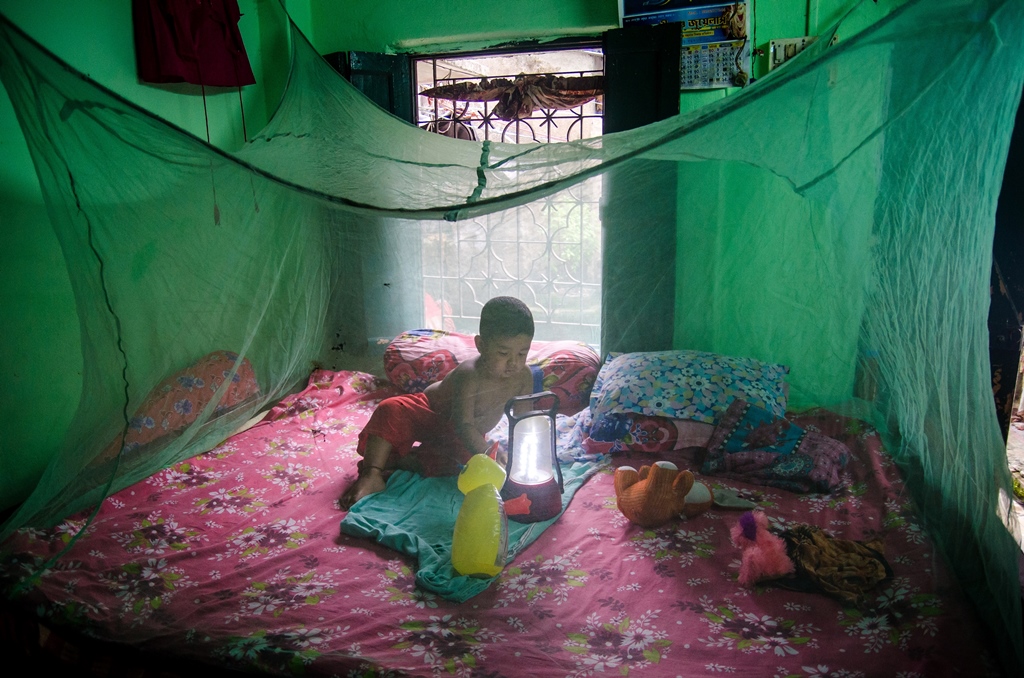
Photo caption: Safe from dengue

{credit}Sudip Maiti{/credit}

Sudip says this about his image, which focuses on prevention as a key aspect in the fight against vector-borne diseases:

{credit}Sudip Maiti{/credit}

This two-year-old boy plays safely inside a mosquito net in Kolkata,West Bengal, India. Over 13,000 people were affected by the vector-borne disease in the State of west Bengal alone in the year 2017, while the official death count reached 30.

As a simple preventive measure, the use of mosquito net is widespread among the residents of this eastern metropolis.

Congratulations Sudip for making it to the long list of the Nature India Photo Contest 2018.

As the Nature India editorial and design teams get busy shortlisting the top three from these ten stunning images, we will be rolling them out (in no particular order of merit) over the next few days. Nature India’s final decision to chose the winner will be partly influenced by the engagement and reception these pictures receive here at the Indigenus blog, on Twitter and on Facebook. To give all finalists a fair chance, we will consider the social media engagement each picture gets only during the first seven days of its announcement. The final results will be announced sometime in late January 2019.

The winner of the Nature India photo contest 2018 will get a cash award of $350, the second prize is worth $250 and the third $200. Photographs will be judged for novelty, creativity, quality and printability by a panel of Nature Research editors and photographers alongside a leading Indian scientist working in the area of vector-borne diseases. The winner and two runners-up will receive a copy of the Nature India Annual Volume 2017 and a bag of goodies (including Collector’s first issues of Nature and Scientific American and some other keepsakes) from the Nature Research. One of the winning entries also stands a chance of being featured on the cover a forthcoming print publication.

So watch out for our other finalists and feel free to promote, share and like your favourite entries with the hashtag #NatureIndphoto.

NI Photo Contest 2018: Finalist #1

Here’s beginning the New Year with some cheerful news.

The 5th edition of the Nature India photo contest is now ready to roll out its long list of top ten. The contest themed “vector-borne diseases” was announced in November 2018 and has received some fabulous entries from around the world.

It was a tough theme but the thought and creativity behind some of the entries compelled us to sit up and think. Like always, in these entries we saw a mix of amateur and professional photographers, scientists and non-scientists, mobile cameras and high-end DSLRs.

As the Nature India editorial and design teams get busy shortlisting the top three from these ten stunning images, we will be rolling them out (in no particular order of merit) over the next few days. Nature India’s final decision to chose the winner will be partly influenced by the engagement and reception these pictures receive here at the Indigenus blog, on Twitter and on Facebook. To give all finalists a fair chance, we will consider the social media engagement each picture gets only during the first seven days of its announcement. The final results will be announced sometime in late January 2019.

So here’s finalist number one in the Nature India photo contest 2018:

Nitin Gupta, Assistant Professor, Indian Institute of Technology Kanpur, Uttar Pradesh, India.

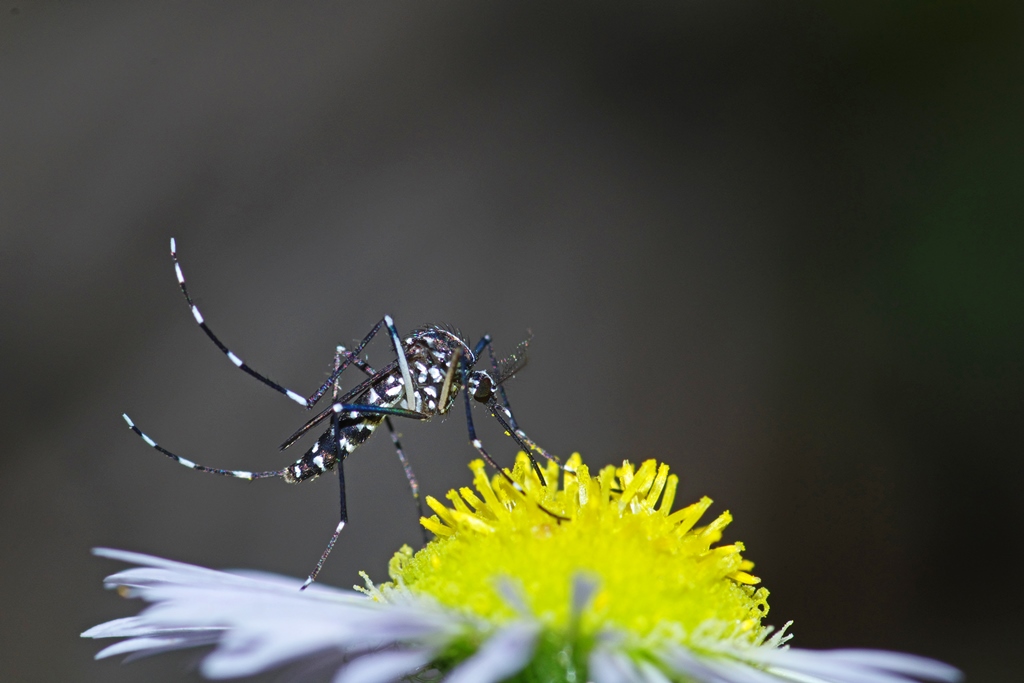
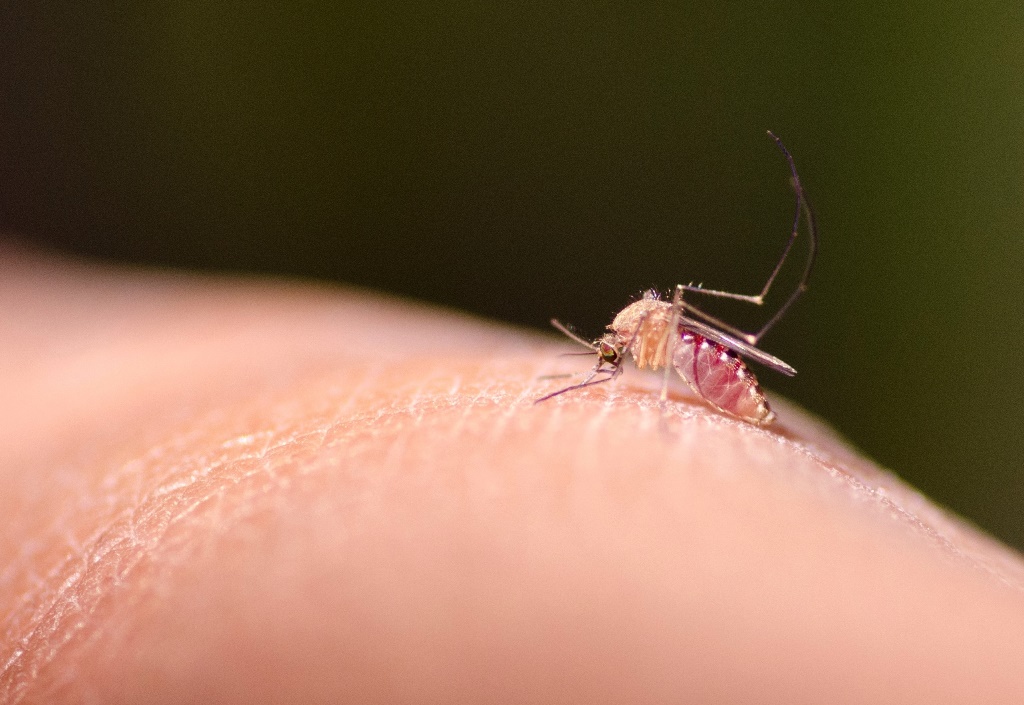
Photo caption: Mosquito, an accidental killer

{credit}Nitin Gupta{/credit}

This is how Nitin describes this image of a mosquito feasting on his hand for a blood meal:

Nitin Gupta

Female mosquitoes bite us because they need blood to nourish their eggs. The bite itself is not harmful: the tiny belly of a mosquito, seen in the photograph, can take no more than a few microliters of blood at a time, while the human body produces 10 times more every minute. What makes the bite dangerous occasionally is what the mosquito leaves behind, which could be a deadly parasite.

The photograph shows a female Culex mosquito gorging on my left hand, which I captured using a camera held in the right hand.

The photograph was taken on the morning 18 March 2018, at my home in the Indian Institute of Technology campus in Kanpur, Uttar Pradesh, India.

Many congratulations Nitin, for making it to the top ten in the Nature India Photo Contest 2018.

The winner of the Nature India photo contest 2018 will get a cash award of $350, the second prize is worth $250 and the third $200. Photographs will be judged for novelty, creativity, quality and printability by a panel of Nature Research editors and photographers alongside a leading Indian scientist working in the area of vector-borne diseases. The winner and two runners-up will receive a copy of the Nature India Annual Volume 2017 and a bag of goodies (including Collector’s first issues of Nature and Scientific American and some other keepsakes) from the Nature Research. One of the winning entries also stands a chance of being featured on the cover a forthcoming print publication.

So watch out for our other finalists and feel free to promote, share and like your favourite entries with the hashtag #NatureIndphoto.

Nature India’s most read in 2018

Nature India celebrated its 10th anniversary in 2018, making it a time to sit back and review what we have been doing right, and more importantly, not so right. Our swelling readership figures make us happy every passing year, and this year was no exception, with a more than 120 per cent increase in unique readers over 2017.

In our mission to deliver world class science coverage from India to a global readership, we hope to experiment with some new and exciting formats in 2019. To wrap up a happening year at Nature India, here’s a peek at the most engaging stories from 2018, the ones that our readers loved as much as we did.

Nature India‘s top ten most read articles in 2018 were:

1. India’s universities are feebling away

Shahid Jameel

The University way of life is in trouble in India, said Shahid Jameel, CEO of the Wellcome Trust DBT India Alliance, in an analysis that pointed to the twin maladies of poor governance and trickle funding.

The commentary — an insightful analysis of the age-old ills plaguing India’s university system and recommending ways to stem the rot — topped our list of most read articles in 2017.

Read the article here.

2. Electrons travel faster than light in glass

Using ultrashort laser pulses, an international research team of physicists, including some from the Tata Institute of Fundamental Science in Mumbai, were able to generate hot electrons that travel faster than the speed of light in a piece of glass. The research opened a new avenue for understanding several areas of high-energy science, ranging from laser-driven fusion to developing advanced radiation sources that may have potential applications in the industrial and medical fields.

This exciting research — a significant step towards developing a method that will help understand hot-electron transport through solids — was not surprisingly on number two on Nature India’s most read list.

Read it here.

3. PhD researcher quits citing data forgery by seniors

Biplab Das & Subhra Priyadarshini

A disgruntled PhD scholar from the biochemistry laboratory of Calcutta University in Kolkata quit her research in infectious diseases alleging scientific malpractice by her PhD guide and other senior research fellows. Following her exit from the lab, biochemist Jayita Barua wrote a public post on Facebook detailing how she was forced for years to carry out malpractice, including ‘creating’ papers with forged data. The post created quite a stir on social media, as many researchers joined in revealing similar experiences from across research facilities in India.

Though Jayita Barua continues to seek redressal, her travails and fight for justice resonated with many, making this article the third most read this year. Here’s the reportage.

4. Microbial fuel cell degrades toxic dye, generates power

Researchers from Indian Institute of Technology Guwahati developed a microbial fuel cell that can simultaneously break down a harmful organic colour dye in synthetic wastewater while generating power. The fuel cell could be potentially useful for treating dye-contaminated industrial wastewater.

The industrial application of the research contributed to its wide readership.  Here it is.

5. Inkless pen to protect secret documents

Scientists from CSIR-National Institute for Interdisciplinary Science & Technology (NIIST) in Thiruvananthapuram, University of Calcutta in Kolkata, India, and New York University Abu Dhabi in United Arab Emirates  came together to make an interesting light-emitting organic material.

The material can be used to print patterns, write documents and even sneak in secret codes on a filter paper using just sunlight. Sunlight can also erase the printing and writing, visible only under ultraviolet light.

The mystery attached to detective-style secret coded messages perhaps got it more eyeballs. You can read the research highlight here.

6. Why extreme temperatures in South Asia should jolt governments into action

Subhra Priyadarshini

Extreme summer temperatures have become the new normal for much of South Asia, home to a fifth of the world’s population. Last year, the region saw more than 1,400 people succumbing to extreme heat alone.

The signs of a future malady are beginning to show – whether it’s in the muggy, sweltering heat of Delhi, where schools remained closed past summer holidays this year, or in the scorching daytime temperatures of Karachi, accentuated by massive power outages that left at least 65 people dead.

We analysed scientific evidence around predictions that major Asian cities will become unlivable within a couple of decades, and that the urban poor would be the worst sufferer. Read our analysis here.

7. Entry gates of Japanese encephalitis virus into brain identified

Scientists from the National Brain Research Centre in Haryana along with collaborators from Institute of Life Sciences, Bhubaneswar, University of Calcutta and Barasat State University in West Bengal identified the ‘entry gates’ that allow the Japanese encephalitis virus (JEV) to invade the brain and strike the neurons, resulting in crippling brain function.

Working for the first time on mouse models, the collaborative group identified these doorways in two protein receptors inside the rodents’ brain.

Here‘s the research highlight.

8. Indian scientists concerned over funding crisis

K. S. Jayaraman & Subhra Priyadarshini

An editorial in a Proceedings of the Indian National Science Academy published by the apex peer body of Indian scientists raised an alarm over funds crunch hitting the Indian academia hard. The lament was, however, dismissed as a wrong perception among a section of scientists by the country’s leading science funding agency Department of Science and Technology (DST). DST claimed that research allocation has actually doubled in the last four years.

The editorial also rued that an increasing number of research proposals were being turned down by India’s science funding agencies, and money was not being released in time for current projects.

We took a look at the ground situation. Read the article here.

9. Spider silk helps generate electricity  

Biplab Das

An international research team led by Indian Institute of Technology Kharagpur scientists used the inherent strength of spider silk to make tiny devices that can generate electricity with the help of simple pressure-inducing acts such as finger tapping, walking, swallowing, drinking or even gargling.

These devices can be used to turn on light-emitting diodes, power mobile displays and charge capacitors that run pacemakers.

Here‘s the research highlight about the wondrous material and its many potential uses.

10. Herbal drug to prevent antimicrobial resistance in cattle

When cattle are given antibiotics to treat mastitis – a bacterial inflammation of the mammary glands – their milk retains the antibiotics for a long time, increasing the probability of antimicrobial resistance (AMR). Researchers at West Bengal University of Animal and Fishery Sciences (WBUAFS) reported how to overcome this problem with a known polyherbal drug.

Experimenting with Bengal goats, the researchers showed that the commercially available mammary protective drug fibrosin, when given alongside the antibiotics, can prevent antimicrobial resistance.

We leave you with the piece here and with a picture of the cutest possible goat you will have seen this year.

Suggested reading:

Nature India’s top 10 in 2017

Science without borders: The Bhabha legacy

As young physicists at the Tata Institute of Fundamental Research (TIFR), Mumbai circa 1981, Alak Ray and Prajval Shastri experienced an exciting era in the life of the institute, set up by visionary scientist Homi Jehangir Bhabha in 1945.

In this guest post, Ray, now a Raja Ramanna Fellow at the Homi Bhabha Centre for Science Education (TIFR) and Shastri, a Professor at the Indian Institute of Astrophysics, Bangalore peer into the institute’s history, armed with Indira Chowdhury’s book Growing the Tree of Science, Homi Bhabha and the Tata Institute of Fundamental Research.

The campus of Tata Institute of Fundamental Research around the time of inauguration of its new buildings in January 1962 in south Bombay (now Mumbai).{credit}TIFR archives{/credit}

After seventy years of the government of independent India nurturing scientific enterprise, even in the face of criticism of its investment in the fundamental sciences, it is a good moment to review the story of what many regard as the prized jewel of them all – the Tata Institute of Fundamental Research (TIFR), which was founded in 1945 by the physicist Homi Jehangir Bhabha with the help of the Dorabji Tata Trust.

Growing the Tree of Science (Oxford Univ Press, New Delhi 2016) by Indira Chowdhury treats us to a visit of this famous institute and its history. The reference to a growing tree in the title comes from an address by Bhabha in 1963 at the National Institute of Sciences of India: “A scientific institution… has to be grown with great care, like a tree.”

Chowdhury distills the history of the institute from years of effort she put in to set up the TIFR archives. She explores the early efforts of scientific institution building around the time of India’s independence in 1947, when science was envisaged as being serviceable to the nation and a tool of nation building, but the need to nurture institutional spaces without borders was also recognised.

Bhabha undertook this nurturing with enthusiasm, though juggling multiple responsibilities within a few years of founding the institute left him little time for research. He concentrated on creating the conditions for conducting good research, in enticing stellar scientists to visit, and to recruit established scientists to lead various programmes. A largely unknown initiative by Bhabha was his invitation in 1952 to Richard Feynman “to spend a couple of years or more here as a Professor of Theoretical Physics”, which Feynman declined.

A poignant story of Bhabha’s sense of science without borders concerns the Chinese mathematician S. S. Chern. During the intense civil war in China (1948), Bhabha wrote to Chern at the Mathematical Institute of the Academia Sinica at Nanking, which Chern himself had founded in 1946 after returning from Princeton. Bhabha wrote, “Although we know the patriotism which prompted you to prefer to work in your own country despite the many attractive offers from abroad, we realise that the present conditions must make work in your neighbourhood extremely difficult, if not impossible… I am therefore, writing to you to offer you the hospitality of this institute… to spend one year in the first instance as a Visiting Professor?” By this time Chern had already accepted J. R. Oppenheimer’s offer at the Institute of Advanced Study at Princeton, but was deeply grateful “for the concern of my foreign friends, which has never failed me”.

Bhabha smoothly and successfully recruited the mathematician K. Chandrasekhar in 1948 and the physicist M. G. K. Menon in 1955, though he failed with astrophysicist S. Chandrasekhar. In 1962, he offered George Sudarshan an Associate Professorship. Sudarshan had worked in TIFR’s emulsion group earlier (1952-1955) at the Old Yacht Club. Then, while on leave from TIFR at the University of Rochester, Sudarshan, with his thesis advisor Robert Marshak, worked out the universal V-A theory of weak interactions, for which they were nominated for the Nobel Prize multiple times. But the effort to repatriate Sudarshan failed because Bhabha tried putting Sudarshan on par with others who stayed on in the institute and did their research in India.

Indeed, Chowdhury writes about Bhabha’s notion of “self-reliance which had instilled in him an unswerving faith in the scientists who had trained at his institute”. She elaborates, “It was this group that had been responsible for growing the roots of the tree of science and Bhabha the master gardener was unwilling to carry out any process of grafting a foreign branch which could potentially disturb the stability of the tree itself.”

Chowdhury asks, “The institutional model itself had an unresolved paradox at its core – was it national or international?” She opines that the “ambiguity at the heart of Bhabha’s grand vision presented a troublesome dilemma – how to be international and national at the same time”.

The idea of using modern science for social transformation has been debated among the Indian elite since social reformer Raja Ram Mohan Roy’s time in the 1820s. The debate has touched on questions such as: What are the priorities for development? What types of scientific activities are most appropriate for a developing country like India? How can a scientific community be best established within a traditional society? How can scientists working in such a society keep their loyalty to the internationalism of science and at the same time deal with the more local and immediate needs of their own countries? [see “India’s Scientific Development”, William Blanpied, Pacific Affairs, vol 50, 91,1977)].

In the first two decades after India’s independence the international network that Bhabha built worked together with India’s nationalism and was happy to contribute to the development of institutions for a newly independent India. (The most notable scientist in this network was Nobel prize-winning experimentalist P. M. S. Blackett – see “Empire’s Setting Sun?”, Robert Anderson, Econ. Pol. Weekly, vol 36 (39), 3703, 2001). Chowdhury points out, “The sense of national self-realisation and an awareness of international cooperation went hand in hand.”

Bhabha also successfully drew a strong connection between fundamental science and technology development. Bhabha in his letter to the Sir Dorabji Tata Trust in 1944 wrote, “It is absolutely in the interest of India to have a vigorous school for research in fundamental physics, not only in the less advanced branches of physics, but also in the problems of immediate practical interest to industry. If much of the applied research done in India today is disappointing and of very inferior quality, it is due to the absence of sufficient numbers of outstanding pure research workers who could set the standards for good research.”

Growing the Tree of Science paints the picture of TIFR and its journey of undertaking science in a newly developing nation on a wide canvas. The story however is somewhat less richly textured for the period after Bhabha’s death. Chowdhury does discuss the beginnings of molecular biology, radio astronomy and other disciplines in TIFR with the recruitments of the geneticist Obaid Siddiqi in 1962 and the radio astronomer Govind Swarup in 1963. Her story is however mainly concentrated in the earlier phase of these groups. The hits and misses of the Bhabha era affected TIFR’s later development and the future it looks into. One wishes that a deeper appraisal of the era that followed could be put together in greater detail.

[This blog was originally posted on ‘On Your Wavelength’].