Isolation and alienation force female researchers out of US tech jobs

US corporate training programmes aimed at retaining female researchers in technology may be focussing on the wrong targets.

IMG_4078

A report, out on 7 February in Information Systems Journal, examines the results of in-depth interviews with 23 women in information-technology jobs across nine US firms, including consultancies, a bank and an insurance company. Study authors sought to identify the challenges faced by female researchers in industrial technology positions. Continue reading


TechBlog: ‘Manubot’ powers a crowdsourced ‘deep-learning’ review

2018-02-22_Tech-Feature_Deep-learning_WEB

{credit}Alfred Pasieka/SPL/Getty{/credit}

In Nature‘s February technology feature on ‘deep learning‘, a kind of artificial intelligence whose usage is spiking in life science research, author Sarah Webb points readers to a ‘comprehensive, crowd-sourced’ review of the field.

Available as a preprint on bioRxiv (ETA: and now online in the Journal of the Royal Society Interface), the review is indeed comprehensive: the PDF runs to 123 pages and 552 references, and has been downloaded nearly 27,500 times since May 2017. But it was an intriguing footnote on the article’s title page that really piqued my interest: “Author order was determined with a randomized algorithm”. Continue reading

TechBlog: eLife replaces commenting system with Hypothesis annotations

eLifeHypothesis

{credit}eLife/Hypothesis{/credit}

The next time you feel moved to comment on an article in the open-access online journal eLife, be prepared for a different user experience.

On 31 January, eLife announced it had adopted the open-source annotation service, Hypothesis, replacing its traditional commenting system. That’s the result of a year-long effort between the two services to make Hypothesis more amenable to the scholarly publishing community.

Continue reading

TechBlog: Interactive figures, a mea culpa

d41586-018-01322-9_15422878

{credit}The Project Twins{/credit}

For the 1 February issue of Nature magazine, I wrote a Toolbox article on interactive figures. Unlike static PDFs or JPEGs, these figures allow users to explore the underlying data and code used to create them, for instance to zoom in on a crowded region of interest, or to probe the robustness of a computational model.

It’s an exceptionally broad and growing field of tech development, and my article name-checks more than a dozen tools. Inevitably, omissions were made, one of which was pointed out within hours of the article going live.

Continue reading

TechBlog: ‘Carbon rainbow’ enables highly multiplexed microscopy

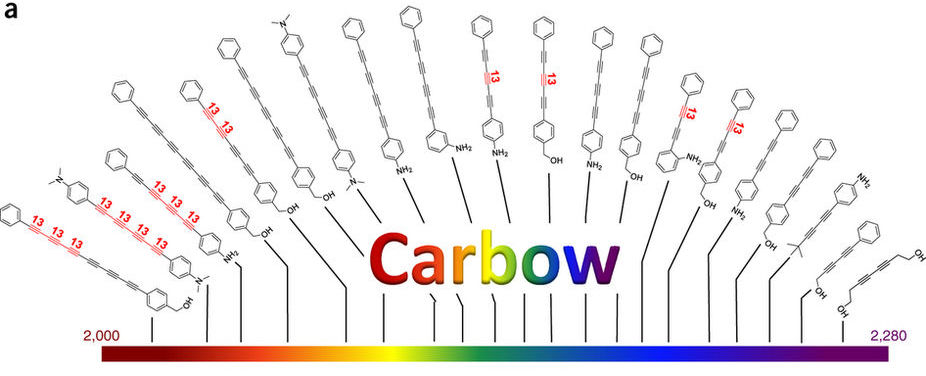
nmeth.4578-F3Fluorescence microscopy has transformed the life sciences. By attaching fluorescent dyes or proteins to cellular structures, researchers can image fine cellular morphology; track molecular localization, motion, and dynamics; and more. But fluorescence microscopy also presents significant obstacles. One of those is multiplexing.

Continue reading

TechBlog: New instruments advance mass spec imaging

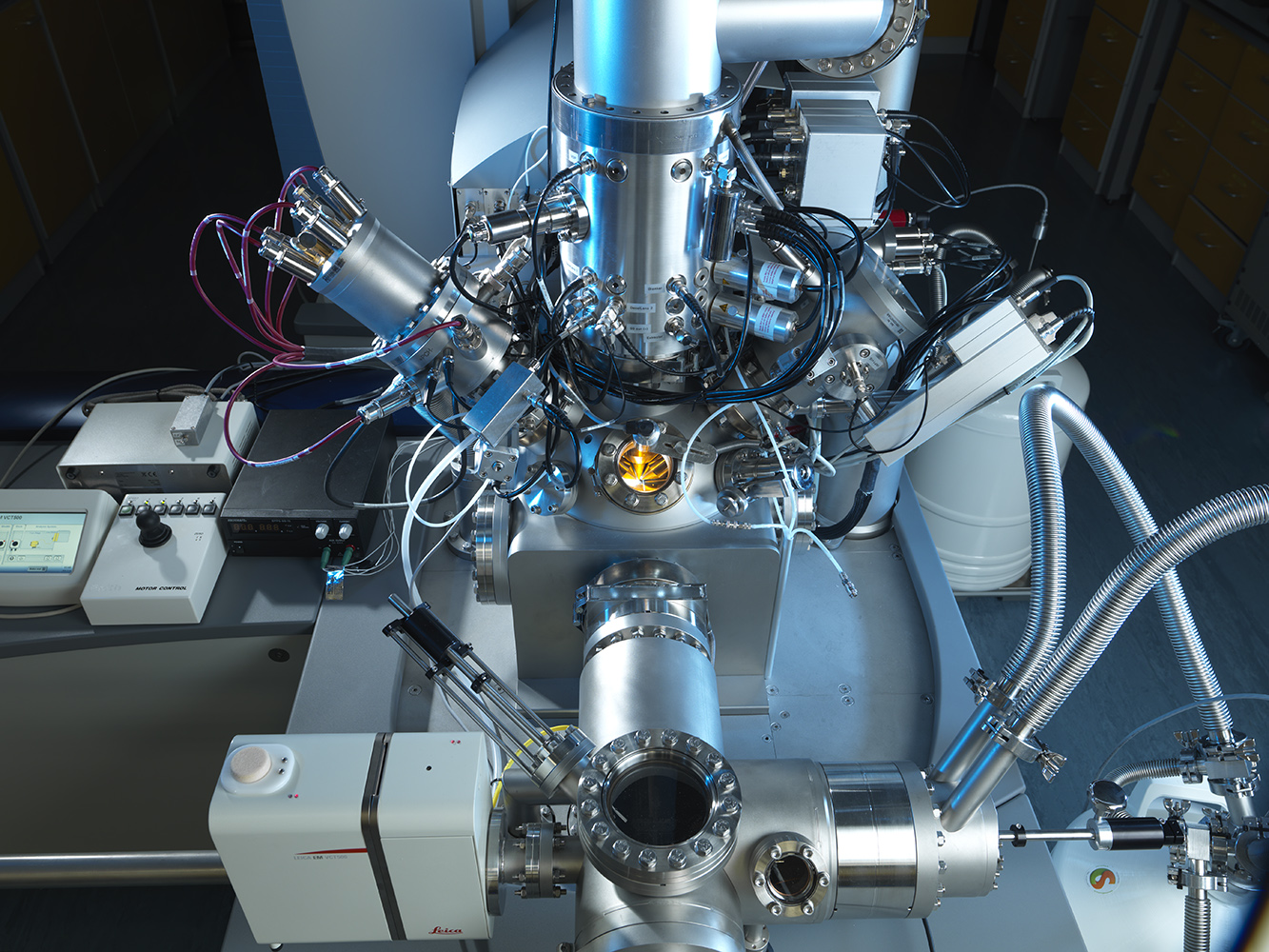
The 3D OrbiSIMS

The 3D OrbiSIMS {credit}Courtesy of the National Physical Laboratory{/credit}

The current focus on single-cell biology reflects the growing awareness among life scientists that all cells are not alike.

In the genomics world, methods such as scRNA-seq and Drop-seq allow researchers to probe cellular heterogeneity at the genetic level using next-gen DNA sequencing. Mass spectrometry imaging (MSI) does likewise for protein and metabolite studies.

Continue reading

TechBlog: New tools track article buzz online

tumblr_nnzhi8XJhW1uv17mmo1_1280“How’s my paper doing?” It’s such a simple question, and in today’s hyperconnected world it’s relatively easy to work out who’s reading and talking about your scientific publications. But are there conversations you might be overlooking?

Continue reading

TechBlog: Augmented reality makes protein structures appear

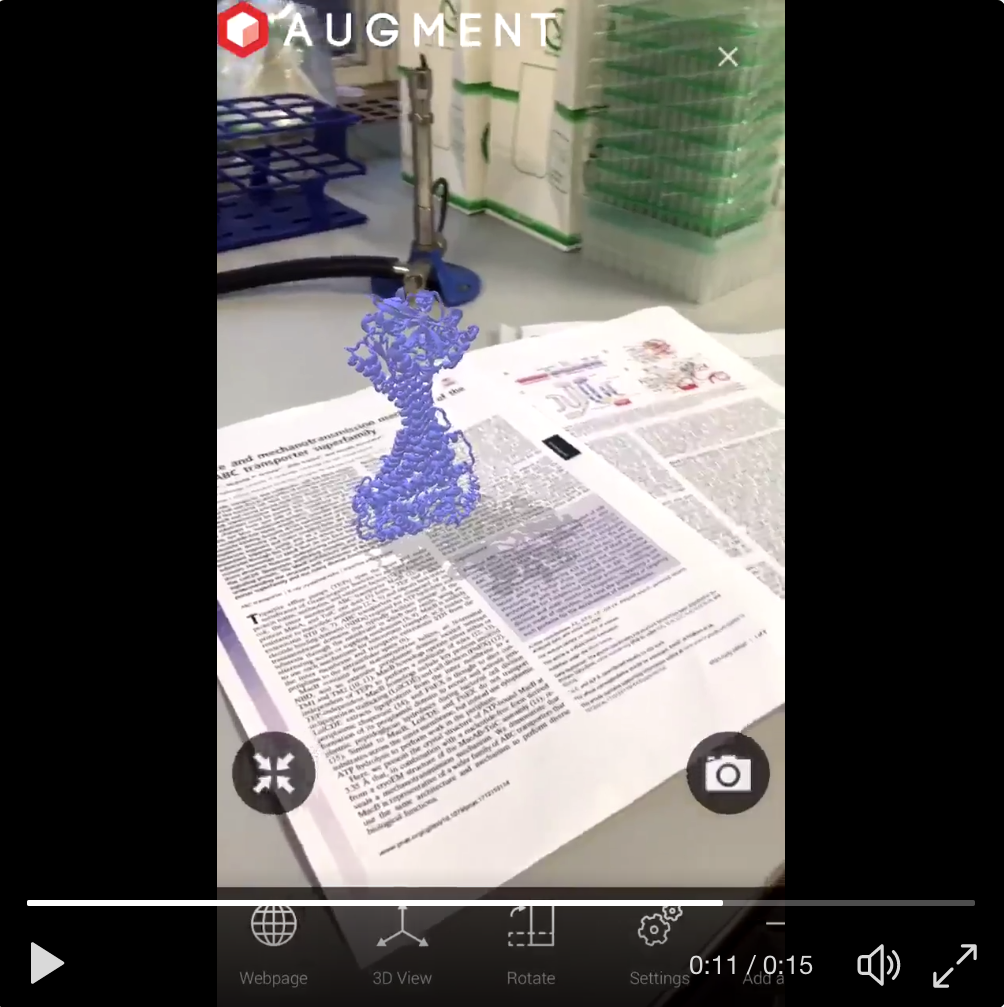
Augment screen shot

{credit}Allister Crow/Twitter{/credit}

Update (9 Dec 2017): Allister Crow has updated his instructions to produce colored AR structures; they are available here

Scientific publications represent years of work. It’d be nice if somebody read them.

That’s the problem Allister Crow faced as his postdoctoral work was published in early November.

Crow, a structural biologist at the University of Cambridge, UK, was part of a team, led by Vassilis Koronakis, that solved the structure of a bacterial protein called MacB, a pump protein that is involved in antibiotic resistance and toxin secretion. The paper went online November 6 in the Proceedings of the National Academy of Sciences. But how to get people — and especially those outside his immediate field — to notice?

Continue reading