Career paths: Working in the pharmaceutical industry

Recent scientific discoveries are opening up exciting opportunities for scientists in the field of personalised healthcare.

This is a blog and custom podcast on behalf of AstraZeneca. AstraZeneca retain sole responsibility for this content.
Maria-Orr-Naturejobs

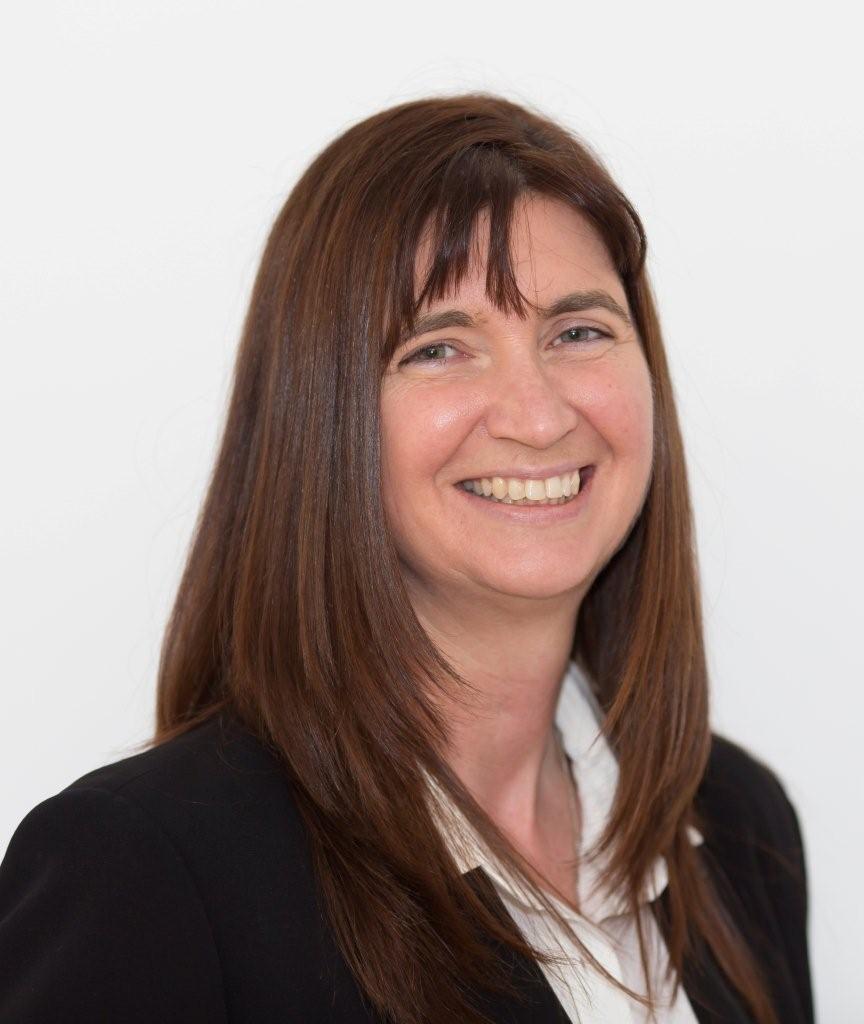
Maria Orr{credit}AstraZeneca{/credit}
Thorsten-Gutjahr-Naturejobs

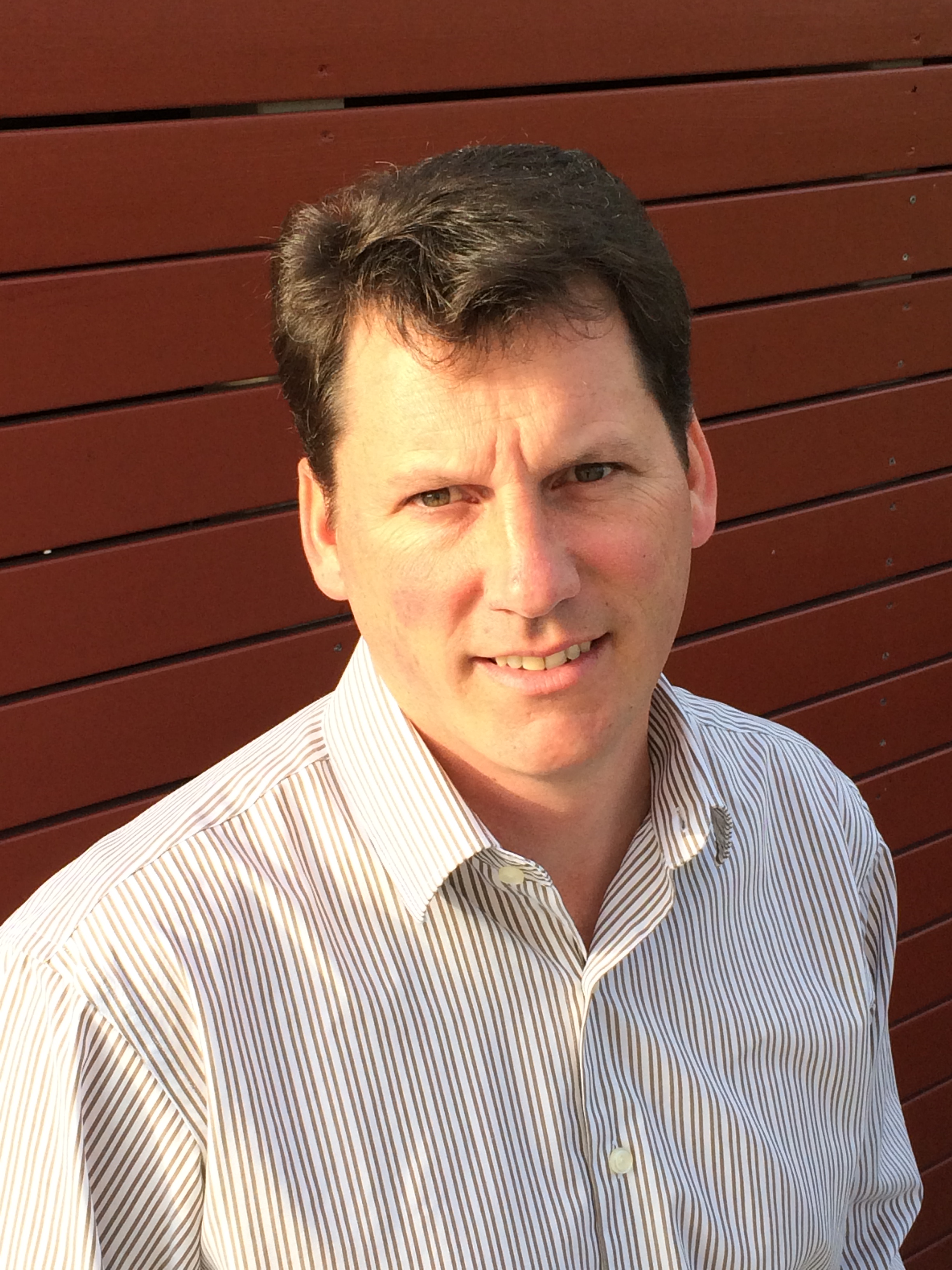
Thorsten Gutjahr{credit}AstraZeneca{/credit}

Dr Maria Orr is a molecular geneticist by training.

Dr Thorsten Gutjahr is a molecular biologist by training.

Both of them have successfully made the transition from academia to industry and are now leading the charge to bring innovative targeted medicines to the patients who will benefit most.

Personalised healthcare (PHC) aims to deliver the right treatment to the right patient through the use of companion diagnostics, clinical indicators or other diagnostic tools. Recent scientific progress made in PHC is remarkable and Dr Gutjahr and Dr Orr are operating at the sharp end, translating the latest scientific discoveries into clinical benefits for patients. Continue reading

Work/life balance: Take a break

Take breaks to maintain manageable stress levels

Contributor Emily Porter

Is there a defined time and a place for science? Does science only happen at work and then you switch off when you leave the lab for the day? I don’t believe that for a second, and the majority of you will agree with me. There isn’t a distinct work/life balance for an academic researcher; science is a part of our lives, our passion for it defines who we are and we believe that we are honoured to have a career that allows us to feed our inquisitive nature and the need to solve problems.

There is no defined line between work and life for a scientist. Instead it is a series of intensities. Ranging from a 14 hour day working non-stop in the lab, to meeting with other academics and talking science, to chatting to someone at a party who asks what you do for a job, to discussing your day with your significant other, to total preoccupation with something else entirely.

The most important thing I learnt from my PhD is that it is ok to take a break. How can you expect to perform to your greatest potential if you are tired and stressed. In fact, my PI insisted that his students took time off. For me, this was sometimes as simple as finishing early on a Friday afternoon or taking an extended lunch break in the sun, or it could be a three week holiday planned for the summer. Continue reading

The postdoc series: Setting up your own lab

Negotiate your start-up package and apply for grants early.

Lab-naturejobs-blog

{credit} Getty Images \ Ryan Mcvay{/credit}

Transitioning from postdoc to faculty is never an easy step, which is made no easier by the severe competition for funding. Kim McCall chose to set up her postdoc lab based on what would be “hot” when she was looking for a postdoctoral job. “But I also looked for a research topic that I thought would be NIH-fundable,” she says. Most importantly however, McCall looked for something that she was passionate about: “when you start your own lab this is what you’ll be doing so it’s important to choose a topic that you will continue to be excited about.”

Once you know what your research focus is and where the money might come from, you’ll need to negotiate your start-up package: the funding that the institution offers you to get you up-and-running (buying equipment, materials, pay postdocs, etc) for the first 2-3 years. This money is finite, and the institutions will expect you to find your own financial resources as soon as possible. Many advise to submit your grant proposals as early as possible after you’ve transitioned from postdoc to faculty. This way you can still use your postdoctoral work (if it was significantly independent work) as your preliminary results. Continue reading

#ScientistOnTheMove: March 2015

In March 2015 scientists have been moving across oceans and into industry.

robin-mcgregor-naturejobs-scientistonthemove

{credit}Robin McGregor{/credit}

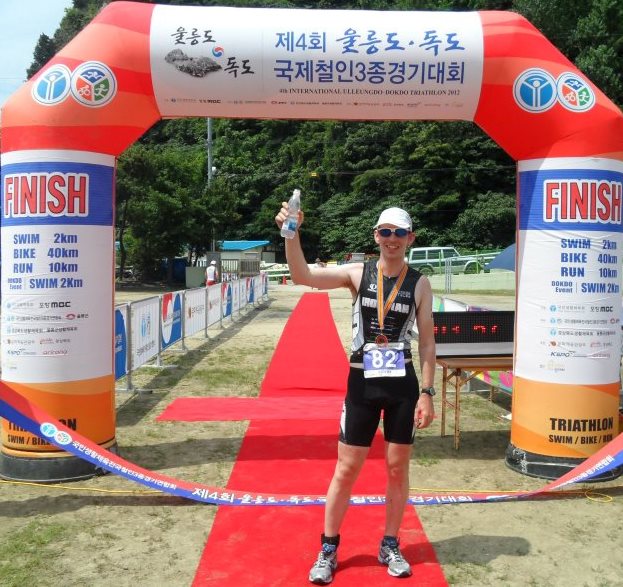
Robin McGregor worked as a Research Fellow at the University of Auckland in New Zealand on a portfolio of projects related to nutrition and healthy ageing. “I set up clinical trials in middle-aged men to assess post-prandial changes in muscle protein synthesis in response to different dairy formulations,” he says. But being in a small country with only eight universities means that options are limited. Although he had a fixed term contract and had plans to stay, “there was no opportunity to move to a permanent university position. So if I wanted to persue a career in research I’d have to look elsewhere.” So he did. His previous experience as a postdoc in Korea meant that he could work with connections he had made, and eventually accepted a job with a well funded research group at Inje University in South Korea. But making a move like that doesn’t come without its challenges. “Rarely are you offered any help towards relocation expenses as an early career researcher,” he says. “The practicalities of setting up new research studies are always difficult in a new country and more so when you’re not fluent in the local language.” Despite the challenges, McGregor started his new role as a Research Professor in the Cardiovascular and Metabolic Disease research centre, in the College of Medicine in March. “I’m enjoying the new challenge as there are many exciting opportunities here particularly as a foreign researcher to get involved in a wide variety of projects,” he says. Continue reading

Job search: Strategies for success

Self-reflection, skill building, researching of job markets, and setting goals are part of a successful job search strategy.

Contributor Prital Patel

job-search-patel-naturejobs-blog

{credit}Image credit: Shawna Lu{/credit}

As exciting as it is to see a sliver of light at the end of the tunnel, for me the future after my medical biophysics PhD is still an apprehensive unknown. Despite having spent over half a decade specializing in an infinitesimal aspect within the grand scope of science, in some ways, I do feel that the range of options of what I can pursue, be it entrepreneurship, academic science or law, are as open to me as they were before I started picking classes at 16. What I have repeatedly learnt from attending career talks is that a PhD arms you with a number of transferable skills that make you amenable to many jobs and job settings. This then begs the question: How can PhDs or postdocs be more strategic about their job search?

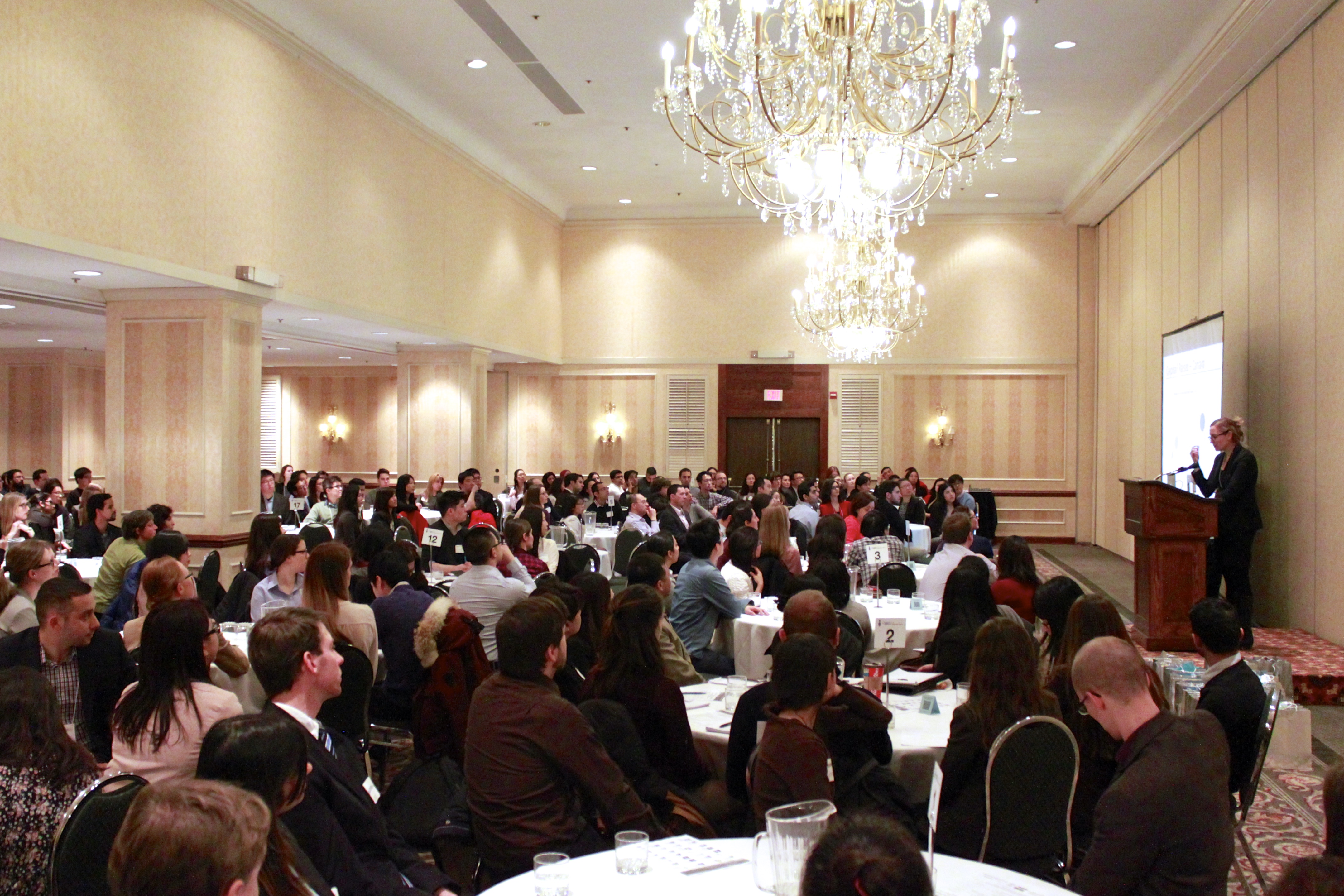
In February this year I co-chaired the 11th annual networking reception for the Life Sciences Career Development Society (LSCDS) at the University of Toronto. I invited Lauren Celano from Propel Careers to give a keynote speech on the job market and strategies for successful job searches (she also gave a great talk about informational interviewing). Although the scope of the talk centred on life sciences, many of the strategies discussed can be extrapolated to other fields of expertise.

A strategic job search requires an amalgamation of self-reflection, proactive skill building, research of job markets and organizations, and setting goals. Celano pointed out that PhDs have a whole ecosystem of companies in which they can secure employment, including companies of different sizes that they can work for (global, local, large, medium, and small) and different types of companies (biotechnology, venture capital, law firms, marketing and communications etc.). Celano articulated some useful strategies for making informed decisions in a job search. I found them particularly helpful, so I wanted to share them with you. Continue reading

The postdoc series: Finding the right lab

Attack planning your career path and finding the right lab in the same way as you would plan a research experiment.

Fancy/ Punchstock/ Getty Images

{credit}Image credit: Fancy/ Punchstock/ Getty Images{/credit}

“If you chose the wrong lab, a lab that isn’t publishing heavily or is not pushing you, you’re not going to be able to get the papers you need to get into that lectureship or fellowship position that you’re looking for.” Although potentially painful to read, these words from Karen Hinxman, consultant at the Postdoc Development Centre at Imperial College, London, are about as honest as they come. There are a few things to consider carefully when planning your postdoc:

Plan ahead

As postdocs, it’s important to sit and think about your career before you embark on it, as you are really committing yourself to somethin for 3-5 years. Having a plan from Day One, and regularly assessing and comparing it to your progress will help keep things moving along smoothly. “It’s no longer enough to just rely on “doing good work” and hoping to land a position. Postdocs must strategically navigate their career,” says Jim Gould, Director at the Harvard Medical School Office for Postdoctoral Fellows.

“Most soon-to-be postdocs (and current ones) have trouble thinking about their careers beyond the next experiment,” says Gould. This is understandable, considering the workload that many have. But without proper planning and self-assessment, postdocs could end up picking the wrong lab for them, ultimately damaging their future careers. Attack planning your career path in the same way as you would plan a research experiment. Continue reading

Mobility: How to prepare for working in Sweden

Make sure you’re prepared in advance if moving to Sweden for research, says Barry O’Brien.

Barry-OBrien-Naturejobs-blogBarry O’Brien is a careers advisor working for PhD Career link, in Sweden. In this Q&A I find out what it takes to make a smooth transition into Swedish life and research.

Why did you move to Sweden? 

I met a beautiful Swedish girl who dragged me to Stockholm with promises of clean air and open spaces. She forgot to mention the high taxes and expensive beer!

How do you help scientists in Sweden?

PhD Career Link was created to supply fresh ideas for job seekers looking to move from academia to industry. I am helping career centres to deliver interesting courses, workshops and events around the concept of personal branding – first impressions matter! I use LinkedIn, Facebook, Meetup and traditional tools like the good old CV, to improve applicant’s chances of both being found by, and finding recruiters.

What support is there for researchers based in Sweden?

Career support whilst researching comes from the University Career Centres and Unions, but unfortunately not every University has the resources to assist them.

In Sweden a PhD is a paid position, so now there are regulation changes happening that will mean that someone doing a PhD is considered employed and should fall under the ‘state employment’ rules – this means that they are not the responsibility of the University. Many student groups organise their own career events, inviting alumni, coaches and industry speakers. Continue reading