The faculty series: Top 10 tips on negotiating start-up packages

Negotiating the best deal for your research is something few junior faculty members are prepared for. Here’s some friendly advice.

New faculty are often given a start-up fund by their new department, which is designed to be enough to cover equipment costs and other expenses before the grants start knocking on the door. The sum of the start-up isn’t set in stone, and this leads to a dreaded period of negotiation; the difficult and lengthy process that few junior faculty members are prepared for. Here, Naturejobs offers help and advice that any new faculty member should bear in mind when trying to get the best deal to carry out their research.

piggy bank

{credit}ImageSource{/credit}

1. Know what you need before beginning any dialogue

Before beginning any negotiation, make sure to know what you absolutely need to carry out your research. Whether this is a telescope, the latest interactive graphics package, a peptide sequencer or a good old-fashioned centrifuge, getting your essentials right will put you in the right position to begin negotiating.

2. There’s no point having equipment if you don’t have any hands to use it

One of the largest costs you can expect to come out of your start-up fund are the salaries of PhD students and postdocs. They’re the most crucial components of the lab for almost all researchers. These are also expensive and, unlike equipment, you have to keep paying for them. If you don’t have the hands available to do the science, all of the new shiny equipment in the world isn’t going to make a difference. Factor trainee costs into your budget. Continue reading
Women in science: A returner’s perspective

Although prospects are challenging, help is indeed out there for women looking to get back into academia after having a career break.

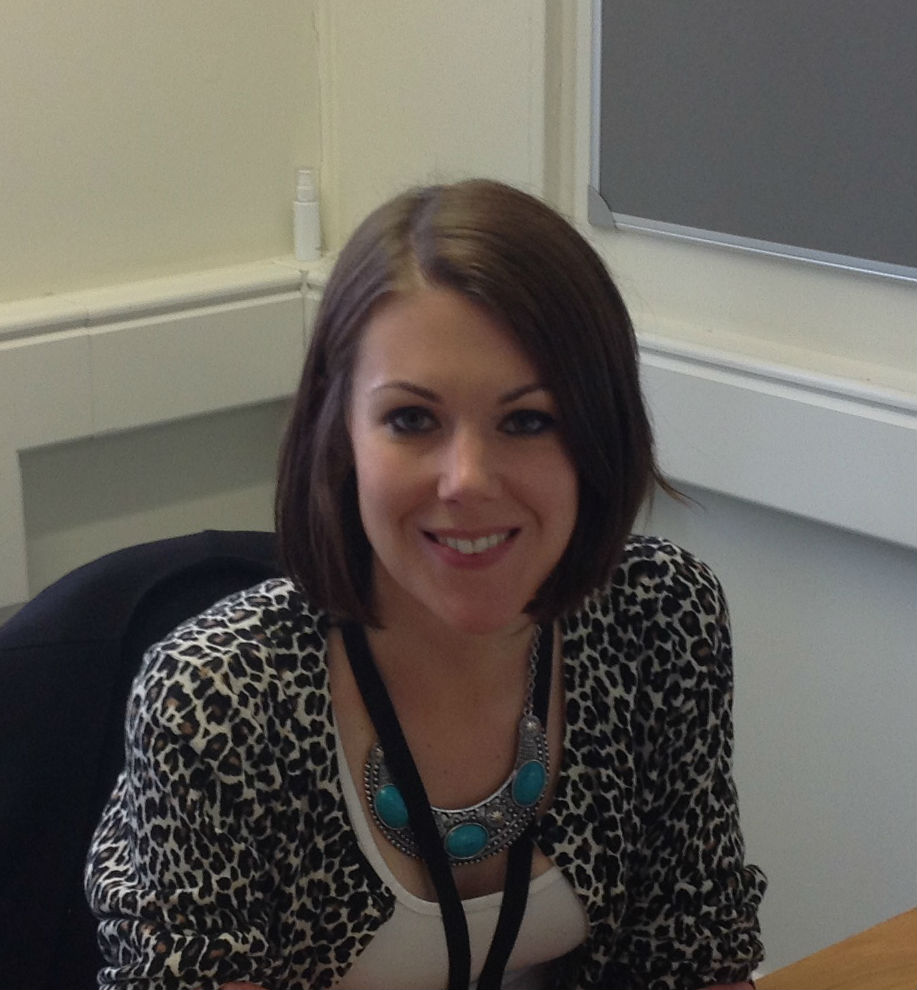
Guest contributor Sara Burton

sara-burton-naturejobs-blog-small

Sara Burton, now senior lecturer at the University of Exeter, took time off to look after her children full time before returning to academia.{credit}Image credit: University of Exeter- Heather Ford{/credit}

As I sat in my PhD viva voce exam in 1994 year I was fighting distraction – I had just found out I was pregnant and was wondering whether I could drink champagne if I passed.

Having worked in university labs before my first degree and in a small biotechnology company for four years before my PhD – it wasn’t difficult to decide this was the time for motherhood.

So I looked after my two sons full time from 1995-98. When my youngest son was two years old I decided that I wanted to return to my academic career. I noticed a newspaper advert for an associate lecturer with the Open University in the UK. The opportunity was perfect: I could teach in the evenings and at weekends while my husband looked after the boys. Indeed, this worked well for us all.

In addition to my OU role during my sons’ early years I was contacted by an academic I knew when I was a PhD student. And thus I was employed to help manage a research group. Once again, flexibility in working hours was key and enabled me to start at just two days a week allowing me to be both a mum and an academic. Continue reading

#SciData15: Get more out of your research data

Researchers shared their tools to help scientists use and share data more effectively at the 2015 Publishing Better Science Through Better Data conference.

Guest contributor Rehma Chandaria

naturejobs-blog-Scidata15-Lightning-Talks

{credit}Image credit: SCIENTIFIC DATA/LUDIC GROUP{/credit}

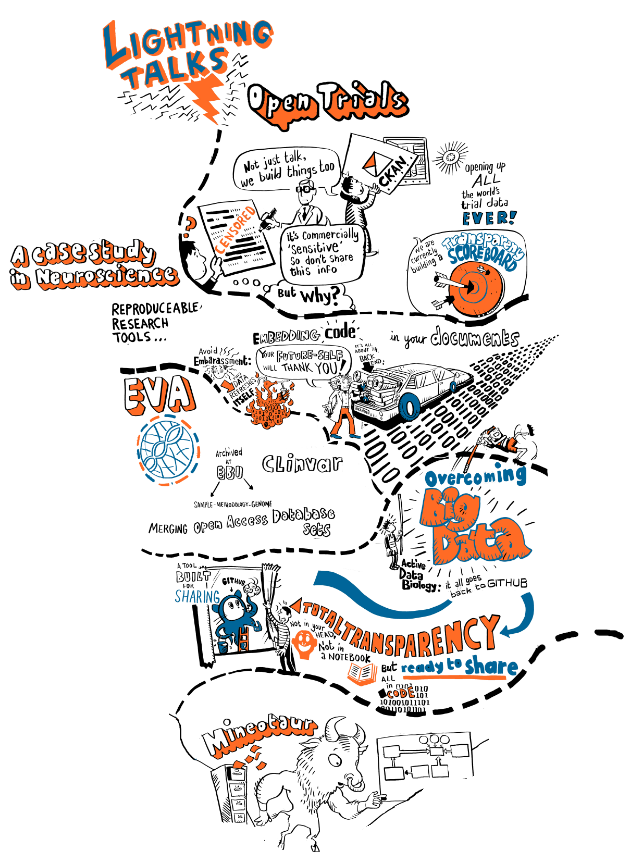
The session of lightning talks at the 2015 Publishing Better Science Through Better Data conference was strategically scheduled to combat the post-lunch lull that often occurs. Five speakers had seven minutes each to tell the audience about their tools for helping scientists to use and share data more effectively.

Dr Sam Payne and Dr Balint Antal have both written programmes that allow researchers to collaboratively analyze and visualize large amounts of data. Payne of the Pacific Northwest National Laboratory in Washington State developed Active Data Biology, a tool for interactively exploring and analyzing ‘big data’. He demonstrated how the programme can be used to assess proteomics data in the form of a heatmap — you can click on various proteins, conduct real-time analytics, save the proteins you find interesting and look at what your collaborators have saved. Rather than having the information hidden away in your notebooks or in your head, everything is stored on GitHub so it’s transparent and available to everyone involved. Mineotaur, developed by Antal of the University of Cambridge, UK, is based on a similar idea. It is an open-source tool designed for biologists to explore high-throughput microscopy data. Mineotaur can also be used to share research findings and allow others to analyse them further. It can even be embedded in publications to allow readers to explore the data for themselves. Continue reading

Finding job satisfaction as a policy analyst

Working in science policy is all about taking complex science from experts and translating it into something accessible, to be used in key decision making.

catherine-ball-naturejobs-blog-small

{credit}Image credit: Catherine Ball{/credit}

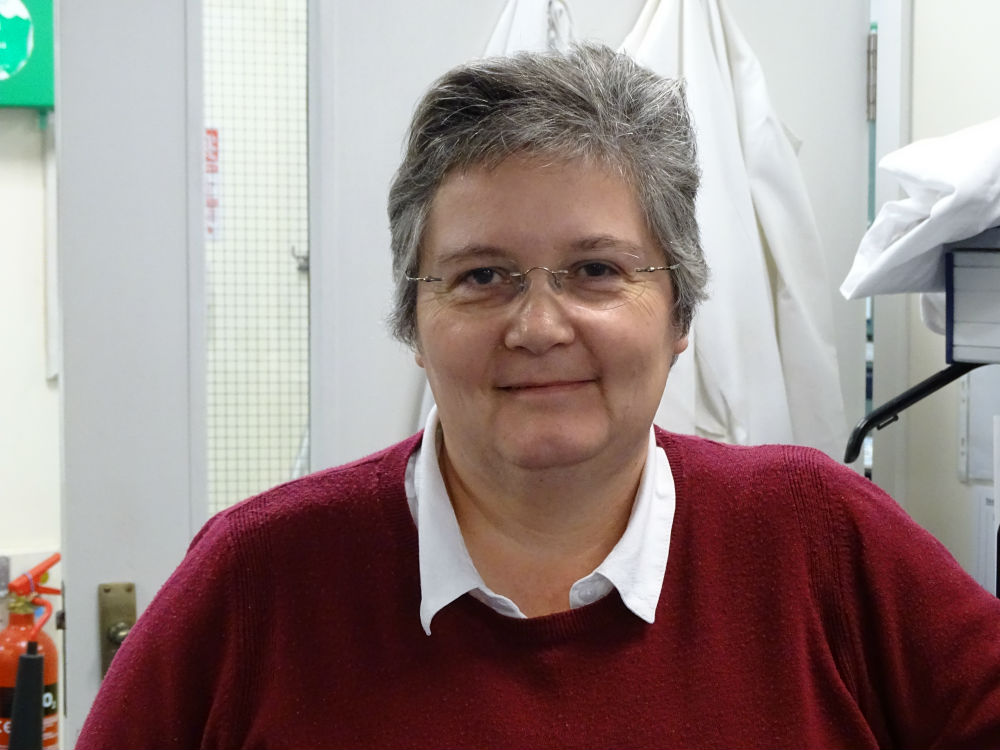
After completing a PhD at the University of Oxford, trying to find different ways to make biological tools for drug development, Catherine Ball moved into science policy, and in May 2015 she started her current role as Policy Analyst for the House of Lords Science and Technology Select Committee. Here she describes her transition from academia.

Click here to read about how Ball pursued science policy as a career.

Why did you decide to leave academia?

About two thirds of the way through my PhD I realised that academia wasn’t for me. I found it quite frustrating when things didn’t work in the lab and I struggled to cope with the fact that you could spend a whole day in the lab and be no further forward than you were when you started.

My area of research was also quite niche and theoretical, and sometimes it felt like research for research sake. I soon realised I was more interested in the broader context and implications of science. So, in 2013 I took up a role as Policy Advisor for the Biochemical Society and Society of Biology where I focused on antimicrobial resistance, equality & diversity, science policy in the devolved nations, open access and drug discovery.

What was the transition from academia to science policy like?

It was a big learning curve. It’s also about understanding the landscape, how policies are made, where scientific expertise feeds it and the best way for it to do so. I had little experience in this when I realised this would be a good career for me, so I made sure I got some before I finished my PhD.

What skills did you need to transfer?

Science communication was the main one. Lots of the work I did in terms of translating complex science and articulating it in a readily understandable and translatable way was useful. It’s all about taking complex science from experts and translating that to something anyone can readily read and use to make a key decision based on that. Continue reading

Equal opportunities: Women in science

Young scientists at the 2015 Lindau Nobel meeting discuss gender inequality in science, and where the ‘leaky pipeline’ is.

Laureate Ada Yonath was dismissed as a dreamer, until she did pioneering work on the structure of the ribosome. We ask why there are so few women Nobel laureates. Although there is a better gender balance in science today, the battle is not yet won.

The faculty series: Applying for a job

Postdocs take the plunge into faculty positions and share their experiences with Naturejobs.

Applying for any job can be a daunting and exhausting task, but it’s especially tough for postdocs looking to begin the step up into a tenure-track position. What really stuck Brain Kelch, an assistant professor of biology and molecular pharmacology at the University of Massachusetts (UMass), was how emotional the process was for him. “It was very confusing,” he says. “There’s this rollercoaster, with meteoric highs and crushing lows. I’ve never experienced anything like that.”

running a Growth

{credit}Thinkstock{/credit}

Whilst it’s tough, prospective candidates can do a lot to improve their chances when applying for positions. This could include demonstrating ability and willingness to contribute to the field and the department; publishing results and attracting financial support.

For Samantha Terry, who became a lecturer in radiation biology in September this year at the Centre for Doctoral Training (CDT) in medical imaging at King’s College London (KCL), landing a faculty position is all about being pro-active. “You need to show you can already do the job, before you get the job,” she says. For Terry, this meant doing as much teaching as she could in her postdoc positions, as well as setting up a committee of fellow postdocs to meet and provide support and assistance to each other, and to organize training and networking events. It also meant applying for travel and research grants, and filling her CV with as many accolades and details as she could. “It’s all about getting those boxes ticked,” she adds. Continue reading

Networking: How to make the most of professional societies

Like-minded individuals, networking and career advancement opportunities are just some of the things professional societies can offer, says Alaina G. Levine.

Guest contributor Alaina G. Levine

Network-societies-naturejobs-blog-small

Professional societies bring together like-minded people in a scientific discipline.

Although professionals may know about their own professional society, many people do not consider the wealth of career advancement, networking and self-promotion opportunities that they offer. Yes, they know about the conference and maybe they read the newsletter, but there is so much more that you can experience from being a member or simply demonstrating your interest in membership.

A professional society is typically a non-profit dedicated to advancing the profession and the professionals of a given discipline, field, industry or sector. (In fact, this is essentially the tagline of the American Statistical Association.) In science and engineering in particular, professional societies are often are founded with the original intent of bringing together like-minded individuals to discuss topics of interest and potential collaborations, and to provide a collective voice for policy, advocacy and even funding concerns. As they grow, these same societies strive to provide opportunities for professionals in the community to become involved in the governance of the societies as official, or paid, members. Continue reading

#SciData15: Research Data for Discovery: Prepare to Share

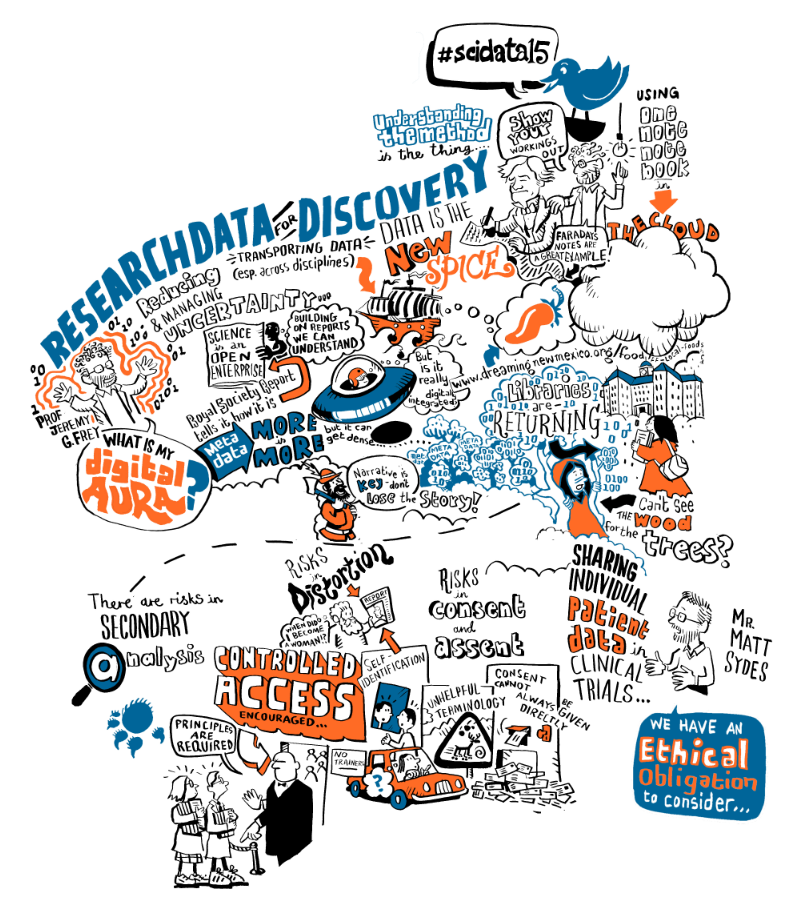
Speakers at #SciData15 advocated for a wider degree of awareness of the field of data science and the implementation of data sharing technologies.

Guest contributor Caroline Weight

naturejobs-blog-Scidata15-Research-Data-for-Discovery

{credit}Image credit: SCIENTIFIC DATA/LUDIC GROUP{/credit}

“We must engage in the idea of sharing,” said conference chair Iain Hrynaszkiewicz as the 2015 Publishing Better Science through Better Data meeting kicked off at the headquarters of Nature Publishing Group (NPG) in London on 23rd October.

Hrynaszkiewicz, who develops new areas of open research publishing and data policy within NPG/Macmillan, noted that 30 funding bodies — including the Engineering and Physical Sciences Research Council and The Royal Society — have written policies that outline requirements for data-sharing. Examples include detailed methods and protocols, microscopy images and mathematical workings, as well as meta-datasets of, for example, genotypes and microarrays.

The meeting’s aims were to increase awareness of ways to effectively share data and to discuss how to improve the efficiency, implementation and overall impact of sharing among the scientific community. A recurring issue throughout the day was how to enforce sharing, and get the concept to become part of standard, everyday scientific practice –one that seeps into the lives and habits of working researchers. Continue reading

The faculty series: An introduction

New faculty share their experiences on their transition in the first of a new series on being part of the academic elite.

Lab-naturejobs-blog

{credit} Getty Images \ Ryan Mcvay{/credit}

Being a member of a faculty means being a lot of things all at once, according to assistant professor Mike Lee, who became a member of the team at the School of Biomedical Sciences at the University of Massachusetts (UMass), Boston in late 2013. “It encompasses lab vision, grant writing, and the organisational tasks of your lab. You’re also your lab’s head postdoc, lab manager, technician and the EHS [Environmental Health and Safety] adviser. And you teach.”

Clearly, science has moved on from single-minded lab work: being university faculty today certainly doesn’t mean burying yourself in research and not having to worry about anything or anyone else. What really struck Brian Kelch, assistant professor of biochemistry & molecular pharmacology, also at UMass, when he started his faculty position in 2012, was how quickly he needed to adapt to the more personal side of the job. Continue reading