Failing to fail gracefully

Failure is hard, but keep trying, says John Tregoning (who should follow his own advice occasionally).

Guest contributor John Tregoning

Advice: easier to give than to follow

This time last year, I wrote ten strategies to improve mental health in academic life. I think they’re worth reading, if you haven’t already. You’d think that having given all this advice, I would have followed it, and maintained a Zen-like calm. Not so.
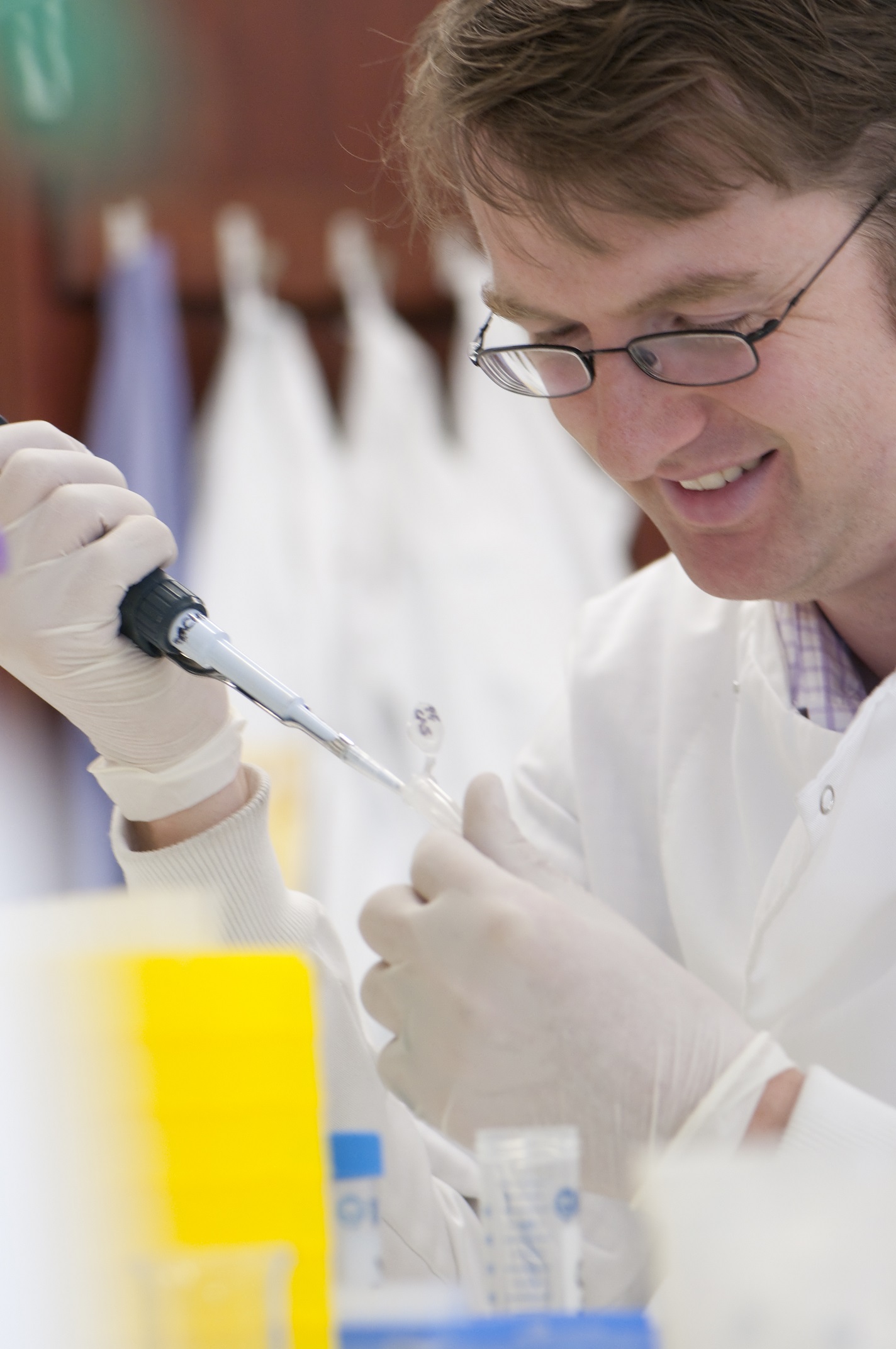
John Tregoning

John Tregoning

In the last year I have allowed failure (and the prospect of failure) to define my mood, compared my progress with researchers several leagues above me and found myself wanting, got too obsessed with work to appreciate anything else, taken on more than I can manage, unsuccessfully disguised my jealousy about colleagues’ success, taken criticism as a personal attack, and not spoken to anyone about what was going on in my head.

Whilst reflecting on my inability to follow my own advice, this year I wanted to come up with something that I could follow to improve my own mental health. Then I had (another) grant bounce and realised that, for me, the major contributor to mental health issues in academia is failure. Yes, failure is relative and, yes, there are clearly bigger problems in the world. But in that bitter moment of rejection it’s hard to step back and see that. Continue reading

Job interviews: Prepare for success from failure

You can learn as much from the bad interviews as you can from the good ones, says Simon Peyda.

Guest contributor Simon Peyda.

Science is all about trial-and-error, and job interviews were no different for me. My job hunt began in the spring of 2014. With graduation rapidly approaching, and without any curricular preparation, I had to learn along the way. I would inevitably make mistakes but, as it turns out, failure is a great teacher.


Continue reading

Careers in science: Celebrate the failures

The history and development of science is littered with failures, so early-career researchers should embrace, rather than be afraid of them.

Naturejobs-podcast“Success is advancing from failure to failure without loosing enthusiasm.” – Not said by either Winston Churchill or Abraham Lincoln.

“The things I remember best from college were the questions I got wrong on the exams.” – Kathryn Yatrakis, dean of academic affairs, Columbia College.

These are two of my favourite quotes from Stuart Firestein’s (professor of neuroscience at Columbia University, NY) new book, Failure: Why science is so successful.

Science’s history is littered with failures. Without them, science woudn’t have advanced to the point it’s at today. And yet a negative connotation goes hand-in-hand with it.

In this final Naturejobs podcast of 2015, I speak to Firestein about what failure in science means, what the negative connotations are, why they exist, why they impact young scientists and what they can do to overcome them.