Spotlight on Women in Science with Una Ryan

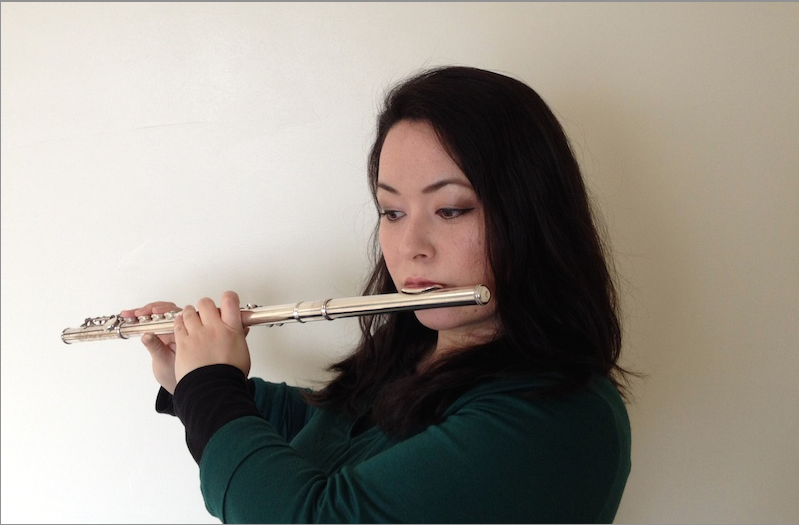
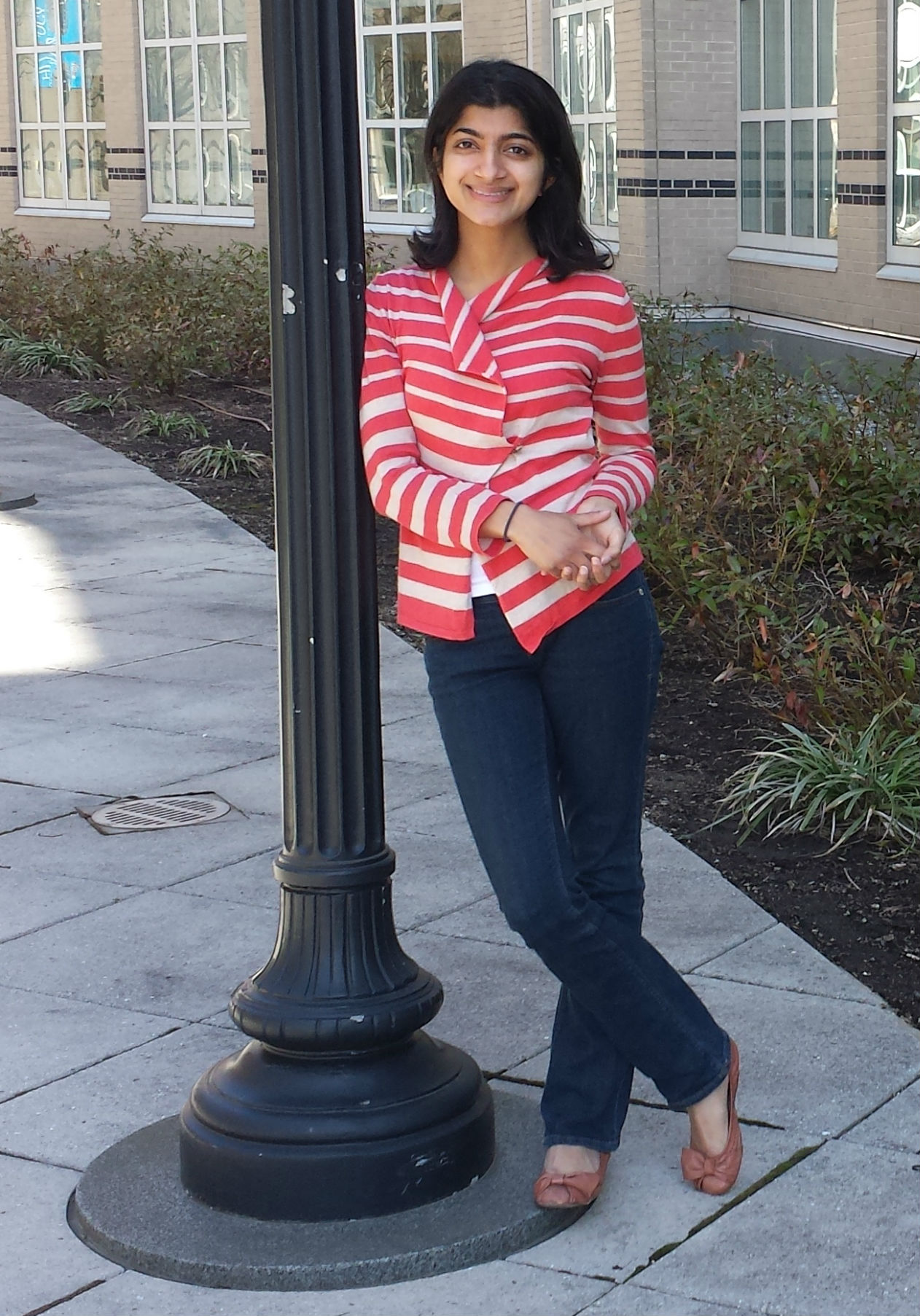
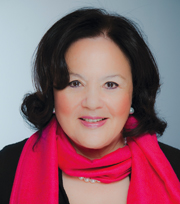
Una Ryan

Una Ryan

Naturejobs is celebrating Women in Science. Every day this week we’re interviewing an inspirational female scientist. Yesterday, we spoke to Roma Agrawal, structural engineer at WSP.

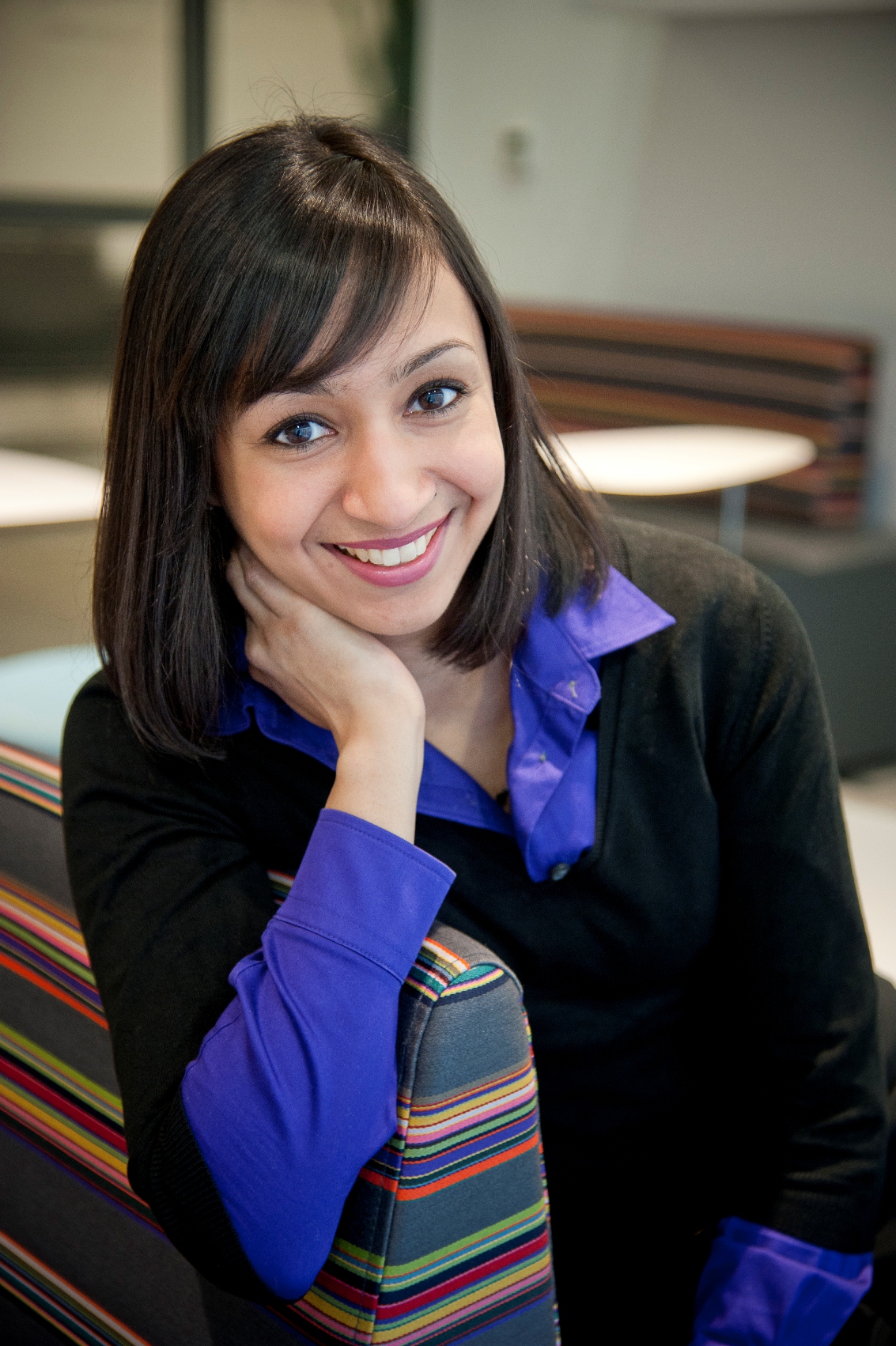
Today we’re in conversation with Una Ryan, the Chair of the Bay Area Bioeconomy Initiative and an angel investor in the San Francisco Bay Area. I met Una at a SynBioBeta event at Imperial College London in April this year, where she chaired an all-male panel on the venture capital climate in the Bay Area, and how it differs to that in the UK. Una was disappointed that the panel was comprised entirely of men, but noted that unfortunately there aren’t many female biotech venture capital investors to choose from.

This is something that Una is hoping to change. She invests a huge amount of time in young scientists—both male and female—to support them through their careers. I spoke to Una after her panel event to find out about how she became interested in science, and how she is hoping to inspire others.
Continue reading

What do research staff do next?

On this Naturejobs blog we’ve looked at quite a few things on moving from academia to industry: we spoke to Nessa Carey from Pfizer on her transition from academia to industry, we’ve written about transferable skills that are needed, we’ve been through our archives to find you some great reads on our Windback Wednesday round-up: From academia to industry. We’ve even looked at how to find your path when leaving the academic track.

But however much information we give you, or stories we bring you from those who have left academia to go on to do other things, we would like to know what YOU are doing now. How have you taken your transferable skills and used them in your new position? Why did you decide to leave academia? We want to understand why you leave, what tipping point led you to take the plunge? Was leaving academia a good or bad decision? All these insights could help future scientists who are currently trying to make this decision right now.

To figure this out, Naturejobs have joined forces with Vitae to try and find out what academic staff (postdocs, assistant professors etc) do when they leave the higher education sector.

By sharing your stories, adventures and experiences with us, you could help thousands of others in academia who are looking for advice on what to do next, and what options are available to them.

Some really exciting and diverse stories are already being shared:

Although this is a rather unique career path, you might find some inspiration from it. You can get involved with the discussions around this survey by following the #postacstory hash tag on Twitter.

To take part in the survey, just follow this link. If you know anyone who has left an academic career behind for one in industry, please consider passing this survey on to them.

Spotlight on Women in Science with Roma Agrawal

Roma-Agrawal

{credit}Credit: Nicola Evans, WSP {/credit}

Naturejobs is celebrating Women in Science. Every day this week we’re interviewing an inspirational woman in science. Yesterday, we spoke to Professor Frances Ashcroft.

Today, Naturejobs talks to Roma Agrawal, a physicist turned engineer, now working as a structural engineer at WSP Group. I went to visit her at the WSP Group offices, London, to find out more about her adventures in engineering and supporting young people in science, technology, engineering and maths (STEM) studies.

Roma decided to study physics because she loved maths and physics, there was nothing else to it. With some encouragement from teachers at school, she went off to university to study for a degree in physics. “It was really clear to me at the time that you could do a huge range of careers with physics, so it didn’t feel like I was limiting myself.”

But what to do after graduation took some thought. Roma didn’t find much inspiration at the university careers fairs, “you only had accountant, investment banks, and all these financial institutions coming in to these careers days. And I really wasn’t very interested by any of that.” After studying physics for such a long time, Roma wanted to use her degree skills in a practical way, rather than just head for the financial district. So she tried her hand in engineering by doing some work experience. “My role was very boring… however, I was surrounded by very, very inspirational engineers, and they gave me little bits and pieces to do, and I saw how it was all about problem solving. And that’s when the light bulb went off.”

Continue reading

How to prepare for a science careers fair: At the fair

_NJCE(Long)eps
You’ve done your before you go preparation and it’s the day of the careers fair. What now?

In Part 2 of this blog series, we provide more practical advice to ensure you get the most from the show.

1. The early bird catches the worm. As we mentioned in Part 1, a careers fair is like a series of mini interviews. As with any job interview you have, it’s paramount that you arrive on time. Things are a bit more flexible at a fair, but if you want time with the recruiters it’s best to get in early before the mad rush. This will also give you the chance to schedule some meetings for later on in the day if you think there is a need.

2. Be patient. If a recruiter you want to talk to is busy in conversation, go away and come back when you can see that they’re free. Lingering in the background can be annoying for everyone involved.  Continue reading

Spotlight on Women in Science with Professor Frances Ashcroft

Frances-Ashcroft

{credit}Robert Taylor{/credit}

Naturejobs is celebrating Women in Science. Every day this week we’re interviewing an inspirational woman in science.

There is an incredible on-going effort to reduce the barriers that women in STEM subjects face, but with these interviews, Naturejobs hopes to show that when you put your mind to it, and follow your passions, anything is achievable.

We’re starting the series with Frances Ashcroft, a professor of physiology, and fellow of Trinity College of the University of Oxford. She’s got an infectious attitude to both life and science, which you can hear in her voice in the podcast.

Frances Ashcroft has always been interested in science, ever since she was a little girl growing up in Dorset, UK. “I was just fascinated by the natural world: by the flowers, the birds and all the things that I saw around me. And I just asked lots of questions about them.”

This curiosity never faded, and after studying biology at A-levels, she went on the University of Cambridge to study natural sciences, focussing on zoology and the physiology of animals. This eventually led to her fascination in human physiology. “I simply loved being at Cambridge, because it was one of those places where it was OK to ask questions.  And questions are what I’ve always been interested in…. And the marvellous thing about Cambridge was that people were able to answer those questions, or to provoke more.”

Continue reading

Boston Career Expo journalist competition winner: Scott Chimileski

DCIM104GOPRO

{credit}Roberto Fernández Crespo {/credit}

Scott Chimileski is a PhD candidate in Genetics at the University of Connecticut. Scott studies biofilms, extracellular DNA, and gene transfer in extremophilic archaea. He is interested in all forms of interaction between microbes and promotes the field of social microbiology on his blog, Animalcule. He is passionate about photography and the connection between art and science. In the summer, Scott likes to backpack through remote wilderness with his sister Lindsay and brothers Andrew and Brock.

You are given a million dollars to launch your favourite scientific business idea. What is it, and what would you do with the money?

Imagine, an army of microbes, all on your side!

Do you brush your teeth after breakfast, lunch, and dinner? Floss? Mouthwash? The fact is, no matter how good your habits are, there are around six billion microorganisms living in your mouth, including hundreds of different species of bacteria and some archaea. These tiny but powerful cells stick together in communities called biofilms. Very few of them are harmful, after all they’ve been with us as long as we’ve been human. It’s not just your mouth, the entire Earth is managed by microbes.

Six-Billion Gum embraces the microbial community. Our approach is built upon cutting edge science from the Human Microbiome Project, but our motto is age-old: “if you can’t beat them, join them!” Six-Billion Gum is infused with prebiotic and probiotic factors designed not to kill all bacteria, but to enlist groups of microbes found in healthy mouths to fight against the bad guys–the ones that cause cavities or give you bad breath. Continue reading

Boston Career Expo journalist competition winner: Lynn Kimlicka

LynnLynn Kimlicka is a recent graduate of University of British Columbia with a PhD in Biochemistry and Molecular Biology. She engages broad audience in her blog Something About Science, where she hones her skills as a writer, while making science more accessible. She is also an enthusiastic multi-hobbyist, who enjoys photography, illustration, and music. 

A penguin walks through that door right now wearing a sombrero. What does he say and why is he here?

I was alone in a lounge, browsing through Naturejobs and brooding over my life-after-the-PhD, which basically boiled down to one word: Where?

That’s when, quite unexpectedly, a little penguin waddled through the door, clad in toy-sized, flower-print shirt and flip-flops, topped with a cheerful sombrero to finish off his look.

¡Hola! Kia ora, mate! That’s Spanish and Maori.” The small creature continued his monologue in my stunned silence. “Yep, I’m a Kiwi – and a Blue Penguin[*].” With his flippers, he pointed at his gray-blue plumage.

“What?” I finally managed. Continue reading

Boston Career Expo Journalist competition winner: Saheli Sadanand

saheli

{credit}Lesley Pasman {/credit}

Saheli Sadanand recently defended her Ph.D. in the Department of Immunobiology at Yale University. She has written extensively for both scientific and non-scientific audiences on everything from the necessity of vaccines to the value of science education. In her spare time, she enjoys spending time with her family and friends, travelling, reading history books (both factual and fictional), eating chocolate chip cookies and trying to convince everyone around her that dinosaurs were the greatest animals of all time. She recommends following the escapee penguin’s lead and checking out Buenos Aires if you get a chance. 

A penguin walks through that door right now wearing a sombrero. What does he say and why is he here?

I sat alone, with a cup of half-drunk tea, a chocolate chip cookie and a notepad next to me. I stared at the top of the notepad. I had written “The Future” in big capital letters and underlined the words a few times, hoping that this would help me figure out what I should do as I stared at the list of options below. The notepad was chockfull of information but instead of feeling decisive as I stared at “THE FUTURE,” I was just tired. The present wasn’t great, but the future seemed increasingly scary. What if everything went wrong again? Continue reading

How to prepare for a science careers fair: Before you go

_NJCE(Long)eps
You’ve bought your ticket to the 
Naturejobs Career Expo, which is only a short while away. Hurrah! (If you haven’t, and you can make the dates, you should definitely book a place—it’s going to be awesome.)

But how do you prepare for a science careers fair?It’s time to start planning. In this three part series we offer some practical advice to help you get the most out of the Expo. Part one: Before you go.

1. Swot up. You’ve received the conference information and accessed the website. Read it. Then read it again and make notes. Look up the conference speakers; research the organisations which are exhibiting. . In working through the list of exhibitors, identify those that offer careers which align with your professional goals. Have a look at their current vacancies. If you know that an institution or company is hiring, you can ask them about specific roles at the fair.

2. Prioritise. Now you know exactly who will be at the conference, make two lists: The A-List and the B-List. It’s unlikely you’ll have time to meet every employer so prioritise who you want to speak to the most. The A-List will be the organisations that you definitely want to make contact with, the companies that match your career needs. The B-List is for the companies that you think would be of interest, but aren’t directly related to your preferred career path. Continue reading

Boston Career Expo Journalist competition winner: Aliyah Weinstein

Aliyah Weinstein

{credit}Abigail Murray{/credit}

Aliyah Weinstein is an alumna of Rutgers University and is currently a first-year PhD student in immunology at the University of Pittsburgh.  Her scientific interests include cancer immunology and immunotherapy. Outside of science, she speaks French, volunteers with a Pittsburgh-based youth writing initiative, and enjoys baking.  She writes about life as a grad student on her blog, Isn’t That Grad! 

You are invited to travel back in time and ask anyone a question. Who would it be and why?

Grandpa, what was it like to be in the war? The second-to-last week of March, 2007, was when the question first crossed my mind.

I was sixteen then, a junior in high school, studying twentieth century U.S. history. We’d started learning about the 1950s, and were assigned a project on the Vietnam War. Any information I would need would be available either in our textbook or on the Internet, but I thought it would be neat to get some first-hand information to include in my report as well. Continue reading