Transferable skills: Beyond the bench

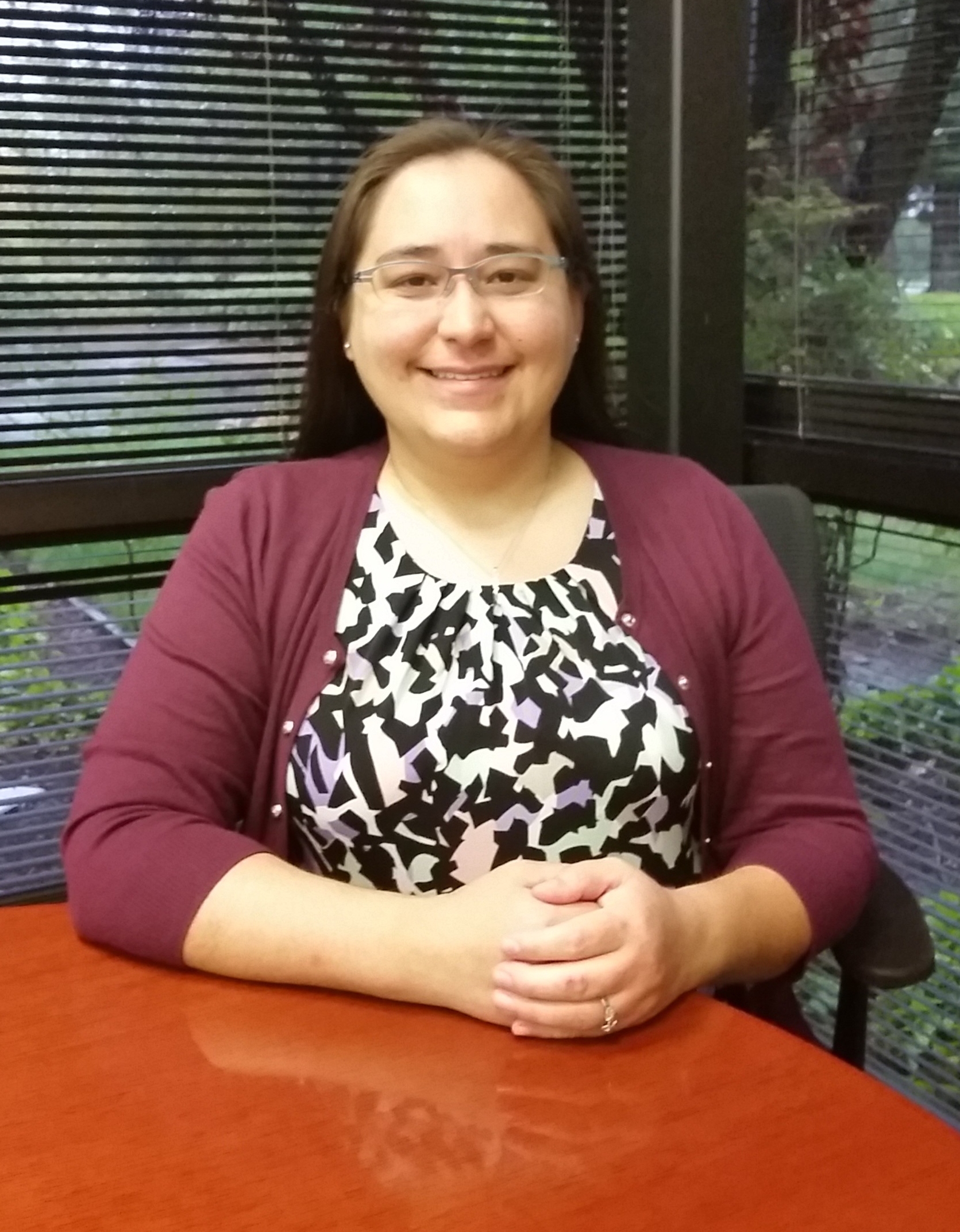
Based on personal experience, Nina Dudnik highlighted the lessons learned and transferable skills gained when moving from academia to beyond the bench at the 2015 Naturejobs Career Expo in Boston.

Contributor Diana Cai 

 Nina-dudnik-naturejobs-blog

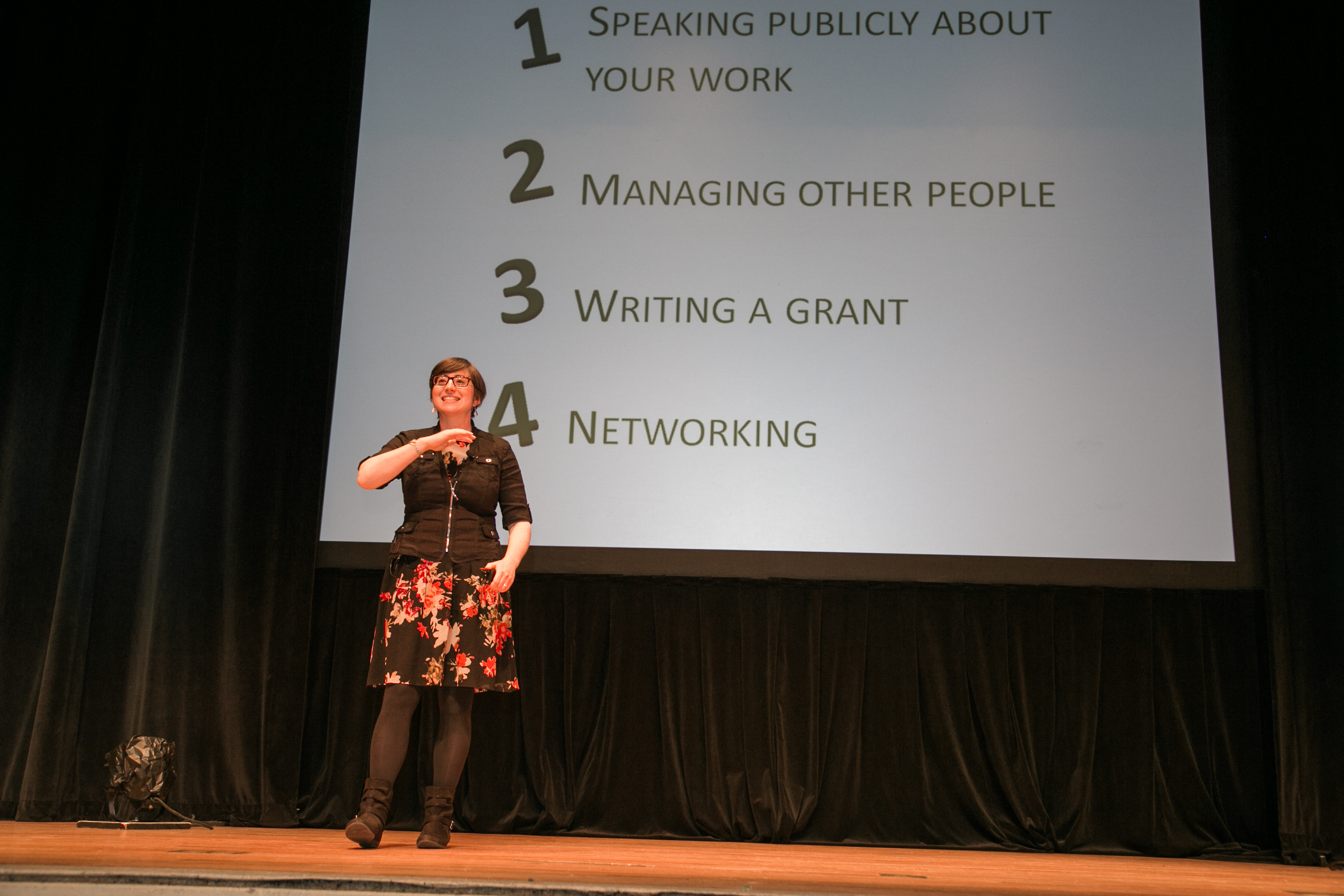
Nina Dudnik, CEO of Seeding Labs, shares her thoughts on transferable skills at the 2015 Naturejobs Career Expo in Boston.

As a teenager, Nina Dudnik, now CEO of not-for-profit Seeding Labs, was fascinated by agriculture and genetics. After graduating from Brown, she spent several years working with scientists in developing countries on agricultural development projects. This included spending a year in a rice research lab in Ivory Coast. There, Dudnik was struck not only by the innovative scientists she met but also by the sparseness of the lab. There was only one PCR machine, and scientists had to wash and reuse equipment like pipette tips. Other labs she visited in Africa were in similar conditions. When she returned to the US to begin a doctoral program at Harvard, a wealth of resources was available to her. Dudnik started using her spare time to collect unused lab equipment and send them to researchers in need of them. This was the beginning of her path to what is now Seeding Labs.

Reflecting on her journey, Dudnik scoffs at the idea that careers other than academia are considered “alternative”. Continue reading

In the classroom: The importance of secondary school science competitions

Science competitions in secondary school can inspire students and teachers alike, as Eric Plum, now a lecturer, and his former teacher Walter Stein explain.

Contributor Alberto Moscatelli

Nature-nanotechnologyA way to engage secondary school pupil’s interest in science is through science competitions. In our June issue, Eric Plum, now a lecturer at the University of Southampton, UK, teams up with his former school teacher Walter Stein and share his experience. For him this was the springboard for a career in science. But it is not just students who can gain valuable lessons from these competitions: Educators and established researchers have much to contribute and learn too. And as it was the case for the students and teachers of St. Michael-Gymnasium in Bad Münstereifel, Germany, a carefully though through and well-designed science project can get you to shake hands with a Nobel laureate.

Read Eric Plum and Walter Stein’s article, Inspired by competition, on the Nature Nano website for free.

#ScientistOnTheMove: May 2015

Setting up their first laboratory and starting out in science communication.
Josh-Silberg-naturejobs-blog

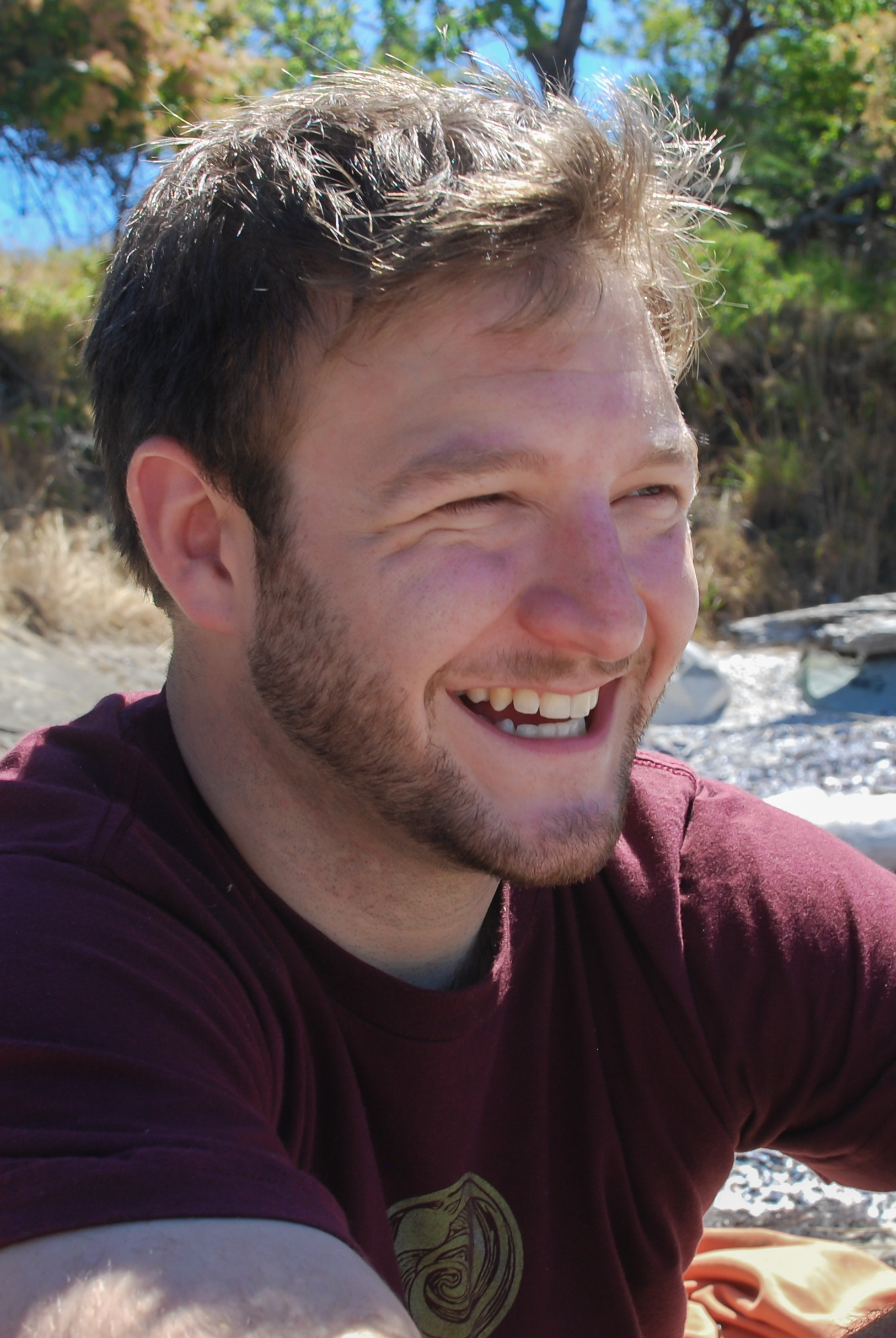
Josh Silberg{credit}Image credit: Caitlin Birdsall{/credit}

Josh Silberg was a master’s student in the School of Resource and Environmental Management (REM) at Simon Fraser University (SFU), where he studied the potential indirect effects of sea otter recovery on rocky reef fish. “In addition to my thesis research, I completed a university teaching and learning certificate, attended writing workshops, participated in a statistics support group, and so much more,” he says. “Many of these opportunities are only open to students, so I tried to take advantage and develop a diverse set of skills while in school.” Whilst at university, he did apply for a PhD programme, but upon being accepted, he decided to turn it down. “I had re-evaluated my situation. My difficult decision was exacerbated by an all-too-common issue among graduate students—depression.” With lots of support from his supervisor and peers, Silberg completed his MSc and gained valuable quantitative skills. Instead of a PhD, he has started working at the Hakai Institute as a science communications coordinator. Sharing the achievements and stories of Hakai researchers and students through social media and the new Hakai.org website “requires me to stay up-to-date on a diverse array of Hakai projects ranging from archaeology to oceanography to geology to ecology,” he says. “Through these people, I can help satiate my never-ending desire to know more about our natural world, and hopefully contribute some narratives of my own along the way.”The transition was relatively smooth for Silberg, because of the extra curricular activities he pursued whilst doing his MSc. “I helped design and maintain our lab website, presented at multiple scientific conferences, and got my first taste of social media for scientific purposes.” Although he wouldn’t rule out an opportunity to return to graduate school, ” I would have to consider why going back would help me achieve my long-term goals. I care less about the designation and more about the skills I could gain from going back to do a PhD.”
Samantha-Morris-naturejobs-blog

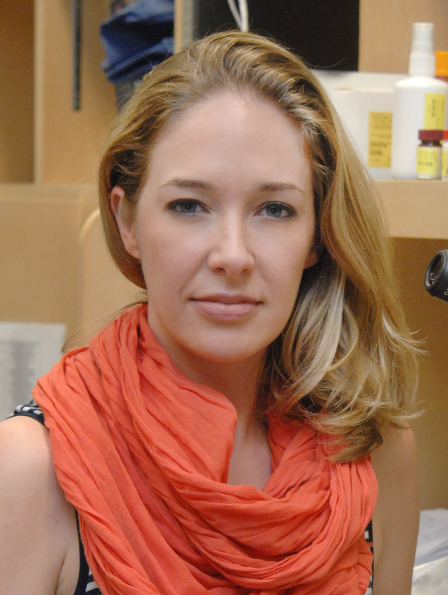
Samantha Morris{credit}Image credit: Kristin Johnson {/credit}

Samantha Morris was a postdoc in George Daley’s lab at Boston Children’s Hospital and Harvard Medical School, contributing to the development of a network biology platform, CellNet, to assess the equivalence of engineered cells to their in vivo targets. “After two postdocs over seven years I knew I was ready to lead my own group,” says Morris, so she decided to leave in August 2014. She attended a last-minute workshop at Harvard Medical School that would guide postdocs through the faculty application process in the US. “As soon at the afternoon was over I started looking for open positions, including on Naturejobs!” Putying together a research plan to carve out one’s own scientific identity can be daunting for a new PI. “I found that everyone I asked for advice offered different suggestions,” she says. “I ended up taking comfort in the fact that there wasn’t one right answer to anything, and this helped build my confidence to make the decisions to apply myself in the research areas I was most passionate about.” She is now an assistant professor in the Department of Genetics, and Department of Developmental Biology at Washington University School of Medicine at Saint Louis, USA, where she will continue working on directing cell fate using information gleaned from gene regulatory network analysis. “In searching for where to start my lab I applied for 33 faculty positions, had 15 interviews as a result which translated into negotiations at six different institutions.” But that emotional roller coaster wasn’t the most challenging part of the job transition. “From the moment I started [writing the research plan] I was absorbed by the transition to my new role and it’s almost impossible to balance postdoc work with the faculty search.”

Entrepreneurship: Testing your business hypotheses

Steve Blank explains the parallels between science and start-up companies.

Contributor Ada Yee

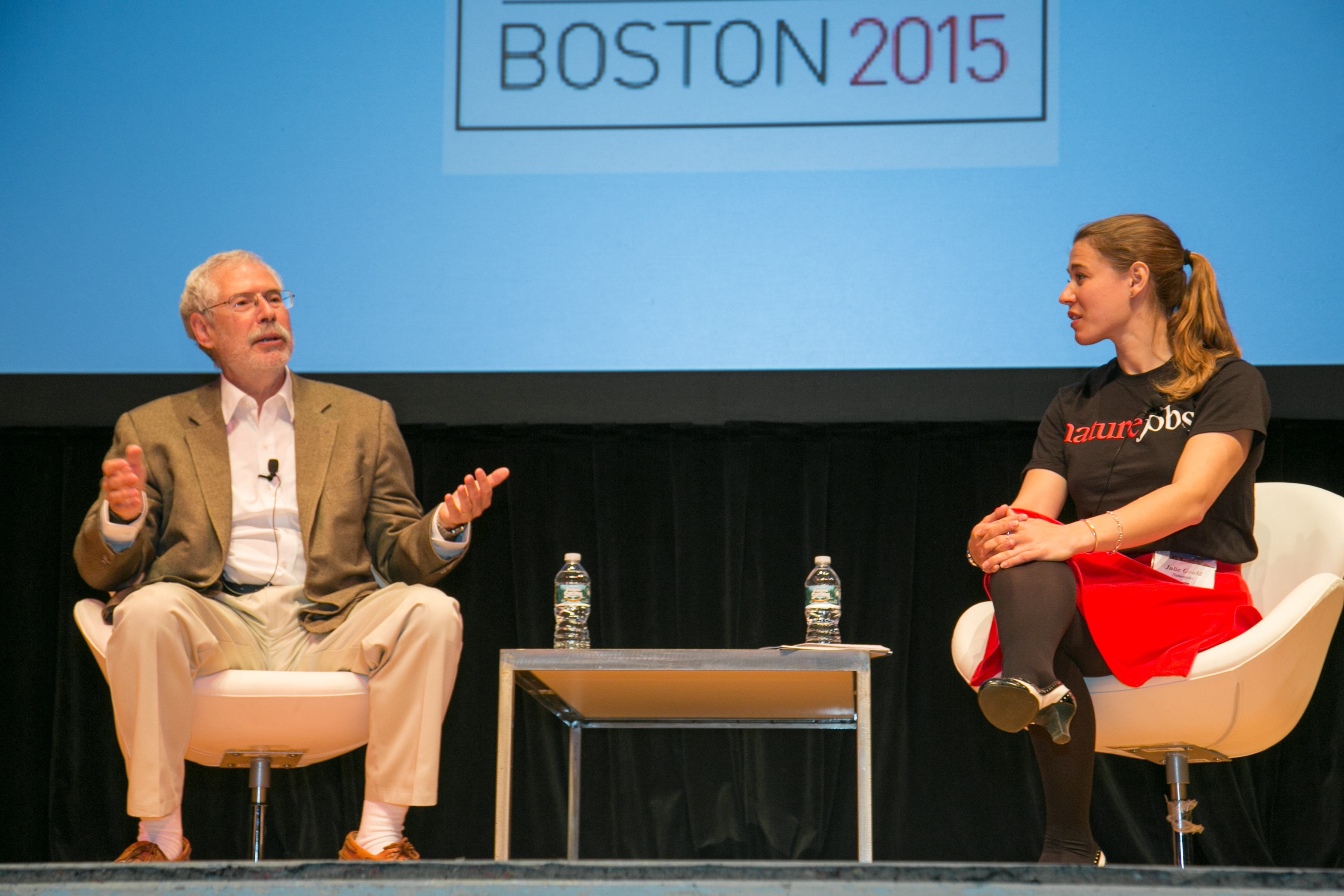
Steve-Blank-naturejobs-blog“Curiosity is what drives both entrepreneurs and scientists,” observed Steve Blank, a serial entrepreneur, author, blogger and educator based in California’s Silicon Valley. Blank’s comparison, made at the Naturejobs Career Expo 2015 in Boston, Massachusetts during a conversation with Naturejobs editor Julie Gould, was bolstered by the appearance of several scientist-entrepreneurs that day, including Professor Robert Langer and Nina Dudnik. Gould and Blank discussed how entrepreneurial and scientific attitudes converge — but also lessons academics entering the start-up world must learn.

Parallel paths

It was partly Blank’s role as an educator—he teaches courses at Stanford, UC Berkeley, and Columbia among others—that helped him realize how the scientific process could be used to build businesses more efficiently. He began dissecting what distinguished “visionary” companies from the “98% that were hallucinating”. Continue reading

Public speaking: The elevator pitch

Understand your audience and tailor your message accordingly when planning a 2-minute speech.

Every Thursday morning my alarm goes off at 6am. I get up, shower and dress in a sleepy daze before cycling over to Covent Garden in central London, UK. Instead of a cup much-needed coffee to wake me up, I do some public speaking. It’s the best morning wake up you’ll ever get.

A few years ago I joined Toastmasters, an international group of public speakers that help each other develop their speaking skills. It’s a group that feeds on evaluations; every Thursday morning all speakers at our club (Early Bird Speakers) are evaluated so that everyone can learn from someone else’s performance. In April I was tasked with a two-minute elevator pitch, addressing and inspiring the UK’s brightest A-level students. Here’s what I told them:

https://youtu.be/Ib4No3zOMjg

I’m not sure whether this would have inspired the nation’s A-level students, but it inspired me to think about how to properly prepare an elevator pitch and how they benefit scientists. With some effort, scientists and researchers can compose an elevator speech to sell their science to a classroom full of 6 year olds, a neighbour, a potential employer or a politician. Continue reading

Finding job satisfaction in regulatory affairs

Leslie Cruz describes how she landed her first permanent position, and why it makes her happier than work at the bench.

LeslieAnnCruz-naturejobs-blog

{credit}Image credit: Sarah Goertzen{/credit}

After completing a PhD at the University of California, San Francisco and a postdoc at Stanford University, Leslie Cruz found job satisfaction in regulatory affairs. Here she describes how she chose this track, and got the training and connections to land her first position.

Click here to read about how Cruz drew on experiences to recognize that regulatory affairs was a good fit.

You credit your postdoc advisor for directing you to career services to find opportunities outside a research lab.

She helped me realize that being happy while working was very important. This was something that I had struggled with. It is important to find a mentor who is supportive of your decision to transition out of the lab.  And to be truly honest, I encountered people who weren’t honest. I would ask people ‘are you happy with what you do’? And they couldn’t answer me. One should be happy in what they are doing. I feel that now.

I didn’t want to leave science. I love science. That’s who I am, but you don’t have to be a professor or a research scientist to use your science education. Continue reading

Career paths: Challenging convention

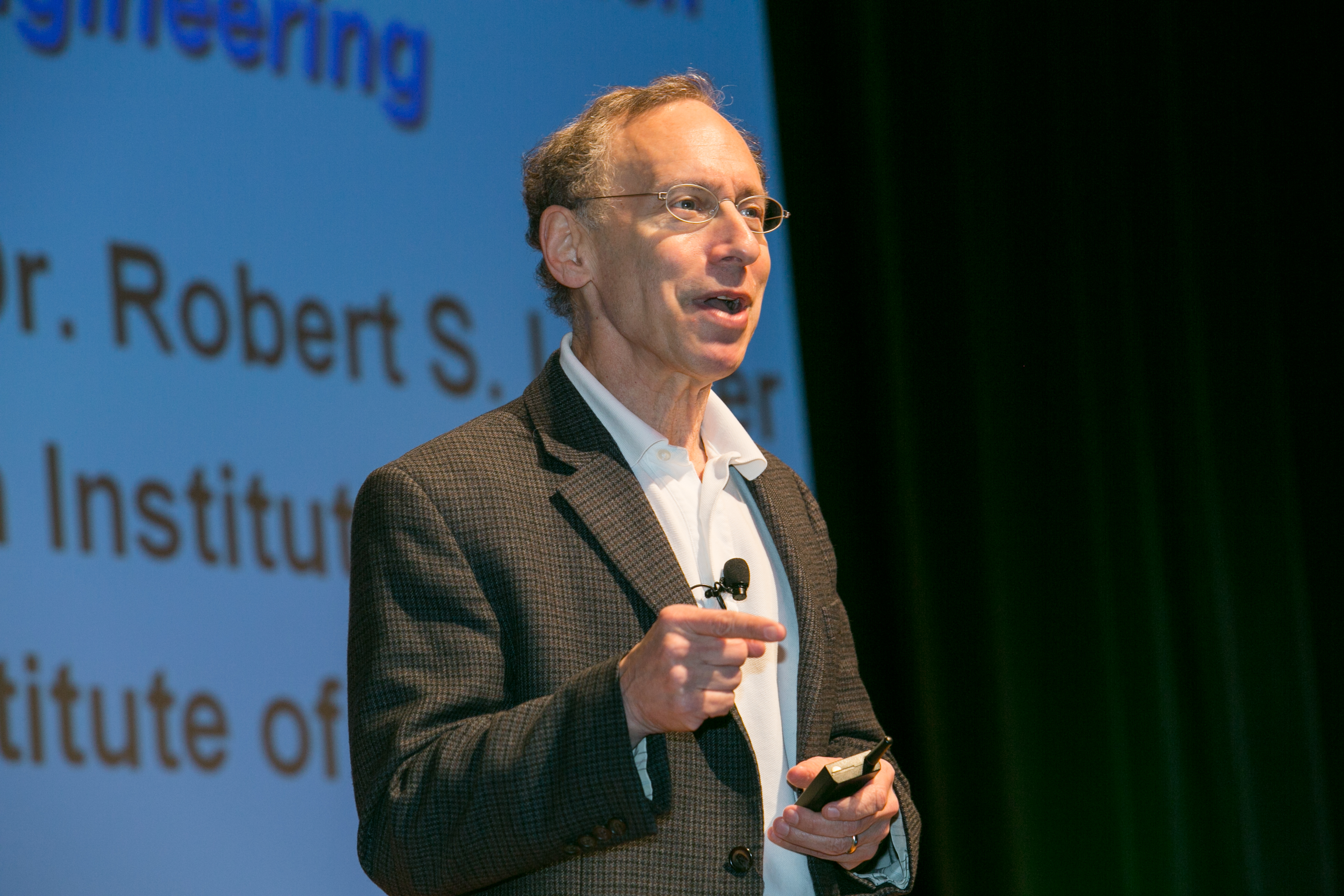
Professor Robert Langer, the 2015 Naturejobs Career Expo keynote speaker in Boston, shares the challenges he faced when becoming an academic entrepreneur.

Contributor Diana Cai 

Robert-Langer-naturejobs-blog

Robert Langer, David H. Koch Institute Professor at MIT and Keynote speaker at the 2015 Naturejobs Career Expo in Boston.

Robert Langer began by telling the audience about how, upon receiving his graduate degree in chemical engineering from MIT in 1974, he had job offers from 20 oil companies. “It’s not like I was that great or anything,” Langer says. He goes on to explain that the previous year had ended on a bad note for the oil market: the price of oil quadrupled in the span of four months, from $2.67 a barrel in October 1973 to $11.65 a barrel in January 1974. As a result, job opportunities for chemical engineers skyrocketed. He was ready to follow this path, until one of the engineers at a company said to him, “If you could just increase the yield of this one chemical by 0.1%, that would be wonderful!” Feeling uninspired and unable to contribute to society in that line of work, Langer decided to look for other options.

After applying to teaching positions at more than 40 colleges and failing to hear back from any of them, he asked himself, “How else can I use my chemical engineering education to help people? And I thought about medicine.” Langer eventually entered the laboratory of Judah Folkman, a professor at Harvard Medical School. Folkman was interested in angiogenesis, the process by which new blood vessels are formed. He had found that tumour growth is dependent on angiogenesis and postulated that inhibiting angiogenesis might be a way to halt tumour growth. Continue reading