Employment rights in post-Brexit Britain

As the UK prepares to trigger Article 50, signalling its departure from the EU, opponents of Brexit worry that that employment rights will be eroded and the UK will become a less welcoming place, particularly for LGBT people.
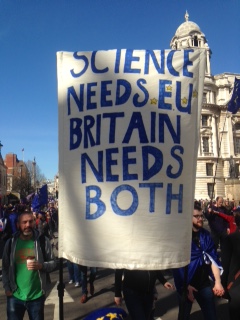
sciencebrexit

A placard waved at the anti-Brexit demonstration, held in London on March 25 2017.

“Rule Britannia, Britannia rules the waves, First we’ll kick the Poles out, Then we’ll get the gays.”

Liberal democrat peer Liz Barker reminded a business summit on LGBT rights last week that the above chant was heard in London the day after the EU referendum in June 2016, and that in the three months following there was a 147% increase in reported homophobic crimes.

“Among the very many half-truths bandied about during the [referendum] campaign, the idea that the EU played very little or no parts in gaining rights in this country was most egregious,” she told The Economist’s Pride and Prejudice event, held in London, Hong Kong and New York on 23 March. Continue reading
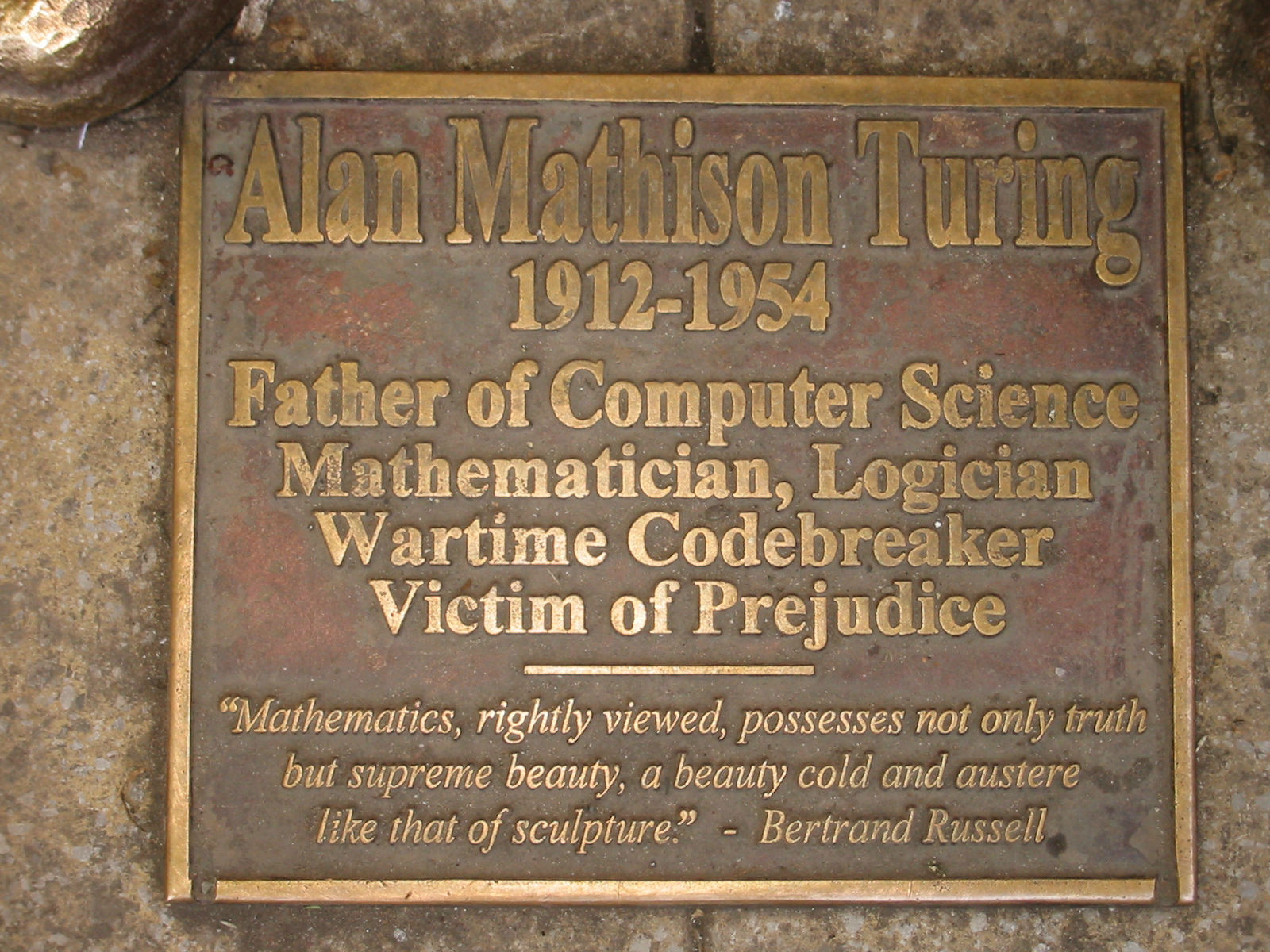
The Alan Turing law

In 2012, on the 100th anniversary of his birth, Nature marked wartime code-breaker Alan Turing’s wider legacy.

The collection of features and opinion articles, along with an accompanying podcast, acknowledged that in his tragically short life, Turing — whilst working on a machine that would crack Nazi codes and become the modern day computer — shaped many of the hottest fields in science today, including artificial intelligence, biological pattern formation, and computation in physics.

Turing’s suicide came in 1954, two years after his prosecution for gross indecency related to his homosexuality, which was then illegal in England. Turing had divulged to police investigating a burglary at his home that he was in a same sex relationship, and after pleading guilty was given a 12-month course of diethylstilbestrol injections, a synthetic oestrogen which rendered him impotent and caused gynaecomastia. The alternative, prison, would have meant he could no longer work on his ground-breaking mathematical theories. He was posthumously pardoned in 2013.

Sackville_Park_Turing_plaque-smaller Continue reading