How to fix your separation anxiety

Navigate your career as a woman scientist at the right pace to avoid physical and psychological burnout, says Komal Atta

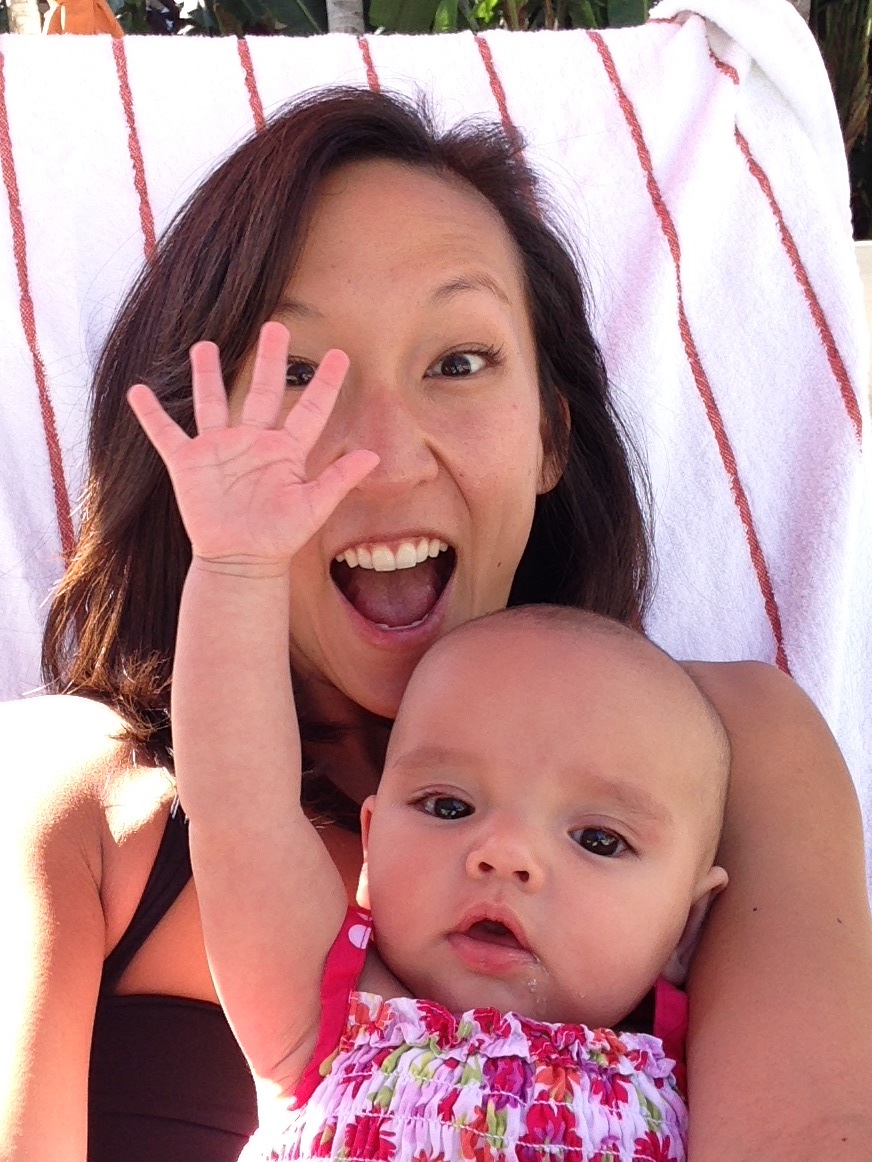
I write this as I wait outside my toddler’s summer preschool. It’s the same routine every day — I drop her, she wails, I leave. Later, the teacher reassures me that she’s completely fine as soon as I’m gone.

Lab coats and mouth mask at coat hook

This is classic separation anxiety. I am overcome by guilt. Continue reading

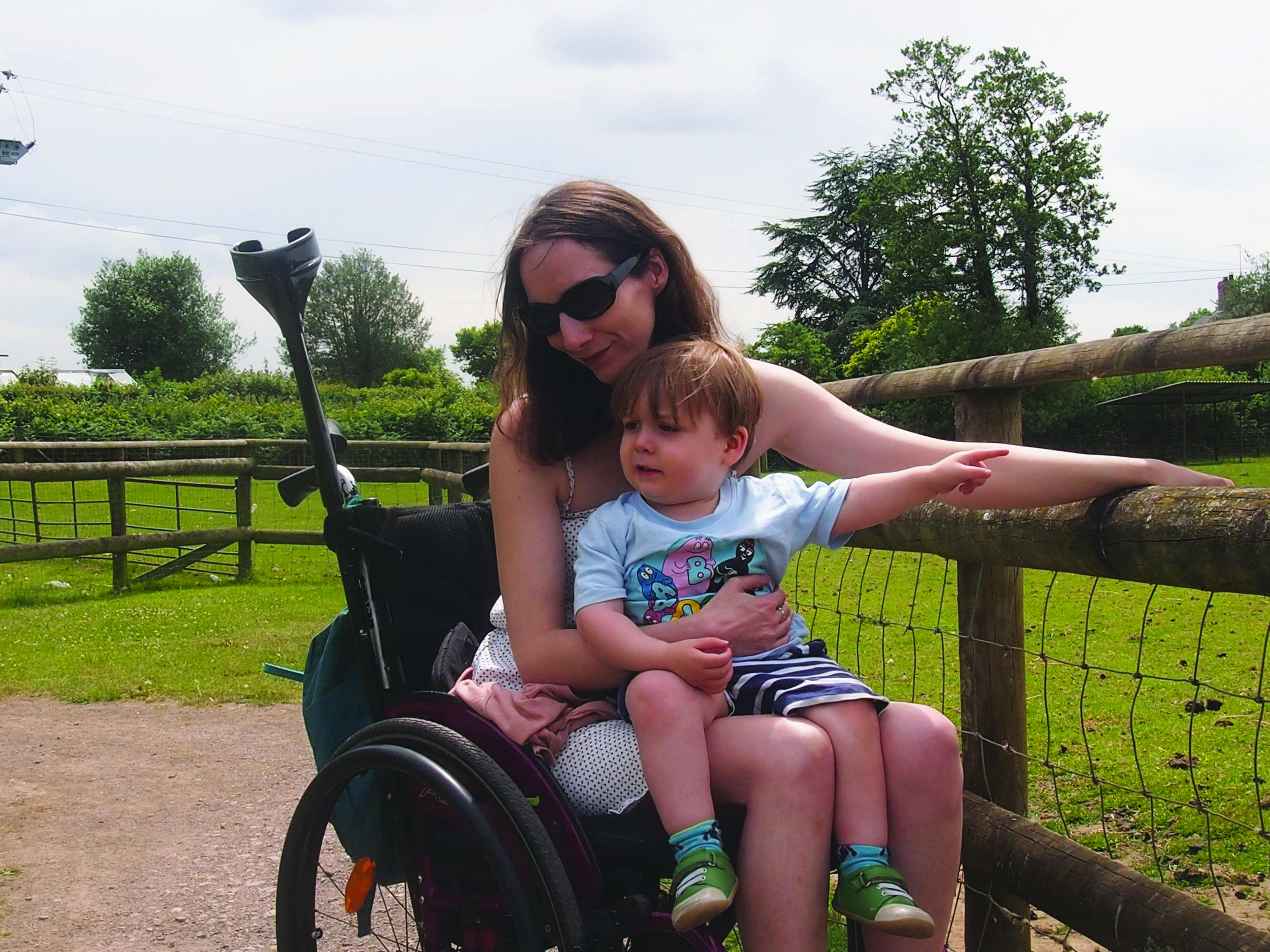
Juggling science and motherhood

Balancing life inside and outside the lab is not always easy, but it’s possible to be a parent, a carer, #AndAScientist, says Seralynne Vann.

Guest contributor Seralynne Vann.


I have always had a love of science and always knew I wanted to be a mother. I’ve managed to combine a career in neuroscience with motherhood although at a numerous points over the years I questioned whether I would be able to have either, let alone both.

{credit}Seralynne Vann{/credit}


Continue reading

How to control your career as a female physicist

Don’t let having a family restrict your future career goals, says Emma Chapman.

Guest contributor Emma Chapman

In November 2015, I gave a talk at the Institute of Physics’ “How to Control your Career as a Female Physicist” event for PhD students. After the talk, an attendee said she welled up hearing me recount my choice to have a child during my PhD. For this attendee, I was the first person to tell her she didn’t have to choose between a career she loved and the family she wanted to have soon. I remember that feeling.Illustration of a dome telescope in an observatory, and the planets in the sky. Space. Astronomy.

Continue reading

A postgraduate degree and two children: it’s possible

Five tips on completing a post graduate degree from a mother who took on a PhD after staying at home for 6 years.

Contributor Anne Priestly

childcareTo be honest, I wasn’t 100% sure getting a PhD was the right choice for me. I still wasn’t quite sure what I wanted to do for a career. But then the opportunity came along that gave me the chance to pursue a postgraduate degree in biology and I couldn’t pass it up.

I was 30 years old and I already held a master’s degree in environmental science. I also had two wonderful kids and was fully involved in raising them.

My youngest child had started primary school a few weeks before and there I was at an induction session for new postgraduates. That’s right, starting a PhD when I was already busy (and sometimes overwhelmed) raising a family. I had been an at-home mom for almost six years and it felt strange to be standing there with a bunch of students fresh out of university. But it also felt like it was the right time for me to take some steps to reach my own career goals. Continue reading

Motherhood and science

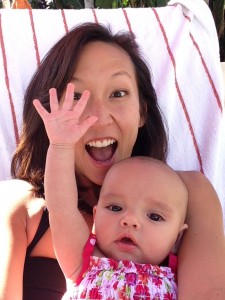
Kay and Keeva at SFN

Kay and Keeva at SFN{credit}Courtesy Kay Tye{/credit}

Dr Kay Tye, from the Picower Institute for Learning and Memory at the Massachusetts Institute of Technology (MIT) in Cambridge, recently had a baby. Keeva is now 10 months old, and has been to the lab, on multiple trips around the world, and even gets a photo in Nature before her first birthday. In March 2013, Kay featured alongside other fantastic female scientists in the Nature article: From the frontline: 30 something science. At the time, Kay was 5 months pregnant, and was just beginning to dial down her work levels to prepare for her daughter. I caught up with her, just over a year later, to see whether her opinions on having a child whilst being a scientist had changed.

What response did you get from the article in Nature?

I got mixed responses from both ends of the spectrum.  Some people really liked that I wasn’t afraid to admit I have other interests besides science, others were critical of the “one can have it all” attitude.  Specifically, I was criticised for being “dismissive” of the amount of work parenthood entails. Some said that it would have been more appropriate to feature someone who already had children.

I have always wanted to be a mother, and have always looked up to women with successful careers and families, and never intended for my comments to come off as dismissive in any way.  I always worried about if I would be able to make it work, and tried to focus on my mentors and role-models (including my mom, my PhD advisor, and other leaders in my field) who have had successful careers and happy families. Continue reading