The challenges and lessons from setting up a business

Setting up a business can help scientists develop skills in marketing, sales, communication and more.

Lysimachos-zografos-naturejobs-blog

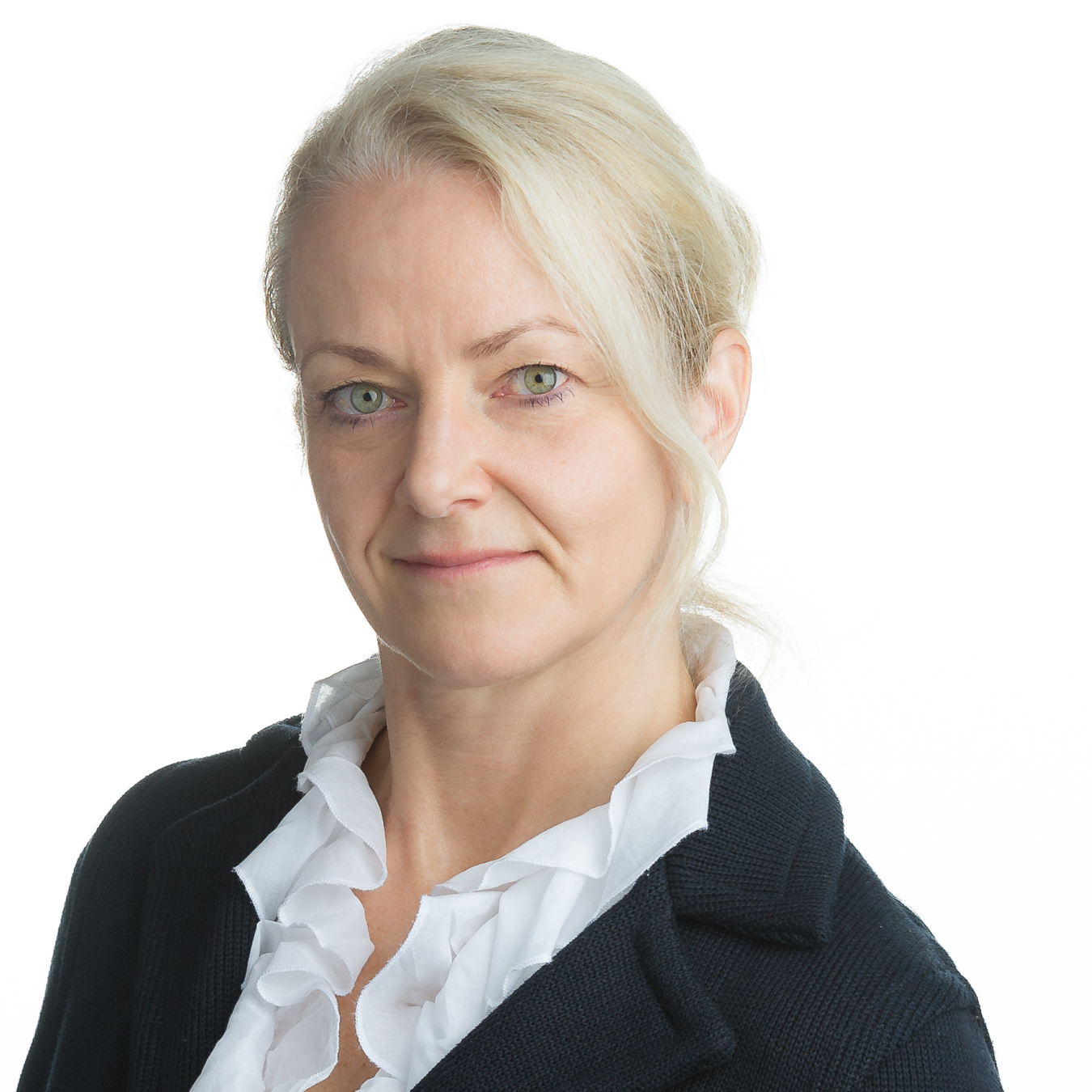
Lysimachos Zografos {credit}Image credit: Malcolm Cochrane Photography{/credit}

Lysimachos Zografos took his career into his own hands: rather than struggling in academia against a lot of competition and diminishing funds, he set up his own business, Parkure. I spoke to him whilst I was up in Edinburgh earlier this month to find out more.

What is Parkure?

Parkure is a for-profit company focused solely on discovering drugs that will halt the progression of Parkinson’s disease (PD). To do this we have developed a primary assay based on transgenic fruit flies that express a protein that is responsible for the initiation and propagation of PD in the brain. Rather than serendipitous discovery, we look for things that might work in repurposed drugs.

Why did you start Parkure?

There were two reasons:  one was a penny-drop moment when I realised this could be a way that I could take the research that I had been working on for a while, and potentially see applicable results that could benefit people.

The second reason was that of the PhD students that I was surrounded by (many of which are my friends); less and less of them have a job with at least a 5-year contract. With that in mind, I thought that if I was going to be in a risky position, I wanted to be in charge of it, rather than someone else.

How are you funding Parkure?

We’re currently doing a crowd-funding campaign on SharIn – it’s an equity crowd-funding campaign that gives people a share of the company in return for their investment. We specifically chose equity crowd-funding because even though we’re a for-profit company, we want to share whatever we make from this.

The minimum goal is £10000, and the maximum goal is £150000. We are currently (9 January 2015) at £50k, with the deadline on 20 February 2015. The money that we are raising now is going to be enough to help us obtain market traction to help us raise £1.5-£2million to do a full-scale screen of 50k compounds and keep the company running.

In crowd-funding statistics, we’re there, but its’ hard to believe. Your brain thinks about these things in a very linear fashion. So every day you feel you should get a pledge of £1500 to reach your goal by your deadline. But that’s not how it works; you usually get pledges in chunks and periods where nothing happens. Continue reading
Naturejobs Career Expo keynote speaker wins top engineering prize.

MIT’s Professor Robert Langer, biomedical engineer and serial entrepreneur, is this year’s sole winner of the £1m Queen Elizabeth Engineering Prize.

Professor Langer, who runs the 100-strong Langer Lab at MIT, told the Financial Times that “it is a great honour to win what is by far the biggest engineering award in the world.”

His research led to the development of drug delivery designs that would allow drugs to be released in the body over an extended period of time. His polymers were designed with long, water-filled channels that allow large molecules to gradually pass. This has specific possibilities for drugs that target conditions like cancer, mental illness and diabetes.

The prize, awarded to engineers from all over the world whose research has affected millions, if not billions of lives, is part of a UK initiative to promote engineering on a global scale, and is thought to be the equivalent of a Nobel. The 2013 award was shared by 5 people who were involved in the invention of the internet, including Sir Tim Berners-Lee. Continue reading

How to work with a scientific recruiter

Recruiters should be considered as business partners, not as mentors or advisors, says Tina Persson.

Tina-Persson-Naturejobs-blog

Tina Persson{credit}image credit: Andy Foster{/credit}

Tina Persson, based in Sweden, worked as recruiter and talent sourcer for 7 years, connecting scientists with industry employers, specifically in life sciences and IT sectors. Having experienced life as an academic (Professor at Lundt University until 2006), she is perfectly placed to understand what academics want, and how she can help them. In this interview I asked Tina if she could tell us a little more about what a recruiter is, how academics can work with one and how they can benefit from the relationships that form.

Tell us a little bit about your background as a recruiter.

I started my career as recruiter after leaving academia, where I had been an Assistant Professor in the faculty of chemistry, and the move was seen by many of my fellow academics as a failure. My first year as recruiter was a mental struggle, because of this feeling of failure, but I got through it with the thought that as an academic recruiter outside of academia, I could support more academics in their career development, compared to being a Professor.

As recruiter I quickly realised I was so much more than just a scientist! I could transform most of the soft and technical skills (analytical thinking, being self-driven, hard-working, ambitious, goal oriented, used to dead-lines, coordination experience, project management and trained in computer tools) that I had picked up in academia into useful skills. I did find that I was missing a few of important skills like team management, business-mind-set, sharing attitude, working with a blend of people with no academic background amongst others. But these were simple to learn on the job. Continue reading

From Scotland to Brazil: Making the decision (twice)

This is the first of a series of posts by Gina Maffey on the challenges, opportunities and difficulties faced by an academic couple moving abroad.

Contributor Gina Maffey

Sanderlings-gina-maffey-naturejobs-blog-small

{credit}Image credit: Gina Maffey{/credit}

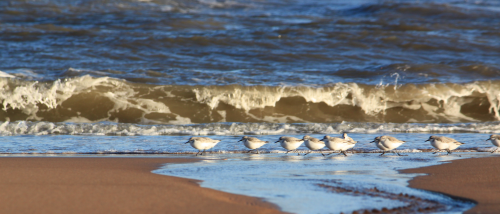
It had been two months since I’d finished the PhD, and the wind was coming straight off the sea up on to the dunes. My husband and I were sat huddled in the frosty dune grass watching sanderlings scoot along the shoreline below, while we listened to the curlews in the fields behind.

Aberdeenshire had become our home. We loved the landscape, the people, our work and our lifestyle. Yet, once again one of us turned to the other and asked:

“Do you think we should move?”

We’d been discussing it for years; pie in the sky dreaming of where we could go once my PhD was finished. We were at a point where moving would be relatively easy, we had no mortgage, no children and a lot of energy. But, all the while we’d been settling into a comfortable rhythm of normality.

We’d weighed it up. On the one hand we were perfectly happy where we were. We could pursue funding for projects in our area, continue to build on the research we’d started in Aberdeen and nurture the networks that were beginning to grow. Or, we could look for something completely different, geographically speaking, and indulge our pie-in-the-sky dreams. We convinced ourselves that if we didn’t act now it might not happen, and agreed that whoever found something first would take the lead.

Shortly after our discussion on the beach my husband went for coffee with a colleague, who asked:

“Would you be interested in working in Brazil?” Continue reading