#ScientistOnTheMove in January 2015

From academia to medical writing, editing, policy, further research and a swap from communications to a PhD in later life.

In 2015, Naturejobs is celebrating mobility in science, where researchers are changing labs, moving countries or transitioning into something completely different. In January 2014, all of these things hapenned. Below, we’ve selected just a handful of job changes to give you a flavour of the variety of things you can do with a science degree.
viviane-callier-naturejobs-blog

Viviane Callier

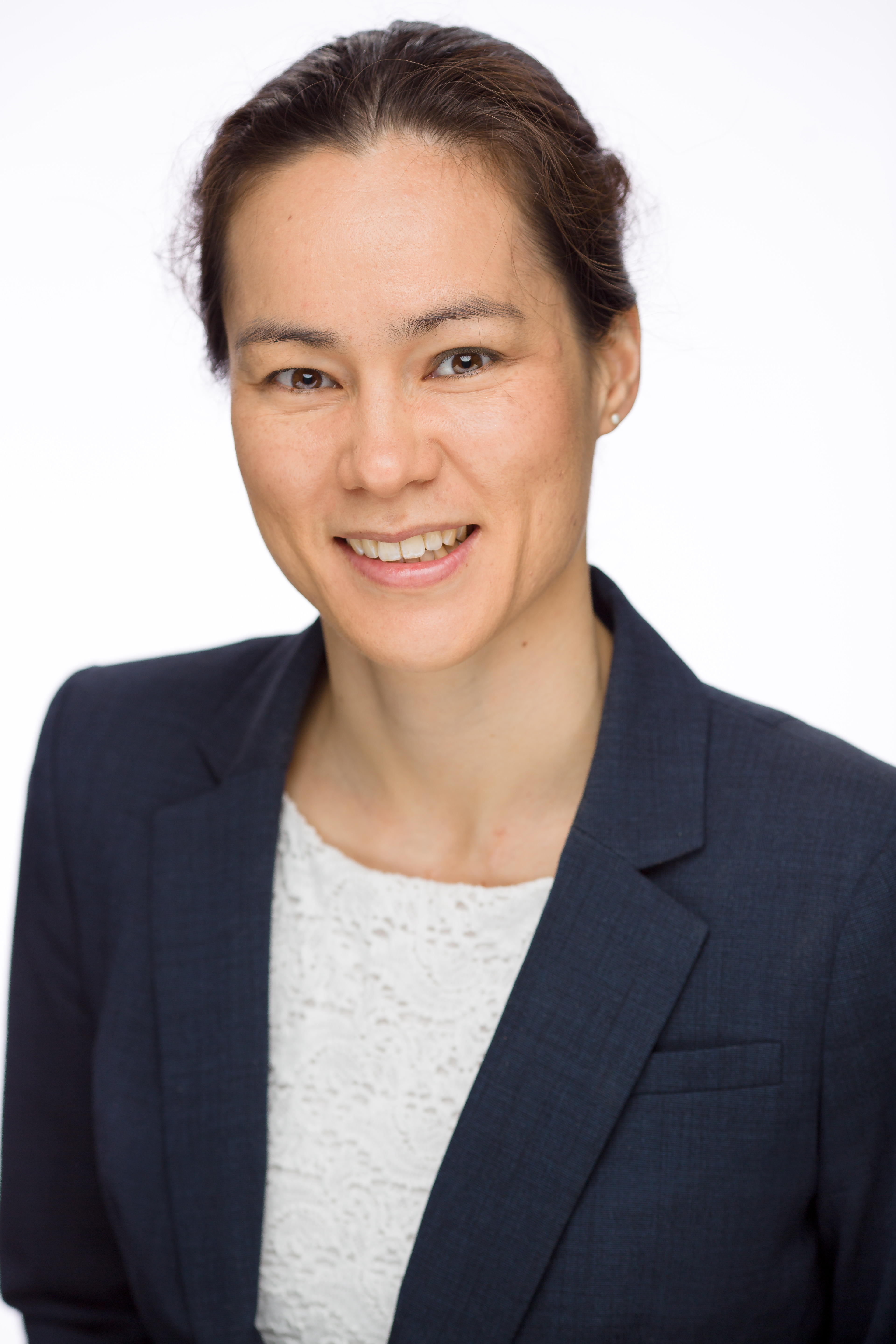
Viviane Callier was a postdoctoral fellow from 2011-2013. In late 2013, she transitioned to a technical writing position for a consulting company in the Washington DC area. In her new role as a Scientific Communications Editor at the National Cancer Institute, which she started in January 2015, her main challenges are the more frequent and stricter deadlines. But during the transition, it was the leap into the unknown, leaving friends behind and feeling like “I had to start all over from scratch,” that were the three biggest challenges.


Lucy-Craggs-naturejobs-blog

Lucy Craggs

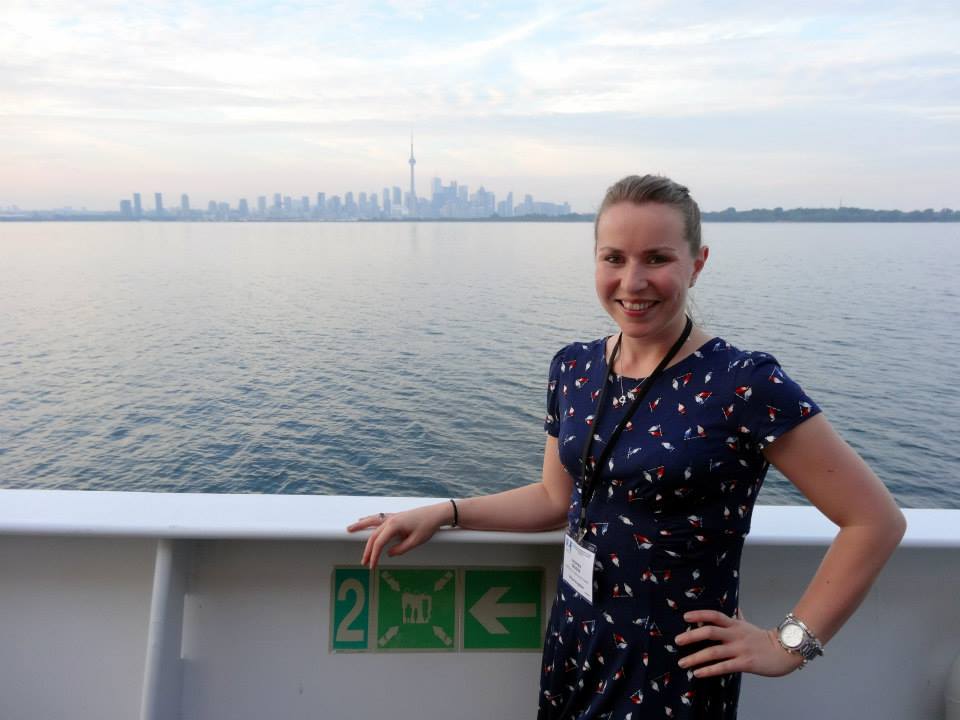
Lucy Craggs held a postdoctoral research at the University of Newcastle, where she was working in the field of neuroscience. The decision to leave academia was difficult, but difficult supervisory relationships, feeling undervalued and realising that if she wanted to stay in academia she would need to relocate, meant that it was the right thing to do. In January 2015 she started working as a medical writer for MediTech Media, part of the Nucleus Group of companies, focussing on the communication of the drug discovery process.
Continue reading
Most read on Naturejobs: December 2014

So far, in December 2014, you’ve done a lot of reading and writing! We want to thank our wonderful contributors this month: Shimi Rii and Frances Saunders. Thank you both very much.

Here are the 5 most popular posts from this month.

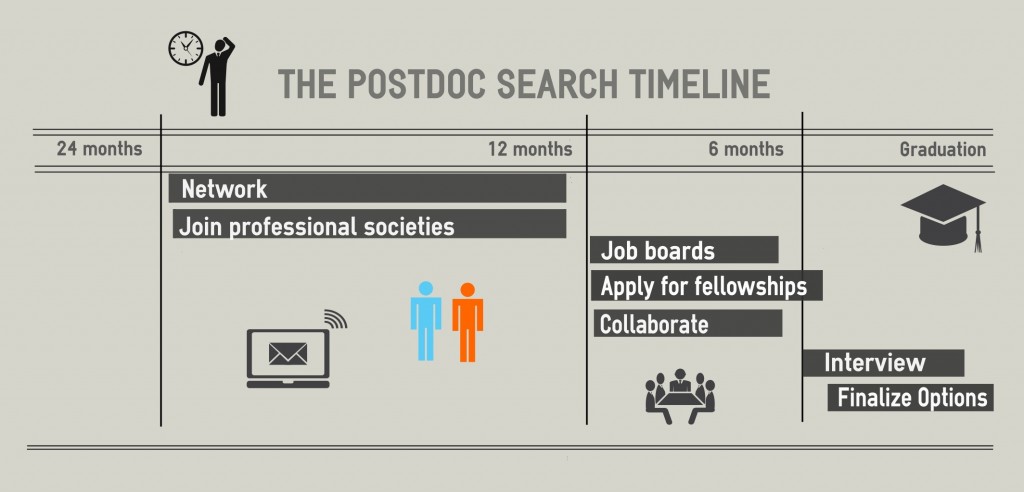
postdoc-search-timeline

The postdoc search timeline. Image credit: Shimi Rii

1) The postdoc search timeline. Shimi Rii interviews fellow postdoc researchers about their job hunt, in particular, she focuses on how long they spent looking.

2) Ask the expert: Can research ever be a ‘9-5’ job? Dr Frances Saunders, president of the Institute of Physics in London, tries to answer this question for you. The conclusion: it is possible, but it requires a joint effort from many people.

3) How to cope when things go wrong in academia. This short Q&A film from the 2014 London Naturejobs Career Expo highlights some of the coping strategies that academics have when things go wrong.

4) How to publish your data in a data journal is a piece in which we highlight the main tips from Andrew Hufton at a recent Scientific Data event on publishing your data in data journals.

5) From academia to policy with David Carr is a Q&A interview about his transition into policy work at the Royal Society in London.

Merry Christmas everyone!

Most read on Naturejobs: November 2014

It’s been another busy month for the Naturejobs team this month, but we’ve had some great stuff on the blog too. We’ve looked at funding cycles in academia, jobs for bioscience researchers, networking, event planning and much more. Here we’ve got a list of your favourite posts from this month, which includes some of our videos from the Naturejobs Career Expo! We’re really pleased that you like them and we’ll definitely be making more at Expos to come.

We also want to give a special thank you to all our guest authors too: Scott Chimileski, Samuel Brod, Sarah Blackford, Gary McDowell and Simon Hazelwood-Smith! If you think you have an idea for a blog post on the Naturejobs blog, an experience that you’ve learned from and want to share or a science-career related event you went to, please do get in touch with me by email at naturejobseditor [AT] nature [DOT] com.

big-research-better-writing

How to get published in high impact journals: Big research and better writing{credit} Image credit, Macmillan Science Communication{/credit}

1. How to get published in high-impact journals: Big research and better writing. This post outlines some top tips from Nature and Macmillan editors on how to get your research into high impact journals.

2. Ask the expert: What other jobs can bioscience researchers and PhD students consider if they want to leave academia? Sarah Blackford was our expert this month and she answered this question with a list of potential roles that bioscientists can easily fit into. But remember that you don’t need to pigeon-hole yourself: if you think you’ve got the skills to do something that’s not on the list (teaching, for example) then go for it!

3. What isn’t science communication? Samuel Brod writes up the science communication panel from the Naturejobs Career Expo in London this year. It’s a frank insight into what to consider before diving into a science communication career. Continue reading

Ask the expert: What other jobs can bioscience researchers and PhD students consider if they want to leave academia?

Sarah Blackford, academic and science career specialist, shows that bioscience researchers and PhD students have opportunities in many different roles outside of academia.

Contributor Sarah Blackford

Thanks to everyone who voted – I’m not surprised that this was the highest scoring question. I’ll also incorporate a little bit about how to prepare and where to look, since these questions came a close second and third.

Here is a list of career areas which I present in my career workshops with PhD students and postdoctoral researchers. Researchers in scientific disciplines other the biosciences may also be able to see careers on this list of relevance and interest to them.The careers are ordered so that those at the top of the list are the closest and most familiar to PhD-qualified graduates and researchers. 

  • Academic Research (universities, research institutes, government)
  • Research in industry/business (technology companies, bioindustry, food technology, policy think tanks, media)
  • Teaching (university, colleges, schools)
  • Scientific services (advisory, sales, data management, technical specialist)
  • Associated commercial careers (technology transfer, patent examiner, patent attorney, regulatory affairs, marketing)
  • Communication (publishing – editorial, commissioning, production – press officer, outreach, medical writer)
  • Administration/management  (conference organisation, science administration, policy)
  • Self-employment/consultancy (spin-out company, freelance)
  • General professional careers  (finance, project management) Continue reading

Speed Networking for early career researchers

Contributor Gary McDowell, Tufts University Postdoctoral Association President

Graduate students and postdocs tend to spend the majority of their time at the bench, believing that this is the only path towards getting a job. The reality is that in the current job climate, most jobs are found through the networks that we build and the people we meet; up to 80% of the jobs people get are not publicly advertised. Many institutions and science organizations now regularly include networking events as part of meeting and conference schedules.

If this is something you might like to do, please let me know.

{credit}Image courtesy: Gary McDowell{/credit}

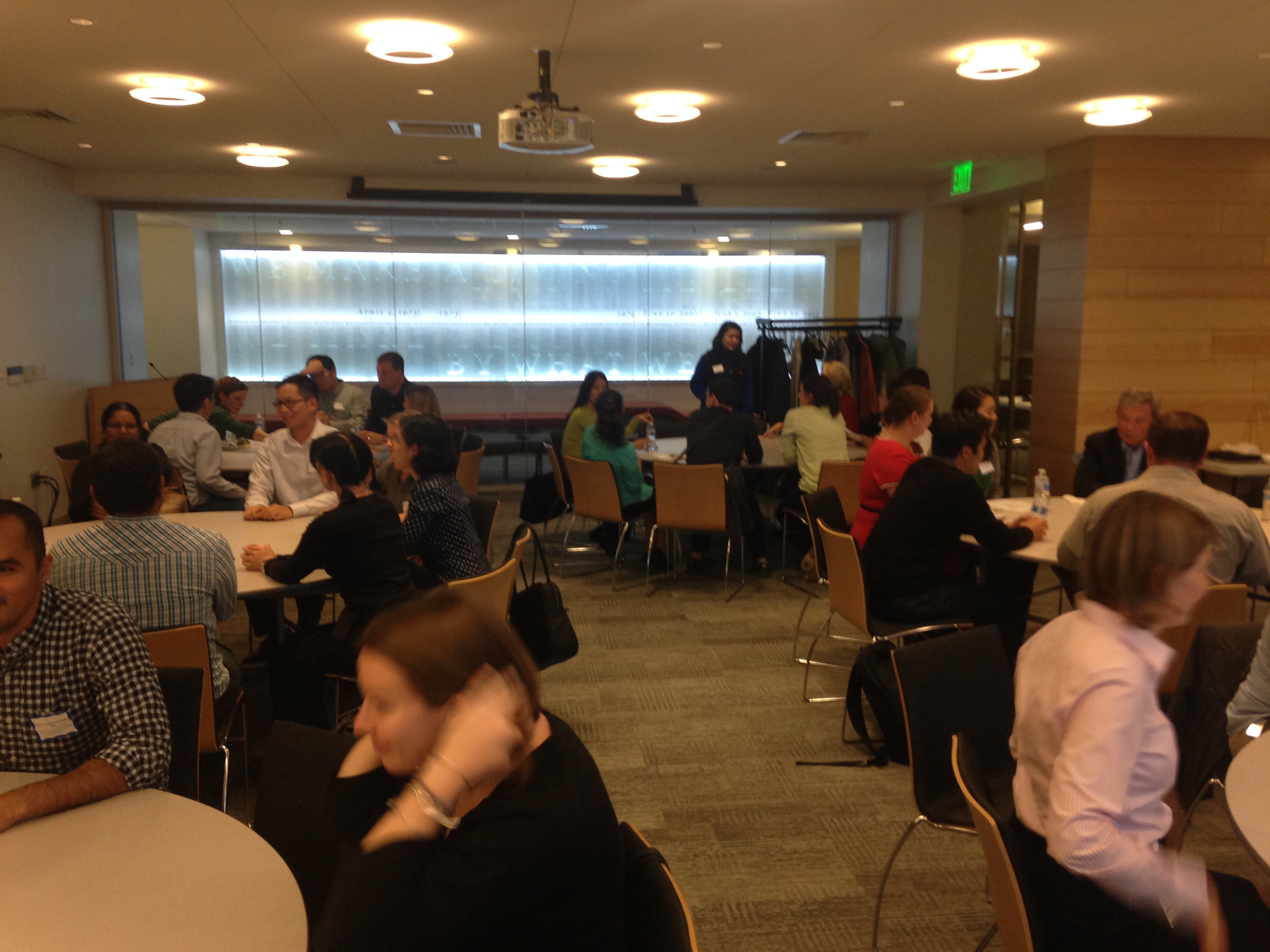
At Tufts University, our Postdoctoral Association recently tried a variation on this which is becoming more common in the business world: “Speed Networking”.

For those with experience of the cultural phenomenon of “speed dating”, the premise will be familiar.  35 postdocs and grad students were divided up into groups “dating” 15 professionals at themed tables: academia; industry; patent law; journal editing; regulatory affairs; business development; and administration. For 10 minutes, questions and conversations were exchanged to give students and postdocs an idea of some of the work involved in different careers and areas where they could build relevant experience for a particular role. Then, appropriately, a lab timer would beep and each group of postdocs and grad students would get up and rotate to another table. After everyone had met, there was time and space for more one-on-one networking. Contact details were made freely available afterwards to attendees, to get in touch and connect with professionals who most engaged them in discussing career aspirations. Continue reading

Should I apply for a postdoc or a fellowship after my PhD?

At the Naturejobs Career Expo in London this September, a panel of four academics got together to discuss their wildly different careers. Jim Usherwood from the Royal Veterinary College only spends his time doing research. Anita Hall from Imperial College London only does teaching. Lorraine Kerr and Louise Horsfall from the University of Edinburgh split their time (with different percentages) between research, teaching, business and management.

In this short Q&A film the panellists give their opinions (based on their experiences) about whether or not you should apply for a postdoc or a fellowship after finishing your PhD.

Usherwood says that this depends on what field you work in. From his experience, if you want to work in academia, build some diversity into your career by doing postdocs in different places where you can learn different skills, work with different people and get an understanding of different cultures.

Horsfall agrees and says that the fellowship positions are very competitive, so having a variety of skills and disciplines in your career track can be beneficial.

Kerr says that being able to sell yourself with your skills, and not being frightened to go for positions, will help you. And even the experience of “going for it” will give you insight about being successful in the future if it didn’t work the first time round.

Read more about How to navigate an academic career and about all the other conference sessions and workshops at the Naturejobs Career Expo in London.

Other Q&A videos from the Naturejobs Career Expo, London 2014

How important is having a mentor in your academic career?

How do you achieve work/life balance in academia?

Working in industry: An academic-style postdoc in a pharmaceutical setting

Roche

Dr Katrin Arnold
{credit}Credit: Esther Cooke{/credit}

Big pharma are starting to introduce academic-style postdoc fellowships, strengthening relationships between industry and academia.

Contributor Esther Cooke

Rightly or wrongly, postdoc positions within industry tend to have a less than stellar reputation. Rumours abound of a disregard for publishing papers, a lack of freedom to develop ideas and difficulty returning to academia. However, pharmaceutical companies, including Roche, AstraZeneca, Pfizer, Merck and NIBR, are starting to introduce academic-style postdoc fellowships, recognising the need to build relationships with universities. But what are the advantages of conducting research in industry, and how do these fellowships marry the two environments together? Moreover, will a postdoc in industry make it difficult to return to academia down the line?

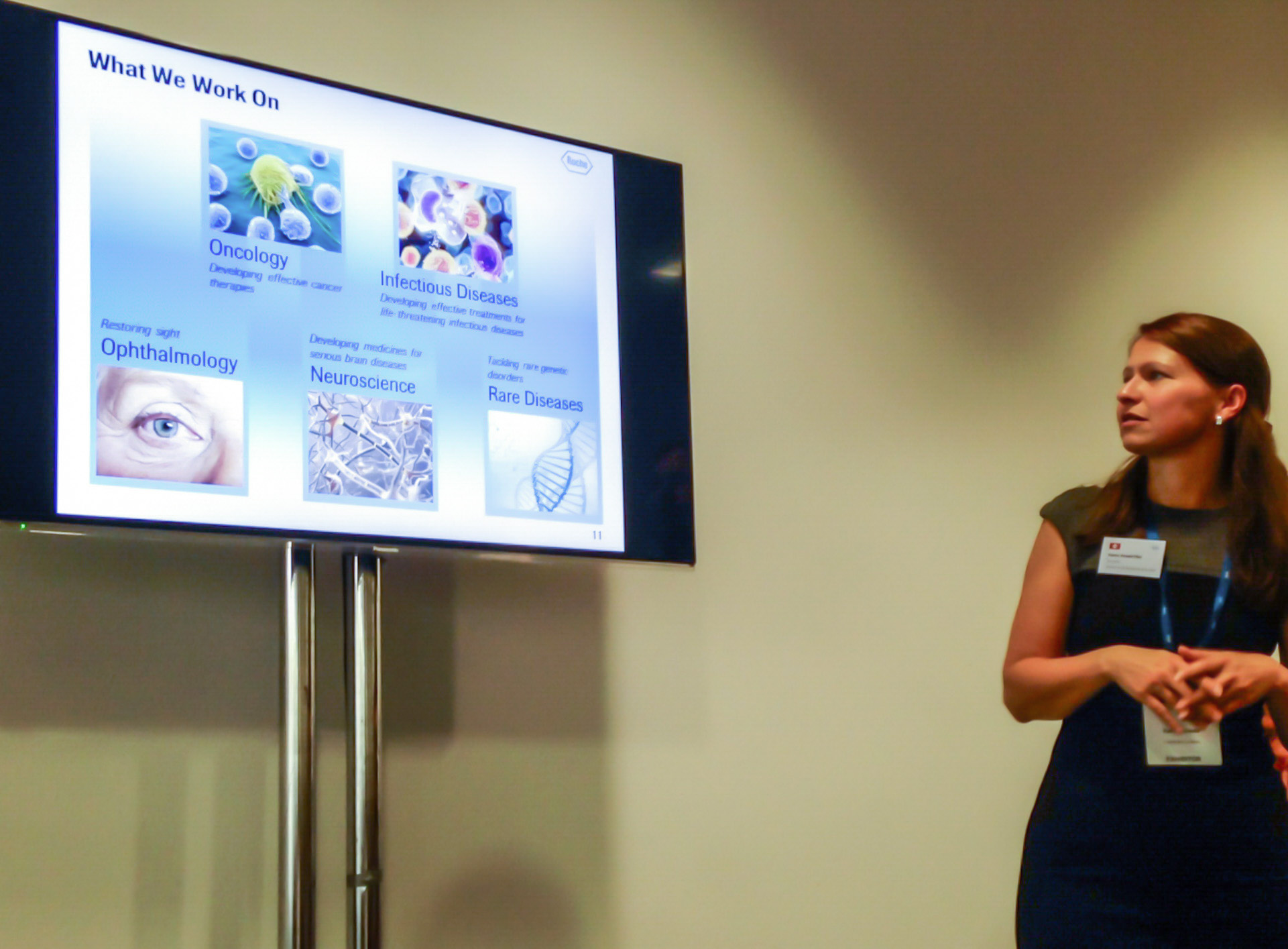
At the recent Naturejobs Career Expo in London, Dr Katrin Arnold, a recruitment manager for the Pharma Research & Early Development (pRED) sector at Roche, spoke about postodoc opportunities in industry and addressed some of these questions. Roche is a large multinational company specializing in pharmaceuticals and diagnostics. Based at six research sites worldwide, Roche’s pRED organization employs approximately 2,500 scientists and clinicians, including close to 100 postdocs. The predominant area of research is neuroscience, with a focus on neurodegeneration, neurodevelopment and psychiatry. Other research areas include oncology, infectious diseases, ophthalmology and rare diseases. Continue reading

The postdoc decision

Career ambitions are the most popular reasons for taking on a postdoc, followed closely by a love for science.

OK, no surprises there, but we at NatureJobs are always interested in our readers’ career choices. Knowing our audience is the first step in providing you with useful information.

Our latest poll, “Why did you decide to do a postdoc?” sought to uncover the reasons why our readers took on a postdoc position. On average, these are three year, fixed-term contract research positions; a chance for researchers to develop their skills and get some papers under their belts.

Readers were given the chance to choose three of the following reasons:

  • Because it is the next step in your academic career after your PhD
  • Because you love science and research
  • To reach your dream of becoming a tenured academic
  • Because you couldn’t find another job
  • To discover something new
  • To contribute to the body of scientific knowledge
  • Don’t know what else to do
  • You’re afraid of the unknown outside of academia
  • To change location
  • Because you couldn’t find a tenure-track position
  • To contribute to society
  • For convenience
  • Because you entered on the promise that the lab was expanding and further opportunities would become available
  • Other

And after 3 months, 482 people from all over the world have cast 817 votes, and these are the latest results, as of Tuesday September 16th, ranked by popularity

why-do-postdoc-results

Nearly a quarter of votes were for “Because it is the next step in your academic career”, indicating that, for better or worse, many scientists’ default option is to continue on their current career path. Continue reading

Away from home: Indian postdocs abroad

Cross- posted from the Indigenus blog, a blog from Nature India.

Every Wednesday, Indigenus blog takes a peek into the lives of Indian postdocs working in foreign labs. The ‘Away from home’ series will feature one postdoc each week recounting his/her experience of working in a foreign lab, the triumphs and challenges, the culture factor, tips for Indian postdocs headed abroad and what he/she misses most about India. 

Last week, we met Mainpal Rana, a PhD from the Biological Sciences and Bioengineering Department of Indian Institute of Technology Kanpur and currently a postdoctoral associate at the Magee-Womens Research Institute Pittsburgh affiliated to University of Pittsburgh, USA. He told of the joys of not having to wait for reagents for experiments and the woes of not having Indian utensils in an American kitchen. Read more.

The week before, Moumita Chaki, a PhD from Indian Institute of Chemical Biology (IICB-CSIR), Kolkata, currently working as a Postdoctoral fellow at the University of Michigan Medical School, USA, talked among other things, about the problems of funding for independent postdoctoral research that visa-holders like her might face in the US. Read more.

Then there was synthetic and systems biologist Kayzad Nilgiriwala who is working as a postdoc at Massachusetts Institute of Technology (MIT), Cambridge, USA. Kayzad completed his Ph.D. (Microbiology) at Bhabha Atomic Research Centre (BARC), Mumbai, India and wants to import some strong points from the US research scene when he comes back home. Read more

Finally, the first in the series was Kangkan Halder, who completed his doctoral thesis at the Institute of Genomics & Integrative Biology (IGIB), New Delhi and is currently a post-doctoral fellow at the Applied Synthetic Biology Group at the University of Göttingen, Germany, who offers his advice on how to find a postdoc position in Germany. Read more.

Don’t forget to check back for the latest addition to the series each Wednesday, or follow Indigenus on twitter for more.

Making a career transition

Career paths vary a great deal and choosing a scientific vocation can involve challenging and unanticipated decisions. In a new series from the Soapbox Science blog on nature.com, 13 guest bloggers share their stories of career transitions. From a UK politician who started out in biochemistry to a scientist who gave up a career in IT to do a PhD, the posts highlight some of the diverse routes into and out of a career in science. Have a read and let us know your thoughts, either here or in the posts below.