Communication: talk to peers and the general public

Effective communication will improve the value of scientific discoveries, says Eleni Wood

As scientists, our work is often driven by data collection and results. But a key step in the scientific process, and one that increases the value of our findings, is the effective communication of our investigative processes and results. Science communication is not only important within our fields for the advancement of our disciplines – communication to other audiences also influences the public perception and credibility of scientists and the work we do.
network-1911678_1920 Continue reading

Scientific presentations: A cheat sheet

Scientific culture and insufficient training in public speaking leads to dull, text-heavy talks. Put more effort into presentations, say Andrew Gaudet and Laura Fonken

As postdocs with a combined 20 years of experience in neuroscience research, we’ve attended hundreds of talks and delivered dozens of presentations. We’ve realized it is imperative to perform your best every time you present — whether at a weekly meeting or at a job interview.

Your preparation and organization will help the audience understand your main points, and this professionalism will boost your reputation, which could lead to further opportunities. Ultimately, a presentation is one of the ways of influencing how others perceive your science and your competence. Here, we’ve put together some ideas for creating polished presentations.

presentation-1559937_1280

Continue reading

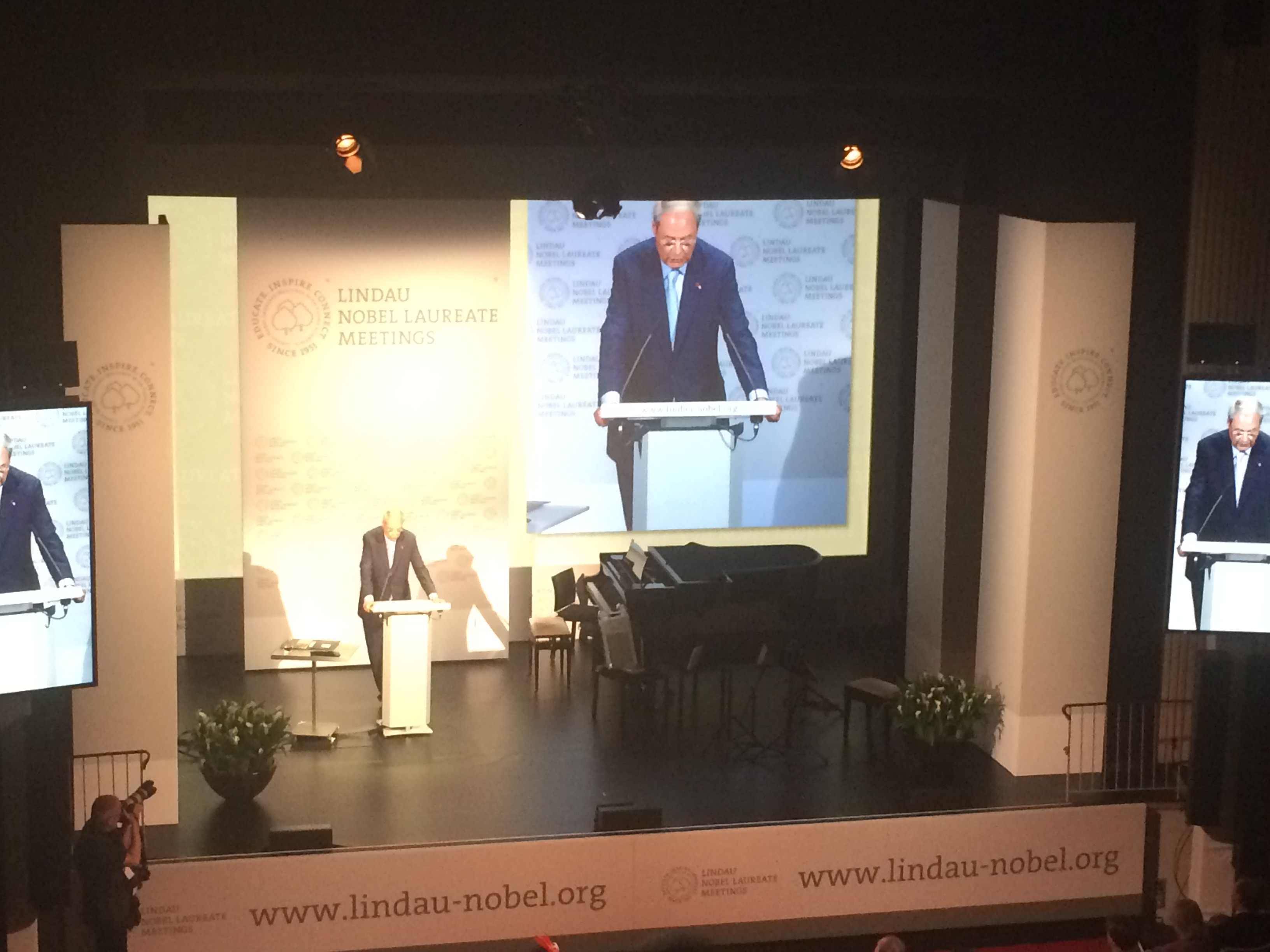
Return to Nerd Heaven: Lindau

Alaina G. Levine is live from the Lindau conference

In 2012, I flew across the pond from the deserts of Arizona to the shores of Lake Constance on the German/Austrian/Swiss border. I wasn’t on holiday per se, but I might as well have been. When I arrived in the tiny hamlet of Lindau, Germany, I was met with two very sweet offerings: spaghetti ice cream and hundreds of nerds swarming the island town. I couldn’t have been happier.IMG_4306

Continue reading