#scidata16 keynote highlights: “Research data management for early career researchers”

Data management is a crucial component of scientific research and one that should be tackled by early career researchers before they become swamped with data, says Erica Brockmeier.

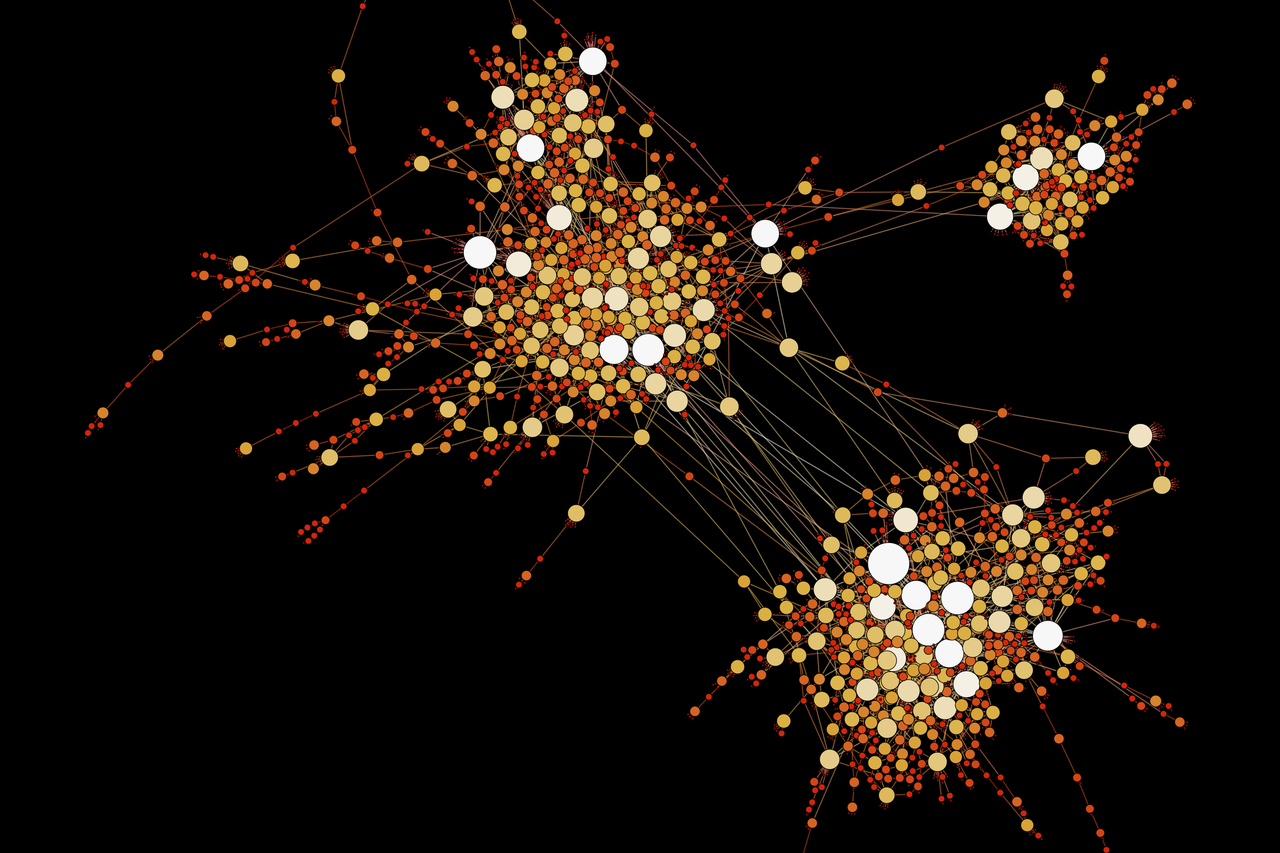
Network_Visualization


PhD students and early career researchers have a lot on their to-do lists, everything from writing papers and applying for grants to staying on top of the latest findings in their field. The third keynote of the #scidata16 conference highlighted yet another important facet of a research career: data management. Kevin Ashley, based at the University of Edinburgh, gave a thought-provoking presentation on this topic. As director of the Digital Curation Centre in Edinburgh, Scotland, Mr. Ashley and his team provide advice, guidance and training for researchers, alongside consultancy services on all aspects of data management and data reuse. Continue reading

How to publish better science through better data

Scientific Data and Nature host an event that explores how different stake holders can collaborate with researchers to publish better science through better data management.

Data, without a doubt, are the foundation of science. If you’re a researcher, your life is data: you spend your days generating it, analysing it, and writing papers about it. You share it with colleagues and collaborate on projects that will build on it and find new and exciting things. But policy makers, funders and universities are also involved in the conversation – each trying to solve the problem of managing the increasing influx of data whilst keeping the integrity of science high.

Last Friday, PhD students and postdoctoral researchers came to the Nature offices to learn about how research data affects a scientist’s ability to publish and get research funding. The event, Publishing Better Science through Better Data, consisted of a series of talks from editors, data curators, software developers and funding body representatives, all giving their perspective on how data affects scientific research and publishing.
Phil-campbell-scidata14

{credit}Image credit: Nandita Quaderi (@DrNandiQ){/credit}

The editor’s perspective

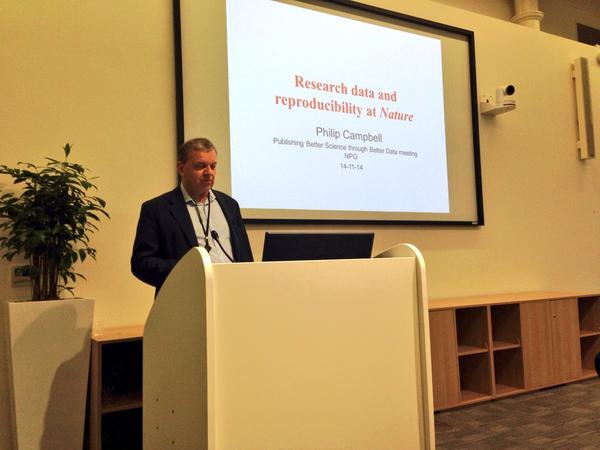
Philip Campbell, Editor-in-Chief of Nature and its sister journals provided an editor’s perspective and shared how Nature journal was handling the reproducibility problem: “It mostly consists of things that are bad or sloppy science, not fraud.” To minimize the amount of “sloppy science” being published in Nature, editors have put a check-list in place for scientists that they submit along with their papers, making the research process more transparent. “It’s improving the reliability of the design of experiments, which is what we want to see happening.” Continue reading

Data management

digital tattoo

{credit}PhotoDisc/Getty Images{/credit}

As Euan Adie and Alex Hodgson discussed in this month’s Naturejobs podcast on scientific publishing and a digital future, the amount of data being created in science is phenomenal. It is being created faster than the technology to store it. But as the volumes are increasing, are scientists getting any better at managing it? As it turns out, there are still a few kinks in the system.

An article on Research Information called Better management reduces data loss risk, highlights some of the problems that scientists might have.

“After moving all of his data home to write up, biologist Billy Hinchen returned one afternoon to find that his laptop and all his backup hard drives had been stolen.” Continue reading