Postdocs and early-career researchers: be more than a name on a website

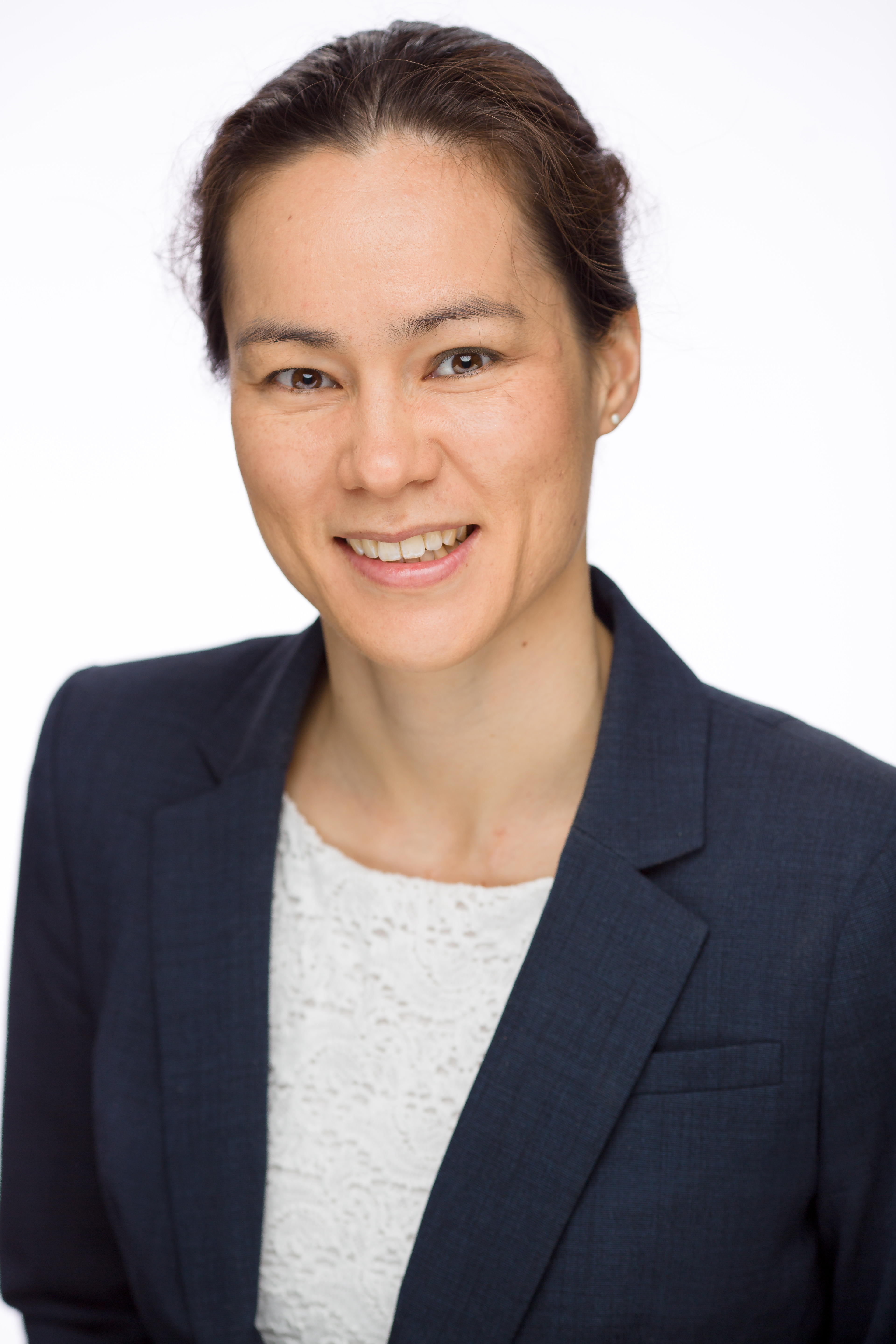
After a few months working as an associate editor at Nature Photonics, chief editor Oliver Graydon asked Gaia Donati if the role was what she had imagined it to be. She answered that in most aspects it had, with one significant exception: she hadn’t realised that finding referees to assess submitted manuscripts would be such a daunting task. Here, Gaia urges peer reviewers to make things easier by setting up a personal web page outlining their research experience and interests.

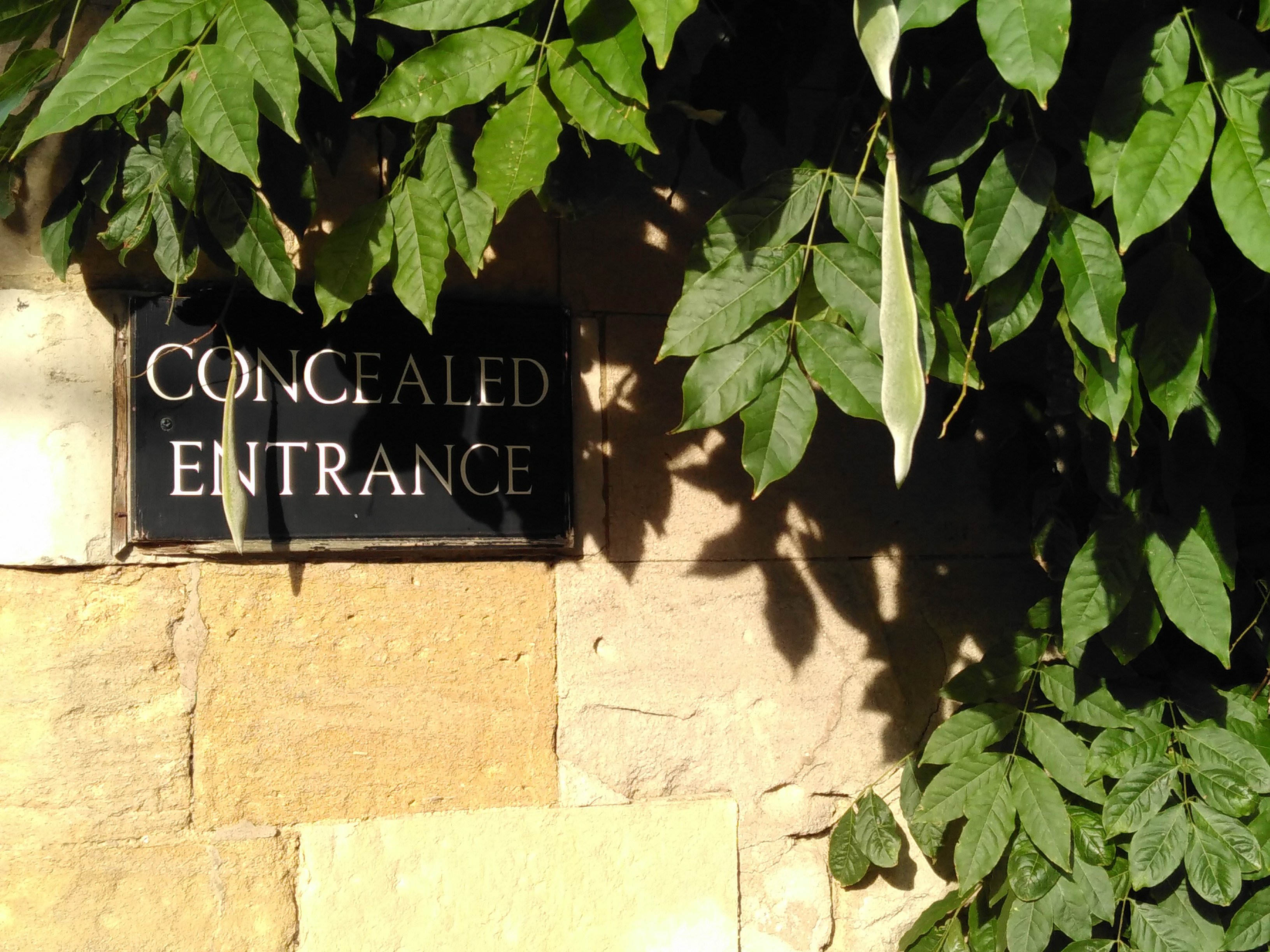
ConcealedEntranceGD

Don’t stay in the shade, says Gaia Donati {credit}Patrick Michelberger {/credit}

Continue reading

#scidata16: Publishing Better Science through Better Data: Writing competition

This competition provides the chance to attend the Publishing Better Science through Better Data October 2016 event, work with a Nature editor and have your writing published here on Naturejobs.

After a very successful event last year, we are again looking for five budding science writers to help with news coverage of this year’s Publishing Better Science through Better Data event.


scidataWellcomeSDATA2

Continue reading

Mobilise your creativity

How do you break into the publishing world?..

…That is, media and publishing, not publishing your manuscript. It isn’t the easiest path ever, but there is a breadth of opportunities and creativity, as celebrated this week by the UK Department of Culture, Media & Sport and the Creative Industry Council. And ‘break’ is not the key word – you don’t need a break. You just need to get creative – and get started.

newspaper-pile-naturejobs-blog-2

{credit}Getty Images/Mateusz Zagorski{/credit}

Continue reading

The postdoc series: What comes next?

A postdoc sets you up for a variety of careers, including academia, editing, working in industry, core laboratories and more.

cross-roads

{credit}Ratch/Shutterstock{/credit}

The obvious path for many people doing a postdoc is to look for a more permanent academic position as a tenure-track professor. But it isn’t the only one! There are plenty of other things a postdoc can do. Here are just a few examples.

For those who have the want, determination, and, let’s face it, a bit of luck, working as an academic professor can be worth the battle. Dr Esther Bullitt is currently going through her application to become a tenure-track professor. “There were biological questions that I wanted to pursue, and having the independence to do so was absolutely compelling,” she says. One of the challenges that she faces in her application is to make sure that she stands out from the rest of the crowd. “There are many excellent scientists working on many interesting questions, so you need to demonstrate a broad set of skills that go beyond a great project and a well-developed plan for the science.” To be promoted to professor, Bullitt says that postdocs need a well-documented track record in: funding; publishing your research; being nationally and internationally recognized as an expert in your field; giving invited seminars; teaching; university committee work. “Probably in about that order,” she adds. Continue reading

#ScientistOnTheMove in January 2015

From academia to medical writing, editing, policy, further research and a swap from communications to a PhD in later life.

In 2015, Naturejobs is celebrating mobility in science, where researchers are changing labs, moving countries or transitioning into something completely different. In January 2014, all of these things hapenned. Below, we’ve selected just a handful of job changes to give you a flavour of the variety of things you can do with a science degree.
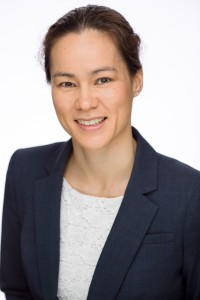
viviane-callier-naturejobs-blog

Viviane Callier

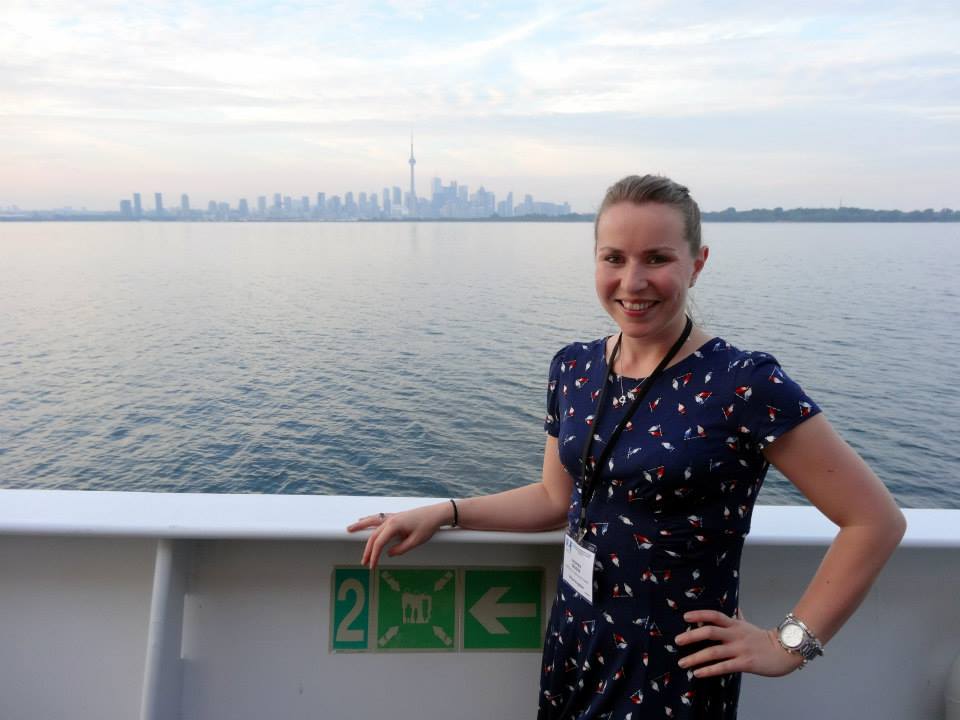
Viviane Callier was a postdoctoral fellow from 2011-2013. In late 2013, she transitioned to a technical writing position for a consulting company in the Washington DC area. In her new role as a Scientific Communications Editor at the National Cancer Institute, which she started in January 2015, her main challenges are the more frequent and stricter deadlines. But during the transition, it was the leap into the unknown, leaving friends behind and feeling like “I had to start all over from scratch,” that were the three biggest challenges.
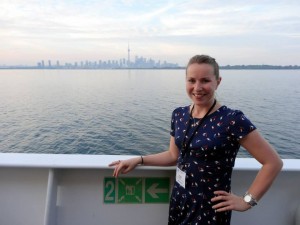


Lucy-Craggs-naturejobs-blog

Lucy Craggs

Lucy Craggs held a postdoctoral research at the University of Newcastle, where she was working in the field of neuroscience. The decision to leave academia was difficult, but difficult supervisory relationships, feeling undervalued and realising that if she wanted to stay in academia she would need to relocate, meant that it was the right thing to do. In January 2015 she started working as a medical writer for MediTech Media, part of the Nucleus Group of companies, focussing on the communication of the drug discovery process.
Continue reading