Good science communication is a key force in driving change, but finding common ground can be a challenge – especially across linguistic barriers, says Jacqueline Gamboa.


 Members of the Karolinska Institute’s Postdoc Association fear an amendment to Sweden’s Research Bill could create career instability.
In November 2016 the Swedish government announced plans to introduce a tenure track system to make academic careers more secure, to improve mobility and to make research more competitive.
But in July last year an amendment to the Research Bill stipulated that PhD graduates had a maximum of five years (two years less than now) to get an Assistant Professorship (Biträdande Lektor in Swedish). Universities must comply by 1 April 2018.


Adam Gault


A recent editorial in Nature described the harm that newly proposed changes to the United States tax code will have on graduate student finances. If passed, these regulations — ostensibly designed to simplify tax calculations — will eliminate benefits previously given to students. Of particular harm to graduate students and the scientific world would be the elimination of the tax-free status of tuition waivers.
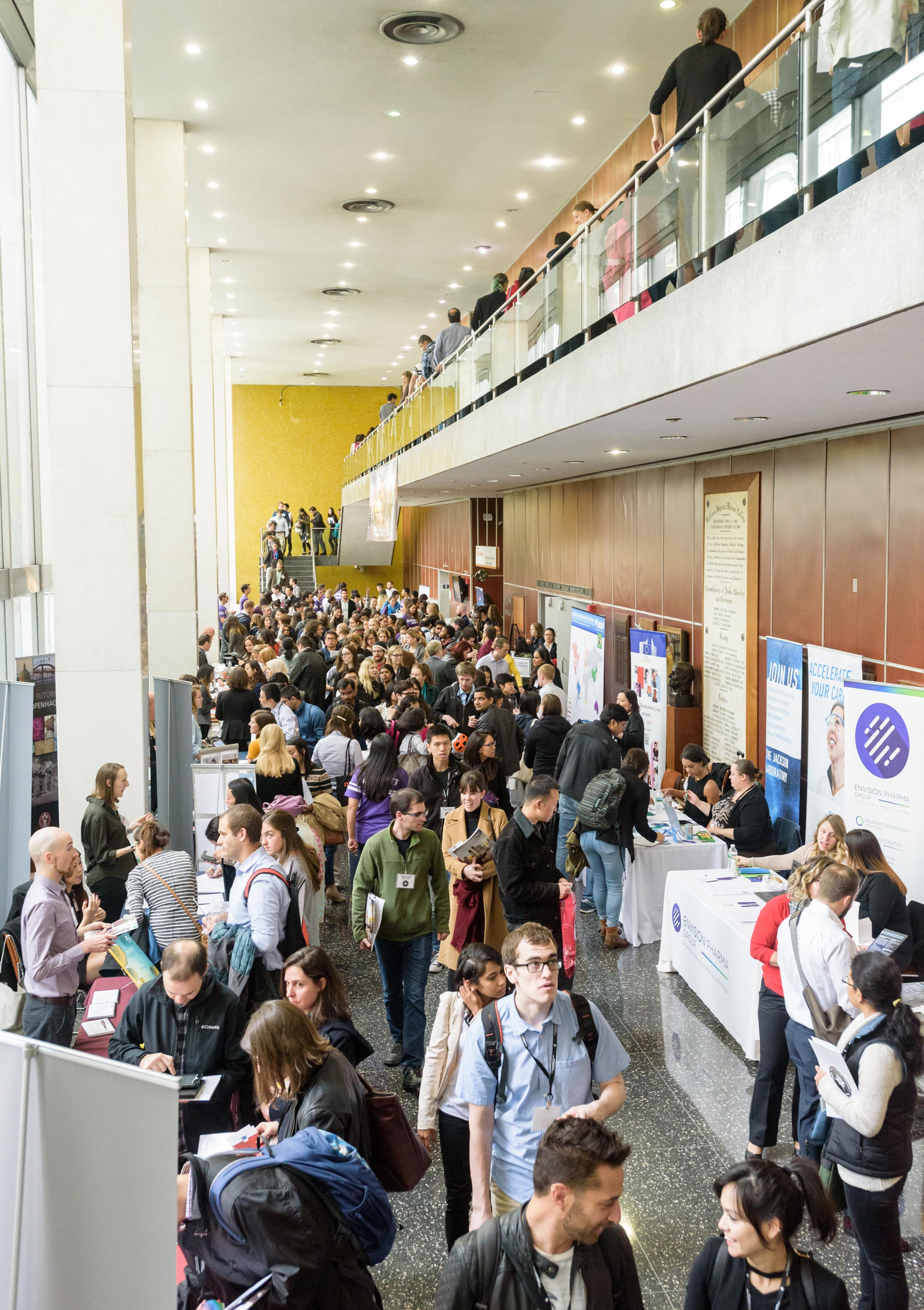
{credit}Jeff Weiner/NYU Postdoctoral Affairs Office{/credit}
Job stability and a career in research are rarely put together. Science is a windy, grueling, uphill climb that might end abruptly at the edge of a cliff. Halloween is a particularly scary time for Australian scientists, as it signals the release of #NHMRC project grant results. Right now, many laboratories are facing difficult decisions due to rejected funding for next year. It’s not a surprise — we see it everywhere — yet it’s a shock that affects the entire scientific community. For early career researchers across the globe, it’s a timely reminder to carefully consider and plan for the future.
So, what are your options?

 The Naturejobs team looks at careers in sports science and life as a PhD student in 2017 following publication of Nature’s biennial PhD survey, which sought the views of 5700 students worldwide.
Jenny Kedros, research manager at Shift Learning, the educational research agency that helped analyse the data, talks about the survey’s main findings to chief careers editor David Payne.
You can read about the results in the article Graduate Survey: A love-hurt relationship. The underlying raw data available via this Figshare link.
By Karin Bodewits & Philipp Gramlich
In most western countries, the number of PhD graduates in the life sciences has increased by around 50% over the last ten years. As the job market, in both academia and industry, has been largely flat in most countries, this PhD glut is creating undesirable patterns of employment — and unemployment. Some academics are calling for ‘academic birth control’, but the academic system itself profits from the resulting endless supply of cheap labour. Continue reading