Alaina G. Levine is talking to Countess Bettina Bernadotte, from the Lindau conference
If you missed the first part of the interview, catch up here.
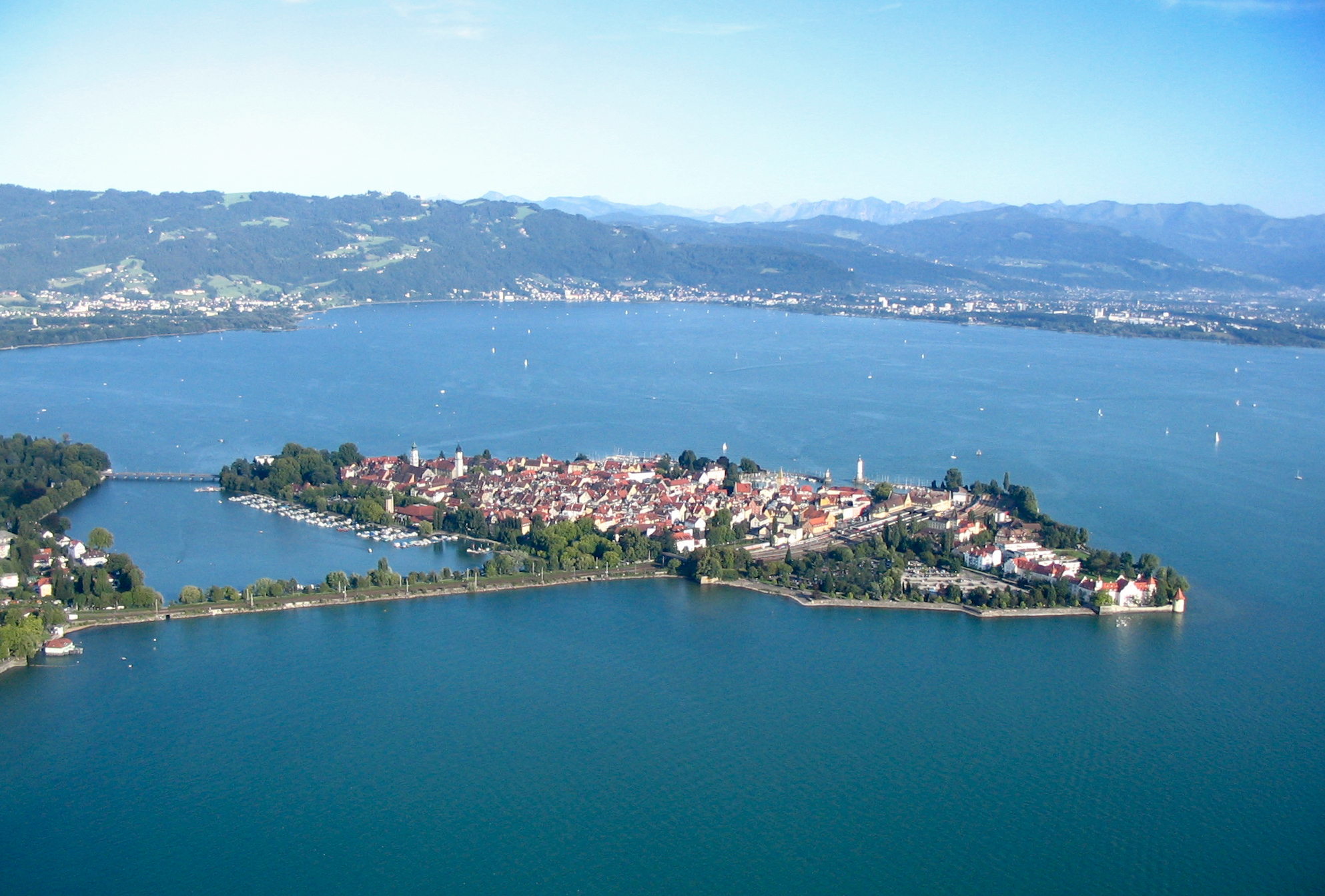
Lindau Island. Credit: CC-BY Edda Praefcke

If you missed the first part of the interview, catch up here.
Lindau Island. Credit: CC-BY Edda Praefcke
My week at Lindau, #NerdHeaven, was in a word, sublime. I can’t tell you how much I enjoyed speaking with all the different people it draws, including Nobel Laureates, early career scientists, journalists, and representatives from foundations and governments the world over. I learned so much about so many different areas of science and society. I gained so much from the experience. And now that it has come to a close, I feel like crying in my streuselkuchen.
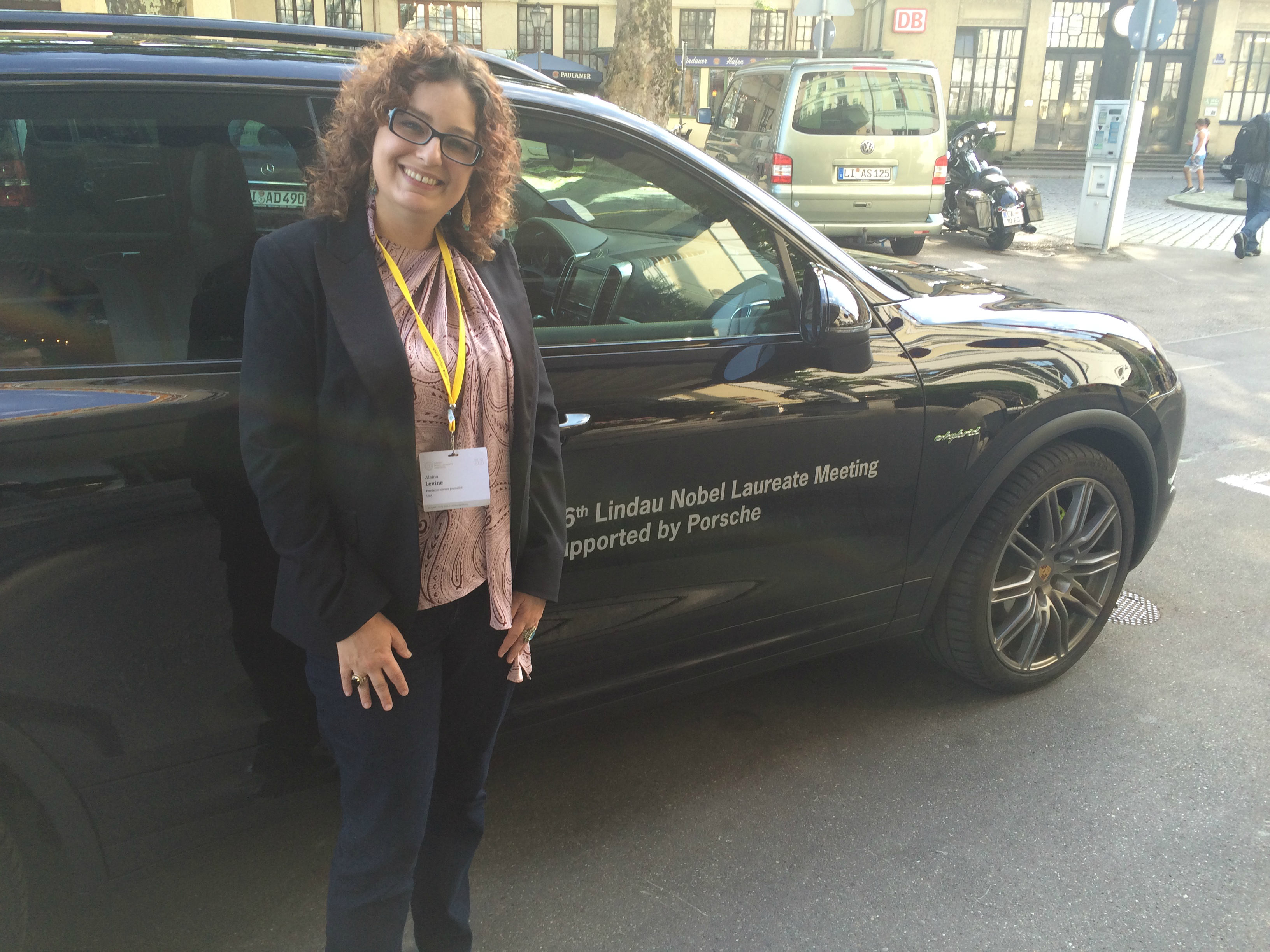
Alaina at Lindau
Nevertheless, it’s over, and I’m left to is relive some of the best moments. Continue reading
Lindau is a special conference. Here, under the banner of Educate-Inspire-Connect, and above cobblestone streets, next to a city hall dating back to the 1400s, networking is very much encouraged, supported, facilitated and emphasised. And the networking here is precious, precious platinum.

As I mentioned yesterday, even after I switched my major to mathematics from physics and astronomy, I couldn’t quite turn my back on this field. I’ve come to realise that there is a specific reason for this, and I think you’ll agree: Physics is like The Godfather – once you’re in, you can’t get out. Our knowledge of the universe, from the yotta to atto, is all tied to physics. Our entire existence is described by physics. You can’t get more powerful than that. So clearly, it’s is an entrancing field, and like the Godfather, there is literally no way to escape – you’ll die a member of La Famiglia de Fisica.
Lindau Island. Credit: CC-BY Edda Praefcke
In 2012, I flew across the pond from the deserts of Arizona to the shores of Lake Constance on the German/Austrian/Swiss border. I wasn’t on holiday per se, but I might as well have been. When I arrived in the tiny hamlet of Lindau, Germany, I was met with two very sweet offerings: spaghetti ice cream and hundreds of nerds swarming the island town. I couldn’t have been happier.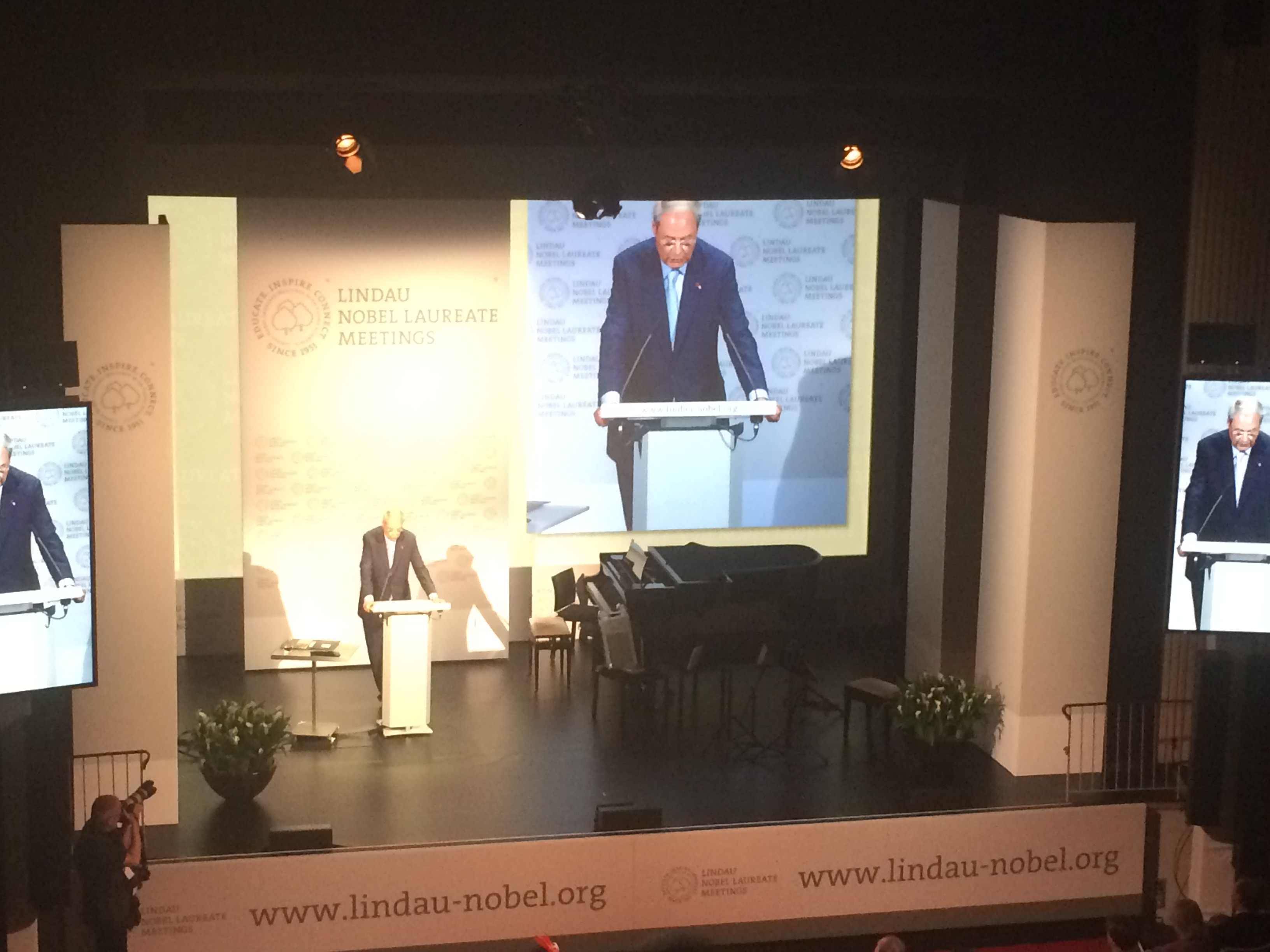
Guest contributor Alaina G. Levine

Professional societies bring together like-minded people in a scientific discipline.
Although professionals may know about their own professional society, many people do not consider the wealth of career advancement, networking and self-promotion opportunities that they offer. Yes, they know about the conference and maybe they read the newsletter, but there is so much more that you can experience from being a member or simply demonstrating your interest in membership.
A professional society is typically a non-profit dedicated to advancing the profession and the professionals of a given discipline, field, industry or sector. (In fact, this is essentially the tagline of the American Statistical Association.) In science and engineering in particular, professional societies are often are founded with the original intent of bringing together like-minded individuals to discuss topics of interest and potential collaborations, and to provide a collective voice for policy, advocacy and even funding concerns. As they grow, these same societies strive to provide opportunities for professionals in the community to become involved in the governance of the societies as official, or paid, members. Continue reading
 Thank you to everyone who read our Naturejobs content this month, and a special thanks to all those that joined in on the conversations and commented on the posts! We really enjoy getting your feedback on our stories, so please keep the comments coming.
As voted by you (by sheer number of readers to the blog) here are your top ten reads from Naturejobs this month. Feast your eyes on this:
Social media: A network boost is an article writer by Monya Baker. it highlights how Twitter can be used as a tool for long term gain by building connections with the right people in your field of research.
Robert Aboukhalil’s article, The elephant in the lab, shows how a little research into likely career outcomes in academia can go a long way.
Career councelling: Pick a path by Neil Savage is a good resource for tips on where to go for careers advice.
Undergraduate researchers can do a lot to liven up a laboratory, according to Fresh perspectives, an article by Paul Smaglik. But they do require some guidance.
Hundreds of online responses to reports of a study that showed experimental evidence of gender bias in science faculty members have been examined by researchers, according to Gender bias: Seeing is not believing.
The US Council of Graduate Schools wants to find out what happens to PhD students once they graduate, according to PhD trajectories: Data wanted.
After working as a professional for 20 years, Cathy Winterton decided to take on a PhD. In Career change: A mid-life PhD she shares the challenges she faced, but also the positive outcomes.
Last month our readers voted for the question that Alaina Levine, our Naturejobs Expert, should answer. And here it is: Ask the expert: How do I figure out what value I have to offer to non-academic employers?
How to work with a scientific recruiter is a Q&A with Tina Persson, an experienced recruiter. She explains that the relationship between a recruiter and a scientist should be a business one, not based on mentoring and advice.
From Scotland to Brazil: Making the decision (twice) is the first part of a frank, open and honest series by Gina Maffey, where she will be sharing her adventures as she moves from Scotland to Brazil for research.
Thank you to all our guest bloggers this month: Gina Maffey, Alaina Levine, Cathy Winterton, Robert Aboukhalil.
Without you, this blog wouldn’t be possible.
If you’re interested in contributing to the Naturejobs blog, please do get in touch by sending an email to naturejobseditor at nature dot com.
Happy Friday everyone!
Contributor Alaina G. Levine
Allow me to get right to the point: as a STEM-educated professional, you have seemingly infinite career opportunities. Organisations beyond academia recognise your value and they covet you for it. They see you as a strategic and necessary element of advancing the mission of their company, and as such they heavily recruit you and pay you well for your talent.
Most STEM professionals erroneously believe that the entire composition of their value is only related to their discipline. But your scientific prowess is only one piece of the intricate tapestry that is your value. The rest of what you have to offer comes from a number of different sources, but they all share one thing in common: you gained these abilities in the process of becoming a scientist or engineer.
So let’s discuss what your value is. First of all, you are a problem solver. This is not something to be taken lightly, because the purpose of every job in every organisation is to solve problems. So whether you work in big data, entertainment, or biotech, you will always be solving problems. And since scientists and engineers are the ultimate problem solvers, you have a competitive advantage in this arena. You have been trained to find solutions where others see only a brick wall. You know how to ask why and you don’t stop until you find an answer. Continue reading