Finding job satisfaction as a science liaison

How Sabine Blankenship went from neuroscience researcher to professional networker

After completing a PhD and postdoc in experimental neuroscience labs, Sabine Blankenship had no desire to run her own lab. Here she describes how her passion to study abroad led her from experiments that had become frustrating to outreach she finds invigorating. She now works in the German Consulate General in San Francisco, where she helps set up international research collaborations and keep the German government abreast of US advances, particularly in renewable energy and regenerative medicine.
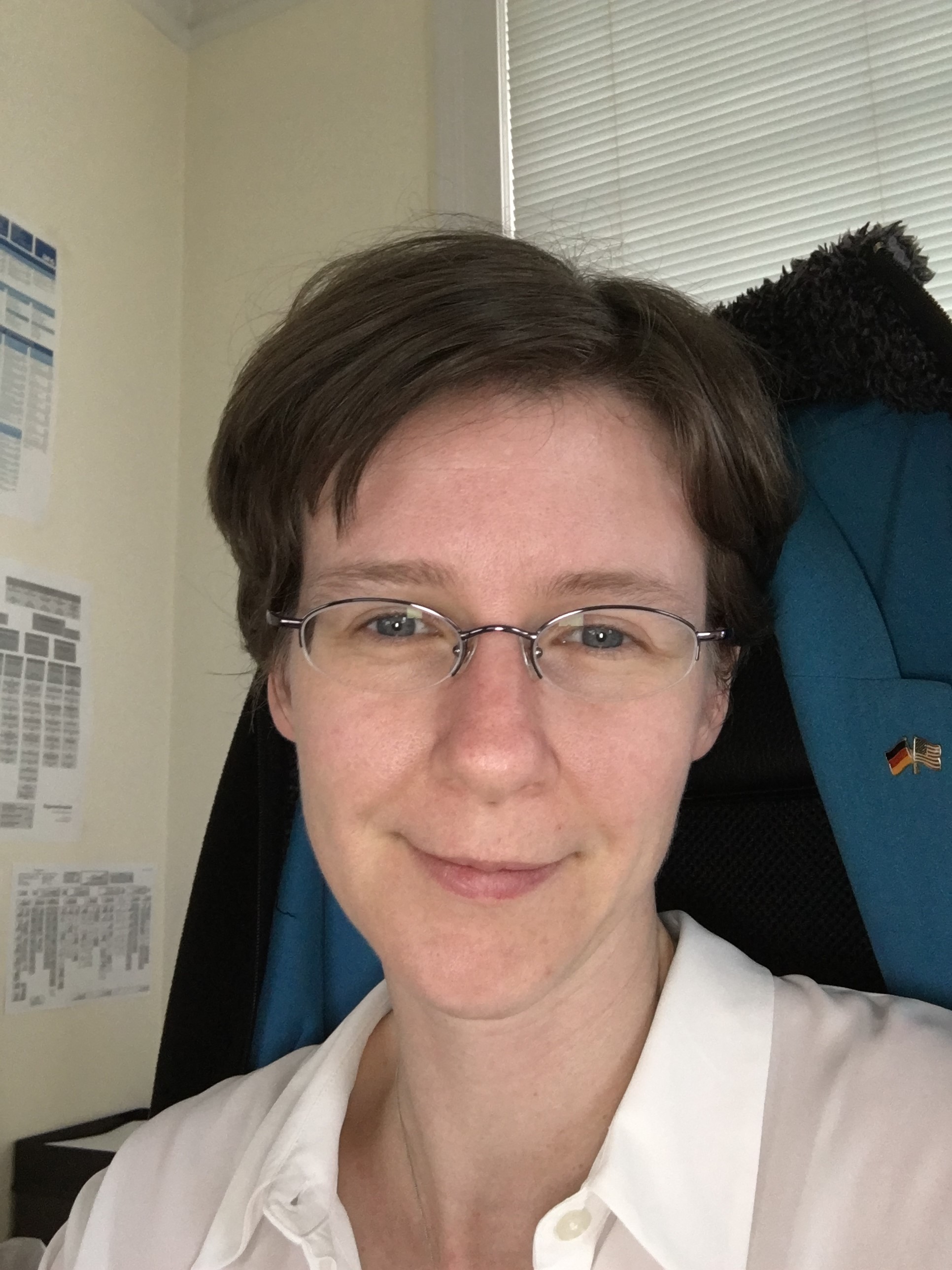
sabine2

Tell me about your job

It’s part of the German foreign service. My job title is scientific liaison; we are installed in scientifically important cities like Washington DC and Boston. We’re the first point of call for setting agendas for visiting VIPs, maintaining networks, and fostering collaborations across industry and academia in the two countries.

Continue reading

Informational interviews: The right push for your career?

Confused about your next career move? Informational interviews can help you get started.

Guest contributor Meenakshi Prabhune

The job search is difficult and intimidating, especially during a career transition. While there are tons of articles and advice on dealing with the much dreaded job interview, they rely on a major assumption: you’ve been called for an interview in the first place! What if you’re still figuring out what jobs you should start applying for? This is where informational interviews come in.


dominos Continue reading

Conversations with the Countess part 2: Lindau: A Nerd Heaven of Nobels and Nobles

Alaina G. Levine is talking to Countess Bettina Bernadotte, from the Lindau conference

If you missed the first part of the interview, catch up here.

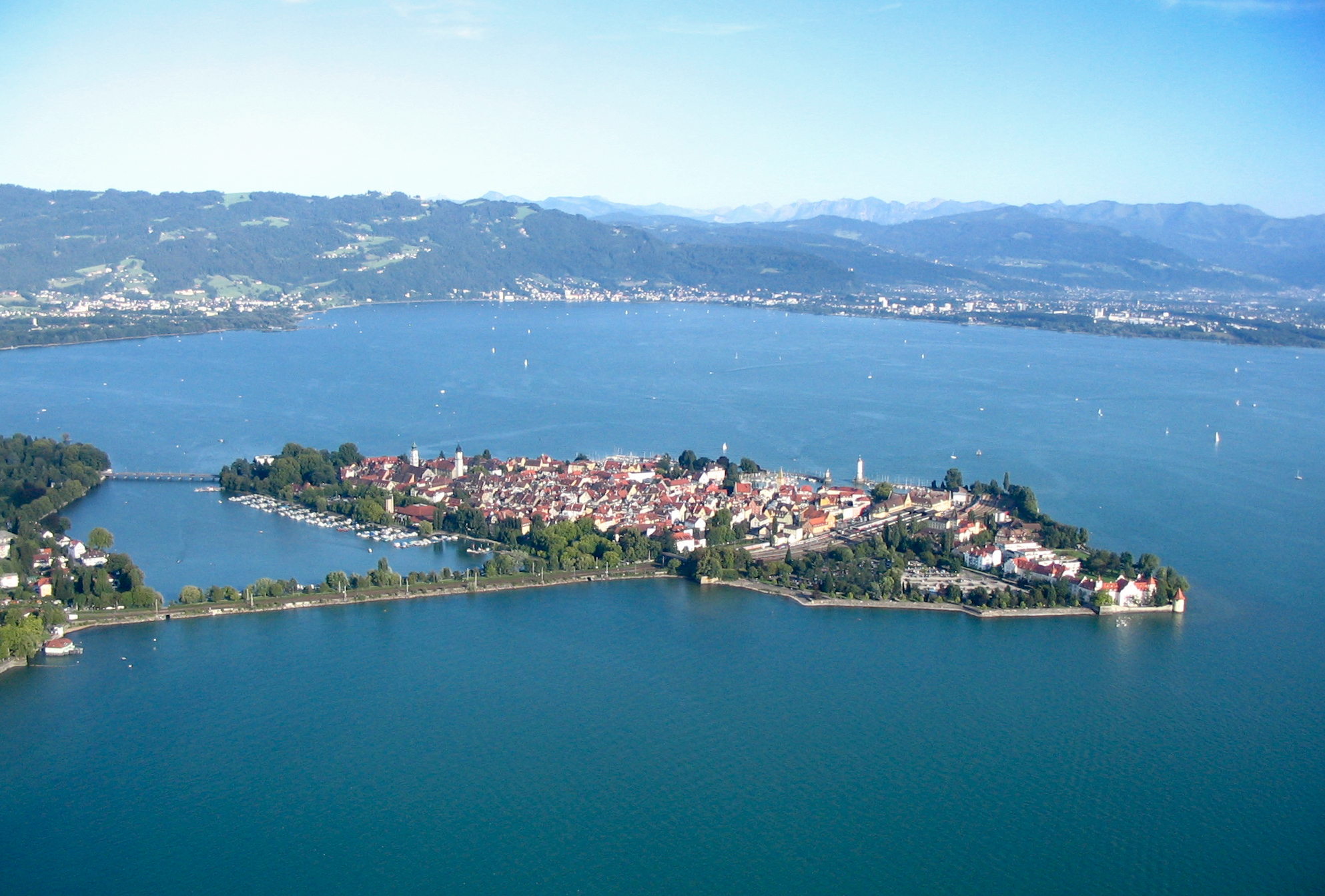
Lindau Island. Credit: CC-BY Edda Praefcke

Continue reading

Conversations with the Countess: Lindau: A Nerd Heaven of Nobels and Nobles

Alaina G. Levine was live from the Lindau conference

My week at Lindau, #NerdHeaven, was in a word, sublime. I can’t tell you how much I enjoyed speaking with all the different people it draws, including Nobel Laureates, early career scientists, journalists, and representatives from foundations and governments the world over. I learned so much about so many different areas of science and society. I gained so much from the experience. And now that it has come to a close, I feel like crying in my streuselkuchen.

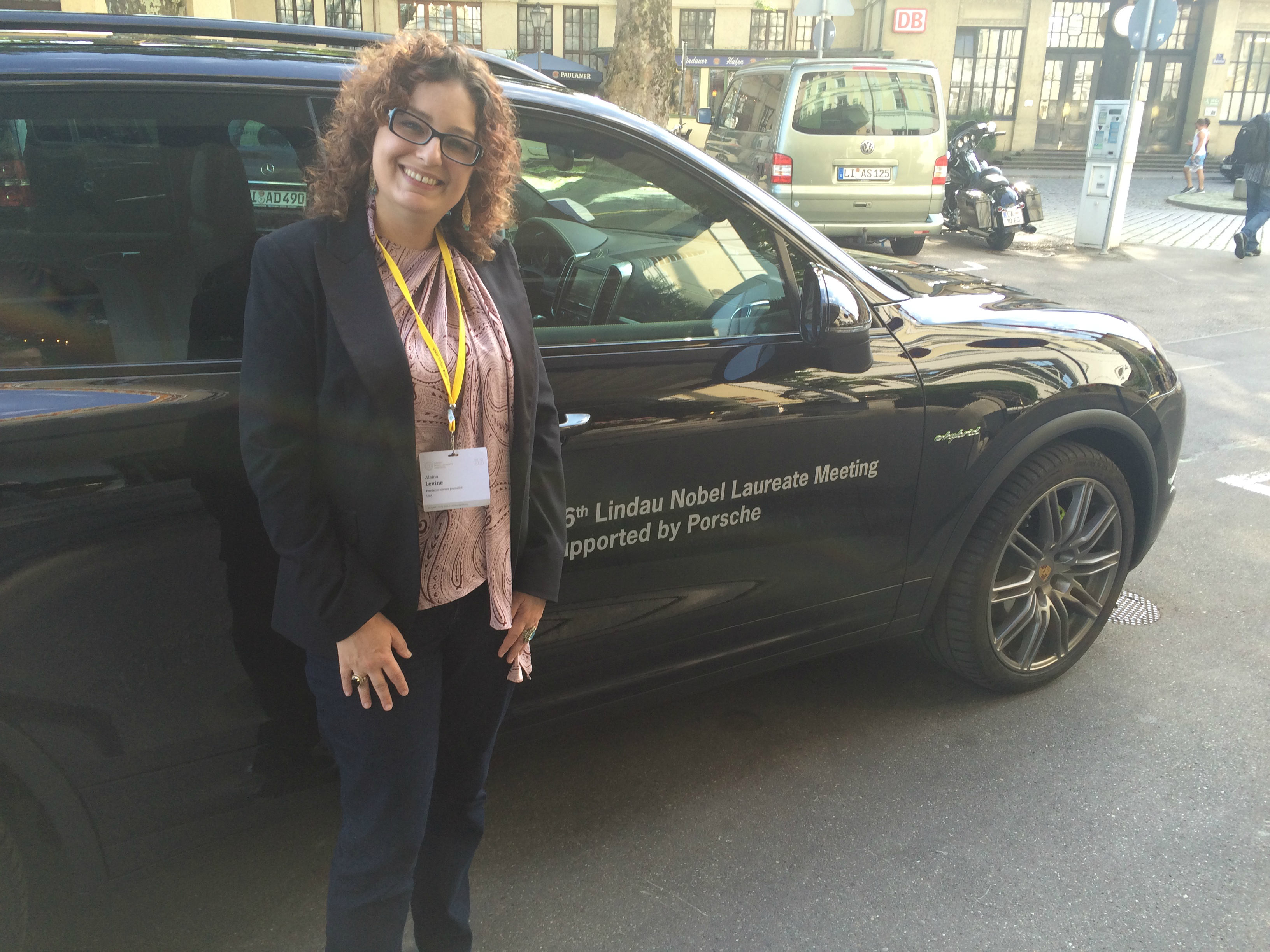
Alaina at Lindau

Nevertheless, it’s over, and I’m left to is relive some of the best moments. Continue reading

Getting the message out

How do you engage people with your science?

So you’re all over Twitter and Facebook and you even have a blog. Good on you – you’re your own public-relations and outreach specialist, getting the word out about your science. But what about the other kind of outreach – what’s still called science communication? Can you talk with a member of the press for an interview, or deliver your message to key thought leaders – such as government officials who decide on funding agencies’ annual budgets? Is it just a bit scarier than tweeting?

Continue reading

Women in physics: personal perspectives

Following the IOP’s “Taking Control of your Career as a Female Physicist” event, Dame Professor Athene Donald and Professor Val Gibson spoke with Helen Cammack about their careers within academia.

Guest contributor Helen Cammack

In my last blog post, I discussed career progression, publishing and gender equality with Professors Donald and Gibson. Here, we continue our conversation.


Did you relocate often as a postdoc?

AD: I moved around – I had a postdoc in the States, then returned to Cambridge. But at that stage I wasn’t really thinking about a career, so I wasn’t that bothered about what happened next. I didn’t intend to be an academic, so the pressure wasn’t on me. Nowadays everyone has to be calculating and publish in the right journals, and the pressure can detract from that freedom.

VG: When I was in my early career, I was just enjoying the moment, and I wasn’t thinking about my future career. The postdocs of today seem to more aware about career opportunities; they know that the majority of them won’t stay in academia; they’re looking around for what they would like to do and they’re picking up the skills they need for the future. It’s not just the academic side, it’s also the personal aspects – they’re concerned about getting on the housing ladder and potentially having families. At that stage those concerns never crossed my mind.

Continue reading

Women in science: Clogging the leaky pipeline

Karin Bodewits and Philipp Gramlich think we should stop actively persuading women to study life sciences – a field in which they face unique challenges.

Guest contributors Philipp Gramlich and Karen Bodewits

Philipp Gramlich and Karin Bodewits


Continue reading

Women in physics: personal perspectives

Following the IOP’s “Taking Control of your Career as a Female Physicist” event, Dame Professor Athene Donald and Professor Val Gibson spoke with Helen Cammack about their careers within academia.

Guest contributor Helen Cammack

Since I entered the third year of my PhD, my future career has been increasingly on my mind. I’ve been to a few careers events with stands full of free USB pens and glossy brochures, but always came away disappointed, unable to see myself in the roles they had advertised. The IOP’s careers event was different; there, people shared my aspirations and were sympathetic to my concerns. The opening talk by Prof Athene Donald was inspirational, and there was a variety of guest speakers who had used their physics training to build successful careers. I came away from the day with a new buzz, excited about my career possibilities.

 DSCF8031-small Continue reading

How to beat the hidden discrimination at the heart of the job hunt

Ronald McQuaid, University of Stirling


When you send off a CV to a prospective employer, you will hope to get a fair hearing. You will hope that your skills, experience and qualifications decide the response, rather than the school you went to, your post code, or even your name. Instinctively, though, we know that this isn’t always the case. Prime Minister David Cameron already has zeroed in on the issue of how applications from people with non-Anglo-Saxon or Celtic names are treated:

Do you know that in our country today: even if they have exactly the same qualifications, people with white-sounding names are nearly twice as likely to get call backs for jobs than people with ethnic-sounding names?

The UK civil service, and many major employers, have agreed to introduce application forms without the applicant’s name, in order to reduce the potential for discrimination. But how much does theory and evidence back this up? Continue reading

Selling yourself: 7 sales techniques to advance your career

In an increasingly competitive job market, knowing how to properly sell yourself as a candidate may give you the edge, says Kristopher James Kent.

In certain circles, ‘sales’ has become taboo; the word summons memories of double glazing, cleaning supplies, or accidents that weren’t your fault. Despite this, a great salesperson simply believes in their product, and knows how to portray its finer points in an effective way.

Similar knowledge could give you the edge in applying for your next job or promotion. Sure; having the requisite qualifications and soft skills (being personable, confident, organised) is essential, but understanding your own value, and knowing some of the finer skills that salespeople use in their pitch, may help you to better present yourself to an employer.

FullSizeRender-small

Continue reading