Science and social mobility

David Payne examines the links between socioeconomic status and a career in science.

“Congrats on the new job David, good to see a ‘Stabbo’ lad doing so well…”

So said Richard, a Facebook friend and former schoolmate in a reference to my status change last month, posted the night before I started working at Nature, and to our home town.

GettyImages-164210725-smaller

Stabbo — AKA Stapleford — lies on the Nottinghamshire/Derbyshire border. One of its local authority wards has the highest percentage of lone parent householders in the borough, some of the highest rates of overcrowding, domestic abuse, and alcohol related hospital admissions and emergency asthma admissions. The latest news I heard about my home town was that its only supermarket is set to close. Its replacement? A discount store. Continue reading →
Away from Home: Marrying bioinformatics & benchwork

We’re bringing you the best stories in lab mobility from Nature India.

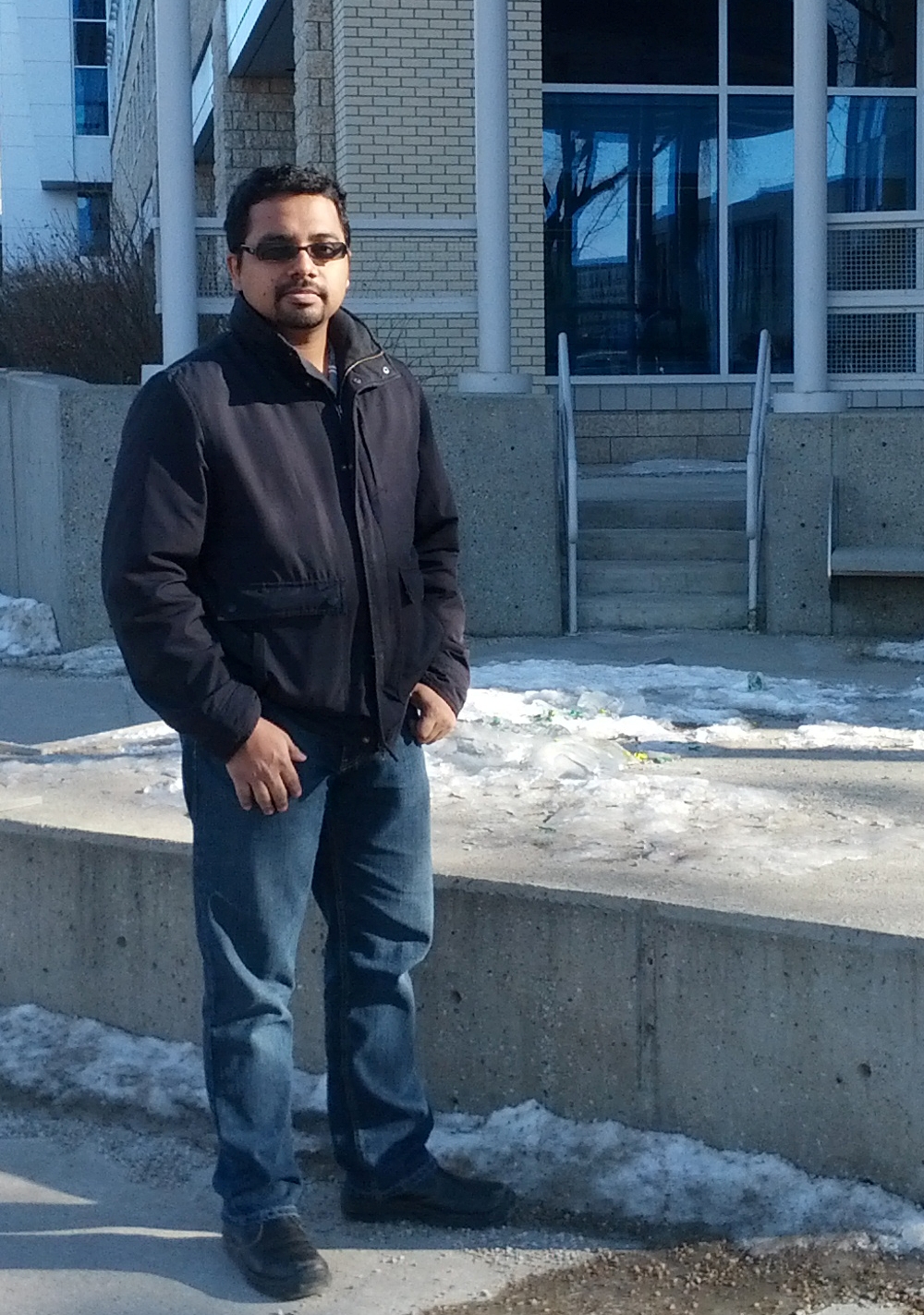
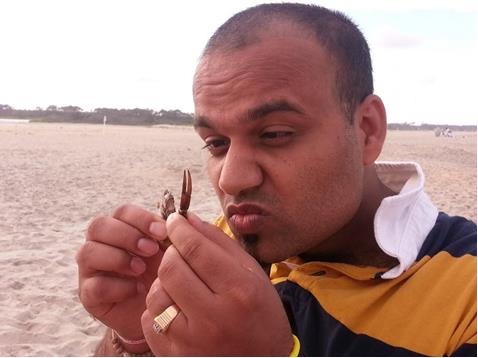
Today we feature Animesh Shukla, a biotechnologist from Meerut Institute of Engineering and Technology in Uttar Pradesh, India who went to Carnegie Mellon University and Indiana University of Bloomington in the USA for PhD. Animesh, who works as a scientist designing ELISA assay kits for Meso Scale Diagnostics now, says planning ahead of time for a postdoctoral career could open up several doors in the land of opportunities.

Animesh Shukla

The biology dream

My school teacher Jessy Kuruvilla sparked my interest in biology. She used to explain the subject in such an interesting way that I still remember many things she taught us. I don’t remember much of any other subject. In high school I was interested in both biology and physics (specifically fluid dynamics). I never used to score really high marks in these subjects but had very good understanding of the basics.

I used to catch and collect live and dead insects or small animals and used to look at them. Some of my friends used to make fun of me (they still do) but that is what friends are for! Continue reading →

Away from home: ‘Research not Nobel-driven’

We’re bringing you the best stories in lab mobility from Nature India.

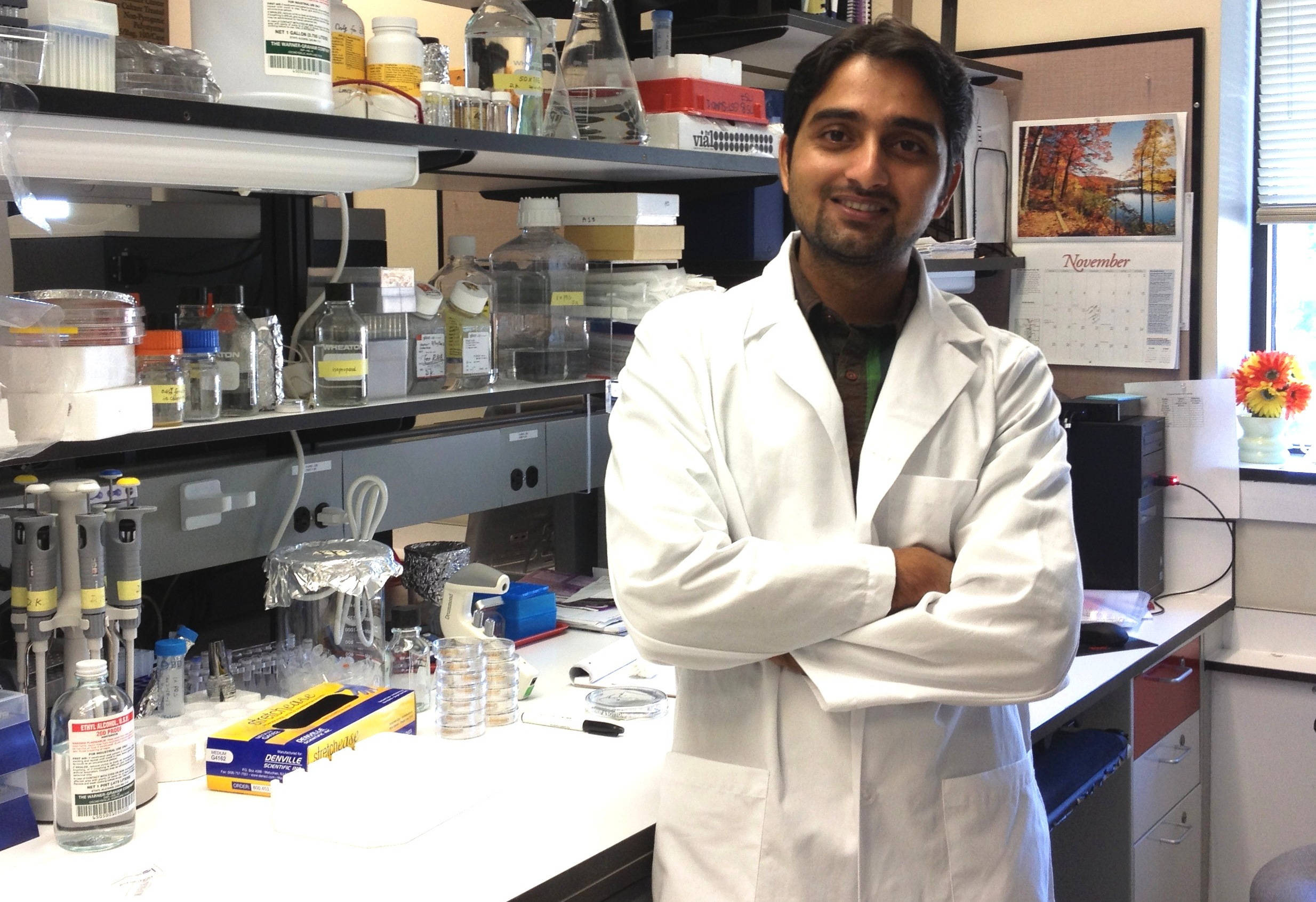
Today’s blog comes from Arghya Basu, who wears many hats — that of a membrane protein researcher, an amateur photographer and a weekend hiking enthusiast. A doctorate from Indian Institute of Chemical Biology, Kolkata, India, Arghya now lives his many passions working at the University of Alberta, Canada and says research might not always fetch you a Nobel but should be able to make life better for some.

AB

Dad, my first science teacher

My father was my first science teacher. A banker by profession, he had an extraordinary skill to explain the world and all conceivable worldly acts in terms of science. I remember, as a kid I used to look forward to those hours when my father would come back from office and open my science books, be it the physical sciences or life sciences. The next few hours used to be magical. I always wanted to touch that magic. So, it was a no-brainer for me to choose science and scientific research as my future career quite early in my life. Continue reading →

Away from home: Getting the right exposure

We’re bringing you the latest stories in lab mobility from Nature India.

Today we hear from Anil Shukla, a PhD from the Department of Biotechnology, IIT Guwahati, who chose to work as a postdoctoral fellow at the National cancer Institute in USA to be able to get a world view of cancer research. Though he loves his work environment and research standards, he misses the warmth of Indian friendships and human relationships.

Continue reading →

Finding a place to hang my lab coat

Australia might be the land of surf, swim and sun, but something’s making all the scientists flee, says Naturejobs journalism competition winner Catherine Carnovale.

When now ex-Australian Prime Minister Tony Abbot abolished the role of science minister in September 2013, members of Australia’s scientific community fastened our seat belts. This telling sign signalled the first of many cuts to science and innovation before the new government delivered their knock-out punch to the industry in the form of the 2014-15 budget.

4925267732_492be0075f_o-smaller

{credit}Calsidyrose/Flikr{/credit}

Continue reading →

Away from home: Where animals and reagents abound

We’re bringing you the best stories in lab mobility from Nature India

Every Wednesday, our ‘Away from home’ blog series features one Indian postdoc working in a foreign lab recounting his/her experience of working there, the triumphs and challenges, the culture factor, tips for Indian postdocs headed abroad and what he/she misses most about India.

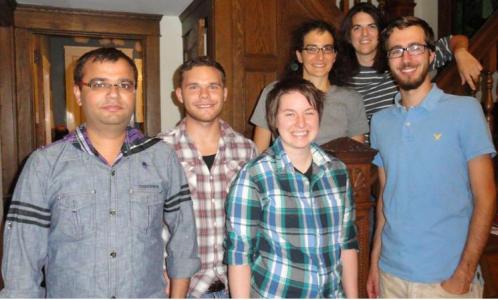
This week’s blog features Mainpal Rana, a PhD from the Biological Sciences and Bioengineering Department of Indian Institute of Technology Kanpur and currently a postdoctoral associate at the Magee-Womens Research Institute Pittsburgh affiliated to University of Pittsburgh, USA. He tells us the joys of not having to wait for reagents for experiments and the woes of not having Indian utensils in an American kitchen.

Mainpal Rana (far left) with his group members from the Magee-Womens Research Institute Pittsburgh.

Continue reading →

Finding job satisfaction at a biomedical device company

Perseverance can help land a position, but relevant experience is a big help.

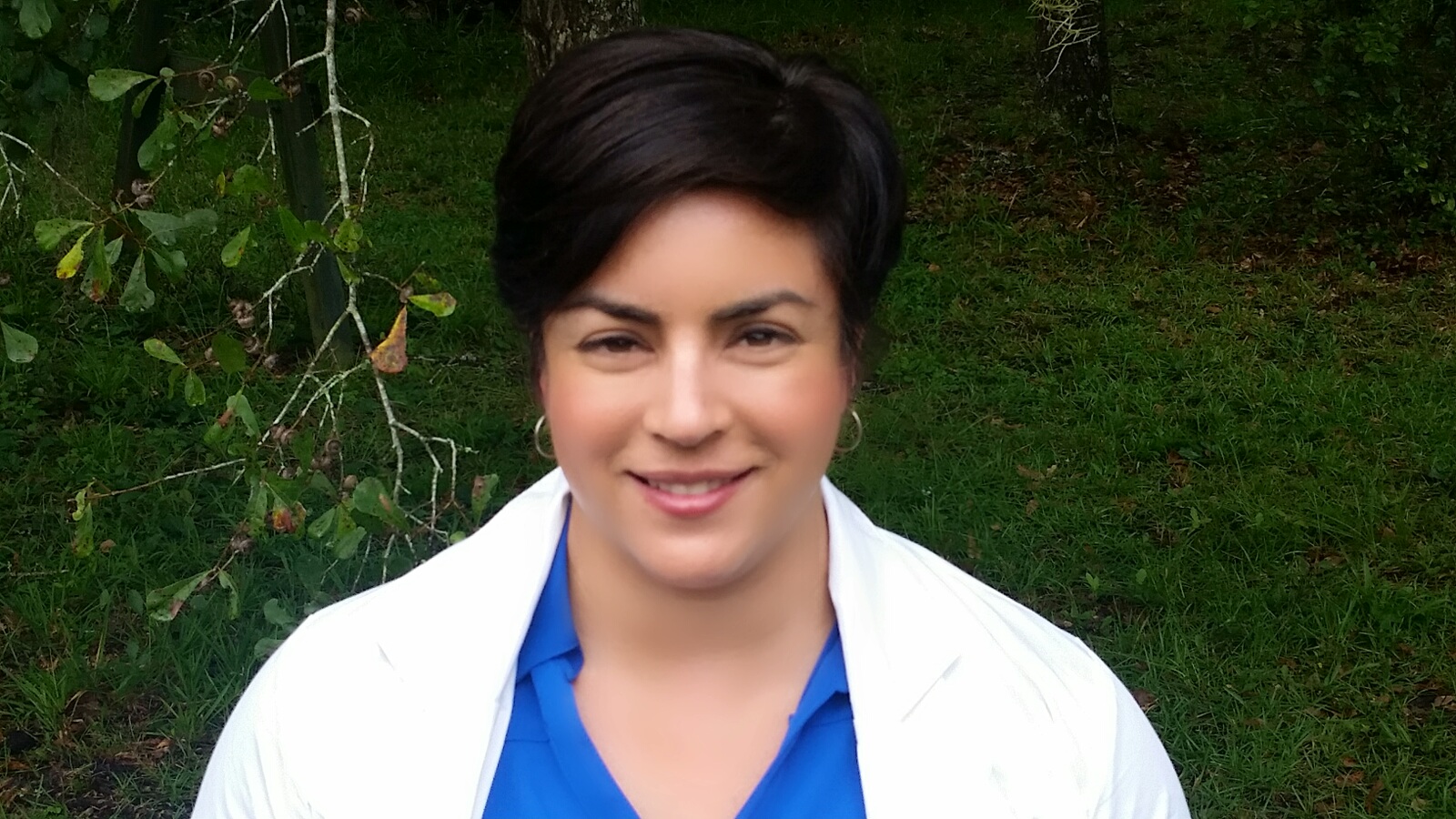
As she was finishing a postdoc at the University of Florida, Gainesville, Stefanie Marquez-Vilendrer found herself in the midst of a long, broad job search. She describes how she landed a position at Axogen, a biomedical company that develops and sells products for nerve surgeries.

If you’ve moved from a trainee position to a permanent job within the last five years and would like to participate in this series, please email naturejobseditor@nature.com.

2016-10-03-08-16-35-835

{credit}Joseph E. Vilendrer{/credit}

Continue reading →

On the move

Moving lab is a challenge. Moving country is an undertaking of vast proportions that often requires months of logistical planning for everything from finagling visas and finalizing funding to transporting delicate cultures and mastering a new language.20151126_132257-edit

Continue reading →

What’s different in your day to day (from graduate school)?

We ask academics at the Naturejobs career expo, San Francisco, what’s changed.

https://youtu.be/rKE2n_tobmk

New hope for EU researchers?

Pursuing a research career is tough in any nation, maybe especially so for junior scientists who are facing a difficult path and have far fewer traditional metrics to ease their way: grants and funding, publications, collaborations.

bratislava-1324684_1920

Bratislava Castle, Slovakia

Continue reading →