Should you join a start-up company after academia?

A career in a start-up company is more than just risk, discovers Idil Cazimoglu.

This piece was one of two winners of the Science Innovation Union writing competition, Oxford.

“Risky.”

My housemate, now in the final year of his PhD, had a one-word answer to my question “Would you consider working in a start-up company after you graduate?”

Intrigued, I posed this question to fellow PhD students in various disciplines over the following weeks, and received similar answers including “I don’t want to live in uncertainty,” “No job security,” “Academia is more stable,” and, memorably, “I’d rather go bungee jumping.”

rocket-1122402_1920

Not everything launches so smoothly

Continue reading

Out of the lab and onto the streets

Nicole Forrester recounts and reflects on her experience at the March for Science in Washington D.C.

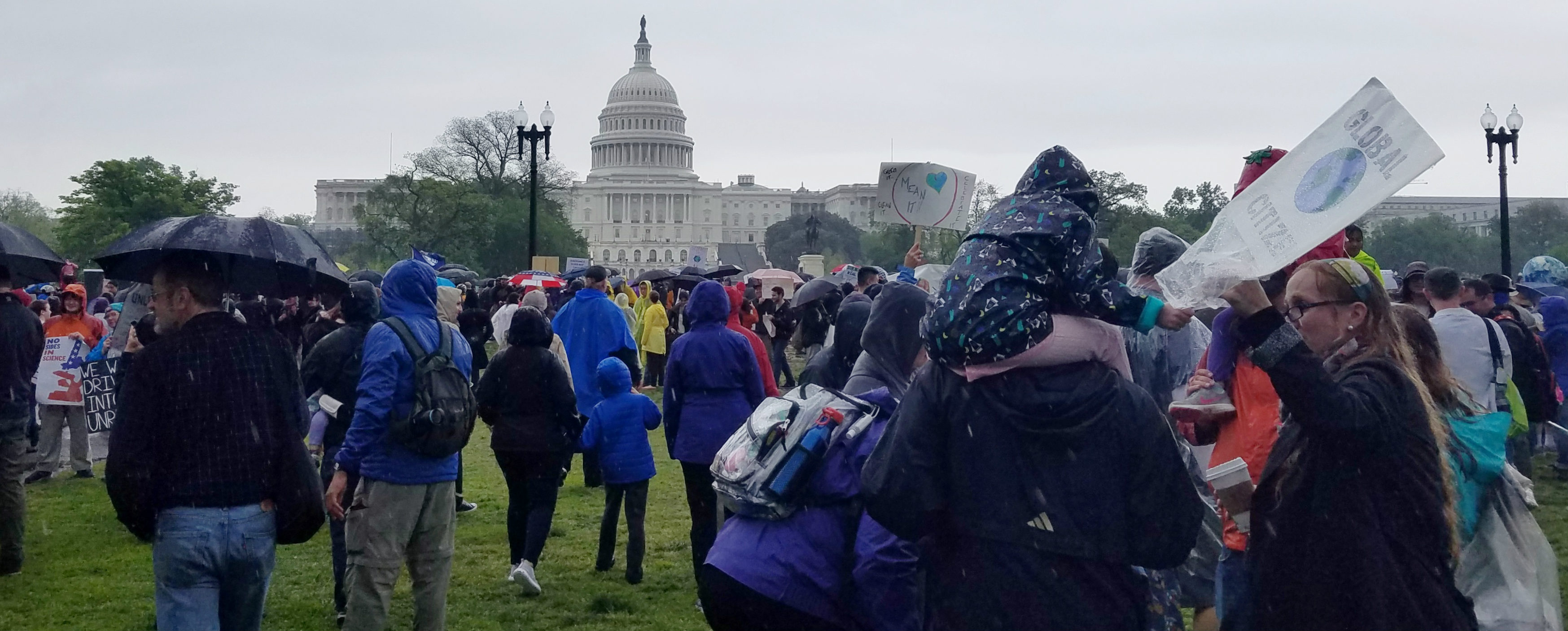
April 22 began with a drizzly ride on rented bikes through the streets of southeast D.C. to the Washington monument. I was accompanied by Dylan Jones, an outdoor recreation and environmental writer from West Virginia. “I typically opt for escaping civilization on Earth Day,” Jones said, “but today I decided to go straight into the heart of it.” We weaved through roads littered with people in rain shells and lab coats, carrying vibrant signs and rainbow umbrellas.

Capitol-smaller-cropped

Continue reading

Why I marched for science – a transatlantic perspective

The March for Science turned a spotlight on the importance of research. But it won’t have a lasting effect unless we improve science communication, says Judith Reichel.

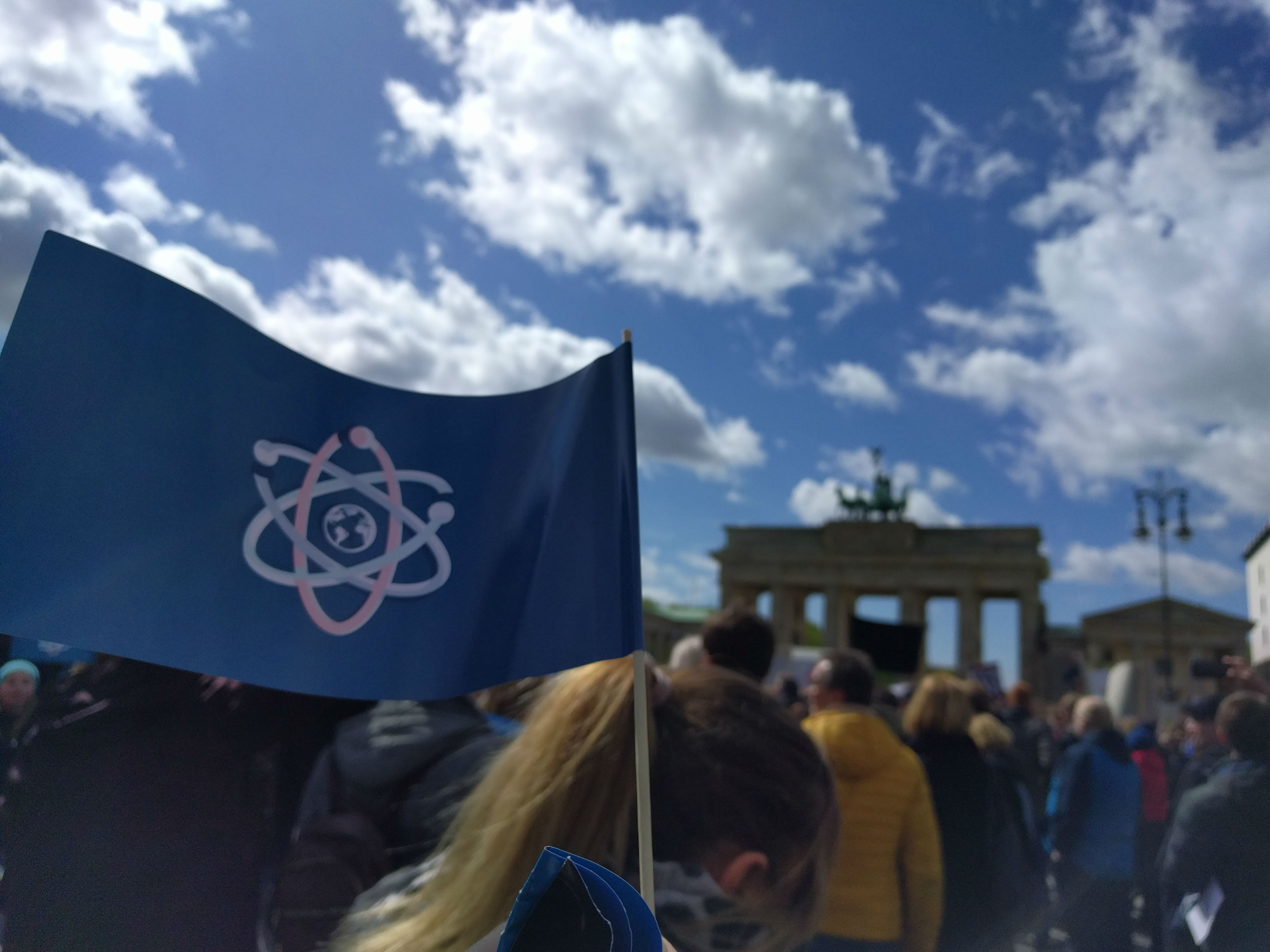
On Saturday, April 22nd, myself and an estimated 11,000 other science supporters marched in Berlin. The event was part of the global “March for Science” that took place in over 600 cities worldwide. While the March here and everywhere else was a great success in putting a spotlight on the importance of research and the danger of building on false facts, I’m worried it won’t have a lasting effect on the public perception of science if we don’t improve our science communication.

MarchforScience-Judith-1-smaller

The March for Science passes the Brandenburg gate in Berlin, Germany

Continue reading

Being a foreign scientist in Trump’s America

How is the Trump administration affecting foreign scientists working in the US?

A Spanish bioscience postdoc on a non-immigrant J1 visa, based in California, who wishes to remain anonymous, shares her perspective as a foreigner in the US in the current political climate with science writer Louisa Cockbill.

We’re now three months into Trump’s presidency.  What effect has it had on you?

On election night I was very disappointed and upset. It was frustrating not to have the right to vote as the political decisions made in this country affect my life. The uncertainty of what happens now is kind of scary. In general I still feel welcomed and still love living here. However, as an immigrant, a woman and a scientist it’s not surprising that I’m a little worried – these aren’t positions that seem to be supported by the administration. I check nearly every day to see if they have decided to change something with my visa or green card applications that may affect me personally.

The inauguration of President Trump

Continue reading

Exploring science communication

Science communication comes in many forms. Discover your favourite, says Andy Tay

There’s a few reasons why scientists may be discouraged from science communication. Here, I’m hoping to break down some of those barriers, and introduce channels and platforms where scientists can practise. First, here are some of the reasons stopping more scientists from practising science communication, as well as my rebuttals.

GettyImages-200525300-001-smaller2 Continue reading

Securing workplace rights for scientists in the age of Trump

Unions could be the best way to protect scientific jobs in uncertain times, says union president Anke Schennink.

In the wake of Donald Trump’s election, the scientific community is on edge. The future of federal science funding remains unclear, campus inclusivity is under threat, immigration policy is in disarray, and entire academic fields – such as climate change research – fear the worst.

2017-03-24 SF Barg Action pic

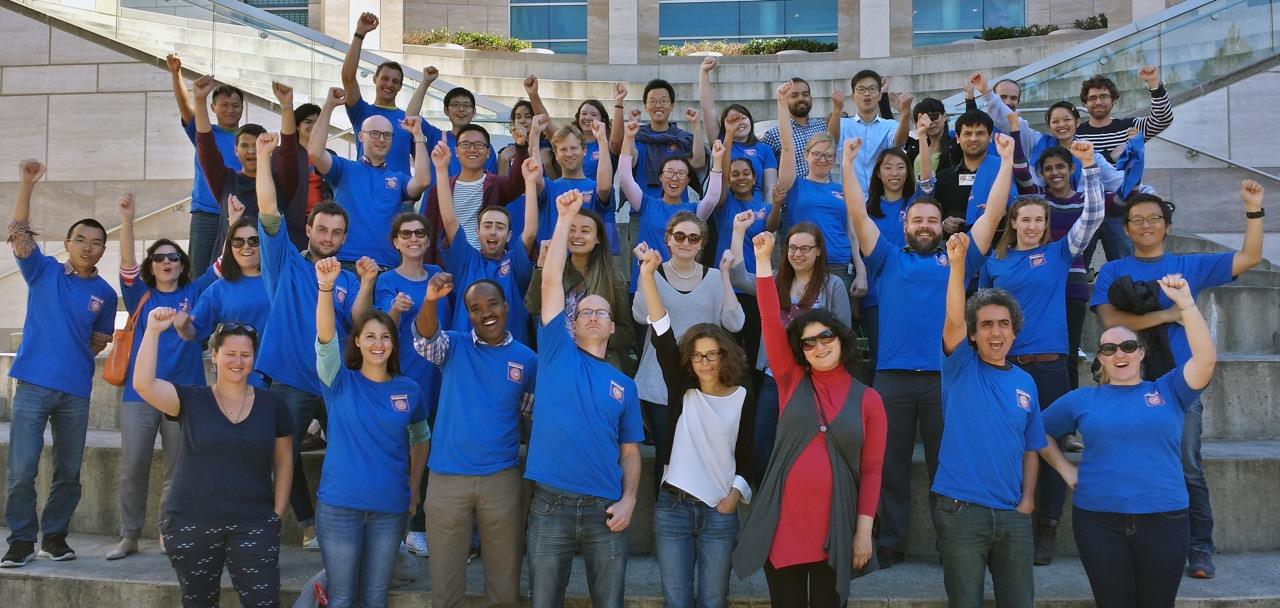
UC Postdocs in solidarity at UCSF on a day of bargaining.

Continue reading

Why I will not be marching for science

Virginia Schutte says the March for Science won’t meet her goals or those set out by the organizers. Here, she shares some alternatives.

When I was in graduate school, I learned to create classes using backward design. Backward design encourages setting goals and then planning a course of action to meet those goals. This strategy can be applied to almost anything in life. “What do I want for dinner?,” for example, can transform into “I need dinner to be quick” or “let’s get rid of what’s about to go bad in the fridge.”

crowd-1294991_1280 Continue reading

Women aren’t failing at science — science is failing women

Women in science face considerable barriers to success. Why?

Image 20170215 27406 yhpp79Female scientists are often more productive than their male colleagues but much less likely to be recognised for their work.
Argonne National Laboratory/Wikimedia, CC BY-SA

Continue reading

Industry partnership programs: A new type of PhD?

External involvement in PhD programmes might help to fix academia’s big problem

The problems with traditional PhD programs are well-documented: money is tight, funding is limited, academics often aren’t able to train for positions outside of academia, and the path up to tenured faculty positions just keeps getting narrower.

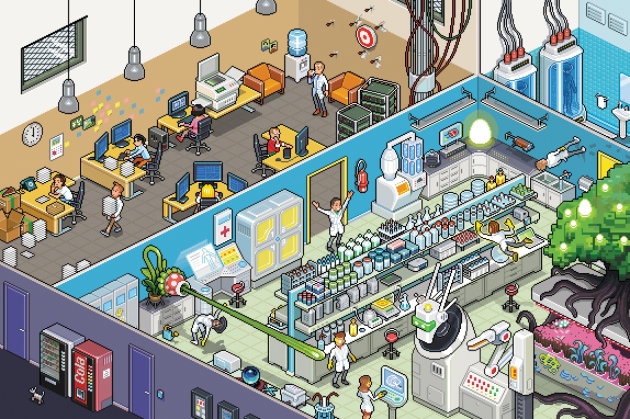
Illustration by Megapont/Folio Art

Continue reading

Finding job satisfaction as a humanitarian researcher

Panagiotis Vagenas left Yale University to advise a non-profit on research design and quality.

What did you do before Yale?

I’m from Greece originally. In 1996 — when I was 17 — I moved to London, UK. I studied biochemistry for my degree and did a PhD in immunology. When I graduated I moved to the Population Council labs at the Rockefeller University in New York to start my postdoc.

pic-smaller-cropped

Panagiotis Vagenas

What did you study?

I worked on basic research in HIV. What’s always motivated me is trying to help people — to have a meaningful career in that sense. So in summer 2010 I moved to Yale School of Public Health and did a master’s in public health (MPH), and went on to join the faculty at the Yale School of Medicine in 2013. Continue reading