US postdocs need more support from their institutions, says advocacy group

Compensation, benefits and parental leave, among other issues, continue to be problems for US postdocs, according to the US National Postdoctoral Association (NPA).

nj7677-549a-i1

US academic institutions continue to enhance postdoctoral researcher experiences, but there is room for significant improvement, according to a 3 January report  from the NPA in Rockville, Maryland. Continue reading →

Know the odds

The odds of landing a tenure-track position in the life sciences are low while the chances of being stuck in multiple postdocs are high. So the leaders of nine top US universities and one research institution this month announced a plan to communicate those probabilities in an effort to grapple with a clogged biomedical research pipeline.

d41586-017-07836-y_15264448

Continue reading →

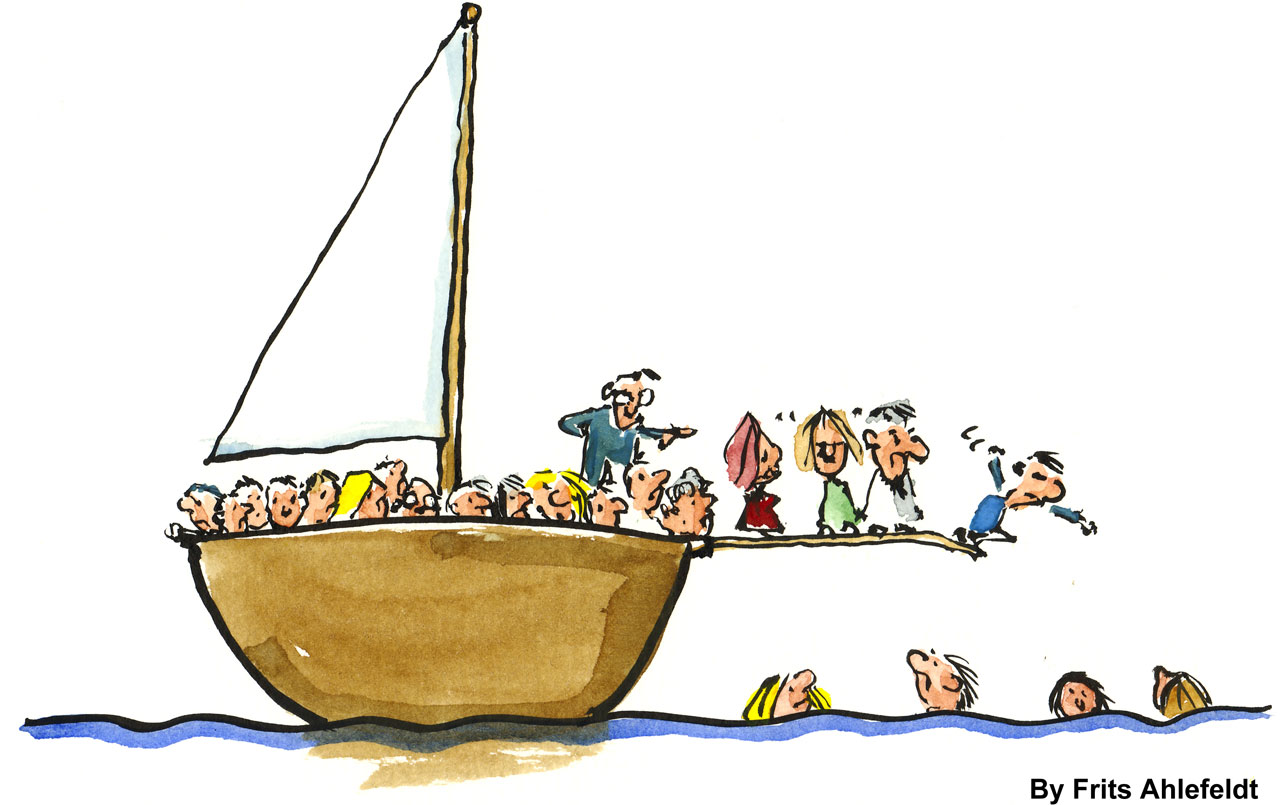
Abandon ship, or learn to swim: the gamble young scientists must make

For scientists, there’s nothing more frightening than a major grant rejection. With the scarcity of funding at the forefront of everyone’s thoughts, it’s time to talk about options, says Atma Ivancevic.

Job stability and a career in research are rarely put together. Science is a windy, grueling, uphill climb that might end abruptly at the edge of a cliff. Halloween is a particularly scary time for Australian scientists, as it signals the release of #NHMRC project grant results. Right now, many laboratories are facing difficult decisions due to rejected funding for next year. It’s not a surprise — we see it everywhere — yet it’s a shock that affects the entire scientific community. For early career researchers across the globe, it’s a timely reminder to carefully consider and plan for the future.

So, what are your options?


fritsahlefeldt

Continue reading →

Building skills through a gig

Some researchers are providing short-term services such as writing science news articles and consulting on industry products to bolster their skills outside the lab. These side gigs can be valuable for career development, says Josh Henkin. (See related story here.)

GettyImages-95692019-smaller

{credit}Noel Hendrickson/Getty{/credit}

Continue reading →

The real climate debate

Young scientists on the ground at Lindau share their thoughts on scientists’ place in the climate change debate

In the scientific community, the big question is not whether action on climate change is required, but what form it should take — and the part that scientists should play, says the recent Nature Outlook on Climate Change. Three early-career researchers share their thoughts on the current state on climate action worldwide and the place of science in society.

You can find the full Nature Outlook on Climate change here.

Julie Fenton

Julia Nimke/Lindau Nobel Laureate Meetings

Graduate student, Pennsylvania State University, USA

It’s hard for scientists to make definitive statements about the ‘truth’. Just as we don’t believe exactly the same things as we did 50 years ago, we expect our understanding of the things we’re learning now will change over time.

It doesn’t mean our current understanding should be dismissed as incomplete, but it can be a challenge to communicate this concept to non-scientists. It’s become evident that my communication skills are something I have to invest time in. It’s too easy to forget that we have a broader responsibility to the public. In my experience, public engagement is not a routine part of academic training. Every scientist can start by talking with people they know in their everyday lives. That’s not hard. Continue reading →


Finding mentorship

A quest for the perfect mentor might be doomed from the start – but that doesn’t mean you shouldn’t try

Naturejobs journalism competition winner Eileen Parkes

Having spent years trying to find the perfect mentor, I’ve learned there is more to mentorship than first appears.

Mentorship is given when someone with expertise and experience takes an aspiring scientist under their wing, to share their knowledge and advice, and to provide support and guidance in career development. It is distinct from coaching, or sponsorship, where the coach can give critical feedback or a sponsor may intervene directly in a protégé’s career. Importantly, mentorship is driven by the mentee, who should define their own needs for mentorship and career development.

blackbord design, with blue Light Bulb Continue reading →

Broken dreams

By Paul Smaglik

US postdocs are less satisfied with their lives than are the general public and people in some developing countries, according to a recent survey. Of the survey’s 190 participants, 30% said that they would not recommend postdoctoral training for their peers, and 20% said that they changed their career goals during their postdoc.

glasses-1611121_1920

{credit}Keron Greene{/credit}

The survey, published this month in F1000Research, an open-publishing platform, reflects a deep disenchantment with the US postdoctoral programme, perhaps because so many postdocs initially hope that their training will result in tenure-track positions that don’t materialise. While the number of postdoc positions has tripled since 1979, the number of available tenure-track positions has not increased to accommodate them. In the United States, 65% of all PhD holders pursue postdocs, but only 15-20% of those attain a tenure-track position (Nature, 2015; 528 (7580): 22–25). Continue reading →

In sickness and in health: the importance of taking regular breaks

Time away from work is crucial for daily productivity and personal development, says Atma Ivancevic.

A few weeks ago, I took my first sick day for the year. I was mentally and physically exhausted: disheartened by delays and failures in the laboratory, and constantly bad-tempered from headaches and stress. I started staying up late. I stopped exercising and gave up my hobbies. I ignored my friends, partner and family, irritated by the distractions they presented. I prioritized work to the extent that I became miserable and unproductive, existing on bad coffee and fast food.

pic

I was not alone. Continue reading →

Management 101 for scientists – three rules for managing a successful team

Joanne Kamens, Addgene’s executive director, shares her top tips for effective scientific management

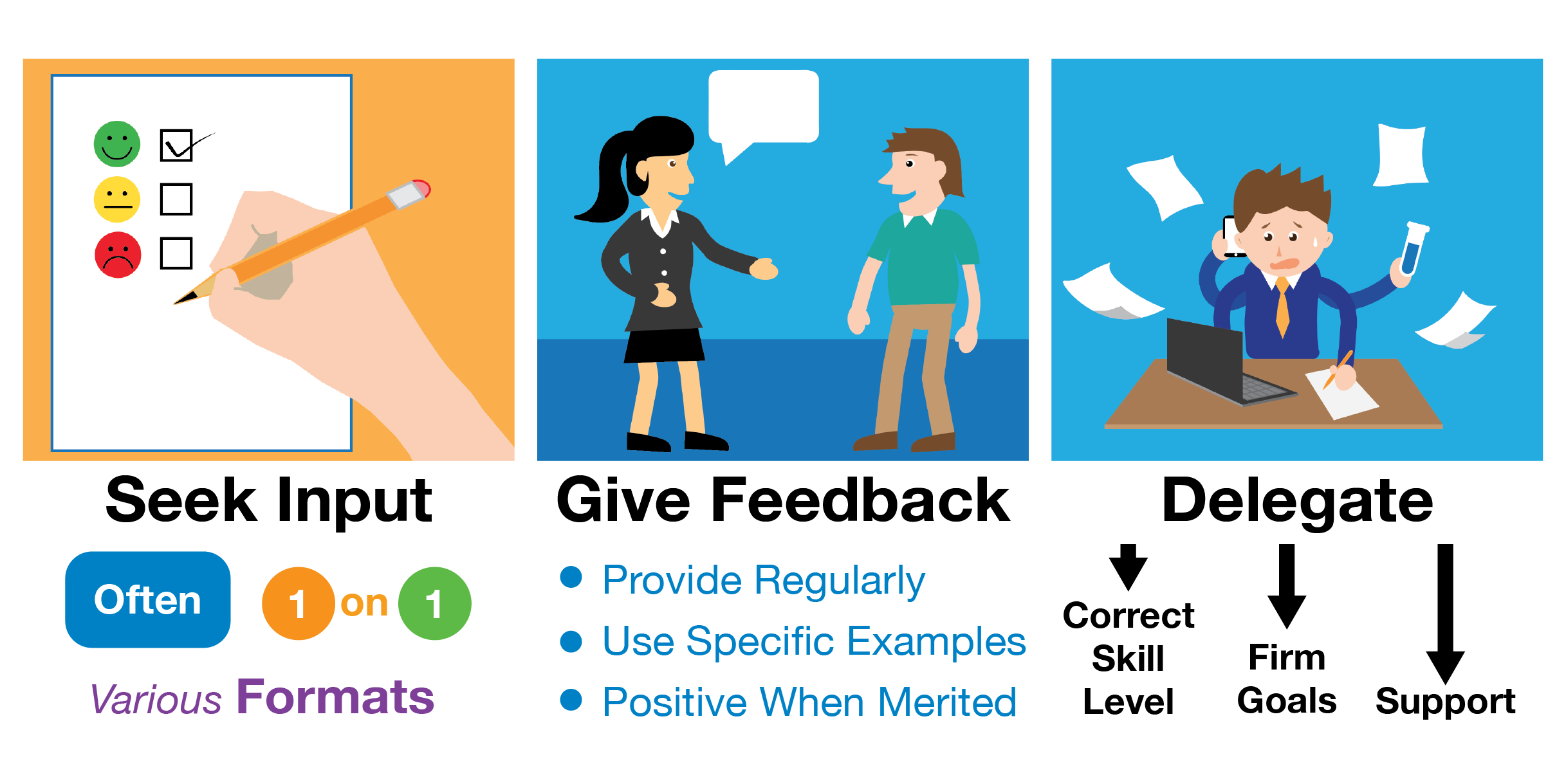
Good management can make an enormous difference in the success and productivity of any team. Unfortunately, new managers are rarely chosen because they have demonstrated skill at managing people. After 10-15 years of training, many scientists will be expected to run an academic lab or manage a team outside of academia with little experience and almost certainly no formal training. The kind of smarts and the types of skills that it takes to be a good scientist are not the same ones it takes to be a competent manager (much less a really good one). While getting your PhD or doing a postdoc, few science trainees have opportunities to work on their emotional intelligence or to hone their delegation skills.

So what makes a good manager? First, it takes an open mind willing to learn and develop skills. Managing a team is hard and scientists should reject the myth that “it comes naturally” to some.  Most good managers have worked hard to learn principles of good management and they continually build their skill set with experience and trying new tactics. Second, being a good manager requires a focus on the goals.  I believe the most important goals are to get a lot of stuff done, to produce excellent quality work and to create a team culture that provides a happy work environment. The first two goals may be obvious, but why the third?  Happy people get more done and do better work and a positive culture attracts good people.

Here are three areas to work on.

Management Infographic

{credit}Wu Li; addgene{/credit}

Continue reading →

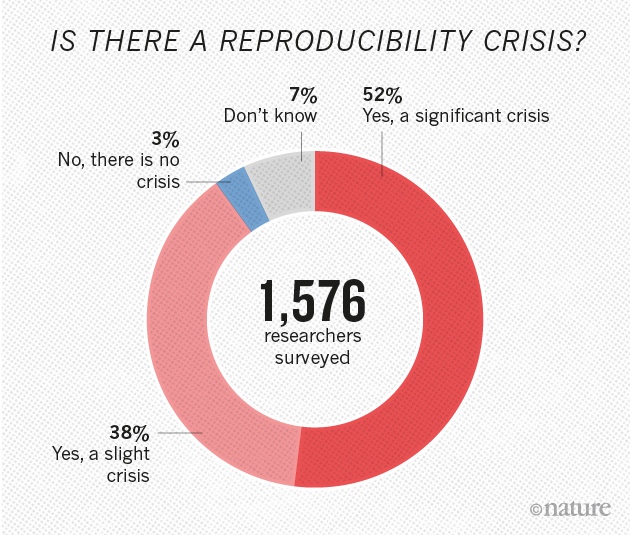
To improve reproducibility, listen to graduate students and postdocs

The National Institutes of Health (NIH) should implement a national exit interview portal to collect feedback from mentees on their experiences.

Funding agencies should not penalize poor performers; instead they should reward good mentorship, says Ahmed Alkhateeb

Continue reading →