Finding job satisfaction in industrial research

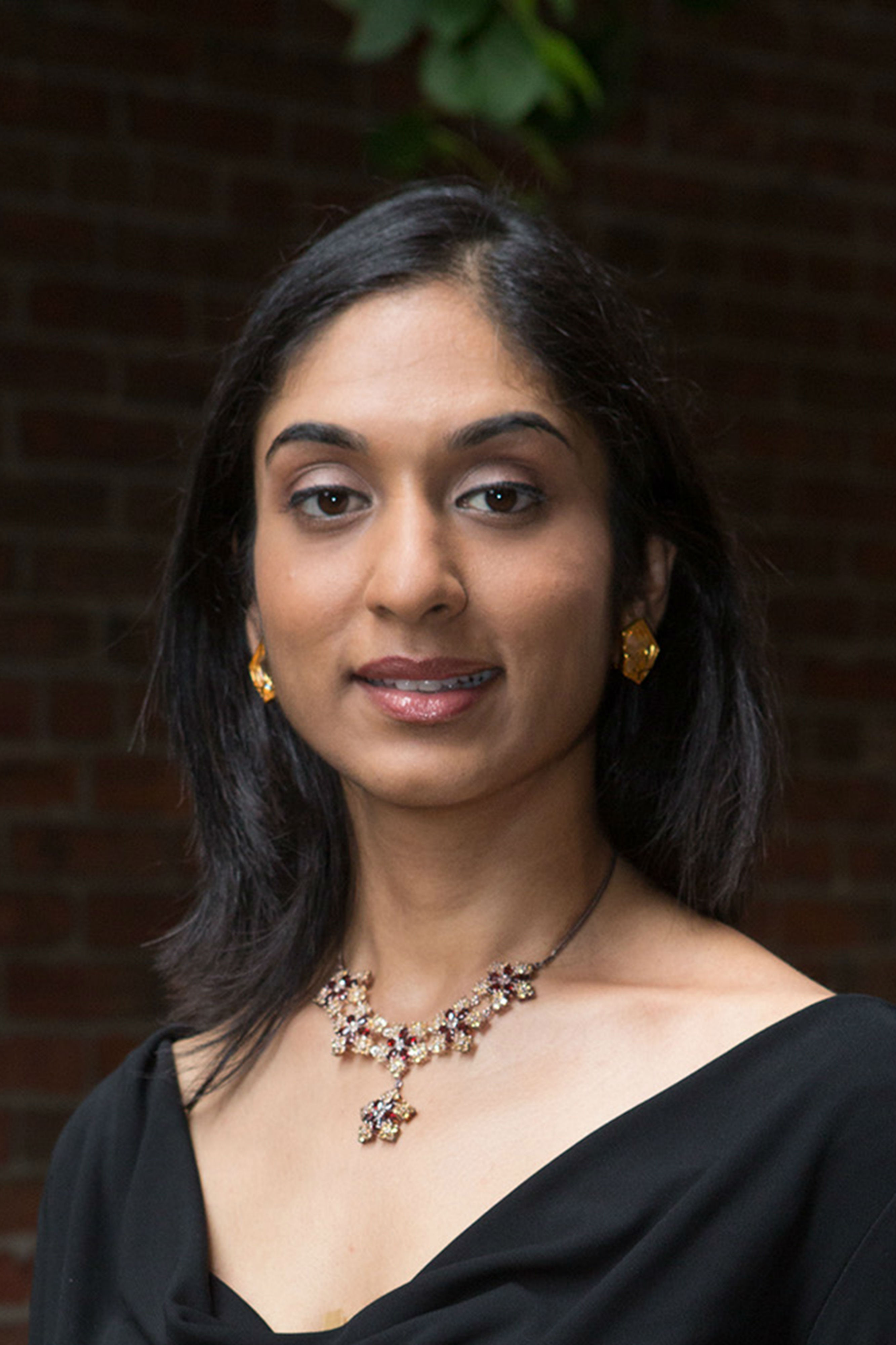
After finishing a PhD and postdoc studying the cellular mechanisms behind cardiovascular disease, Shikha Mishra decided not to continue in academia.

She found she could still do the work she loved at the bench by doing product development research at Thermo Fisher Scientific.

Mishra-msaller Continue reading

Away from home: ‘Research not Nobel-driven’

We’re bringing you the best stories in lab mobility from Nature India.

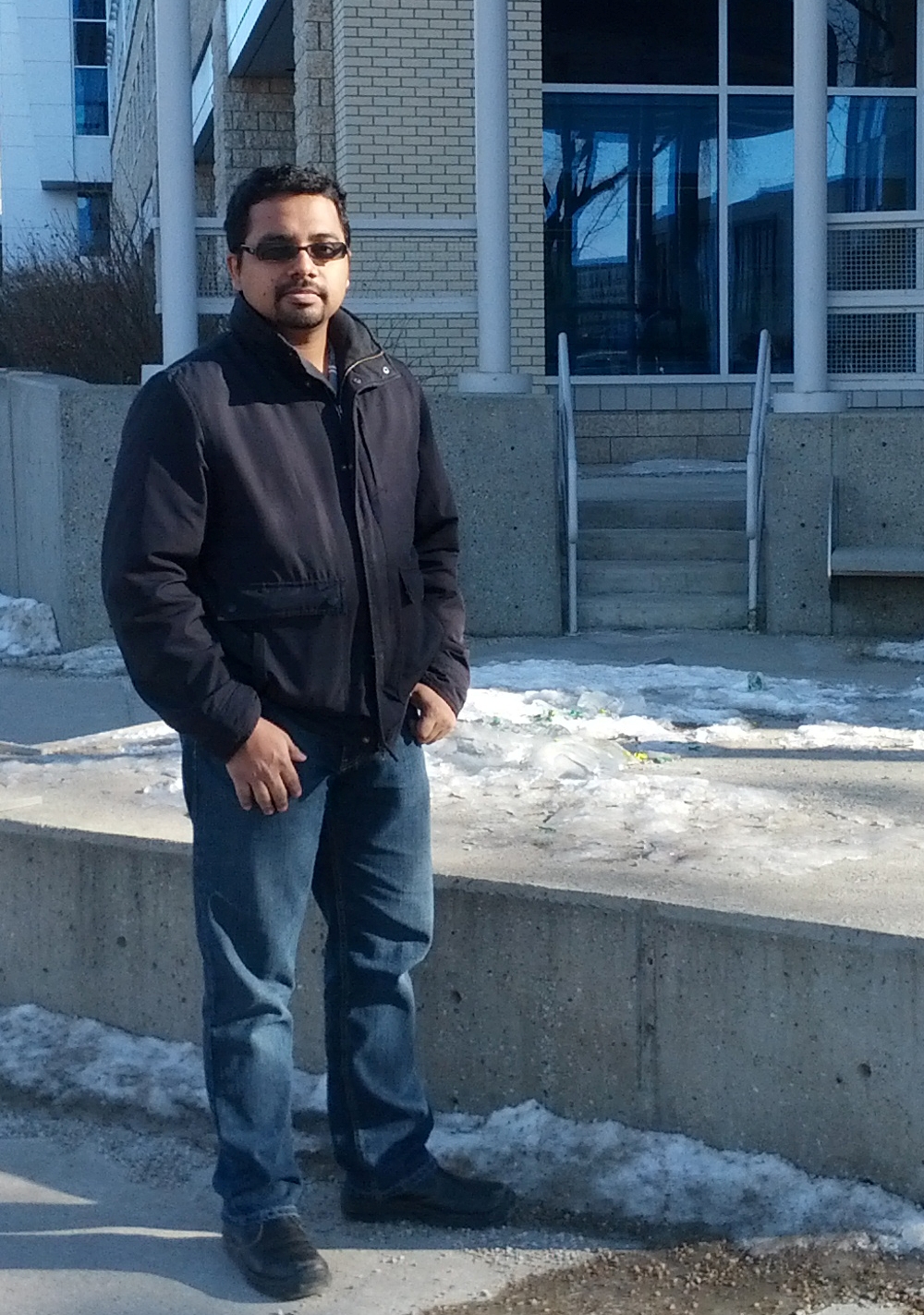
Today’s blog comes from Arghya Basu, who wears many hats — that of a membrane protein researcher, an amateur photographer and a weekend hiking enthusiast. A doctorate from Indian Institute of Chemical Biology, Kolkata, India, Arghya now lives his many passions working at the University of Alberta, Canada and says research might not always fetch you a Nobel but should be able to make life better for some.

AB

Dad, my first science teacher

My father was my first science teacher. A banker by profession, he had an extraordinary skill to explain the world and all conceivable worldly acts in terms of science. I remember, as a kid I used to look forward to those hours when my father would come back from office and open my science books, be it the physical sciences or life sciences. The next few hours used to be magical. I always wanted to touch that magic. So, it was a no-brainer for me to choose science and scientific research as my future career quite early in my life. Continue reading

Lab quizzes, cake clubs and lunch dates

A Nature special issue last week examined the plight of young scientists. David Payne runs over the details.

Interviewees described the pressure to publish, secure funding and earn permanent positions, leaving little time for actual research.

The cluster of articles, along with a podcast and infographic, do propose some ways forward to improve the situation. For example, four researchers suggest ways of enabling scientists to pursue promising ideas, and three “agents of change” who have left the bench explain how they’re trying to improve junior researchers’ experiences.

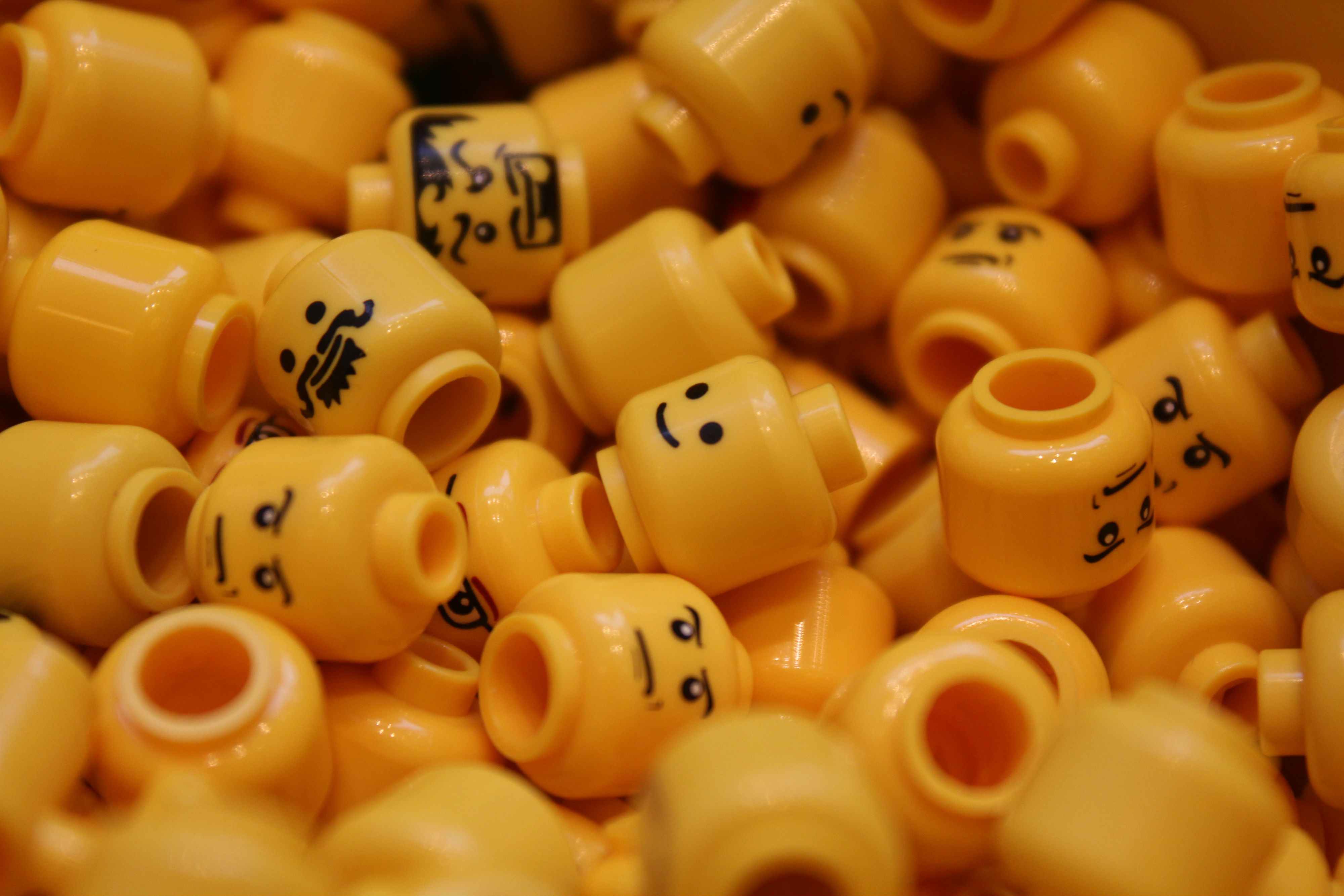
happy legos-smaller Continue reading

Away from home: Getting the right exposure

We’re bringing you the latest stories in lab mobility from Nature India.

Today we hear from Anil Shukla, a PhD from the Department of Biotechnology, IIT Guwahati, who chose to work as a postdoctoral fellow at the National cancer Institute in USA to be able to get a world view of cancer research. Though he loves his work environment and research standards, he misses the warmth of Indian friendships and human relationships.

Continue reading

Away from home: Where animals and reagents abound

We’re bringing you the best stories in lab mobility from Nature India

Every Wednesday, our ‘Away from home’ blog series features one Indian postdoc working in a foreign lab recounting his/her experience of working there, the triumphs and challenges, the culture factor, tips for Indian postdocs headed abroad and what he/she misses most about India.

This week’s blog features Mainpal Rana, a PhD from the Biological Sciences and Bioengineering Department of Indian Institute of Technology Kanpur and currently a postdoctoral associate at the Magee-Womens Research Institute Pittsburgh affiliated to University of Pittsburgh, USA. He tells us the joys of not having to wait for reagents for experiments and the woes of not having Indian utensils in an American kitchen.

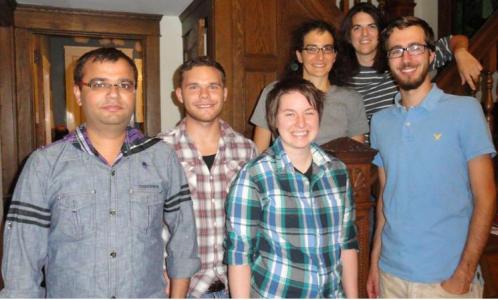
Mainpal Rana (far left) with his group members from the Magee-Womens Research Institute Pittsburgh.

Continue reading

The Alan Turing law

In 2012, on the 100th anniversary of his birth, Nature marked wartime code-breaker Alan Turing’s wider legacy.

The collection of features and opinion articles, along with an accompanying podcast, acknowledged that in his tragically short life, Turing — whilst working on a machine that would crack Nazi codes and become the modern day computer — shaped many of the hottest fields in science today, including artificial intelligence, biological pattern formation, and computation in physics.

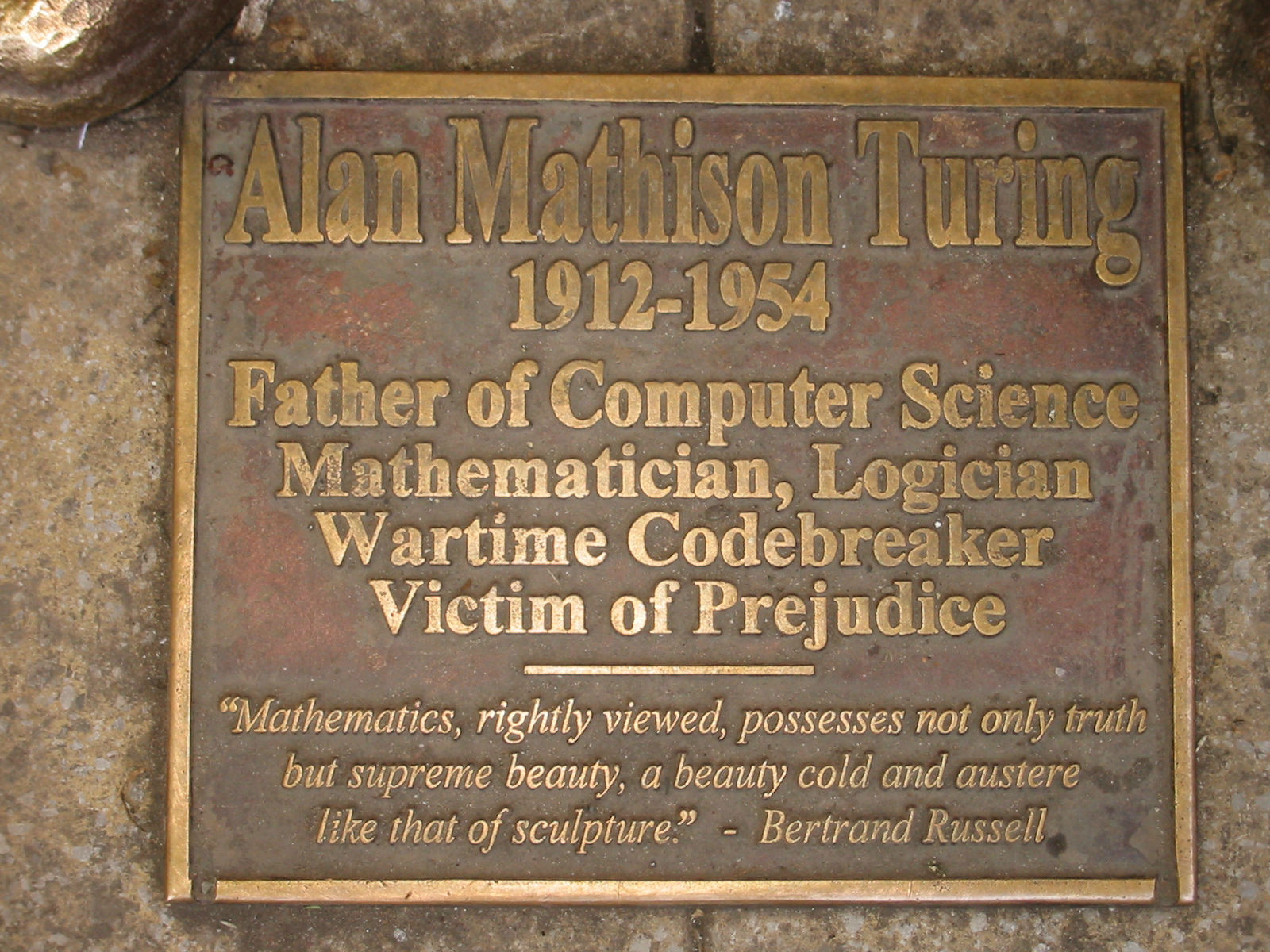
Turing’s suicide came in 1954, two years after his prosecution for gross indecency related to his homosexuality, which was then illegal in England. Turing had divulged to police investigating a burglary at his home that he was in a same sex relationship, and after pleading guilty was given a 12-month course of diethylstilbestrol injections, a synthetic oestrogen which rendered him impotent and caused gynaecomastia. The alternative, prison, would have meant he could no longer work on his ground-breaking mathematical theories. He was posthumously pardoned in 2013.

Sackville_Park_Turing_plaque-smaller Continue reading

What are the benefits of reproducibility in science?

There has always been an element of risk in science, which is why data must be reproducible, explains Ellen Phiddian.

On June 6, 2012, I skipped class to watch the transit of Venus. I was studying in Adelaide, Australia, where the transit lasted from early morning until mid-afternoon and we had a wonderfully sunny day to view it. If I had known a bit more about the history of the transit, I may have been more thankful for that.

ISS-45_Indian_subcontinent-smaller

A view of Venus from over the Indian subcontinent. This photograph was taken by Japan Aerospace Exploration Agency (JAXA) astronaut Kimiya Yui from the International Space Station on December 5th, 2015

In the 1760s, astronomers made long and convoluted journeys across the globe just to observe Venus crossing the Sun. Scientists at the time wanted the transit recorded from as many continents as possible, so they could use the data to calculate the distance between the Earth and the Sun. It took years of effort and huge sums of money to orchestrate such a viewing. Continue reading

Away from home: Modeling biology

We’re bringing you the best stories in lab mobility from Nature India

Every Tuesday, our ‘Away from home’ blog series features one Indian postdoc working in a foreign lab recounting his/her experience of working there, the triumphs and challenges, the culture factor, tips for Indian postdocs headed abroad and what he/she misses most about India.

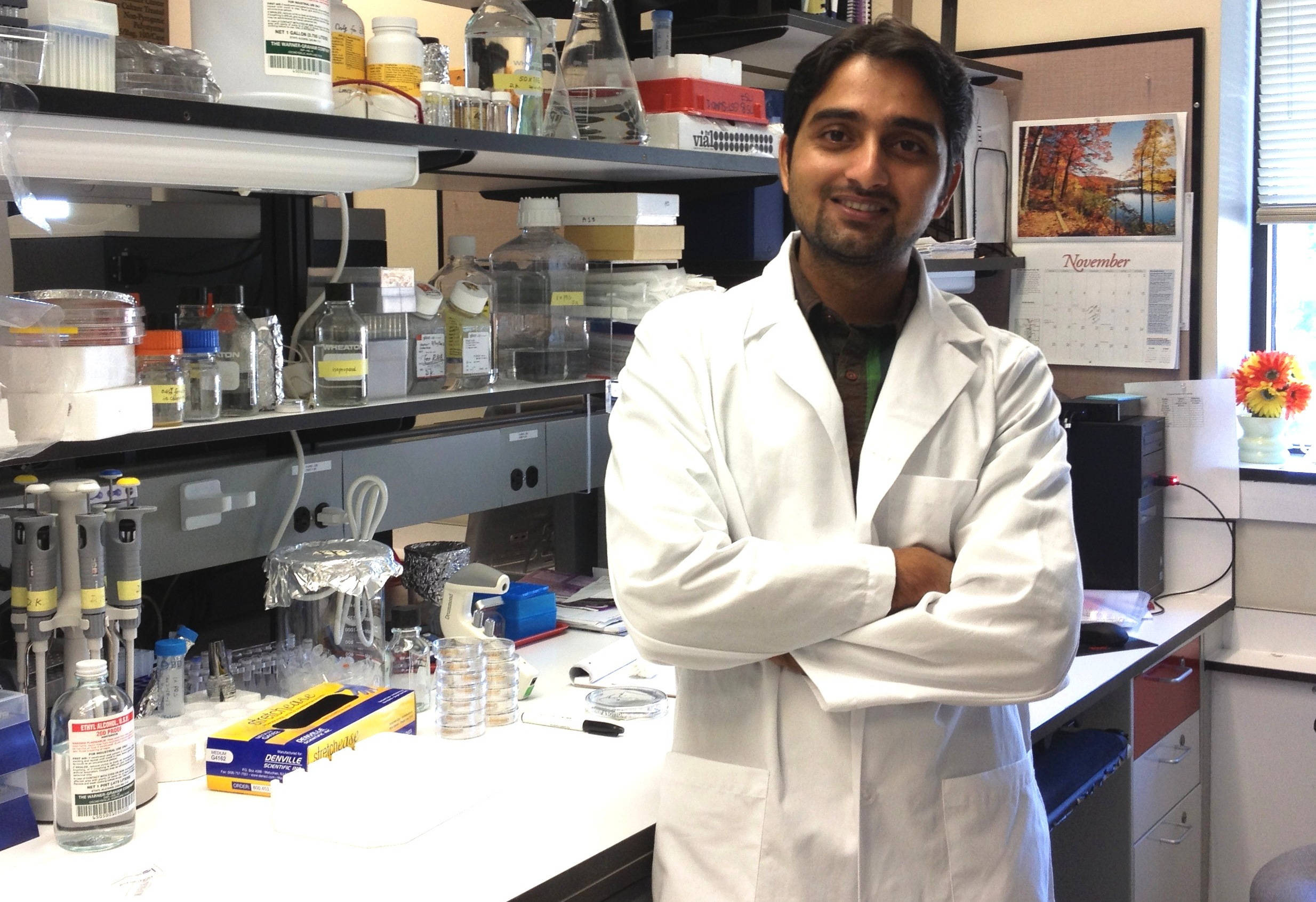
This week we feature synthetic and systems biologist Kayzad Nilgiriwala working as a postdoc at Massachusetts Institute of Technology (MIT), Cambridge, USA. Kayzad completed his Ph.D. (Microbiology) at Bhabha Atomic Research Centre (BARC), Mumbai, India and wants to import some strong points from the US research scene when he comes back home.

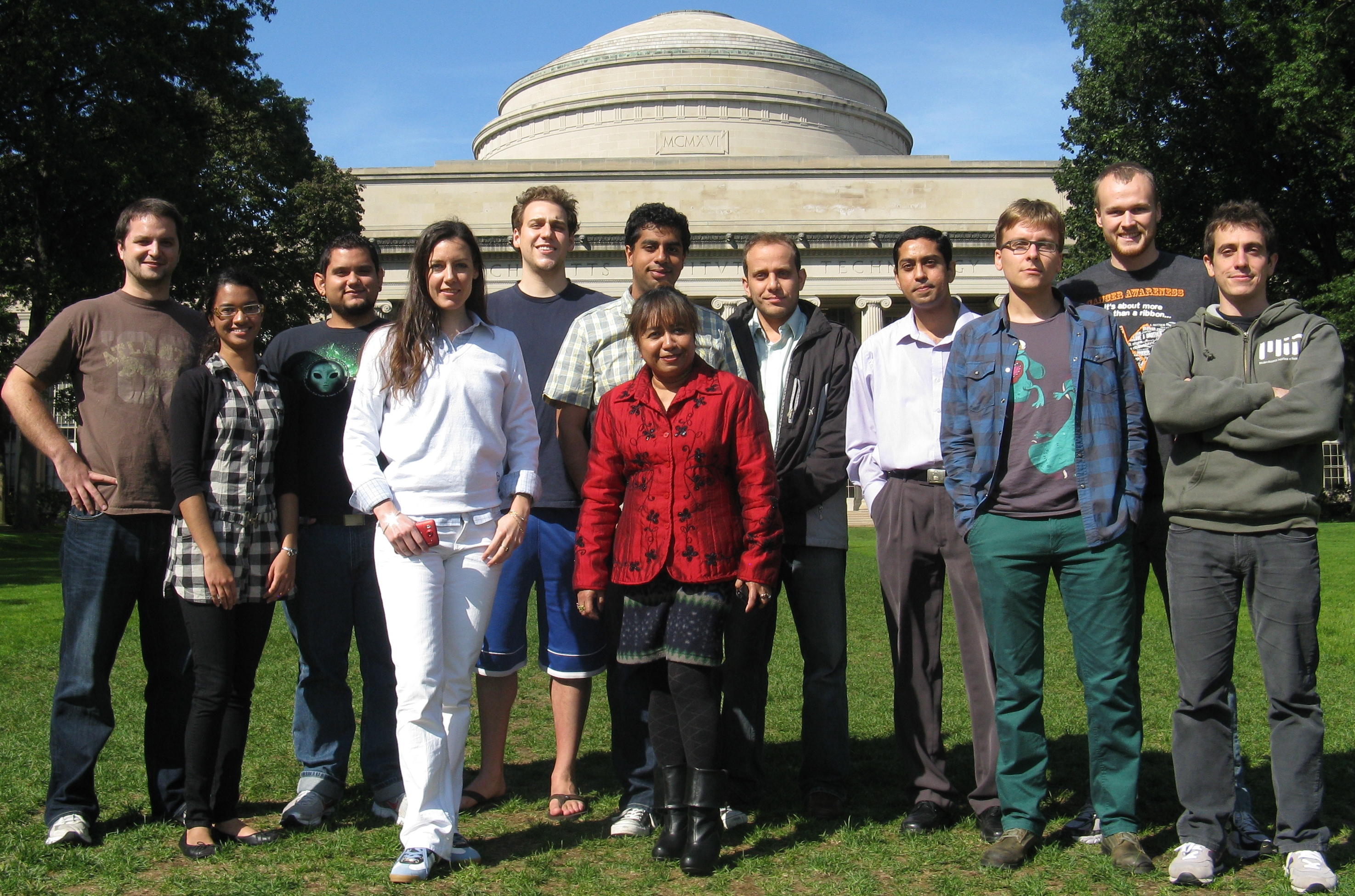
Kayzad Nilgiriwala with his new lab

Continue reading