A look out to a dark Universe: Three young scientists share their thoughts

Young scientists from Nature’s Outlook on the dark Universe share their views on dark matter, gravitational waves, and dark energy.

You can find the full Outlook, covering the Lindau conference, Nobel prize winners, and Q&As with George Smoot and Brian Schmidt, here.

WEB_Astronomy-sky_65870

Continue reading

Seeking out stronger science: An incomplete, non-systematic list of resources

Our reporter Monya Baker runs through some of the statistical tools she found when writing her latest story.

As I reported in a Nature feature published this week, I found more online courses that were being developed than were actually in place. Resources to help scientists do more robust research are set to expand quickly. For example, the National Institute of General Medical Sciences has a competitive program that awards funds to institutions to enhance graduate student training; of 15 such supplements awarded in 2015, a dozen involved data analysis, statistics, or experimental rigor. You can find more here, and that is only a fraction of what is available. Some courses are still being developed and piloted to select students; others are being offered only to those in a particular department or training grant. If you find one that interests you, it can’t hurt to ask.

data-science-industry

{credit}PW Illustration/Getty{/credit}

Continue reading

The Boston #NJCE16 – Inspiration, skills, and passion

Four simple steps will help you find a career to be happy in, says Naturejobs journalism competition winner Judith M. Reichel

Find a job you love – and you will still have to go to work every day. There are plenty out there; some are great, some are a stepping stone, and some will simply pay the rent. The key is to identify your own strengths and passion, in order to find the perfect job for you.

happy legos-smaller

{credit} Sunny Ripert/Flickr {/credit}

Continue reading

Finding job satisfaction as a science liaison

How Sabine Blankenship went from neuroscience researcher to professional networker

After completing a PhD and postdoc in experimental neuroscience labs, Sabine Blankenship had no desire to run her own lab. Here she describes how her passion to study abroad led her from experiments that had become frustrating to outreach she finds invigorating. She now works in the German Consulate General in San Francisco, where she helps set up international research collaborations and keep the German government abreast of US advances, particularly in renewable energy and regenerative medicine.

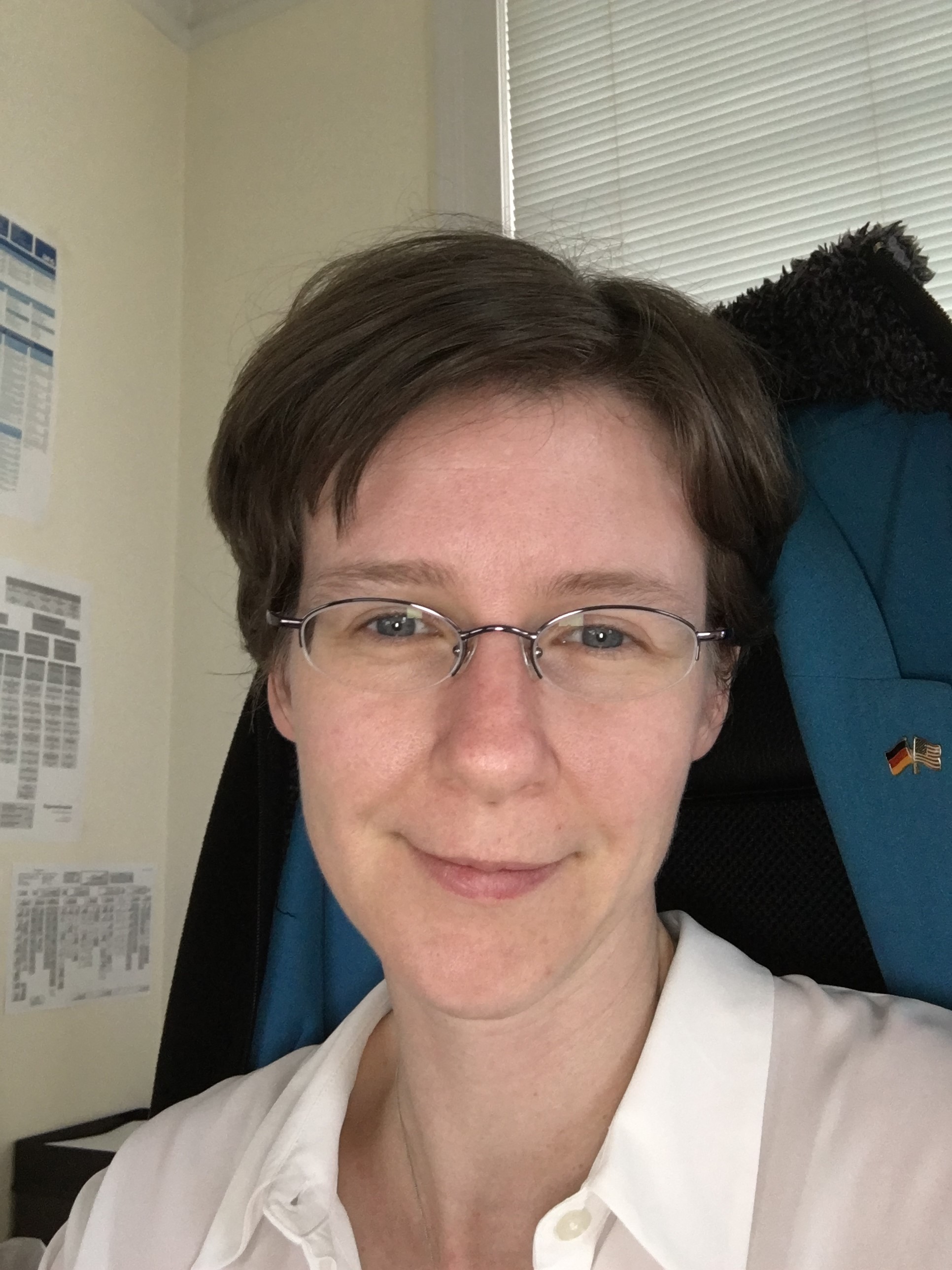
sabine2

Tell me about your job

It’s part of the German foreign service. My job title is scientific liaison; we are installed in scientifically important cities like Washington DC and Boston. We’re the first point of call for setting agendas for visiting VIPs, maintaining networks, and fostering collaborations across industry and academia in the two countries.

Continue reading

What jobs are in demand?

We ask speakers at the Naturejobs career expo, San Francisco, to talk over some of the jobs that are most in demand in industry, in California.

https://www.youtube.com/watch?v=DAm57KsWQBs

Careers in industry: Medicine maker

Pauline Williams shares her thoughts on her career outside of academia.

As a junior doctor working in geriatrics, I could never have imagined that in 20 years time I would have led the development of a medicine which has the potential to save hundreds of thousands of babies’ lives.


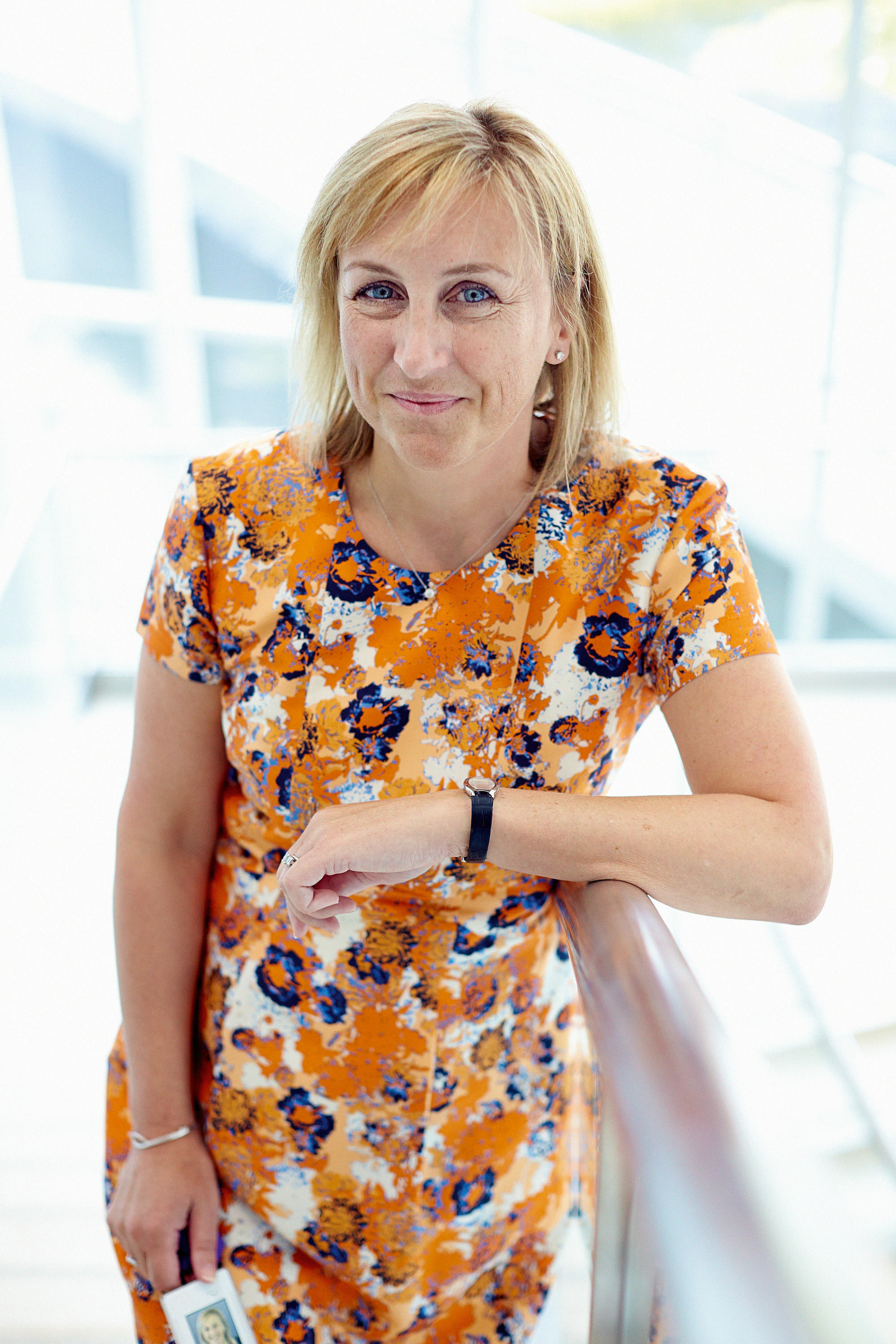
Pauline Williams

Pauline Williams

Continue reading

The Naturejobs career expo journalism competition, London, 2016!

Enter for a chance to work as a Nature journalist for the day!
 

NJCE-2016-(London)


Here we go again!

Following the success of the Boston and San Francisco Naturejobs career expo journalism competitions this year, we’re launching the competition for our tenth career expo in London, to be held on September 16th.

The London Naturejobs career expo is our flagship event, so we are looking for five budding science writers to help us with our coverage of the conference sessions, workshops and general ambience of the event for those who cannot make it. The conference will explore career paths in industry, academia and science communication, finding funding, and much more.

The five winners will have the opportunity to attend the expo and write up at least two of the sessions or workshops for our readers, sharing the advice and expertise of the speakers with our worldwide audience. Winners will also have the opportunity to work closely with Nature editors, and their articles will be published on the Naturejobs blog. Continue reading

#scidata16: Publishing Better Science through Better Data: Writing competition

This competition provides the chance to attend the Publishing Better Science through Better Data October 2016 event, work with a Nature editor and have your writing published here on Naturejobs.

After a very successful event last year, we are again looking for five budding science writers to help with news coverage of this year’s Publishing Better Science through Better Data event.


scidataWellcomeSDATA2

Continue reading

Back to the thesis

We share Nature’s back to the thesis videos, and some of our favorite #threewordthesis tweets

Last week, Nature visited a few prominent scientists to take them back to their theses.

First up was Francis Collins, director of the NIH, with Semiclassical theory of vibrationally inelastic scattering, with application to H+ and H2 (1974). This is how it went.

Continue reading