Exploring career paths sometimes feels like coming out of a cocoon – who knows what’s out there?
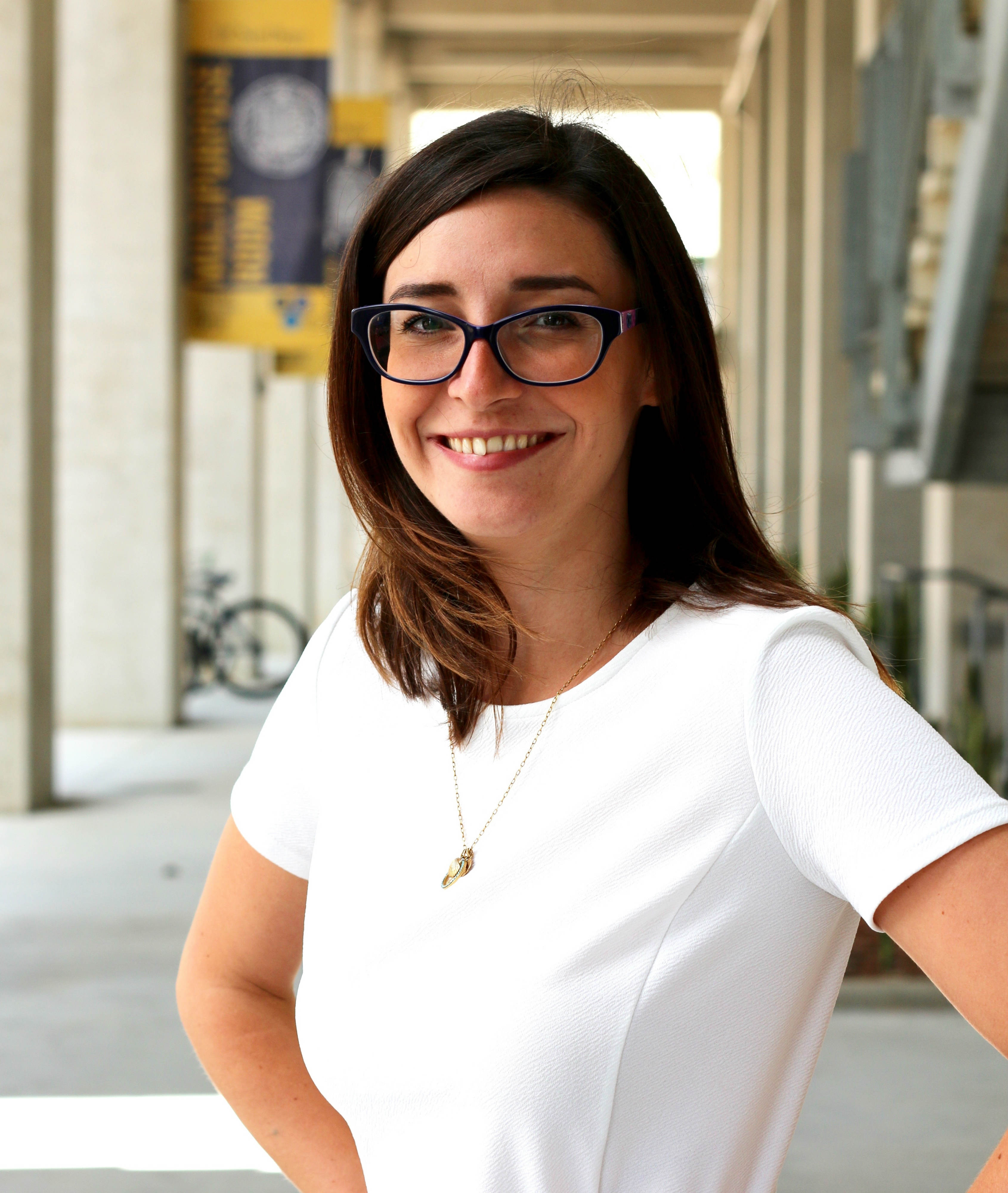
Naturejobs journalism competition winner Elisa Lazzari
{credit}Jean Branan{/credit}

Naturejobs journalism competition winner Elisa Lazzari
{credit}Jean Branan{/credit}
In today’s competitive world, it’s become increasingly common for scientists to question where their skills and knowledge will fit outside the lab. Academic research is a harsh place, littered with the victims of funding decisions and research projects that didn’t quite go to plan. The idea, even amongst scientists, that we are highly specialised professionals with no role outside the lab has become a persistent limitation in this search. So, what is the need for a scientist in any other capacity?

{credit}Topp_Yimgrimm/ThinkStock{/credit}
Find a job you love – and you will still have to go to work every day. There are plenty out there; some are great, some are a stepping stone, and some will simply pay the rent. The key is to identify your own strengths and passion, in order to find the perfect job for you.
{credit} Sunny Ripert/Flickr {/credit}
Guest contributor Aliyah Weinstein
Sometimes, a career change into a new environment is just the thing you need to refresh your love for science. But how can an academically-trained scientist make this transition?
Guest contributor Thais Moraes

Thais Moraes
The conference comm4science – communicating science beyond the lab – in Heidelberg, on the 6th and 7th of May, put together many popular names involved in science communication both in and outside of Germany. They all highlighted the importance of communicating science. But they also recognized the many problems we face today concerning dialogue between scientists and the public. In my opinion, one critical point is to make scientists understand how essential it is to share their research with society. Continue reading
If you missed the first part of the interview, catch up here.
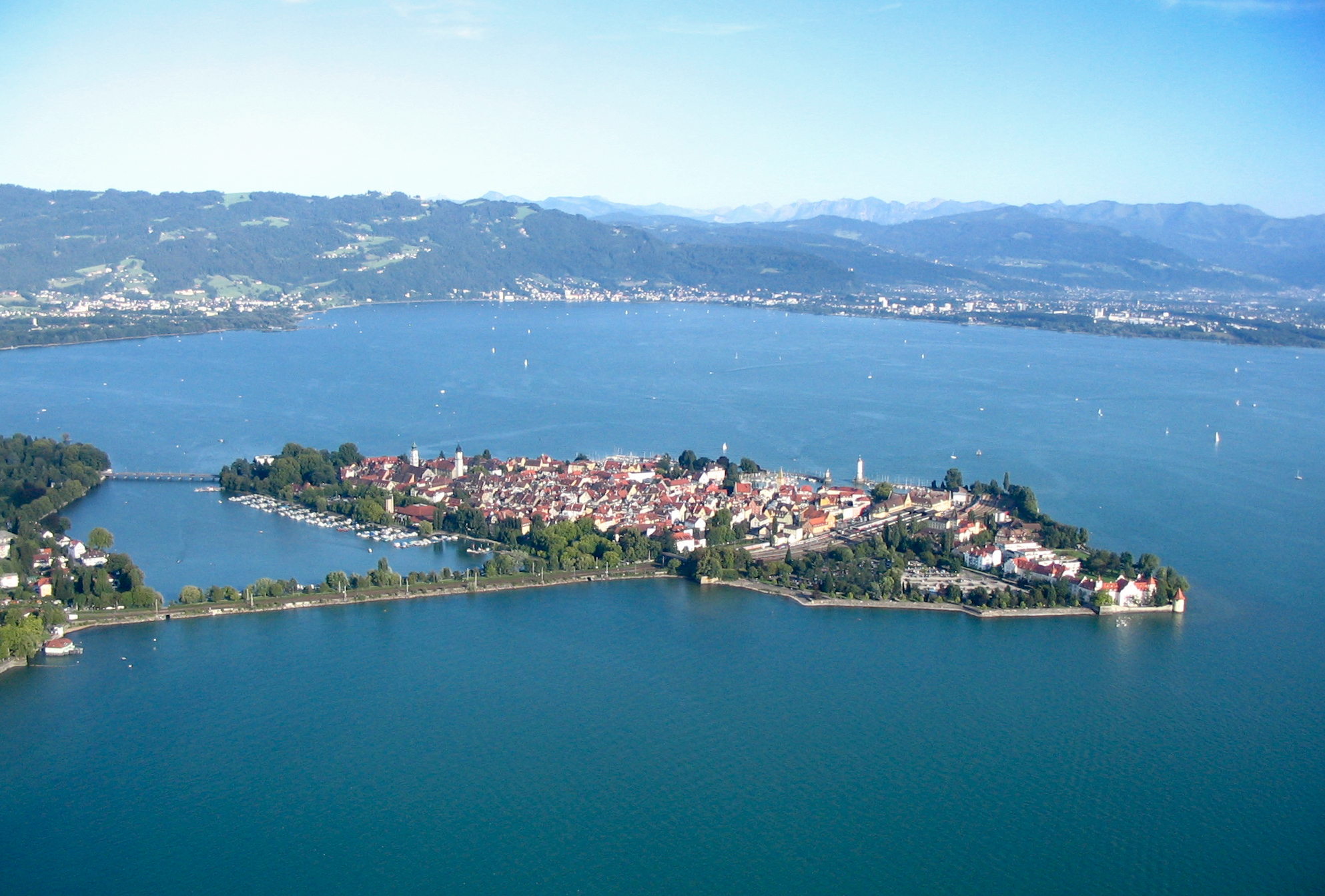
Lindau Island. Credit: CC-BY Edda Praefcke
My week at Lindau, #NerdHeaven, was in a word, sublime. I can’t tell you how much I enjoyed speaking with all the different people it draws, including Nobel Laureates, early career scientists, journalists, and representatives from foundations and governments the world over. I learned so much about so many different areas of science and society. I gained so much from the experience. And now that it has come to a close, I feel like crying in my streuselkuchen.
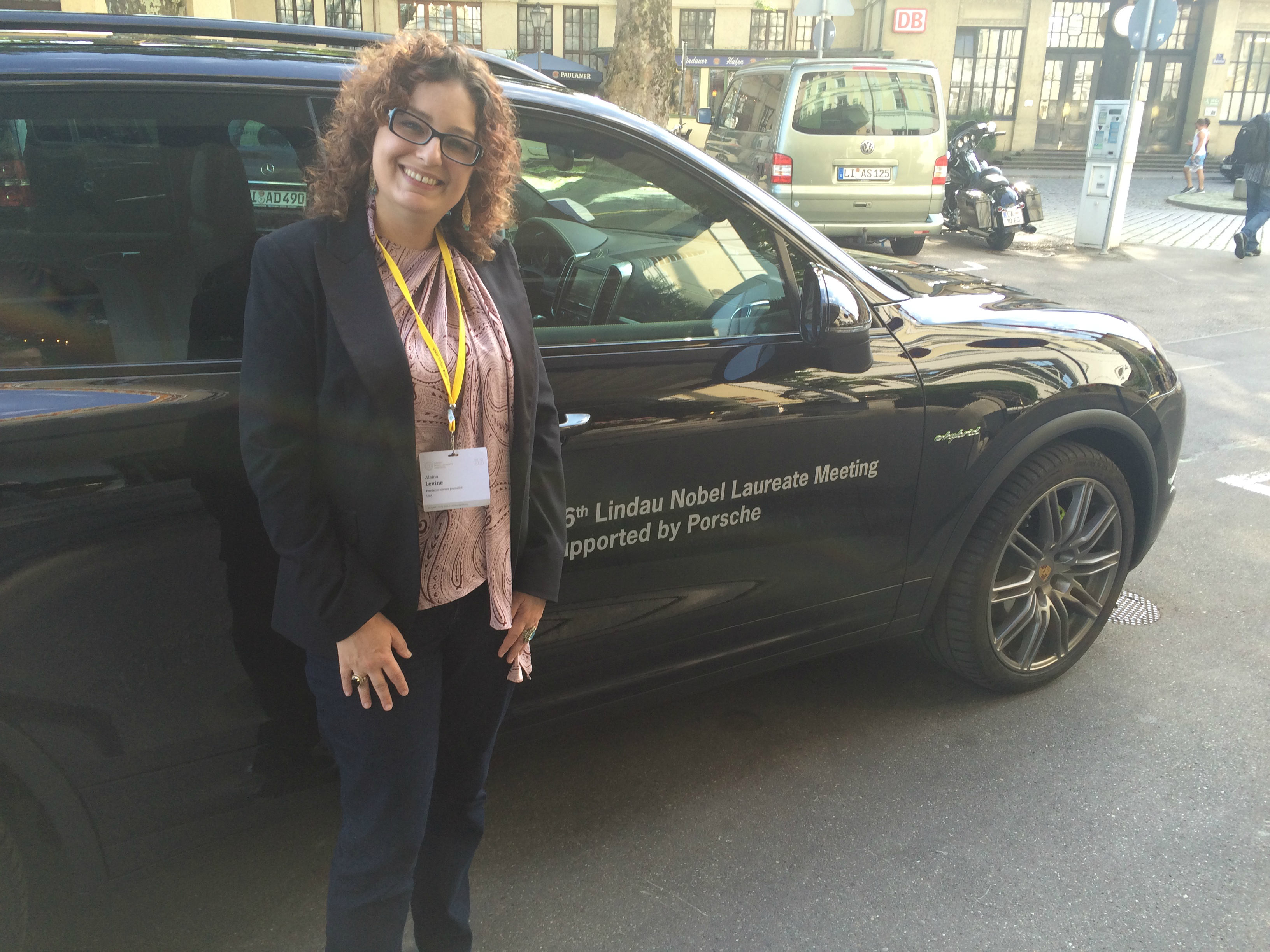
Alaina at Lindau
Nevertheless, it’s over, and I’m left to is relive some of the best moments. Continue reading
Guest contributor Viviane Callier
Gender stereotypes affect our attitudes and behaviours, even if we’re unaware of them. But the habit of implicit bias can be broken: an intervention with faculty at the University of Wisconsin helped to break the bias habit, led to an improved department climate for everyone, and increased faculty hires of women and underrepresented minorities, a new study shows.

Bias, perhaps?
Guest contributor Viviane Callier
Connections matter – in terms of productivity, in terms of obtaining grants, in terms of promotion and advancement, and in terms of retention in academic positions, a new Harvard-based study shows. Women and underrepresented minorities (URMs) have a smaller “reach” – a measure of second-order connections – and the discrepancy between the reach of women & URMs and that of white men is greatest at the junior faculty level. This discrepancy may account for differences in productivity, promotion, and retention of women and URMs in academia.

CREDIT: CC-BY-SA Atos/Flickr
Naturejobs career expo journalism competition winner Ulrike Träger
You’re in the interview for your dream job. You give a great presentation on your work. You looked up the company, their work and the person interviewing you. All is going well. Until someone asks “please give us an example of when you had a conflict with your boss”. You start to sweat. You don’t know what to say. You stutter. You didn’t prepare for this type of question.

{credit}iStockphoto/Thinkstock{/credit}