The precious, precious networking platinum that is Lindau

Alaina G. Levine is live from the Lindau Conference

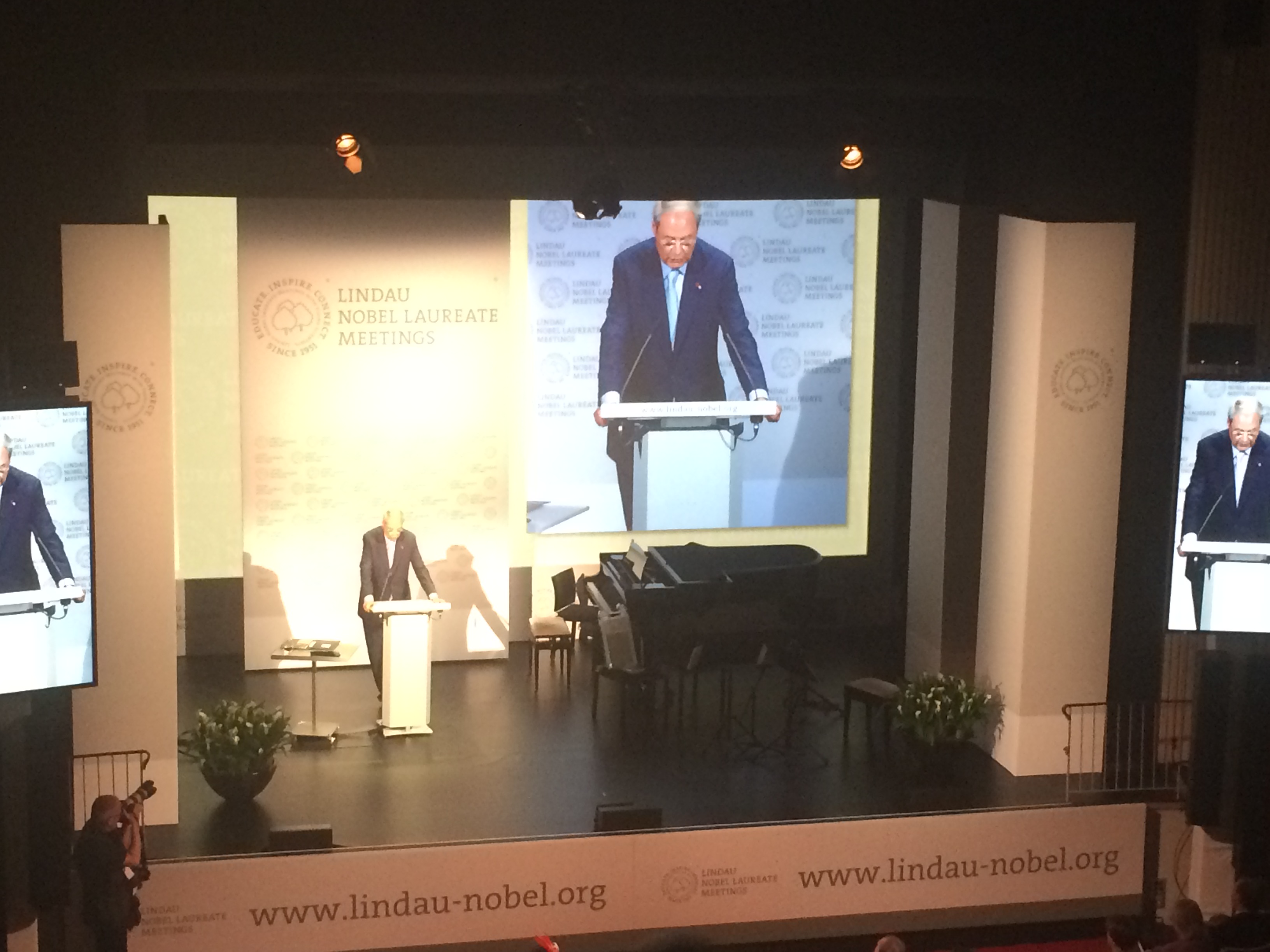
Lindau is a special conference. Here, under the banner of Educate-Inspire-Connect, and above cobblestone streets, next to a city hall dating back to the 1400s, networking is very much encouraged, supported, facilitated and emphasised. And the networking here is precious, precious platinum.

marketing-man-person-communication (1)

Continue reading →

Lindau: Return to Nerd Heaven: Physics is like the Godfather and this is good

Alaina G. Levine is live from the Lindau Conference

As I mentioned yesterday, even after I switched my major to mathematics from physics and astronomy, I couldn’t quite turn my back on this field. I’ve come to realise that there is a specific reason for this, and I think you’ll agree: Physics is like The Godfather – once you’re in, you can’t get out. Our knowledge of the universe, from the yotta to atto, is all tied to physics. Our entire existence is described by physics. You can’t get more powerful than that. So clearly, it’s is an entrancing field, and like the Godfather, there is literally no way to escape – you’ll die a member of La Famiglia de Fisica.

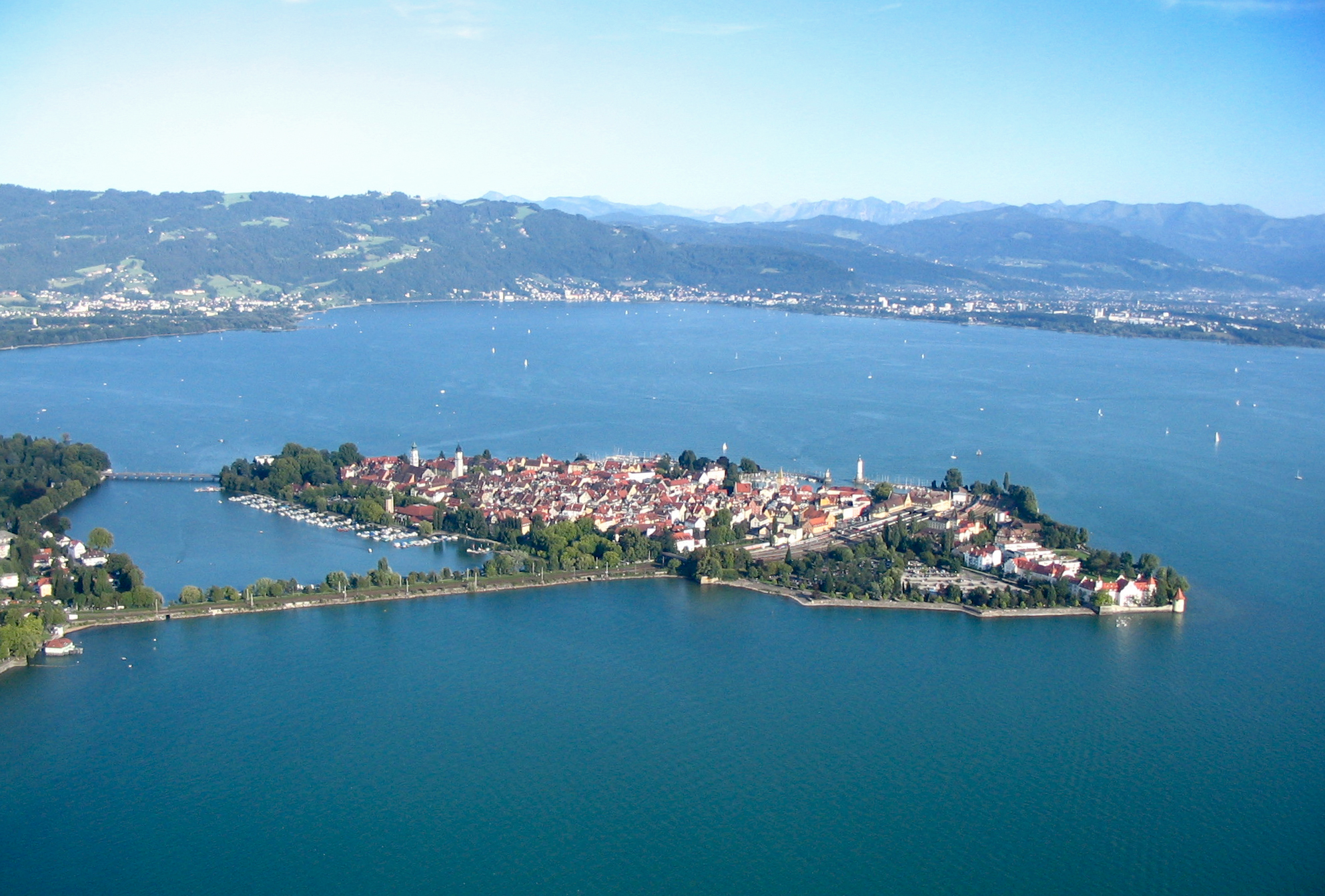
Lindau Island. Credit: CC-BY Edda Praefcke

Continue reading →

A day in the life of a Scientific Reports assistant production editor

Charlotte Alldis helps shed some light on the publishing business for Scientific Reports and Naturejobs.

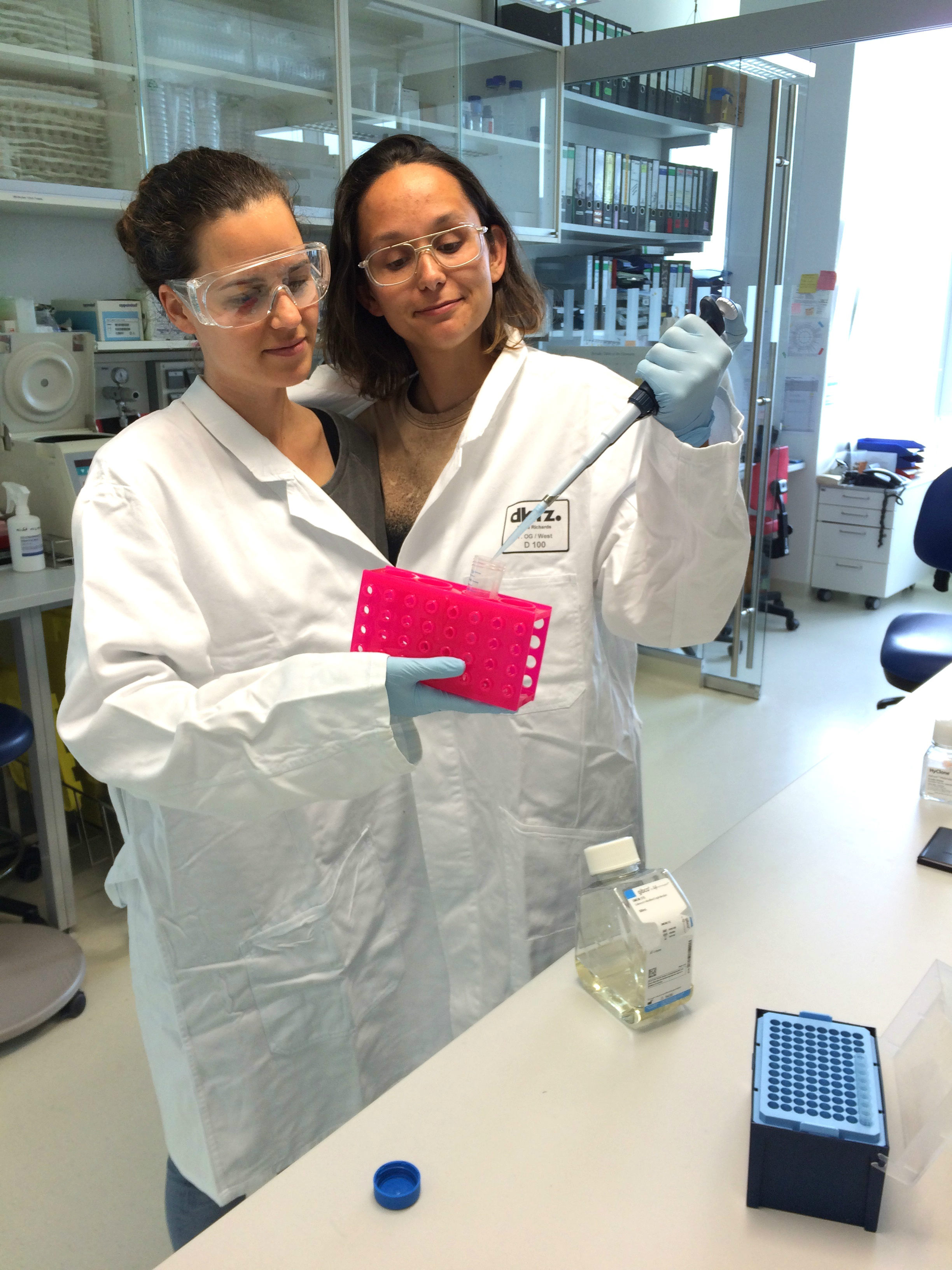
I’ve worked as an assistant production editor for Scientific Reports for almost a year now, and one thing I should mention is that Scientific Reports is an unusual journal. We’re completely open access (which means anyone can access and re-use the research we publish), and we publish loads of research in a rapid timeframe. Ensuring papers are published within the shortest possible time following acceptance is the key driver and focus of the work I complete on a daily basis in the production team.

Untitled

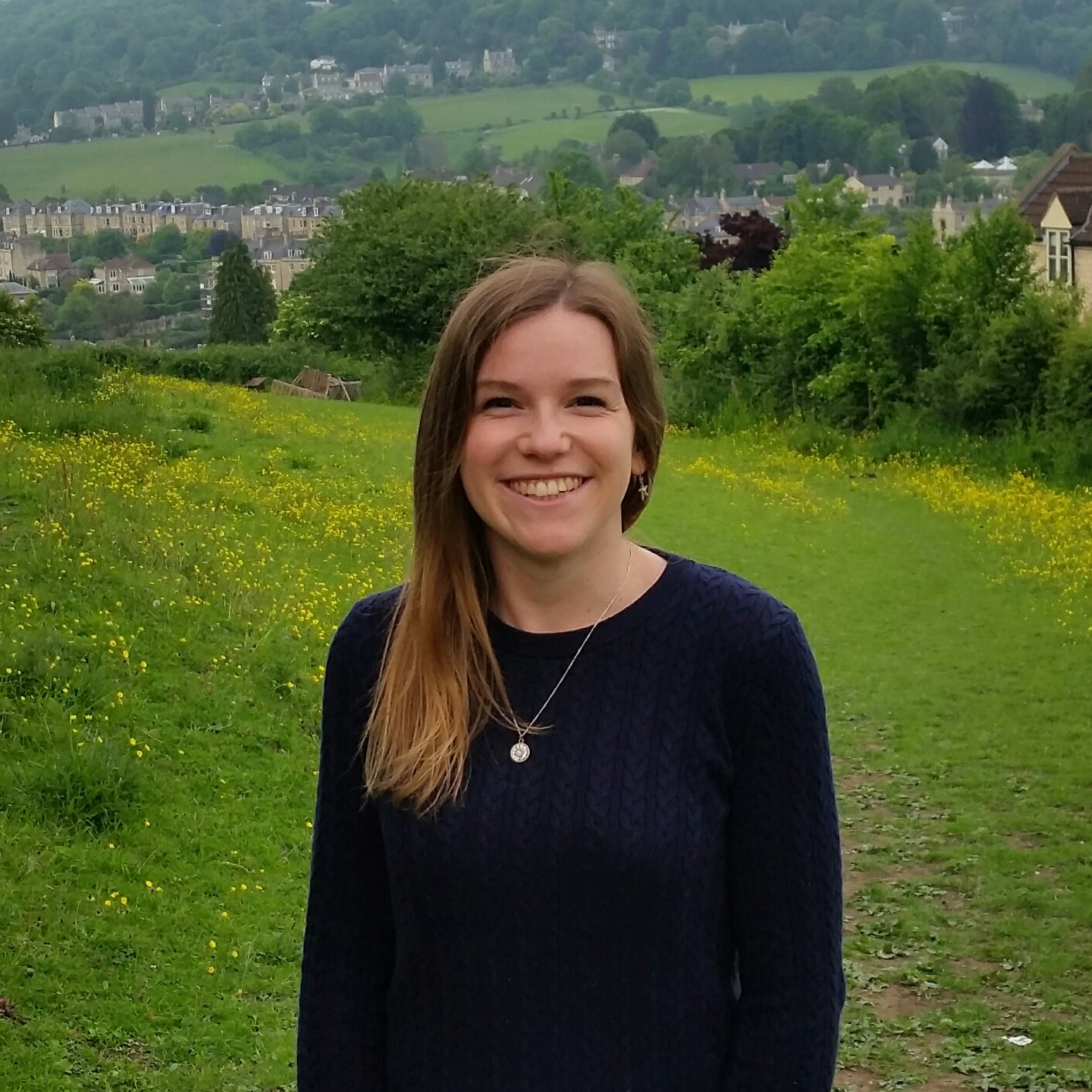
Charlotte Alldis


Continue reading →

Return to Nerd Heaven: Lindau

Alaina G. Levine is live from the Lindau conference

In 2012, I flew across the pond from the deserts of Arizona to the shores of Lake Constance on the German/Austrian/Swiss border. I wasn’t on holiday per se, but I might as well have been. When I arrived in the tiny hamlet of Lindau, Germany, I was met with two very sweet offerings: spaghetti ice cream and hundreds of nerds swarming the island town. I couldn’t have been happier.IMG_4306

Continue reading →

A day in the life of a Scientific Reports manuscript assistant

William Coleman helps shed some light on the publishing business for Scientific Reports and Naturejobs.

Scientific Reports is a rapidly growing online open access journal that publishes research from all areas of the natural and clinical sciences. As one of over twenty manuscript assistants at the journal, one of my main tasks is to quality check author submissions in our online manuscript tracking system before they’re sent to our editorial board and, potentially, to peer review.

William pic

William Coleman

Continue reading →

Babies or career: How to keep young researchers in science

Could shared post-docs improve work-life balance and make academia more attractive for early career scientists?

Naturejobs journalism competition winner Ulrike Träger.

If you look for advice on work-life balance in science online, the message seems clear: it’s possible to fit a 10-hour work day around quality time with your kids and family as long as you’re organized. Flexible hours of working in the lab help. Experiments don’t mind when you do them, and can be postponed until your kids are asleep. But still, long hours are expected in order to be successful, and finding childcare during midnight experiments is not always easy if you don’t live close by. So for many (including myself, a post-doc in my late twenties pondering the right time to start a family) the prospect of having to plan each and every minute of the day to be a good parent and scientist is daunting. This leaves promising young scientists everywhere feeling like they have to choose between family and career.

Continue reading →

Study system envy

Graduate students must often weigh the pros and cons of straying from an advisor’s research program

Guest contributor Carolyn Beans

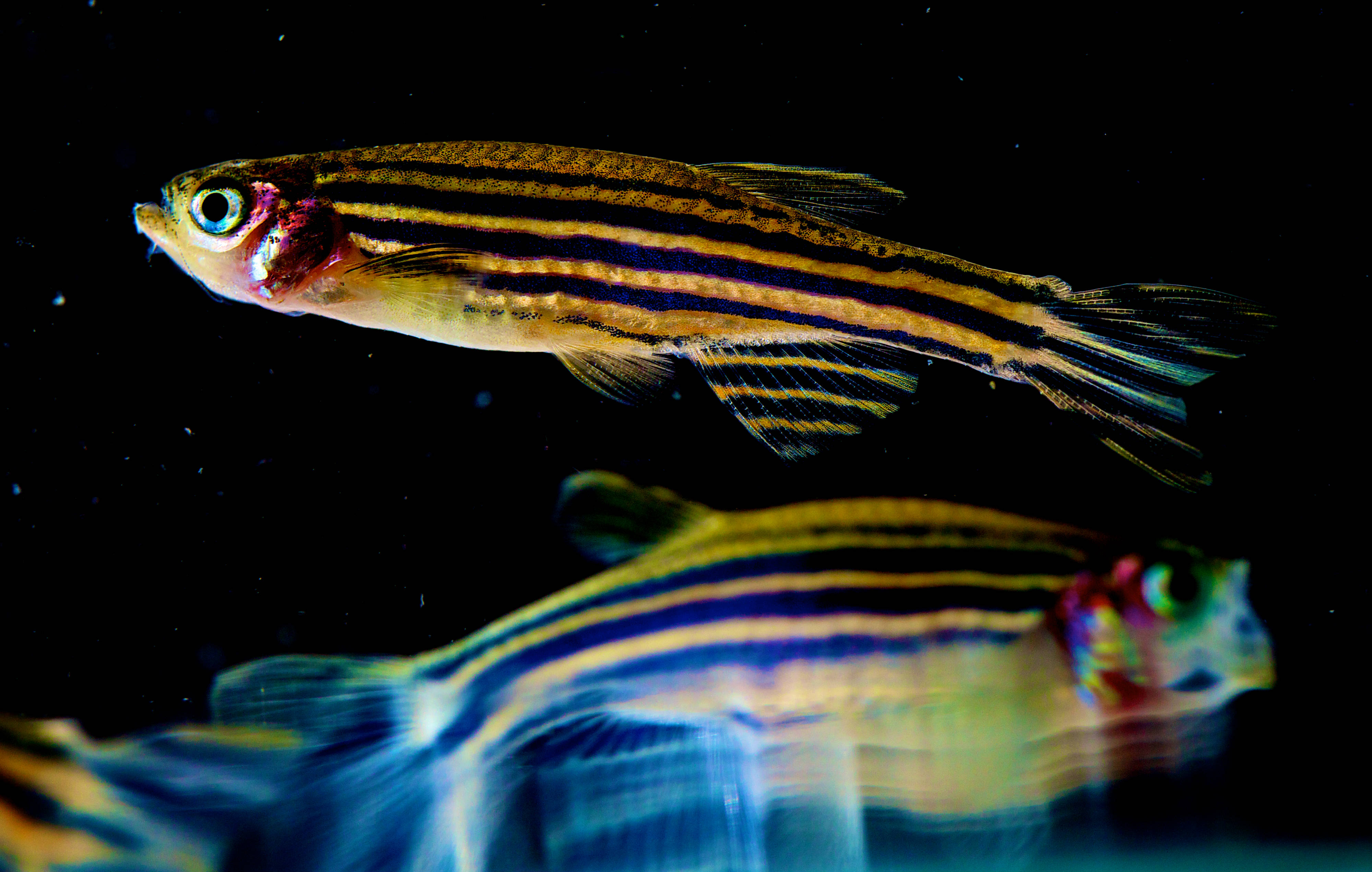
Early in graduate school, I had total study system envy. In many biological fields, including my own field of evolutionary ecology, a study system is a specific species that a scientist uses to run tests. Some of these species like mice, zebrafish, and the plant Arabidopsis are model organisms, and have been well-studied for decades or more. Whether scientists choose a model organism or a relatively unknown species as a study system can have drastic consequences for their research.

Zebrafish

Zebrafish{credit}Uri Manor, NICHD{/credit}

Continue reading →

A week in the life of a tenured professor

A Chinese scientist considers the new responsibilities that come with his role

This piece was cross posted with Nature Asia. You can read the Chinese version here.

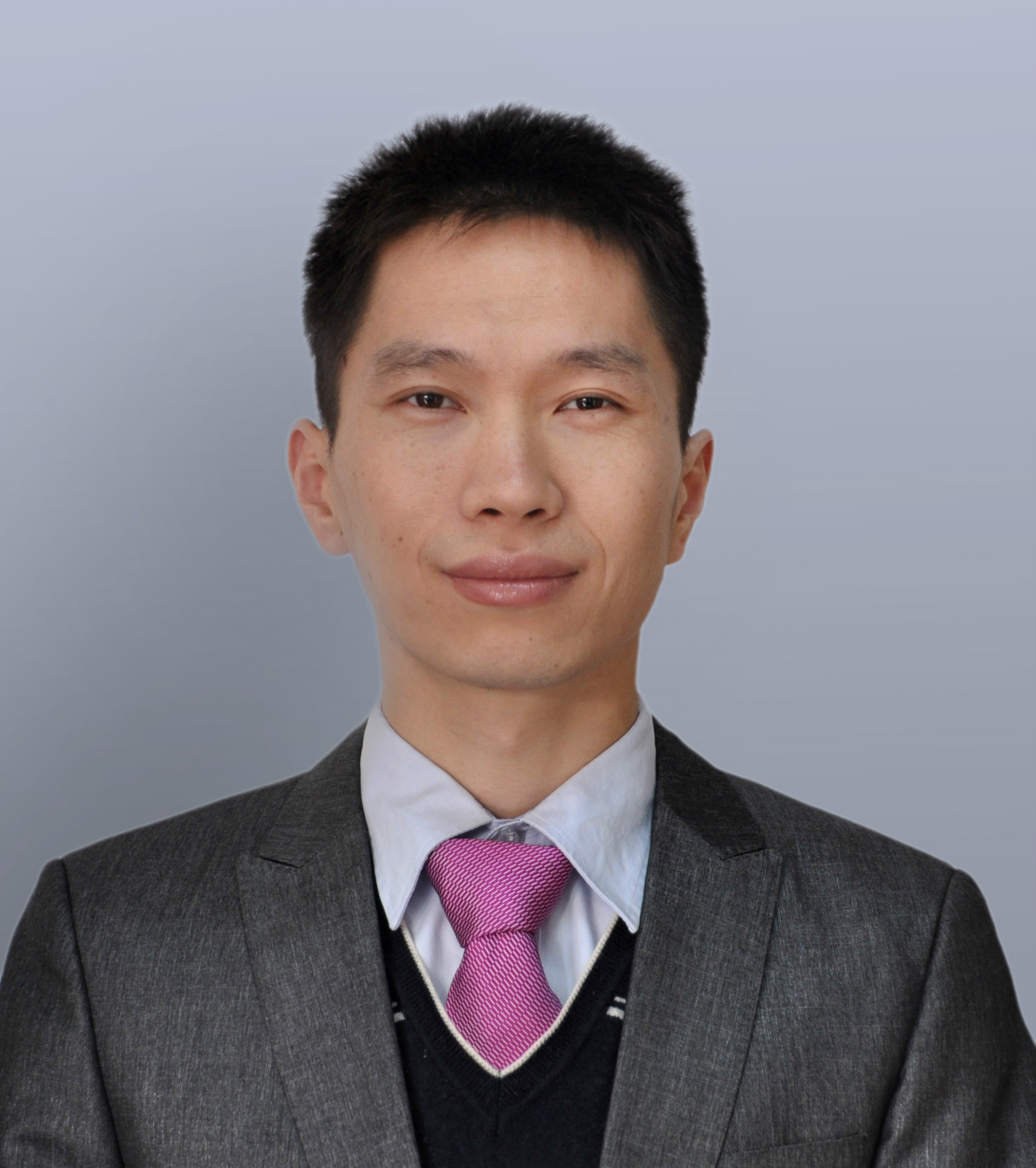
Guest contributor Chenggang Yan

I’ve spent ten years of my life in research. In those ten years, I’ve never been completely overwhelmed until I accepted a professorship at Hangzhou Dianzi University. Just like many other young scholars, I’m working hard to win a good reputation with my research. I went into science because – like many others – I wanted to do meaningful work, lead a new era, and benefit humanity in some way. But recently I’m finding that’s just not what I spend my time doing.

DSC_0001 op1-smaller

{credit}Chenggang Yan{/credit}

Continue reading →

So you want to be a data scientist (again)?

Put your natural science skills to work in a data science career

Guest contributor Daniel Harris of SoftwareAdvice.com

The explosive economic impact of big data has blurred the line between the business world and the scientific world like never before. A new type of business leader, the data scientist, has evolved as an amphibian, capable of thriving in both worlds, swimming in data lakes to bring useful insights back to the solid ground of business concerns.

Of course, companies have been using business intelligence (BI) tools to analyse their operational and financial performance metrics for decades.

But datasets generated by the web are so large that they must be stored on clusters of servers with thousands of nodes. Traditional methods for analysing these datasets have faltered, necessitating a more scientific approach.

Continue reading →