The three-year PhD program: good for students? Or too good to be true?

Calls to modernize the PhD to meet the demands of the job market are being answered by the introduction of a more streamlined three-year PhD program. But such changes are not necessarily in the best interests of students, say Alice Risely and Adam Cardilini

PhD students are the backbone of the research industry, often responsible for compiling precious datasets for their lab and learning the cutting-edge techniques required for analysis. But completing a PhD is hard, and getting harder as scientific standards creep steadily upwards. It takes over a year longer for current students to publish their first scientific paper than those 30 years ago because of the increasing data requirements of top journals. Across Europe and Australia, this is one reason why students are taking an average of four to six years (or longer) to complete their PhDs, despite candidature contracts usually being a maximum of four years, and government scholarships lasting at most three and a half years.

Delays in completion reflect badly on universities, and can threaten future funding. They can also threaten the job prospects of graduates, who are increasingly expected to have excellent time and project management skills for careers outside academia. In an attempt to combat lagging completion times and increase employability of graduates, universities are redesigning the PhD by rolling out three-year PhD programs. These shorter programs are intended to provide increased structural support to students, whilst also promoting broader and more applied skills required by non-academic employers. The catch is that these PhDs must be completed within three years, unless the student faces project delays that were unequivocally beyond their control. But is the three-year PhD program really in the best interests of all, or even most, students?
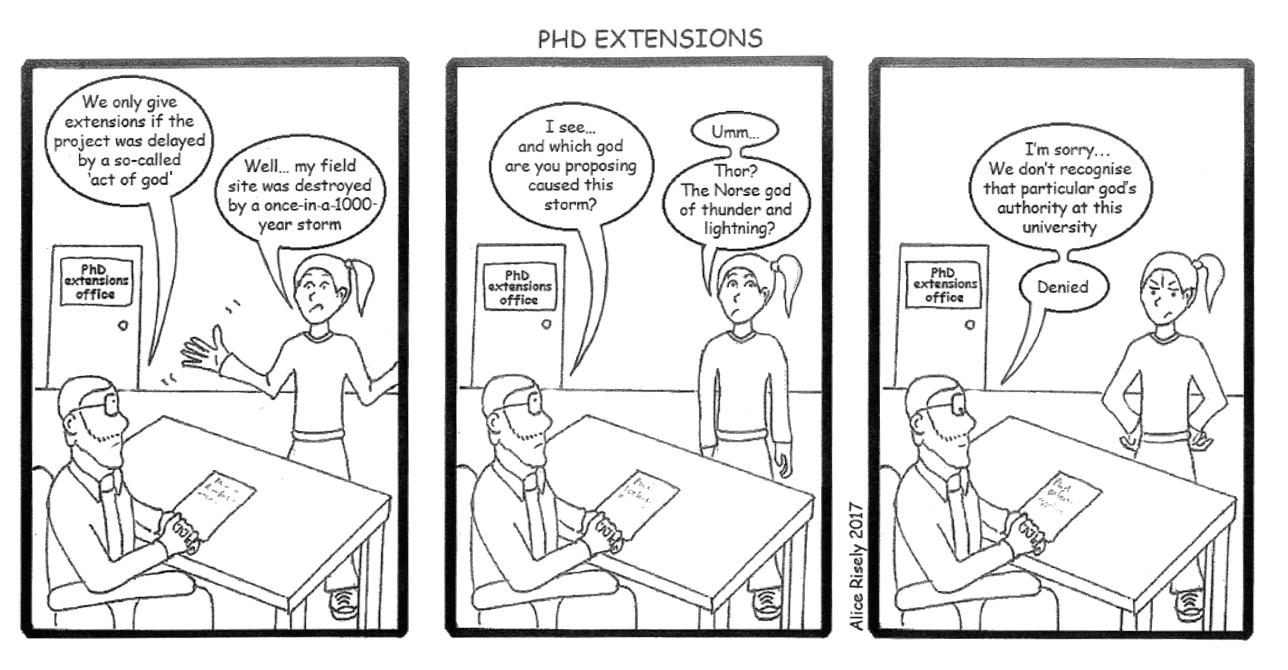
It will be harder to get PhD extensions under the new model.
It will be harder to get PhD extensions under the new model.
Continue reading

Science’s fake journal epidemic

Predatory publishers, peerless reviews and those who fight against the destruction of the scientific approach.

The landscape of scholarly communication falls into two main categories: a paid access business model, where journals require readers to pay for access to an article or a subscription to the entire journal itself; or open access journals, which charge authors to publish but make content available free of charge and without restrictions to readers. The rise in popularity of open access journals has resulted in more than 50 per cent of new research now being made available free online. Legitimate open access journals such as PLOS and BioMed Central have been essential in allowing greater access to science, a higher volume of published work, improved education and a greater scope for scientists to publish negative results.

Jeffrey Beall{credit}Kevin Moloney/The New York Times/Redux/eyevine {/credit}

Continue reading

TechBlog: C. Titus Brown: Predicting the paper of the future

C. Titus Brown, a bioinformatician at the University of California, Davis, participated in a January workshop at Caltech on “The Paper of the Future,” and wrote about the experience on his blog. Here, he expands on how academic publishing may change in the years to come.

p45

Continue reading

Meditation on a Caltrain: Understanding where to travel to next

Exploring options and thinking laterally about where you can use your scientific skills might be the key to successfully transitioning into industry, learns George Busby.

This piece was one of two winners of the Science Innovation Union writing competition, Oxford.

“This is downtown San Francisco, our train’s final stop. Can all passengers please detrain? All detrain please. All detrain.” Perhaps it was the heady fug of jetlag that made this broadcast particularly amusing to my UK-English language sensibilities, but I “detrained” all the same and stepped into the crisp morning air of the Californian rush hour.

I was on the west coast to visit two genetics start-ups as part of a whirlwind three-day tour of the US. With a long postdoc and several first author papers tucked into my belt, I wanted to see if these credentials would pass muster in the tech haven of Silicon Valley. I’ve always found the loneliness of solo work-travel to be highly amenable to strategic thought, and this American adventure was an opportunity to reflect on why I was there and what I wanted.GettyImages-530306679-smaller

Continue reading

TechBlog: JOSS gives computational scientists their academic due

JOSS_banner

{credit}JOSS{/credit}

The currency of science is–duh!–publication. You do the work, you write a paper. Acceptance advances a researcher’s career in every way that counts: tenure, promotion, reputation, and funding. Continue reading

Getting started on an academic book: five questions to ask

Turning your academic book ‘idea’ into a solid concept can be done, says Jessica Eise

Publishing an academic book is an accomplishment to which many aspire. A book is, essentially, your work, thoughts and research agglomerated in one neat, tidy package of bound paper. It’s rewarding both personally and professionally. Not only are you sharing your ideas and contributions to the broader world, but you can actually hold in your hands the fruit of your labor.writing-1043622_1920-smaller Continue reading

Postdocs and early-career researchers: be more than a name on a website

After a few months working as an associate editor at Nature Photonics, chief editor Oliver Graydon asked Gaia Donati if the role was what she had imagined it to be. She answered that in most aspects it had, with one significant exception: she hadn’t realised that finding referees to assess submitted manuscripts would be such a daunting task. Here, Gaia urges peer reviewers to make things easier by setting up a personal web page outlining their research experience and interests.

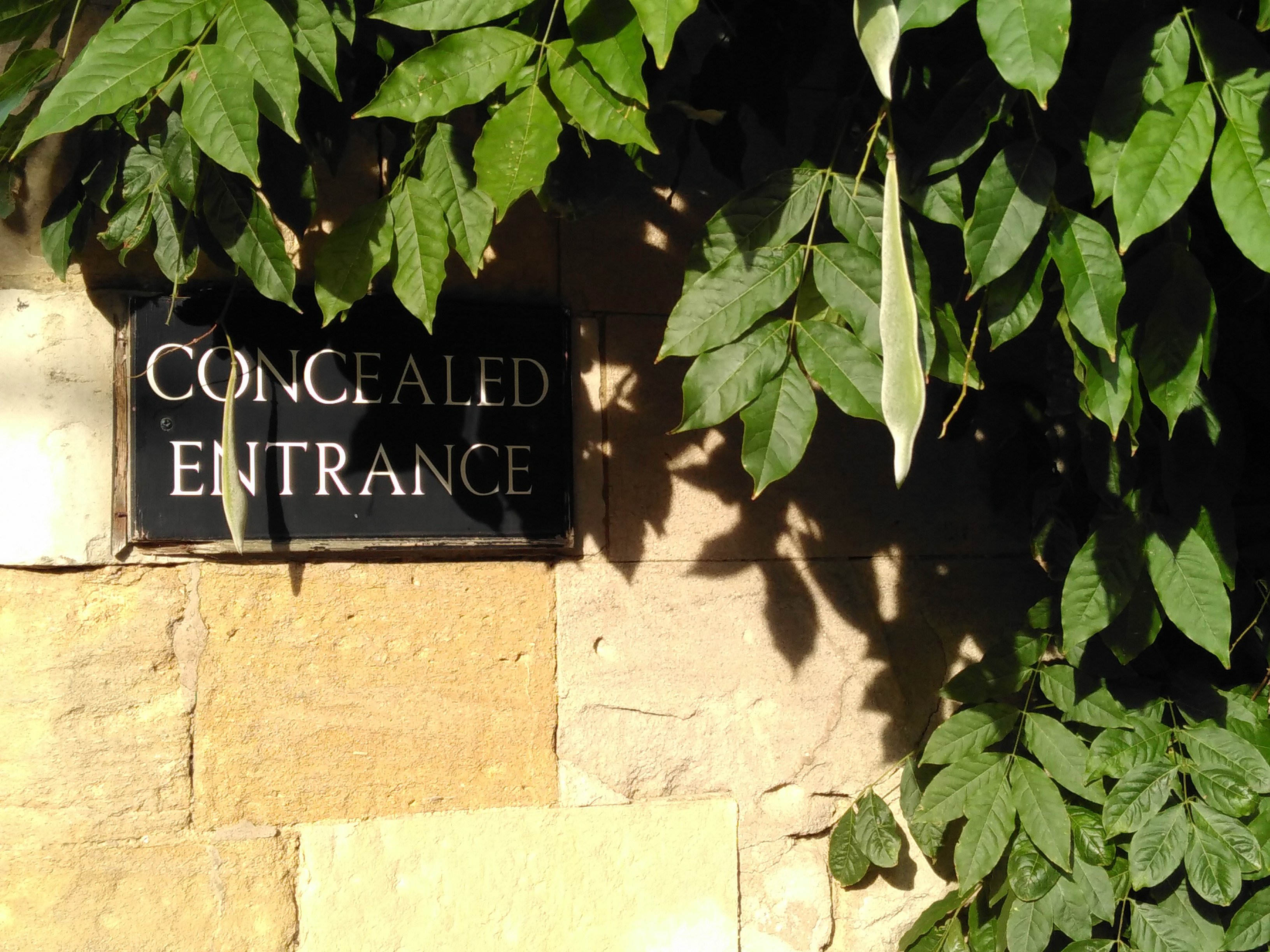
ConcealedEntranceGD

Don’t stay in the shade, says Gaia Donati {credit}Patrick Michelberger {/credit}

Continue reading

Omnity opens multilingual semantic searches up to academia

When preparing a grant or publication, where can you turn for new ideas? You can bounce ideas off colleagues, search PubMed and Web of Science for related literature, and maybe take a trip down Google lane. But it’s difficult to get outside one’s particular area of expertise — to mine the opportunities at cross-disciplinary boundaries  unless you know what you’re looking for. The developers of a new document search engine hope to make such cognitive leaps easier, finds Jeff Perkel.

Continue reading

Finding job satisfaction as a science communicator

Yuko Ueno planned to work in science communication…

…But a supervisor suggested that gaining first-hand research experience might make her a better communicator. Today, she sells workshops to companies, schools and universities and teaches science to Sunday-school students at a private academy in Tokyo.

Smriti Mallapaty catches up with her to learn more.

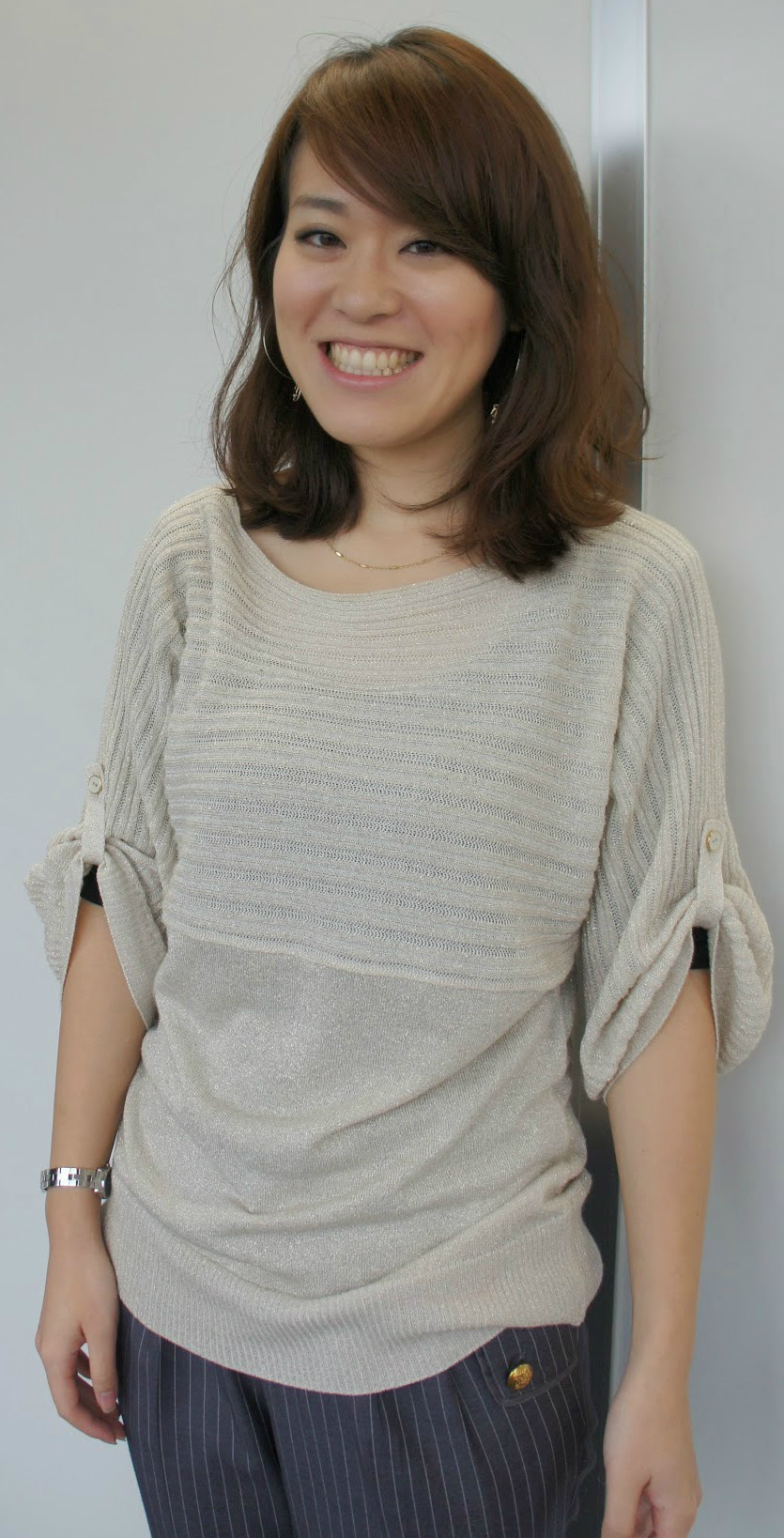
yuko-smaller

Yuko Ueno

Continue reading

Making headlines: Choosing the best title for your paper

It may feel like an afterthought, but taking the time to write an effective title for your paper could be an easy way of promoting your research, says Helen Robertson.

Writing up a manuscript for publication is a multi-faceted process. You’ve finished the literature review, detailed your methods, discussed your findings and formatted your figures. Now, the only thing left is to come up with the title.

Easy, right?

original

Is is that easy to come up with a title? {credit} Alias la Patata by Pierpaolo Voci. CC-SA-3.0 {/credit}

Continue reading