Postdoctoral fellowships in the US: top tips for international trainees
Reply

 Moving internationally for postdoctoral training can be rewarding and cultural differences, both in and out of the lab, can enrich your training. Sina Safayi and Andrew Bean offer some tips about moving to the US.
Like many other European researchers, I moved to the US for my postdoc. While some stay in the US, and others return to Europe after their postdocs, I’m almost certain that anyone who has followed this path will have encountered a few shocks along the way. Choosing the right fit for your postdoctoral training is just as important as choosing the right lab for your PhD. Based on my experiences, here is a list of the things that I think are worth checking in advance to avoid thinking “I wish I had known” too often.

US academic institutions continue to enhance postdoctoral researcher experiences, but there is room for significant improvement, according to a 3 January report from the NPA in Rockville, Maryland. Continue reading

Recently the House of Representatives essentially voted to destroy graduate education in the United States. By taxing tuition waivers as income — and therefore treating their taxable income as two to three times the amount graduate students are actually paid — the Republican tax bill would effectively put graduate study outside of the reach of all but the independently wealthy. While the Senate version of the tax bill does not include this provision, it is far from certain what the final bill after the reconciliation process will look like.

A recent editorial in Nature described the harm that newly proposed changes to the United States tax code will have on graduate student finances. If passed, these regulations — ostensibly designed to simplify tax calculations — will eliminate benefits previously given to students. Of particular harm to graduate students and the scientific world would be the elimination of the tax-free status of tuition waivers.

By Paul Smaglik
Female candidates’ – but not male candidates’ — relationship status was a primary consideration in hiring committees’ discussions and decisions, according to study co-author Lauren Rivera, an associate professor at the Kellogg School of Management at Northwestern University in Evanston, Illinois. She found that committee members assumed that heterosexual female candidates whose partners or husbands held academic or high-status jobs could not relocate for the job, and excluded them from offers when the committee had viable male or unpartnered female options. Yet, she says, committees — whose members included women — rarely discussed male applicants’ relationship status and assumed that those candidates’ partners or wives would be able to move for the position if an offer were made.
A light grey room is filled with 23 grey desks, scattered in pens and books. In one corner sits a refrigerator packed with snacks. Next to it is a rice cooker. The walls are covered in pictures of fun lab memories. Amidst the clutter, some students joke and laugh; chat with a professor about their experimental procedures; analyze data on their laptops and unconsciously wrinkle their brows.
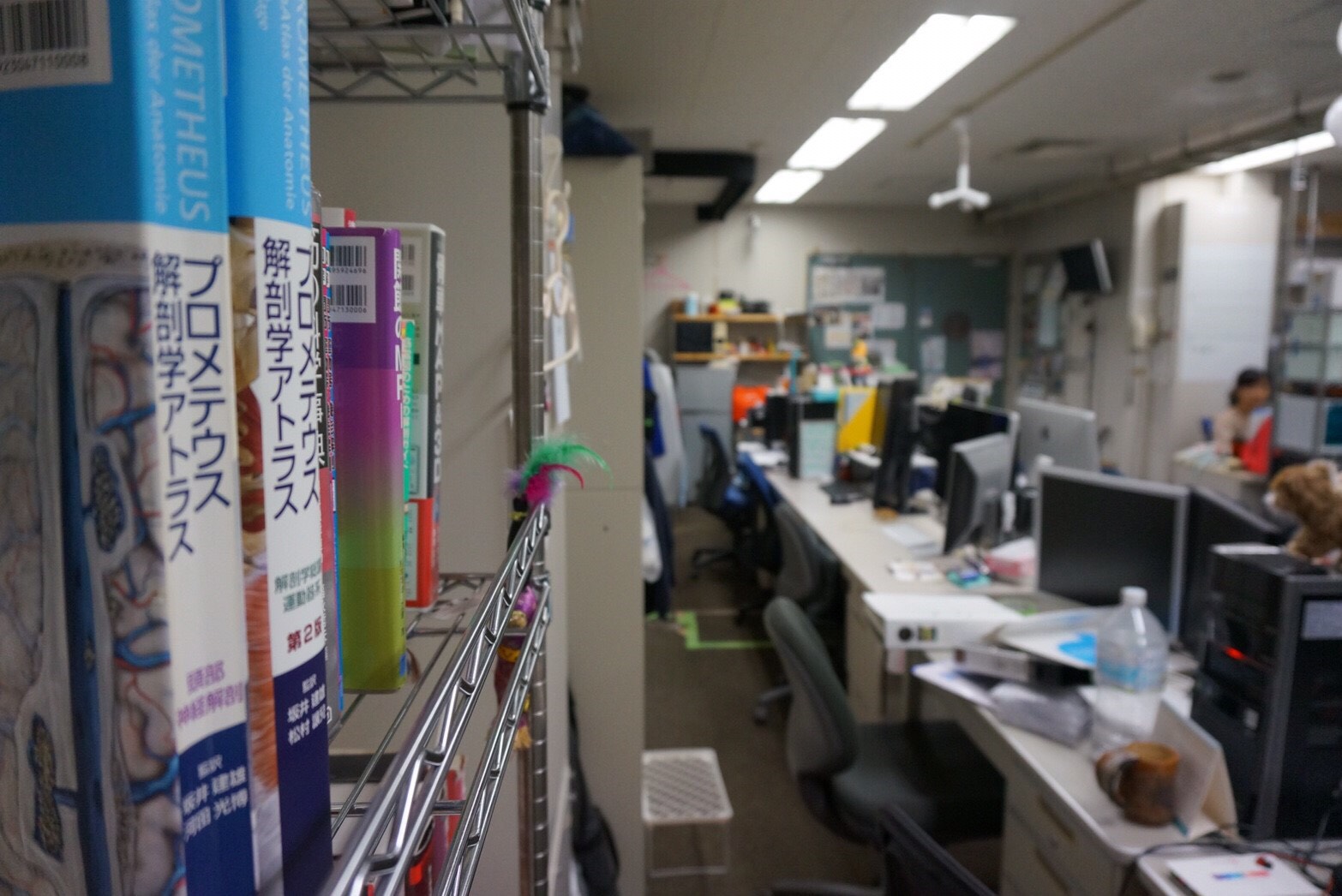
The Ushiba lab
It is a usual morning at the Ushiba lab where I’m doing an internship this summer. I am a rising junior at Macalester College in Minnesota, USA. Before spending two years in a U.S college, I spent all my life in Japan, and expected being back in a Japanese lab to feel natural. But my assumption was wrong.
Thomas Prigg is a brain cell circuitry researcher at Carnegie Mellon University in Pittsburgh, Pennsylvania, US. Now he’s using his science skills to fuel his campaign for Congress in 2018. He talks to Nikki Forrester. Continue reading
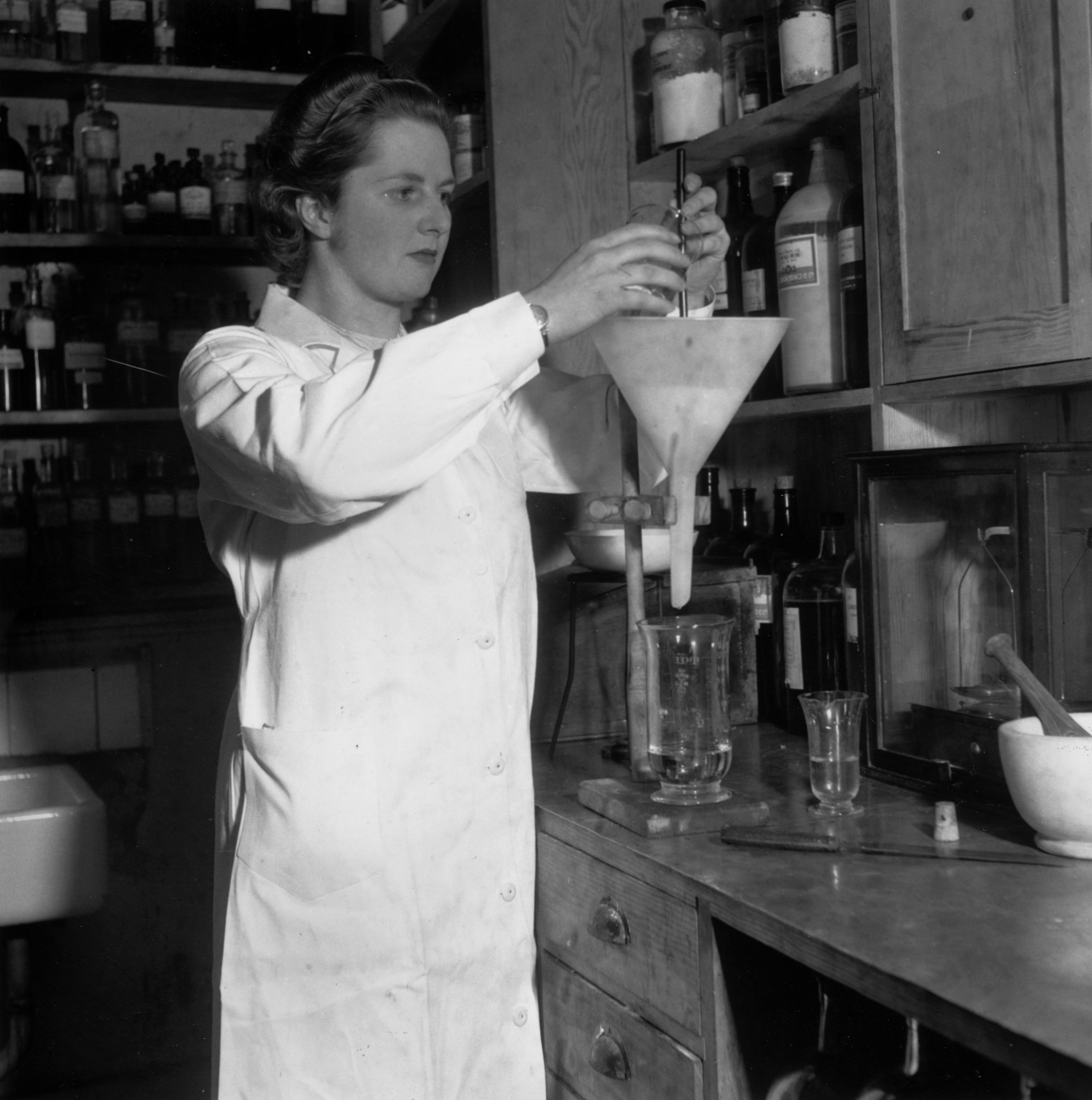
Margeret Thatcher at work as a research chemist in 1950.{credit}Christ Water/Getty{/credit}
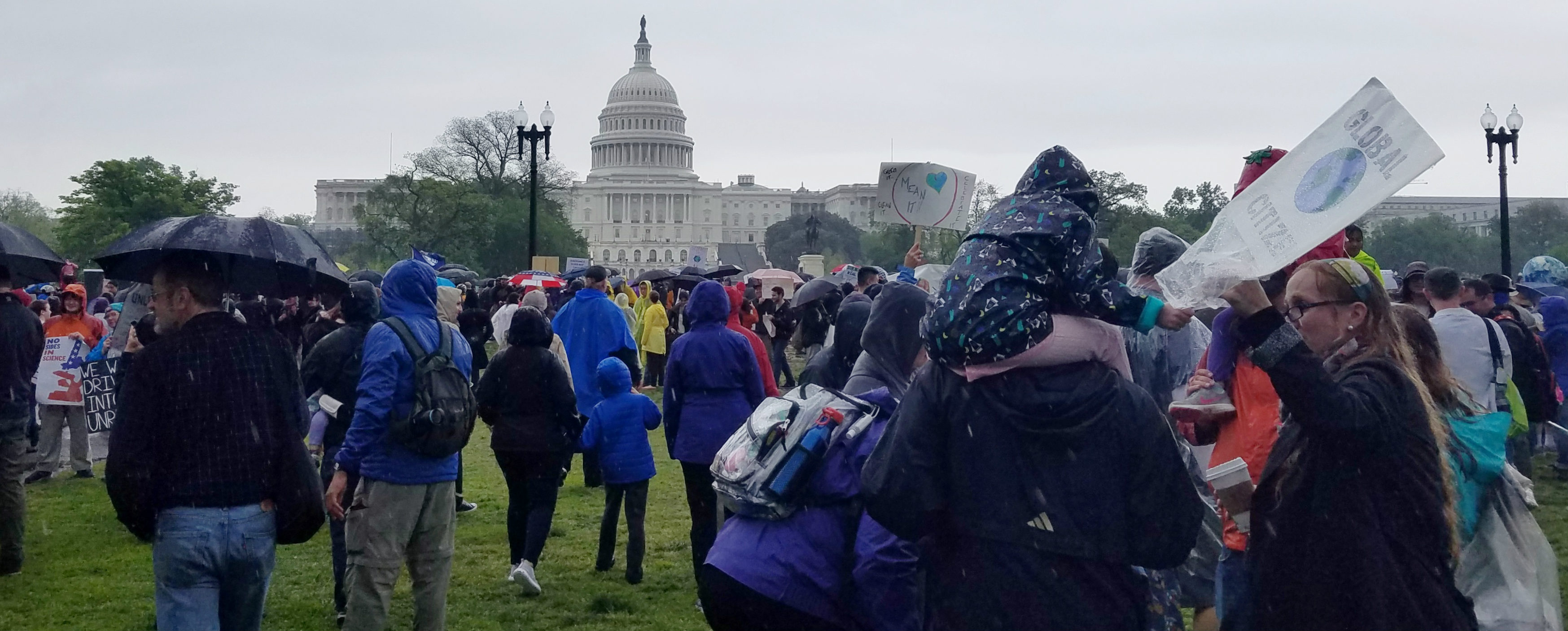
April 22 began with a drizzly ride on rented bikes through the streets of southeast D.C. to the Washington monument. I was accompanied by Dylan Jones, an outdoor recreation and environmental writer from West Virginia. “I typically opt for escaping civilization on Earth Day,” Jones said, “but today I decided to go straight into the heart of it.” We weaved through roads littered with people in rain shells and lab coats, carrying vibrant signs and rainbow umbrellas.