The real climate debate

Young scientists on the ground at Lindau share their thoughts on scientists’ place in the climate change debate

In the scientific community, the big question is not whether action on climate change is required, but what form it should take and the part that scientists should play, says the recent Nature Outlook on Climate Change. Three early-career researchers share their thoughts on the current state on climate action worldwide and the place of science in society.

You can find the full Nature Outlook on Climate change here.

Julie Fenton

Julia Nimke/Lindau Nobel Laureate Meetings

Graduate student, Pennsylvania State University, USA

It’s hard for scientists to make definitive statements about the ‘truth’. Just as we don’t believe exactly the same things as we did 50 years ago, we expect our understanding of the things we’re learning now will change over time.

It doesn’t mean our current understanding should be dismissed as incomplete, but it can be a challenge to communicate this concept to non-scientists. It’s become evident that my communication skills are something I have to invest time in. It’s too easy to forget that we have a broader responsibility to the public. In my experience, public engagement is not a routine part of academic training. Every scientist can start by talking with people they know in their everyday lives. That’s not hard. Continue reading

Do it for science – not for tenure

Career advice from a Nobel Laureate

By Judith Reichel

I recently had the pleasure of joining the 67th Lindau Nobel Laureate meeting at Lake Constance in the south of Germany. The weeklong meeting alternates its main focus between chemistry, physics, and medicine & physiology each year — the three categories of natural sciences the Nobel Prizes are awarded for. This year the focus was back on chemistry, and I was lucky enough to be invited by the organisers to cover the event on their blog.

Throughout the week I met handpicked junior researchers, talented fellow science communicators and journalists, and — above all — sat down with Nobel Laureates for one-on-one interviews.

One of them was Martin Chalfie, who won the 2008 prize in Chemistry with Osamu Shimomura and Roger Y. Tsien for their development of the now widely used Green Fluorescent Protein (GFP) tag. Inserting the gene sequence for GFP into a host organism produces the protein within a cell, which allows for the visualization of intricate biological processes.

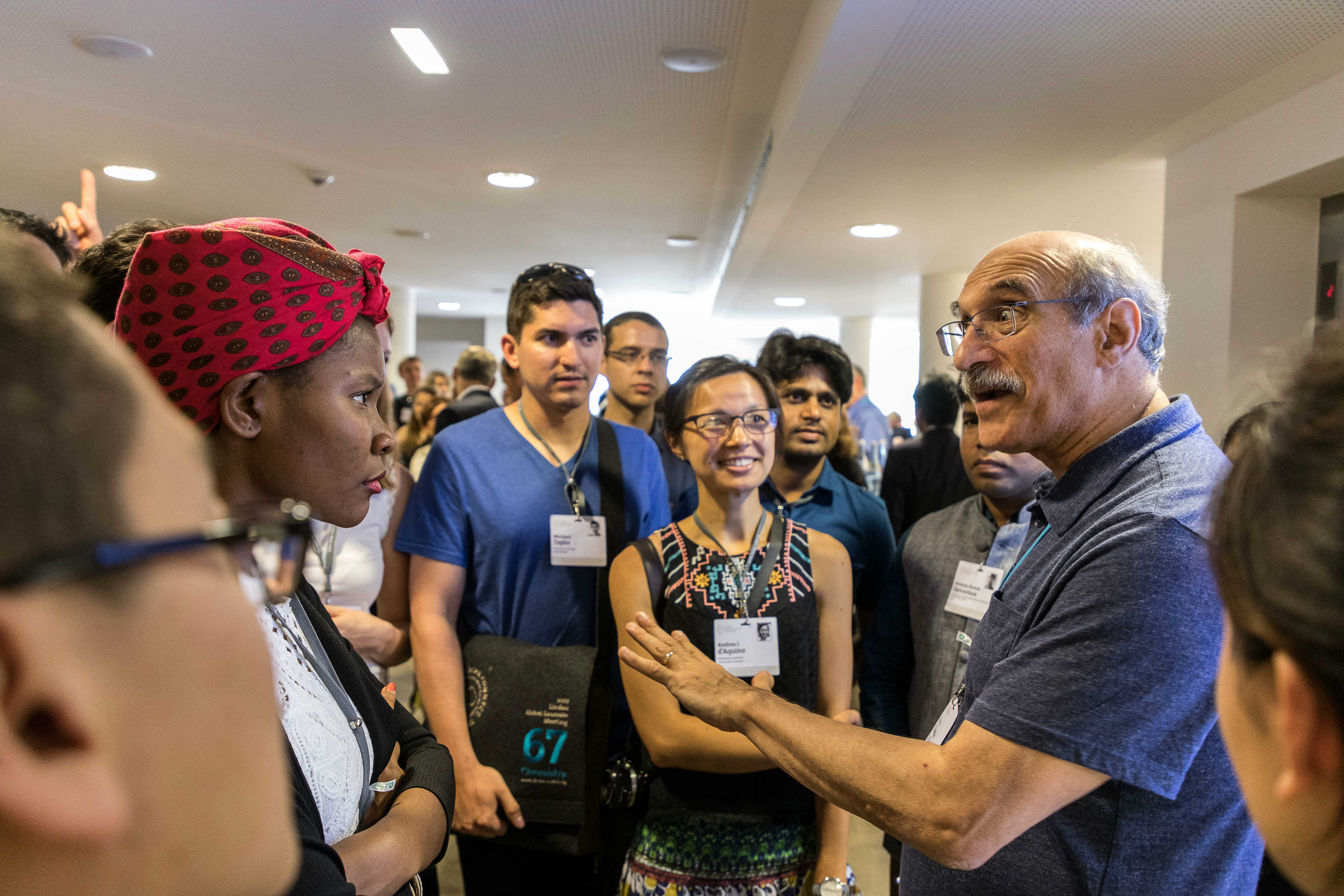
Chalfie talking to students at Lindau 2017

Chalfie talking to students at Lindau 2017{credit}Christian Flemming/Lindau Nobel Laureate Meetings Young Scientists in conversation with Martin Chalfie{/credit}

Continue reading

Multidisciplinary research: pros and cons

By bringing together experts from different disciplines we can find the solutions for today’s global challenges. Having spent a year in a multidisciplinary research group, Mit Bhavsar shares his thoughts on the advantages and disadvantages of multidisciplinary research in science.

3844579694

The increasing popularity of mixed scientific disciplines like mechatronics, bioinformatics, biomedical engineering and biophysical chemistry is evidence of the importance of multidisciplinary. And, based on the number of multidisciplinary conferences taking place around the world, it seems that many policymakers agree that bringing scientists from a variety of different backgrounds together is a crucial part of fixing the world’s problems. Continue reading

Why I marched for science – a transatlantic perspective

The March for Science turned a spotlight on the importance of research. But it won’t have a lasting effect unless we improve science communication, says Judith Reichel.

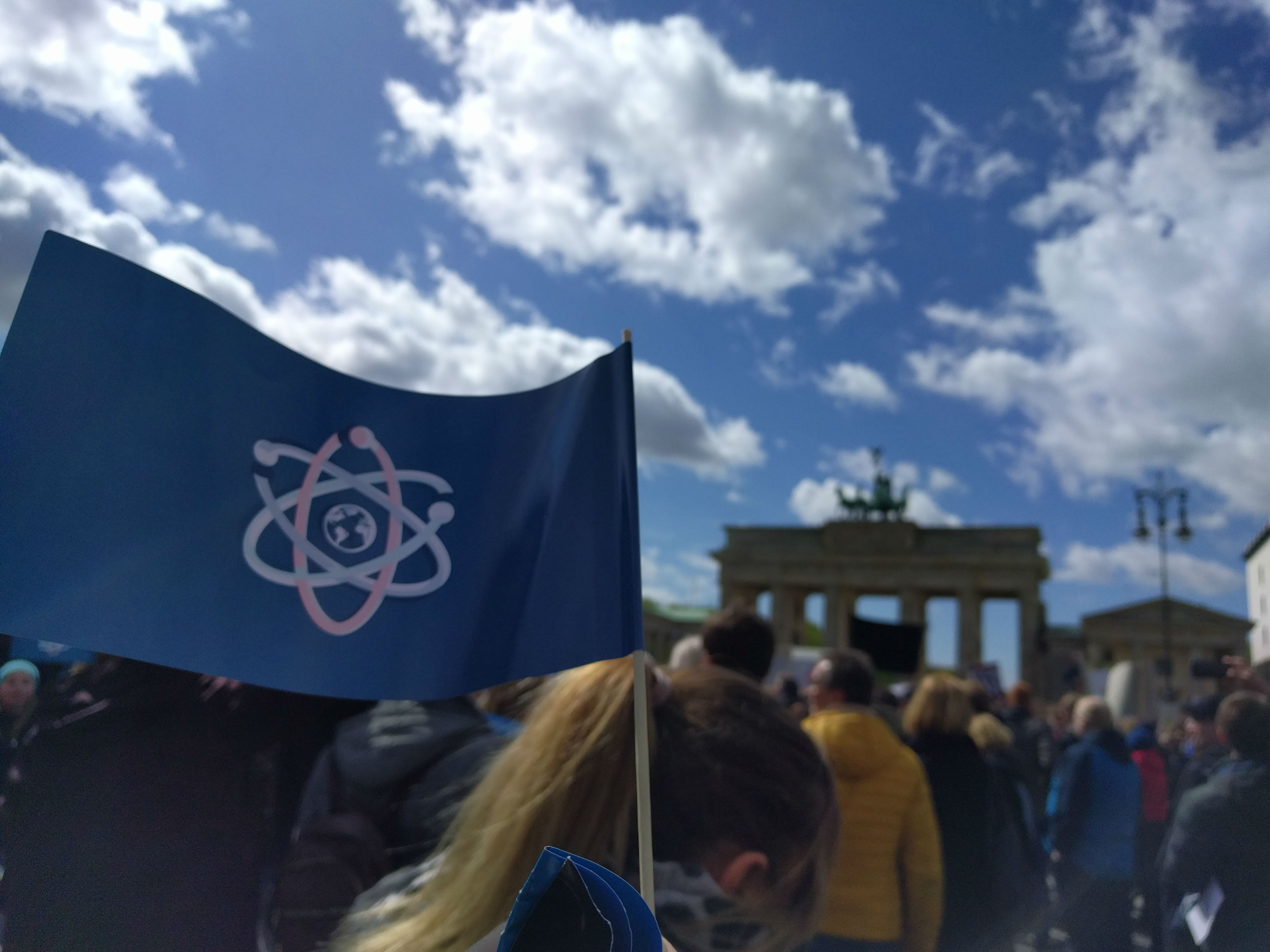
On Saturday, April 22nd, myself and an estimated 11,000 other science supporters marched in Berlin. The event was part of the global “March for Science” that took place in over 600 cities worldwide. While the March here and everywhere else was a great success in putting a spotlight on the importance of research and the danger of building on false facts, I’m worried it won’t have a lasting effect on the public perception of science if we don’t improve our science communication.

MarchforScience-Judith-1-smaller

The March for Science passes the Brandenburg gate in Berlin, Germany

Continue reading

What I learnt from researching in Germany

Mit Bhavsar shares his thoughts on working in the German scientific environment

I’ve always been fascinated with medical research, which brought me from Ahmedabad, India, to Frankfurt (via Aachen, Düsseldorf and Göttingen) to pursue a Masters and a PhD in neuroscience. Germany boasts an excellent research ecosystem across the private and public sectors, with strong collaboration between each. Consequently, there are attractive career opportunities for local and international researchers, especially in a world where two of the west’s other major research hubs – the UK and the US – appear to be trending against science, evidence, and intellectualism. Having spent seven years here, this is what you need to know about research in Germany.

biomedical research-smaller

Credit: Getty/Andrew Brookes

Continue reading

Finding job satisfaction as a drug safety manager

Steffen Schulz was completing his PhD in medical neuroscience when he realised he needed more job security than academia could offer. Now, he works as a drug safety manager in his native Berlin.

How did you get into biology?

Originally I was interested in the origin and the development and evolution of life. Then I shifted to questions like ‘why do animals and humans behave the way they do?’

IMG_2299-allwhite-smaller

Steffen Schulz

Continue reading

Return to academia: The price I’m willing to pay

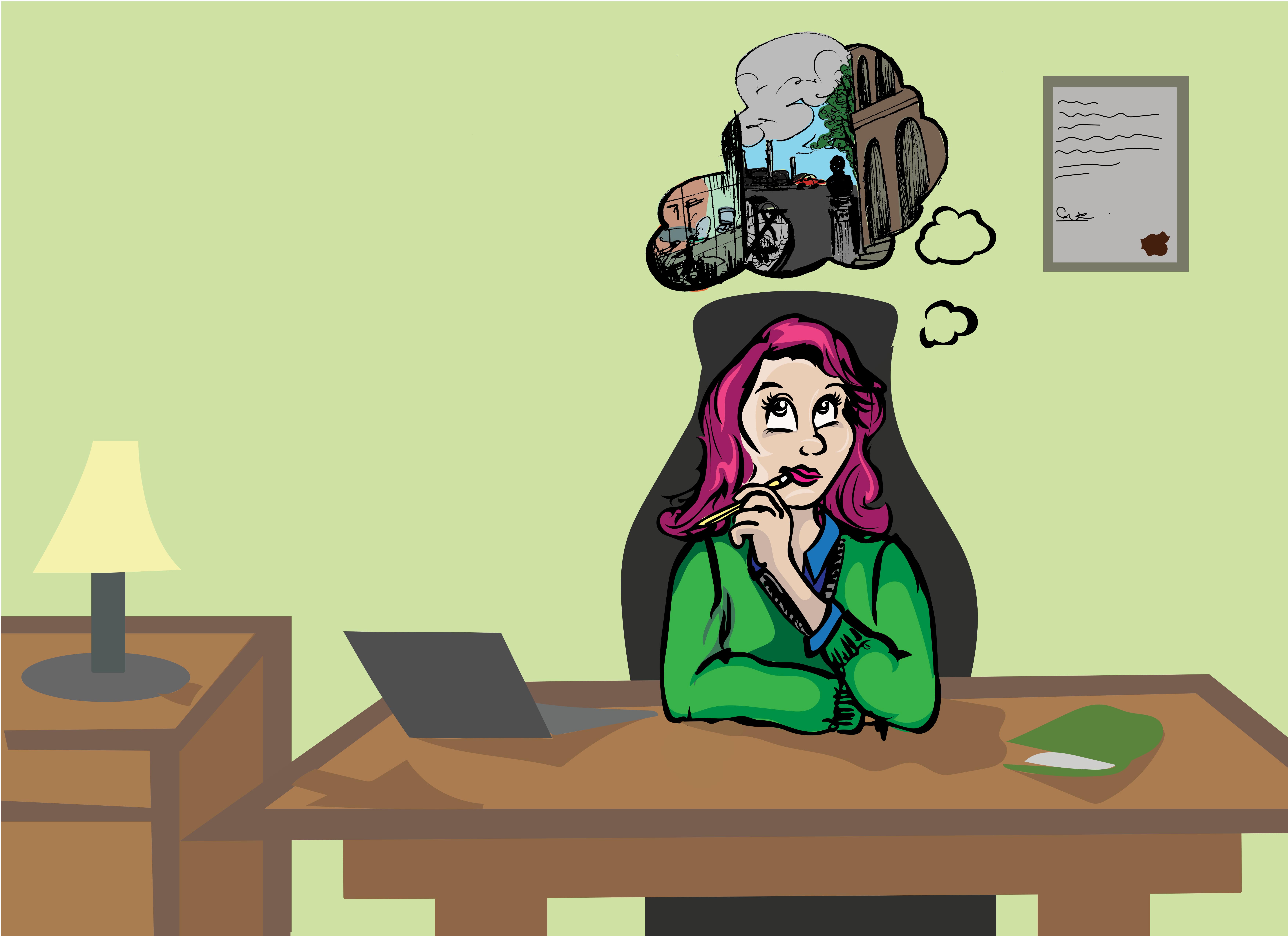
Does academia deserve its reputation as a bad employer? And if so, why do some people choose to return? Philipp Gramlich and Karin Bodewits spoke to four scientists moving from the “real world” back into the ivory tower.

Academia has had some bad press in recent years. Long years of temporary contracts, enforced mobility, and low salaries are some of the arguments used against academic careers. But is the grass really greener on the other side?

ScienceMums Colourize Illustration_Final_WITHOUT WINDOW

{credit}Karriereführer für Naturwissenschaftlerinnen, Karin Bodewits, Andrea Hauk and Philipp Gramlich, page 2. Copyright Wiley-VCH Verlag GmbH & Co. KGaA. Reproduced with permission.{/credit}

Continue reading

Away from home: Proteins in Germany

We’re bringing you the best stories on lab mobility from Nature India

Beginning this week, we will take a peek into the lives of Indian postdocs working in foreign labs. Our blog series ‘Away from home’ will feature one postdoc every Tuesday recounting his/her experience of working in a foreign lab, the triumphs and challenges, the culture factor, tips for Indian postdocs headed abroad and what he/she misses most about India.

Kangkan Halder

Teeing off the series for us is Kangkan Halder, who completed his doctoral thesis at the Institute of Genomics & Integrative Biology (IGIB), New Delhi and is currently a post-doctoral fellow at the Applied Synthetic Biology Group at the University of Göttingen, Germany.

Science and I

I am not sure what really got me interested in science, but I guess I was plain curious about things. I also liked the idea that in science there is a specific answer/reason for a specific question/observation. On the other hand, for any generalization there is always an exception too! And I was really curious to know these exceptions.
Continue reading

Finding job satisfaction as a science liaison

How Sabine Blankenship went from neuroscience researcher to professional networker

After completing a PhD and postdoc in experimental neuroscience labs, Sabine Blankenship had no desire to run her own lab. Here she describes how her passion to study abroad led her from experiments that had become frustrating to outreach she finds invigorating. She now works in the German Consulate General in San Francisco, where she helps set up international research collaborations and keep the German government abreast of US advances, particularly in renewable energy and regenerative medicine.

sabine2

Tell me about your job

It’s part of the German foreign service. My job title is scientific liaison; we are installed in scientifically important cities like Washington DC and Boston. We’re the first point of call for setting agendas for visiting VIPs, maintaining networks, and fostering collaborations across industry and academia in the two countries.

Continue reading

Scientific data + effective communication = big changes

The science community should recognize the influence that research has when it’s translated for everyone.

Guest contributor Thais Moraes

2014-06-29 15-smaller

Thais Moraes

The conference comm4science – communicating science beyond the lab – in Heidelberg, on the 6th and 7th of May, put together many popular names involved in science communication both in and outside of Germany. They all highlighted the importance of communicating science. But they also recognized the many problems we face today concerning dialogue between scientists and the public. In my opinion, one critical point is to make scientists understand how essential it is to share their research with society. Continue reading